
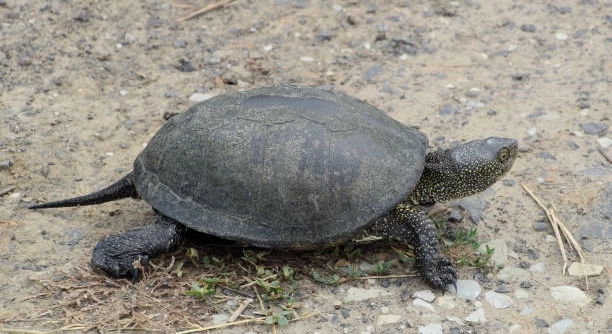
A musk turtle not basking can be frustrating for owners who are trying to maintain a healthy environment for their pet. This behavior may signal a number of issues that need addressing. Understanding these causes can help you find a solution.
The primary reason your musk turtle may not be basking is an unsuitable basking area. Factors such as incorrect temperature, inadequate lighting, or the turtle’s overall health can influence basking behavior. Ensuring proper conditions is essential for encouraging natural basking habits.
By addressing these issues, you can help your turtle return to its normal behavior and improve its well-being.
Why Is Basking Important for Musk Turtles?
Basking is a vital behavior for musk turtles as it allows them to regulate their body temperature and dry off. When a turtle basks, it also helps them metabolize calcium for healthy shell development. Additionally, exposure to UVB light while basking ensures that turtles can produce vitamin D3, which is necessary for their overall health. Without proper basking habits, turtles may suffer from weakened shells, poor health, and even behavioral issues.
A consistent basking routine can prevent these problems. Musk turtles rely on this time to ensure they stay healthy and strong.
To encourage your turtle to bask, it is essential to maintain the right conditions. The basking area should have a heat lamp with a temperature between 85-90°F, and the UVB light should be positioned close enough for your turtle to absorb it. If these conditions aren’t met, your turtle might avoid basking altogether.
Common Causes of Basking Problems
Inadequate basking areas are often the main issue. The setup must allow your turtle to climb out of the water onto a dry, warm platform. Without this, your turtle might feel uncomfortable or unsafe.
Other factors include an improperly functioning heat source, like a bulb that’s too weak or placed too far from the basking area. The lack of a UVB light can also discourage basking since the turtle needs it for essential vitamin D3 production. If your turtle isn’t basking, it’s crucial to evaluate the environmental setup first. Proper lighting, heat, and dry areas are essential for their health. If the setup is perfect, it’s time to consider other reasons for this behavior.
What to Do to Encourage Basking
Start by checking the temperature of both the water and basking areas. You can use a thermometer to ensure they meet the proper range. The basking spot should be much warmer than the water, creating a noticeable difference. Adjust the positioning of the heat and UVB lights to make sure your turtle can easily access them.
Next, ensure the basking platform is easy for your turtle to climb. If it’s too slippery or hard to access, your turtle may avoid it. Clean the platform regularly to maintain a safe, comfortable area.
Consider your turtle’s health. Stress or illness can also prevent them from basking. If you notice any unusual behavior, it may be a sign of a health problem. Check with a vet if needed to rule out any underlying issues.
When to Seek Professional Help
If you’ve adjusted the basking setup and your turtle still refuses to bask, it might be time to consult a vet. Health issues such as respiratory infections or shell problems can cause lethargy and avoid basking. In these cases, a vet’s guidance is important for ensuring your turtle’s health and well-being.
Additionally, sometimes a change in behavior can be due to environmental stressors. A veterinarian can help pinpoint the cause and recommend proper treatments. Your turtle’s health is a top priority, and seeking professional help can make all the difference.
How to Set Up the Perfect Basking Area
Your turtle’s basking area needs to be accessible and comfortable. Ensure the area is large enough for your turtle to stretch out fully and dry off. The basking spot should also be sturdy and non-slip. You can use a flat rock, platform, or any other material that’s easy for the turtle to climb onto.
The placement of the basking area is key. It should be above the water level, allowing the turtle to climb out and stay dry. To make sure the area stays warm, use a heat lamp that is positioned a few inches above the basking spot. Check the temperature regularly to ensure it stays within the required range of 85-90°F. Adding a second heat source, like a ceramic heater, will help maintain a consistent temperature during the night.
If your turtle’s basking area is too small or uncomfortable, they may avoid it. Focus on creating a space where they can rest comfortably while absorbing heat and UVB light. The setup should encourage natural behavior, promoting their health and overall well-being.
How Lighting Affects Basking Behavior
Lighting is crucial for encouraging basking. UVB light helps turtles absorb essential vitamin D3, which is needed for strong bones and a healthy shell. Without it, turtles may avoid basking due to weakened immune systems or improper metabolic function.
UVB lights should be placed close enough to the basking area to allow your turtle to bask under them comfortably. Ensure the UVB light bulb is high quality and provides full-spectrum coverage. You will need to replace UVB bulbs regularly, as their effectiveness decreases over time. A timer can help maintain a consistent lighting schedule, making it easier for your turtle to establish a routine. You should also ensure the basking area has a heat lamp to create a temperature difference that motivates your turtle to bask.
Without proper UVB lighting, your turtle may not bask properly, leading to health problems. Make sure the lighting system is working as intended and positioned correctly for maximum benefit.
Checking for Health Issues
If your turtle isn’t basking despite the right environment, health issues could be the cause. Respiratory infections, shell rot, or parasites can affect your turtle’s behavior. Illness often leads to lethargy or a lack of interest in basking.
To determine if your turtle has a health issue, closely observe any changes in behavior. Symptoms like loss of appetite, difficulty swimming, or excessive hiding could indicate a problem. You should also inspect your turtle’s shell and skin for signs of damage, swelling, or discoloration. Any visible wounds or soft spots on the shell might point to infection or other serious health concerns.
If you notice any concerning signs, take your turtle to the vet for a check-up. Early intervention can prevent minor health problems from becoming more serious, allowing your turtle to return to its normal basking habits.
Stress and Environmental Factors
Environmental stressors can cause your turtle to avoid basking. Too much noise, frequent handling, or changes in the tank setup may make your turtle feel unsafe. It’s important to minimize stress to encourage natural behavior like basking.
You can help your turtle feel more secure by providing a consistent and quiet environment. Avoid sudden changes to the tank, and ensure other pets or household disturbances don’t overwhelm your turtle. Creating a predictable and calm space can make a big difference in whether your turtle decides to bask or not.
Adjusting Water Conditions
Water temperature and quality are key factors in a turtle’s behavior. Too warm or too cold water can cause stress, leading to a lack of interest in basking. Musk turtles prefer water temperatures around 75-80°F. You should use a reliable water heater and check the temperature regularly.
Water quality is another important consideration. Make sure the water is clean, with a filtration system in place to remove waste and debris. Poor water quality can lead to health issues and discourage basking. Perform regular water changes and monitor the tank’s cleanliness to create the ideal environment.
When to Adjust the Basking Routine
Sometimes, your turtle may avoid basking because the basking schedule isn’t in sync with its natural rhythms. Some turtles may prefer basking more during certain times of the day, especially after meals or during warmer months.
If your turtle isn’t basking, try adjusting the basking times slightly. Observe if your turtle seems more active at specific times and ensure the basking area is available when they are most likely to use it. Adjusting routines could encourage your turtle to bask at the right times.
FAQ
Why isn’t my musk turtle basking?
If your musk turtle isn’t basking, it could be due to a variety of factors. Common reasons include inadequate basking conditions, such as the wrong temperature or poor lighting. Health problems, stress, or water quality issues can also discourage basking. Start by checking the basking area’s temperature (should be 85-90°F) and ensuring the UVB light is positioned properly. If the conditions are fine, check for any health or environmental stressors affecting your turtle.
What temperature should the basking area be for my musk turtle?
The basking area should be kept between 85-90°F for optimal health. This temperature range allows your turtle to regulate its body temperature and helps with digestion, shell development, and overall well-being. Make sure the heat lamp is positioned to achieve this temperature. Using a thermometer can help monitor it accurately.
Can my turtle bask too much?
While basking is important for your turtle’s health, it’s unlikely that they’ll bask too much. Musk turtles generally know when to stop basking and return to the water when they need to cool down. However, providing an area where they can leave the basking spot if they feel too hot is essential.
How can I encourage my musk turtle to bask more?
Ensure the basking area is comfortable and easily accessible. The platform should be stable, non-slip, and positioned so that your turtle can easily climb onto it. Additionally, check the temperature and lighting conditions, making sure the heat lamp is in the right position and the UVB light is functional. If necessary, try adjusting the time of day when the lights are on to match your turtle’s natural patterns.
Do I need a UVB light for my musk turtle?
Yes, UVB light is essential for your musk turtle’s health. It helps them synthesize vitamin D3, which is crucial for absorbing calcium and maintaining a healthy shell. Without UVB light, your turtle may suffer from shell deformities or metabolic bone disease. Be sure to use a high-quality UVB bulb and replace it regularly, as its effectiveness decreases over time.
What should the water temperature be for my musk turtle?
The water temperature should be maintained at 75-80°F for musk turtles. Water that’s too cold or too warm can cause stress and disrupt your turtle’s behavior. A reliable water heater is necessary to regulate this temperature, especially in colder months. Regularly checking the temperature with a thermometer is a good practice.
Why isn’t my turtle eating and basking?
If your turtle isn’t eating and basking, it could indicate health issues or stress. Lack of appetite and avoidance of basking can be signs of an illness, such as a respiratory infection, shell rot, or parasites. If these symptoms persist, a visit to the vet is recommended for a thorough checkup.
How often should I change the water in my turtle tank?
You should change the water in your turtle tank at least once a week. However, the frequency depends on the size of the tank and the filtration system. If the water looks cloudy or has visible debris, change it more often. Clean water encourages healthy habits, including basking.
Can stress affect my turtle’s basking behavior?
Yes, stress can significantly affect your turtle’s behavior, including basking. Stressful factors such as loud noises, frequent handling, tank changes, or overcrowding can make your turtle feel unsafe. To reduce stress, provide a stable environment, avoid unnecessary handling, and minimize disruptions in their living space.
How long should my musk turtle bask each day?
Musk turtles should bask for at least 2-4 hours a day. The exact time depends on their age, health, and the temperature in their environment. Younger turtles or those recovering from illness may need more time. Ensure the basking area is comfortable and provides the right conditions for them to rest and absorb UVB light.
How do I know if my turtle’s shell is healthy?
A healthy turtle’s shell should be hard, smooth, and free of cracks, soft spots, or discoloration. Regularly inspect your turtle’s shell for any signs of scarring, injury, or rot. If you notice soft or discolored areas, it could indicate a health issue such as shell rot, which requires immediate attention.
Can poor lighting cause my turtle not to bask?
Yes, poor lighting can discourage your turtle from basking. Without sufficient UVB light, your turtle won’t get the vitamin D3 needed for proper calcium absorption. Make sure your UVB light is of good quality and placed at the right distance from the basking area. Check the bulb’s effectiveness and replace it as needed.
How do I know if my turtle is stressed?
Signs of stress in a musk turtle include hiding, lethargy, refusal to eat, or aggression. Stress can be caused by environmental changes, improper tank setup, or health problems. Observing your turtle’s behavior and making adjustments to its environment can help reduce stress. If the stress continues, consult a vet.
Can I use a heat lamp without UVB for my turtle?
A heat lamp is important for maintaining the correct basking temperature, but it doesn’t provide the UVB rays your turtle needs. UVB light is necessary for your turtle’s health, so it’s essential to use both a heat lamp and a UVB bulb to create the right conditions for basking.
Why is my turtle basking but still acting lethargic?
If your turtle is basking but acting lethargic, it could be a sign of an underlying health problem. Common issues include vitamin deficiencies, infections, or shell rot. Lethargy can also be caused by stress or poor water conditions. If this behavior persists, it’s best to consult a vet for a diagnosis.
Should I provide hiding spots for my musk turtle?
Yes, providing hiding spots for your musk turtle is important for their sense of security. Turtles are naturally shy animals, and having a place to retreat can help reduce stress. Ensure the hiding spots are clean and easily accessible for your turtle to feel safe in its environment.
Final Thoughts
Musk turtles, like all pets, thrive in a stable and well-maintained environment. If your turtle isn’t basking, it’s important to check the conditions of its tank, the water quality, and the temperature. A healthy basking area with proper lighting and warmth can encourage your turtle to engage in this natural behavior. Additionally, offering a safe and stress-free environment is crucial. If there are external factors causing your turtle stress, it may avoid basking or behave unusually.
Health plays a significant role in a turtle’s basking habits. If your turtle is avoiding basking or acting lethargic, it might be signaling that something is wrong. In such cases, a visit to the vet is recommended to rule out any health problems. Problems like respiratory infections, shell rot, or parasites can impact a turtle’s energy levels and willingness to bask. Regular health checks will help catch any issues early, ensuring your turtle’s overall well-being.
Lastly, understanding your musk turtle’s behavior requires patience and observation. Every turtle has its preferences and rhythms when it comes to basking, and adjusting your care routine may be necessary. Keep monitoring the tank’s conditions and make sure your turtle has access to a clean, quiet, and secure environment. By following these simple steps, you can help your musk turtle live a long and healthy life, enjoying the basking time it needs to stay active and vibrant.

Hello,
If you enjoy the content that we create, please consider saying a "Thank You!" by leaving a tip.
Every little bit helps us continue crafting quality advice that supports the health, happiness, and well-being of pets around the world, for pets of all shapes, sizes, and species.
We really appreciate the kindness and support that you show us!