
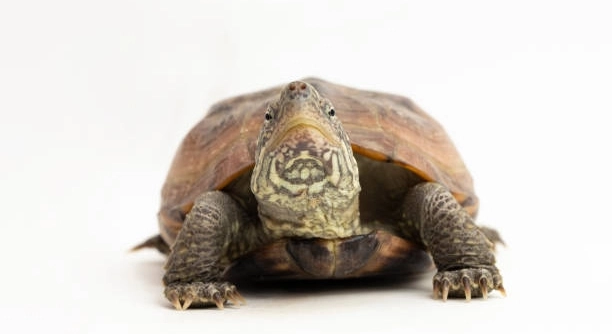
If you’ve noticed your musk turtle frequently scratching at the glass, you may be wondering why it’s behaving this way. This behavior can be puzzling, but it is not uncommon for turtles to show signs of restlessness or frustration.
Musk turtles scratch at the glass for various reasons, including boredom, a desire for more space, or environmental discomfort. They may also be trying to find a way out, indicating that their enclosure needs to be adjusted for their well-being.
Understanding the reasons behind this behavior will help you create a more suitable environment for your musk turtle and address its needs effectively.
The Importance of Tank Size
A musk turtle that scratches at the glass may be indicating that it feels cramped in its enclosure. If the tank is too small, the turtle may not have enough space to move around comfortably. Turtles are active creatures that need room to swim, bask, and explore. A tank that doesn’t meet these needs can lead to stress, which often manifests as repetitive behaviors like scratching.
For a single musk turtle, a tank size of at least 20 gallons is recommended. A larger tank will help ensure the turtle has adequate space to move and engage in natural behaviors. Additionally, a tank with sufficient space can also accommodate more plants and hiding spots, which are essential for your turtle’s mental stimulation and overall well-being.
Ensuring the right tank size is one of the easiest ways to improve your turtle’s quality of life. When the tank is large enough, your turtle will feel more at ease, leading to fewer signs of frustration like glass scratching. It’s essential to regularly assess the size and adjust as needed for optimal care.
Water Quality and Cleanliness
Poor water quality can cause your musk turtle to scratch at the glass. Dirty water makes it difficult for turtles to swim freely, potentially leading to irritation.
A well-maintained filtration system is crucial for keeping the water clean. Regular water changes and monitoring of water parameters like pH, ammonia levels, and temperature will ensure your turtle’s environment remains healthy. Clean water reduces the likelihood of stress or discomfort, which can lead to scratching behaviors.
The cleanliness of your turtle’s tank also affects its health. Algae and waste buildup in the water not only irritate the turtle but also increase the risk of skin infections. Make sure to invest in a good filtration system and create a regular cleaning schedule to keep the tank in top condition.
Boredom and Lack of Stimulation
Musk turtles are intelligent and need mental stimulation to stay happy. If your turtle has nothing to do, it might start scratching at the glass out of boredom. This behavior is often an attempt to get your attention or explore something new.
Adding toys, hiding spots, or even live plants can help engage your turtle. These additions provide mental challenges, encouraging your turtle to explore and interact with its environment. You can also vary its diet with new food types to keep its interest piqued.
A turtle without stimulation may resort to repetitive behaviors, including scratching at the glass. Make sure to create a varied and enriching habitat to keep your turtle’s mind occupied and reduce frustration. Simple changes can make a big difference in its behavior.
Inadequate Lighting
Turtles need proper lighting to regulate their day-night cycles and maintain their health. Poor lighting can cause your musk turtle to scratch at the glass, trying to escape or find a better source of light.
A UVB light is essential for the turtle’s shell and overall health. Without proper lighting, your turtle may feel disoriented and restless, contributing to glass scratching. Setting up a lighting system with UVB and basking lights ensures your turtle gets the energy it needs for a healthy lifestyle.
Maintaining a proper light cycle with adequate brightness is a simple yet effective way to reduce behaviors like scratching. Proper lighting supports your turtle’s health and keeps it from seeking alternative sources.
Stress and Anxiety
Stress can trigger abnormal behaviors like scratching at the glass. Changes in the environment, loud noises, or even unfamiliar people can cause anxiety for your musk turtle. It may feel threatened or uneasy, prompting it to scratch.
Providing a calm and quiet space for your turtle helps reduce stress. Keep the tank in a low-traffic area to avoid sudden disturbances. If the turtle’s environment is constantly changing, it may lead to frustration, causing repetitive behaviors like glass scratching. Stability is key to maintaining your turtle’s well-being.
Tankmates and Social Issues
If you have other animals in the tank, aggression or competition for space can be the cause of the scratching. Musk turtles may feel crowded or stressed by other creatures.
Musk turtles are solitary by nature and may struggle with the presence of tankmates. Aggressive interactions or overcrowding can lead to anxiety, causing your turtle to scratch at the glass. It’s important to carefully monitor tankmates and ensure each animal has enough space to thrive.
FAQ
Why is my musk turtle scratching the glass?
Musk turtles scratch the glass for several reasons. Common causes include boredom, the need for more space, poor water quality, inadequate lighting, or stress. If your turtle feels cramped or lacks stimulation, it may start to scratch the tank’s walls. Additionally, if the water is not clean or the lighting is insufficient, your turtle could become agitated and attempt to escape. Stress from changes in the environment or aggressive tankmates can also cause this behavior. Pay attention to your turtle’s environment and make necessary adjustments to reduce the scratching.
How can I stop my turtle from scratching at the glass?
To stop your turtle from scratching, start by assessing its tank setup. Ensure the tank is large enough, with plenty of space for swimming and basking. Adding enrichment such as plants or toys can help alleviate boredom. Ensure the water is clean and properly filtered, and maintain an appropriate lighting system with UVB and basking lights. Minimize stress by keeping the tank in a quiet area and avoiding abrupt changes to its environment. If you have tankmates, ensure they are compatible and there is enough space for everyone.
Is my turtle unhappy if it is scratching the glass?
Scratching is often a sign that your turtle is experiencing discomfort or frustration. While it may not necessarily indicate unhappiness, it can point to a problem in its environment, such as insufficient space or poor water conditions. Ensuring your turtle has a suitable habitat with the proper tank size, clean water, and adequate lighting can help reduce these behaviors. When your turtle’s basic needs are met, it will feel more secure and content, which should decrease the likelihood of scratching.
Do I need to change the tank size for my turtle?
If your musk turtle is scratching the glass, it might be due to a tank that’s too small. A tank that is too cramped doesn’t provide enough space for swimming and other natural behaviors. For a single musk turtle, a tank of at least 20 gallons is recommended. However, larger tanks are always better, as they offer more room to explore and help maintain a stable environment. You should also consider the size of your turtle as it grows. If it seems like your turtle is running out of space, upgrading to a larger tank can improve its well-being.
How often should I clean my turtle’s tank?
Cleaning your turtle’s tank regularly is essential for maintaining a healthy environment. You should perform partial water changes every 1-2 weeks, depending on the size of the tank and the number of turtles. A full tank cleaning, including changing the substrate and cleaning decorations, should be done every month. Make sure to check the water parameters, like ammonia, nitrate, and pH levels, to ensure they are within acceptable ranges. A good filtration system can help keep the water clean between changes, but regular maintenance is necessary to prevent any issues.
Can I keep multiple musk turtles in the same tank?
While musk turtles can be kept together, it’s important to ensure they have enough space. Musk turtles are solitary animals by nature, and overcrowding can lead to aggression and stress. If you do keep multiple turtles, ensure the tank is large enough for each to have its own space to swim, bask, and hide. It’s also important to monitor their interactions closely. Some turtles may become territorial or aggressive, which can result in stress and scratching behaviors. Always provide plenty of hiding spots and basking areas for each turtle to reduce conflict.
What type of lighting do musk turtles need?
Musk turtles require proper lighting to maintain their health, especially UVB light. UVB helps them synthesize vitamin D3, which is essential for calcium absorption and healthy shell growth. In addition to UVB, you should provide a basking light that creates a warm area for the turtle to dry off and regulate its temperature. The basking spot should be around 85-90°F, while the water temperature should be between 75-80°F. Make sure the lights are on for about 10-12 hours a day to mimic natural sunlight, ensuring your turtle stays healthy and active.
Can I feed my turtle while it’s scratching the glass?
It’s best to avoid feeding your turtle while it’s exhibiting stress behaviors like scratching the glass. Feeding your turtle when it’s stressed may cause it to associate the food with frustration, which can affect its eating habits. Instead, focus on resolving the root cause of the scratching first, such as improving its tank conditions, increasing stimulation, and reducing stress. Once the environment is better suited to your turtle’s needs, it will likely eat more regularly and stop scratching the glass.
How can I tell if my turtle is stressed?
In addition to scratching the glass, stressed turtles may display other signs, such as hiding more often, refusing to eat, or becoming more aggressive. They may also exhibit excessive swimming or pacing along the tank’s walls. Changes in behavior, such as lack of interest in basking or interacting with their environment, can indicate stress. Monitoring your turtle’s actions closely and paying attention to these changes can help you identify when it is stressed. Addressing the cause of the stress, whether it’s water quality, tankmates, or other factors, can help alleviate these issues.
Final Thoughts
Scratching at the glass is a common behavior among musk turtles, and while it can be concerning, it is usually a sign of an underlying issue in their environment. Addressing the cause of this behavior can often lead to significant improvements in your turtle’s well-being. Understanding the reasons behind the scratching, such as boredom, stress, inadequate lighting, or poor water conditions, is essential for providing the proper care. By recognizing these factors and taking appropriate action, you can create a healthier and more comfortable habitat for your turtle.
To prevent scratching and other signs of distress, it’s crucial to ensure your turtle has a spacious tank with plenty of hiding spots and enrichment. Adding plants, toys, and other forms of stimulation can help keep your turtle entertained and mentally engaged. Also, ensuring that the water is clean and filtered, with the correct temperature and pH levels, will contribute to your turtle’s overall health. Proper lighting, including UVB and basking lights, should be maintained to support the turtle’s biological needs and behavior.
Remember that each turtle is unique, and the reasons for its behavior can vary. If the scratching persists despite making changes to its environment, it may be helpful to consult with a vet specializing in reptiles. A professional can offer insight into any potential health issues that could be contributing to the behavior. With patience and proper care, your musk turtle should become more relaxed, and the scratching should decrease over time, allowing it to thrive in a well-maintained tank.

Hello,
If you enjoy the content that we create, please consider saying a "Thank You!" by leaving a tip.
Every little bit helps us continue crafting quality advice that supports the health, happiness, and well-being of pets around the world, for pets of all shapes, sizes, and species.
We really appreciate the kindness and support that you show us!