
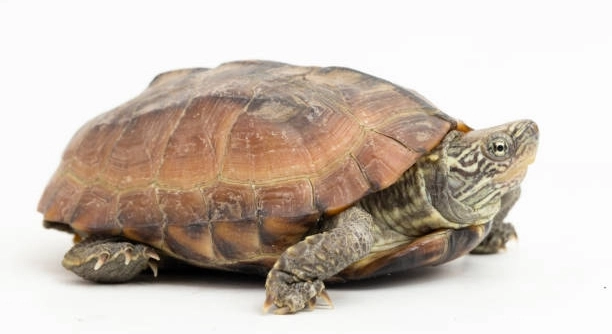
Is your musk turtle showing signs of poor health or unusual behavior? Nutritional deficiencies can impact their overall well-being and long-term health. Identifying these signs early is key to keeping your aquatic companion thriving.
Musk turtles may exhibit symptoms like soft shells, sluggish behavior, or discoloration when lacking essential nutrients. These deficiencies often stem from imbalanced diets or improper supplementation, leading to serious health issues if not addressed promptly and effectively.
Recognizing these signs ensures your musk turtle stays healthy and happy in its aquatic environment. Keep reading to learn more about spotting and addressing these concerns.
Signs of Nutritional Deficiency in Musk Turtles
Musk turtles rely on a well-balanced diet to thrive. Common signs of nutritional deficiency include a soft or deformed shell, lethargy, discoloration, and difficulty swimming. These symptoms often indicate a lack of calcium, vitamins, or protein, all essential for their health. Providing a varied diet with nutrient-rich foods, including pellets, insects, and leafy greens, is crucial. Additionally, exposure to UVB lighting plays a significant role in ensuring proper vitamin D absorption and shell strength. Ignoring these signs can lead to long-term health problems, so early detection and dietary adjustments are essential.
To address deficiencies, consult a veterinarian specializing in reptiles. They can recommend supplements or dietary changes tailored to your musk turtle’s needs. A proactive approach ensures your turtle stays healthy and active.
Regular monitoring of your turtle’s behavior and physical condition will help catch potential issues before they worsen, supporting long-term well-being.
Causes of Poor Nutrition in Musk Turtles
Poor nutrition often stems from an unbalanced diet.
Many musk turtles suffer from deficiencies due to limited diets that lack variety. Overfeeding certain foods, like protein-rich snacks, can cause imbalances, while neglecting vegetables and calcium sources leads to deficiencies. A complete diet includes appropriate portions of pellets, proteins, and vegetables, ensuring proper nutrient intake.
Environmental factors also influence nutrition. Lack of UVB lighting affects calcium absorption, weakening shells over time. Water quality can impact appetite and digestion, further contributing to poor nutrition. To prevent these issues, maintain a clean tank with proper lighting and balanced meals. Regularly review your feeding practices and adjust portions to match your turtle’s needs. Taking these steps minimizes the risk of deficiencies and promotes a healthier lifestyle for your musk turtle.
How to Ensure Proper Nutrition for Your Musk Turtle
A well-balanced diet is the foundation of a healthy musk turtle. Include a mix of high-quality pellets, live or frozen insects, and fresh vegetables. Regularly supplement their diet with calcium to support shell and bone health.
Provide UVB lighting in their tank to assist in the absorption of vitamin D, which is essential for calcium metabolism. Without UVB, turtles can develop soft shells and other health issues. Rotate their food options to avoid monotony and ensure they receive a range of nutrients. For example, mix dark leafy greens like kale with protein sources such as bloodworms or shrimp.
Monitor their feeding habits closely. Underfeeding or overfeeding can lead to deficiencies or obesity. Feed them appropriate portions based on their size and age. If you notice changes in appetite or energy levels, consult a reptile veterinarian.
The Role of Environment in Turtle Nutrition
Tank conditions greatly influence a musk turtle’s health. Poor water quality and inadequate lighting can negatively affect digestion and nutrient absorption.
Clean water is crucial for maintaining their appetite and preventing infections. Use a reliable filtration system and perform partial water changes weekly. Keep the tank’s temperature within the recommended range, as cold water can reduce activity and feeding.
Lighting is equally important. Provide UVB and heat lamps to mimic natural sunlight. This helps regulate their metabolism and supports overall health. A poorly lit tank can cause lethargy and weaken their shell. Combine environmental care with a balanced diet to keep your musk turtle thriving.
Common Mistakes in Feeding Musk Turtles
Overfeeding is a frequent mistake that leads to obesity and imbalanced nutrition. Musk turtles need controlled portions to avoid excess calories and potential health issues. Stick to feeding them once daily, adjusting portions based on their size and activity level.
Another mistake is offering a limited diet. Musk turtles thrive on variety, so relying solely on pellets or one food type can cause deficiencies. Incorporate fresh vegetables, insects, and calcium-rich foods regularly to provide all necessary nutrients.
Signs Your Feeding Routine Needs Adjustment
Pay attention to changes in your turtle’s behavior, such as reduced activity or lack of appetite. These may signal an issue with their feeding routine. Monitor their physical condition for signs like a soft shell or sluggish movements, which indicate dietary deficiencies.
Tips for Monitoring Nutritional Health
Observe your musk turtle during feeding times to ensure they’re eating properly and receiving balanced portions. Take note of any uneaten food or changes in behavior, as these could indicate potential issues that need addressing promptly.
FAQ
What are the best foods to feed my musk turtle?
A balanced diet for musk turtles should include high-quality pellets, live or frozen insects like bloodworms and mealworms, and fresh vegetables such as kale, spinach, or dandelion greens. Occasionally, small portions of cooked fish or shrimp can be added for variety. Ensure calcium supplementation through cuttlebone or powdered calcium to support healthy shells and bones.
How often should I feed my musk turtle?
Feed juvenile musk turtles daily as they require more energy for growth. Adults can be fed every other day. Offer portions they can finish within 10-15 minutes to prevent overfeeding and maintain a clean tank environment. Adjust feeding frequency based on their activity level and age.
Why does my musk turtle refuse to eat?
Loss of appetite can be due to stress, illness, or environmental issues. Check the tank’s water temperature, quality, and lighting to ensure optimal conditions. If these are in order and your turtle still isn’t eating, consult a veterinarian to rule out health problems.
What supplements does a musk turtle need?
Musk turtles need calcium supplements to prevent shell deformities and maintain bone health. Dust their food with calcium powder or provide cuttlebone in their tank for a continuous source. If UVB lighting is insufficient, a vitamin D3 supplement may also be necessary.
Can musk turtles eat fruit?
While musk turtles can eat small amounts of fruit like berries or melon occasionally, it should not be a staple in their diet. Fruits are high in sugar and lack the essential nutrients that turtles need for long-term health.
What signs indicate my musk turtle is not getting enough nutrients?
Common signs of nutrient deficiencies include a soft or misshapen shell, sluggish behavior, discoloration, and difficulty swimming. If these symptoms appear, review their diet and tank conditions, and consult a veterinarian for proper diagnosis and treatment.
How do I prevent overfeeding my musk turtle?
Portion control is key to avoiding overfeeding. Feed only what your turtle can eat in 10-15 minutes. Avoid feeding them fatty or high-protein treats too often, as these can lead to obesity and other health problems.
What is the role of UVB lighting in turtle nutrition?
UVB lighting is essential for musk turtles to synthesize vitamin D3, which helps absorb calcium. Without proper UVB exposure, turtles are at risk of developing metabolic bone disease, soft shells, and other serious health issues.
Can musk turtles eat plants from my yard or garden?
Only feed musk turtles plants that are confirmed safe and pesticide-free. Examples include dandelion greens, collard greens, and clover. Avoid plants that may be toxic, such as ivy, oleander, or lilies, as these can harm your turtle.
Is it okay to feed my musk turtle table scraps?
Feeding table scraps is not recommended as they often contain salt, fats, or seasonings harmful to turtles. Stick to a species-appropriate diet with nutrient-rich foods designed for their health needs.
Final Thoughts
Caring for a musk turtle’s nutritional needs requires attention to their diet, environment, and overall health. A well-balanced diet with a variety of food types ensures they get the nutrients they need for proper growth and vitality. Remember to include high-quality pellets, fresh vegetables, and protein sources like insects or shrimp to create a balanced meal plan. Proper UVB lighting and calcium supplementation are equally vital, supporting strong shells and bones while preventing deficiencies.
Beyond diet, maintaining a healthy tank environment plays a critical role. Clean water, appropriate temperatures, and reliable filtration systems ensure your musk turtle stays active and healthy. Environmental conditions directly affect digestion and appetite, so consistent monitoring is necessary. By balancing these factors, you can create an ideal habitat where your turtle thrives. Regular observation and small adjustments to their care routine can prevent most health issues from arising.
Caring for a musk turtle may feel like a learning process, but it becomes second nature with time and practice. Understanding their needs, observing their behavior, and making adjustments when needed help build a strong foundation for their well-being. Providing the right care ensures your musk turtle lives a healthy, happy, and enriching life in its aquatic environment.

Hello,
If you enjoy the content that we create, please consider saying a "Thank You!" by leaving a tip.
Every little bit helps us continue crafting quality advice that supports the health, happiness, and well-being of pets around the world, for pets of all shapes, sizes, and species.
We really appreciate the kindness and support that you show us!