
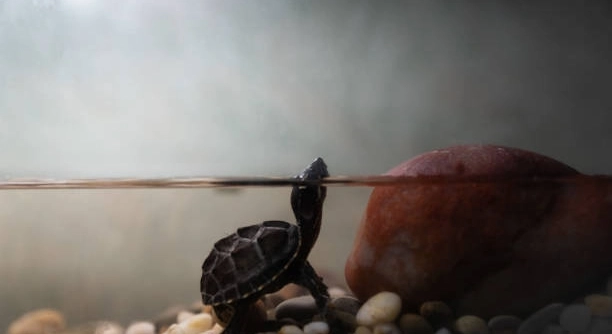
Adopting a Musk Turtle can be a rewarding experience, but it requires proper care and understanding. These aquatic reptiles need a specific environment to thrive. Knowing what to expect is key to providing the right home for them.
Musk Turtles are small, aquatic turtles that require a balanced habitat with both water and land areas. They are low-maintenance compared to other pets but need appropriate water filtration, temperature, and diet to stay healthy and active.
There are several key factors to consider before adopting one, from their diet to their living space. Proper preparation will ensure both you and your new pet enjoy a long, happy relationship.
Choosing the Right Habitat for Your Musk Turtle
A proper habitat is crucial for the well-being of your Musk Turtle. They need a clean, spacious tank with both water and dry areas. The water should be deep enough for swimming, while a dry area allows them to rest and bask. Filtration is essential for maintaining clean water, as Musk Turtles are sensitive to poor water quality. An underwater filter will help prevent toxins from accumulating. The temperature of the water should be kept between 75°F and 80°F, while the basking area should be slightly warmer. Proper lighting is also important, as UVB light helps them metabolize calcium, preventing health issues.
Musk Turtles also appreciate hiding spots in their tank, such as rocks or plants, which mimic their natural environment. Ensuring your turtle feels safe and comfortable will make a big difference in its behavior and health. Make sure to choose a tank size that gives your turtle enough space to swim and explore, with extra room to grow.
When setting up the habitat, be mindful of the turtle’s needs and ensure the environment is safe and easy to maintain. A proper tank setup will help your Musk Turtle thrive and stay happy.
Feeding Your Musk Turtle
Musk Turtles are omnivores, eating both plant matter and small aquatic creatures. They need a varied diet to remain healthy, including commercially available turtle pellets, small fish, insects, and vegetables. Musk Turtles can also eat worms and snails, providing them with the protein they require.
Tank Maintenance
Regular tank maintenance is necessary for a healthy Musk Turtle. Clean the tank and change the water every week to avoid the buildup of waste. A proper filtration system helps maintain water quality, but you should still monitor the water conditions regularly. Use a water test kit to ensure the water stays at optimal levels for your turtle’s health. Clean the basking area as well, removing any debris or food remnants to keep everything hygienic.
It’s important to scrub the tank decorations and hiding spots weekly to remove any algae or dirt. This will prevent mold or harmful bacteria from developing. Keep the tank lid secure to avoid any escapes, as Musk Turtles are known to be good climbers. Cleaning the filter monthly will ensure it’s working effectively and providing the water quality needed. While cleaning, also check for any damage to the tank or equipment, addressing issues before they become problems.
Musk Turtles are sensitive to poor water conditions, so regular maintenance is crucial. Establishing a cleaning routine will keep your turtle’s environment safe and reduce the risk of health problems caused by poor hygiene. Regular maintenance will also make tank upkeep feel less overwhelming over time.
Temperature and Lighting
Musk Turtles require proper temperature control to thrive. The water temperature should be kept between 75°F and 80°F to allow for optimal digestion and metabolism. A heater with a thermostat is a good option for maintaining consistent water temperature. The basking area should be slightly warmer, around 85°F to 90°F. This warmth helps them regulate their body temperature.
Lighting plays a vital role in your turtle’s health. Provide a UVB light over the basking area, as it helps your turtle process calcium and prevents shell deformities. The UVB light should be left on for 10 to 12 hours each day to mimic a natural day and night cycle. In addition, ensure the basking area has a heat source, such as a basking bulb, to maintain the right temperature for your turtle to rest.
Regulating both the temperature and lighting in your turtle’s tank creates a comfortable and healthy environment. With the right conditions, your Musk Turtle will thrive, leading to a happier and more active pet.
Handling and Interaction
Musk Turtles are shy by nature and may not enjoy being handled frequently. It’s best to limit physical interaction to necessary tasks like cleaning or transferring to a new tank. When handling, do so gently, supporting the turtle’s body to avoid stress or injury.
Frequent handling can cause anxiety in Musk Turtles, so keep their interactions to a minimum. They are more comfortable when left undisturbed in their environment. Over time, they may become more tolerant, but it’s important to respect their boundaries and give them time to adjust to their surroundings.
Health and Monitoring
Keeping a close eye on your Musk Turtle’s health is important for preventing issues. Look for signs of illness such as lethargy, lack of appetite, or irregular swimming. If these occur, check the water conditions and their diet first, as poor water quality or a poor diet can lead to health problems.
If symptoms persist, it’s best to consult a vet with experience in reptiles. Routine check-ups can help catch potential issues early, making treatment easier. A healthy Musk Turtle will be active and eat regularly, so any changes in behavior should be noted promptly.
Common Issues and Solutions
One common issue with Musk Turtles is shell rot, which can be caused by poor water quality or injury. Regular tank maintenance and keeping the water clean will help prevent this. If shell rot occurs, consult a vet for treatment. Another issue is improper diet, which can lead to malnutrition or calcium deficiency.
FAQ
What size tank do Musk Turtles need?
Musk Turtles need a minimum of a 40-gallon tank for one turtle. However, larger tanks are always better, as they allow for more swimming space and a cleaner environment. A 55-gallon tank is ideal, especially if you plan on adding more turtles in the future. Remember to factor in both water and land areas to accommodate their natural behavior.
How often should I feed my Musk Turtle?
Musk Turtles should be fed every other day. Overfeeding can lead to obesity and poor water quality. Offer a varied diet that includes pellets, fish, insects, and leafy greens. Young turtles may need slightly more frequent feedings, but adults can typically go every other day. Avoid leaving uneaten food in the tank for too long.
Can Musk Turtles live with other turtles?
Musk Turtles are territorial and may not always get along with other turtles. If you choose to keep multiple turtles together, ensure their tank is large enough to give each one its own space. Monitor their interactions closely for signs of aggression or stress. It’s best to keep them with others of similar size to avoid bullying.
What temperature should the water be in my Musk Turtle’s tank?
Musk Turtles need water that is kept between 75°F and 80°F for optimal health. You can use an aquarium heater with a thermostat to maintain this temperature. It’s important to keep the water stable, as fluctuations can stress the turtle and affect its metabolism. Additionally, the basking area should be slightly warmer, around 85°F to 90°F.
Do Musk Turtles need UVB lighting?
Yes, UVB lighting is essential for Musk Turtles. It helps them metabolize calcium and prevents shell deformities. Make sure the UVB light is placed over the basking area, and keep it on for 10-12 hours a day. The light should be replaced every six months, even if it still appears to be working, as UVB radiation decreases over time.
Can Musk Turtles eat fruits and vegetables?
Musk Turtles are omnivores and can enjoy fruits and vegetables, but these should be offered in moderation. Leafy greens like kale, dandelion greens, and collard greens are great options. Occasionally, you can offer fruits like strawberries or apples as a treat. Avoid sugary fruits or vegetables with high water content, like cucumbers.
What should I do if my Musk Turtle isn’t eating?
If your Musk Turtle refuses to eat, check the water quality and temperature. Poor water conditions or a tank that is too cold can cause a loss of appetite. Also, ensure the turtle’s diet is varied and nutritious. If the turtle still isn’t eating, a visit to the vet is recommended to rule out health issues.
How do I know if my Musk Turtle is sick?
Signs of illness in Musk Turtles include lethargy, loss of appetite, difficulty swimming, or swollen eyes. If you notice any changes in behavior, check the water quality and make sure the tank conditions are optimal. If the symptoms persist, consult a veterinarian who specializes in reptiles for diagnosis and treatment.
Can I handle my Musk Turtle?
Musk Turtles are generally shy and may not enjoy being handled. Frequent handling can cause stress and lead to health problems. Only handle your turtle when necessary, such as during tank cleaning or transferring to a new enclosure. Always be gentle and support the turtle’s body properly.
How do I clean the tank of my Musk Turtle?
To clean the tank, remove the turtle and any decorations or rocks. Use a siphon or bucket to remove the water and replace it with fresh water. Clean the tank walls with a sponge or scraper to remove algae and dirt. Check the filter monthly, cleaning or replacing it as needed to maintain clean water.
What should I do if my Musk Turtle escapes?
Musk Turtles are good climbers and may attempt to escape if the tank lid isn’t secure. If your turtle escapes, check the surrounding area thoroughly and look for any gaps or openings where it may have gotten out. Consider adding a secure lid with locks to prevent future escapes.
How long do Musk Turtles live?
Musk Turtles can live for up to 30 years in captivity with proper care. Providing them with a proper diet, clean water, and a safe environment will help ensure a long, healthy life. Regular health check-ups and maintaining optimal living conditions will keep your turtle happy and thriving for years.
How fast do Musk Turtles grow?
Musk Turtles grow slowly over time, typically reaching maturity at around 5 to 10 years. When young, they grow faster, but as adults, their growth rate slows significantly. Ensure they have enough space to grow and thrive, and be patient as they slowly reach their full size, which can be about 4 to 5 inches.
Can Musk Turtles swim in any type of water?
Musk Turtles need clean, fresh water to swim. Tap water should be treated with a water conditioner to remove chlorine and chloramines, which can be harmful. Avoid using water from lakes or ponds, as it may contain harmful bacteria or parasites. Regularly monitor the water’s pH and temperature to ensure it remains safe for your turtle.
Are Musk Turtles noisy?
Musk Turtles are generally quiet creatures. They don’t make noise like some other pets, such as dogs or birds. However, they may make soft hissing or snorting sounds if they feel threatened or startled. These noises are typically rare and usually indicate stress or discomfort. Keep their environment calm to avoid unnecessary stress.
Final Thoughts
Adopting a Musk Turtle requires commitment, attention to detail, and understanding of their specific needs. These turtles thrive in clean, spacious environments with proper lighting, temperature, and water conditions. A balanced diet, regular tank maintenance, and monitoring their health are crucial to ensuring they live a long, healthy life. Despite their small size, Musk Turtles require a good amount of care and can live for several decades with the right conditions.
It’s important to remember that Musk Turtles are shy creatures. They may not appreciate frequent handling and prefer to be left undisturbed in their environment. This natural behavior is something to keep in mind when considering their care. Providing them with a suitable tank setup that includes both aquatic and dry spaces, as well as a reliable filtration system, will ensure their well-being. It’s also helpful to be patient with their gradual adjustment to new surroundings, as they can be sensitive to changes in their environment.
By following the proper care guidelines and making sure their habitat is optimized, Musk Turtles can thrive in captivity. Ensuring a balanced diet, maintaining clean water, and giving them plenty of space will create a comfortable and stress-free home. Whether you are new to owning reptiles or an experienced pet owner, a Musk Turtle can be a rewarding companion. Just remember to prioritize their needs and maintain a consistent care routine to support their health and happiness over the long term.

Hello,
If you enjoy the content that we create, please consider saying a "Thank You!" by leaving a tip.
Every little bit helps us continue crafting quality advice that supports the health, happiness, and well-being of pets around the world, for pets of all shapes, sizes, and species.
We really appreciate the kindness and support that you show us!