
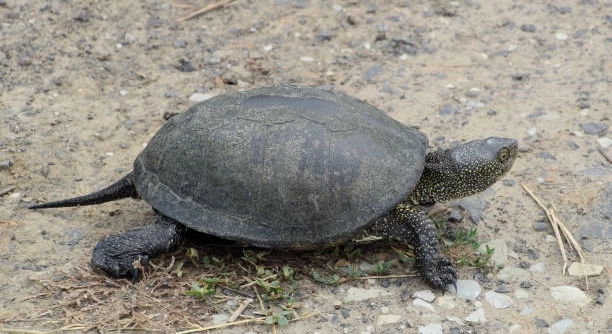
Musk turtles are fascinating creatures, known for their strong, musky odor. Understanding why they produce this smell can help ensure proper care for these unique pets. In this article, we will explore the reasons behind this natural scent.
Musk turtles emit a strong odor as a defense mechanism. This scent is produced by glands near their tail and helps ward off potential threats in the wild. It is a normal and instinctive behavior for the species.
The reasons behind the musk turtle’s odor are not only tied to their natural defense but also to their habitat and behavior.
Why Do Musk Turtles Smell?
Musk turtles produce a strong, musky odor from glands near their tail. This scent serves as a defense mechanism to deter predators. In the wild, many animals rely on similar strategies to stay safe. When threatened, the musk acts as a warning signal. Though this smell may seem unpleasant, it is an essential aspect of their survival. It’s important to remember that this behavior is entirely natural and nothing to worry about.
Musk turtles often produce the odor when they feel stressed or threatened. This behavior is common when they are handled or disturbed in their environment.
The smell may seem overwhelming, but it typically fades after a short time. It’s important to ensure that the turtle’s living conditions are not too stressful. A well-maintained tank with proper filtration will help minimize the chances of excessive odor. Providing a comfortable environment also reduces the need for the turtle to produce the musk as often. Regular tank cleaning is essential to keep the odor in check and ensure the turtle’s well-being.
Other Causes of Strong Odor in Musk Turtles
Though the primary cause of the odor is the defense mechanism, other factors can contribute to the smell. Musk turtles may also produce a strong scent if they are sick, stressed, or have poor living conditions. When turtles are unwell, their body functions change, and the scent may become more pronounced. For instance, an imbalance in their diet or a problem with their shell health could cause them to release more musk. Additionally, when turtles are housed in overcrowded tanks or environments that are too small, they may become anxious and more likely to emit a strong odor. Keeping your turtle’s habitat clean and providing adequate space will help reduce stress and minimize the need for excessive musking.
Another factor contributing to the odor can be poor water quality. If the water in the turtle’s habitat isn’t changed regularly, waste and bacteria can build up. This could lead to an unpleasant smell as well. To prevent this, ensure the tank is properly filtered and cleaned on a regular basis. A good filtration system will help maintain the water quality, keeping both the turtle and its environment clean and odor-free. Additionally, ensuring the turtle is on a balanced diet and has adequate space can reduce stress levels, which may lead to less musking overall. Regular monitoring of your turtle’s health will also ensure that no underlying issues are causing the smell to persist.
How to Minimize Odor in Musk Turtles’ Enclosures
To reduce odor, maintain a clean and properly filtered tank. Regular water changes are essential to remove waste buildup. Keeping the tank free from excess food and debris will also help minimize the smell.
A good filtration system helps keep water quality high, preventing bad odors from lingering. Make sure to clean the tank every two weeks, removing any waste that may accumulate. This regular maintenance ensures a cleaner environment for your turtle and reduces the chances of unpleasant smells. Use a reliable filter that matches the size of the tank to ensure effective water circulation.
In addition to water changes, removing uneaten food promptly will also help keep the odor under control. Feeding your turtle the right amount of food will prevent leftovers from decaying in the tank. Avoid overfeeding, as excess food leads to water contamination. Pay attention to the type of food you offer, as some items may produce more odor when decaying. Keep the enclosure dry and clean to maintain the best environment for your turtle, reducing the risk of strong smells.
The Importance of Proper Diet
Feeding your musk turtle a balanced diet is key to maintaining its health and odor levels. Proper nutrition can help reduce the odor caused by unbalanced food intake.
Musk turtles thrive on a diet consisting of protein, vegetables, and some fruits. Ensure you feed them high-quality turtle pellets, along with occasional live or frozen foods like insects and fish. A varied diet helps support their overall health and reduces stress. Avoid feeding them food that is too rich or fatty, as this can upset their digestive system and lead to stronger odors. Proper feeding habits help in balancing their natural scent production.
Additionally, offering your turtle clean, fresh food reduces the chances of excess odor from decaying or uneaten items. Be mindful of the food’s freshness and discard any leftover food promptly. This practice prevents food from rotting in the tank and creating more smell. Proper portion control is important to avoid overfeeding, which can contribute to an unpleasant environment.
The Role of Tank Size in Odor Control
A larger tank offers more space, which helps in reducing odor by dispersing the smell and making it easier to manage waste. Small, crowded tanks increase stress levels, which can lead to more musk being released.
The more room your turtle has to move around, the less likely it is to feel stressed. A spacious tank reduces the chances of aggressive behavior and excessive musking. It’s important to ensure the tank is large enough for the turtle to swim and explore comfortably. Providing proper space helps in preventing odor buildup.
Water Temperature and Its Effect on Odor
Water temperature plays a significant role in a turtle’s overall health and odor production. Maintaining the right temperature helps reduce stress and promotes proper digestion.
Turtles are sensitive to extreme water temperatures. If the water is too warm or cold, it can cause stress and make them more likely to release musk. Keep the tank temperature within the recommended range, usually between 75°F and 85°F, to help your turtle feel comfortable and reduce the chances of excessive musking. Proper water heating also supports digestion, leading to a healthier turtle.
FAQ
Why do musk turtles produce such a strong odor?
Musk turtles release a strong odor as a defense mechanism. The glands near their tail produce a musky scent when they feel threatened. This scent helps ward off predators in the wild. Though it may seem unpleasant, it is a natural and instinctive behavior.
How can I reduce the smell from my musk turtle’s enclosure?
To reduce odor, maintain a clean and well-filtered tank. Change the water regularly, and remove any uneaten food promptly. Make sure the tank is not overcrowded, and clean the filter often. A clean environment will help control the smell and keep your turtle healthy.
Does the water quality affect the odor?
Yes, poor water quality can contribute to stronger odors. If the water is not changed regularly, waste and bacteria build up, which can create an unpleasant smell. A good filtration system and regular water changes will help keep the water fresh and minimize odors.
Can stress increase the musky odor in musk turtles?
Yes, stress can cause musk turtles to release more odor. Overcrowding, poor living conditions, or improper handling can cause stress and trigger musk production. Ensuring the turtle’s environment is calm and providing enough space will help reduce stress and prevent excessive odor.
How often should I clean my musk turtle’s tank?
It is recommended to clean the tank every two weeks. This includes changing the water and removing debris or waste. Regular cleaning ensures the tank stays fresh and reduces the chances of foul odors developing. If your turtle produces more musk, cleaning more frequently may be necessary.
What kind of diet helps minimize odor?
A balanced diet with high-quality turtle pellets, vegetables, and occasional protein sources, like insects or fish, will help minimize odor. Avoid overfeeding, as this can cause waste to build up faster and lead to stronger smells. Proper portion control is essential for maintaining a clean environment.
Is it normal for musk turtles to produce an odor all the time?
No, it is not normal for musk turtles to emit odor constantly. They generally produce the scent only when stressed, threatened, or feeling unwell. If your turtle is releasing odor regularly, it may indicate stress or health issues that need to be addressed.
How can I make sure my musk turtle’s living environment is stress-free?
To ensure your musk turtle is comfortable, provide a tank large enough for swimming and exploration. Keep the water temperature within the recommended range and ensure the tank is well-filtered. Avoid handling your turtle too much, as excessive handling can cause stress and lead to more musking.
Can water temperature affect the smell?
Yes, improper water temperature can cause stress, leading to an increase in odor. Ensure the tank is heated to the correct temperature, typically between 75°F and 85°F, to help your turtle feel comfortable and reduce the chances of excessive musking. The correct water temperature also promotes better digestion and overall health.
What other signs should I watch for if my turtle is stressed?
Apart from releasing a musky odor, stressed turtles may exhibit signs like swimming erratically, hiding frequently, or not eating. If your turtle is constantly hiding or seems lethargic, it might be a sign of stress. Addressing the living conditions and ensuring a peaceful environment can help reduce these behaviors.
Does the tank size affect how much odor the turtle produces?
Yes, the tank size directly impacts the odor. A smaller, overcrowded tank increases stress, which can cause more musk production. A larger tank allows for more space, reducing stress and helping to keep the environment fresh. Make sure the tank is spacious enough to allow the turtle to move freely.
Can the musky smell affect the health of my turtle?
The musky smell itself does not harm the turtle, but it can indicate underlying stress or health issues. If the odor is frequent or persistent, it could be a sign that the turtle is unwell or its environment needs improvement. Keeping the tank clean and monitoring the turtle’s health is essential for its well-being.
Final Thoughts
Musk turtles are fascinating creatures, but their ability to release a strong odor can be a challenge for owners. This musky scent is a natural defense mechanism that helps them stay safe in the wild. While the odor may seem unpleasant, it is important to understand that it is part of their behavior. Addressing the underlying causes of musking, such as stress or water quality, can help reduce the frequency and intensity of the smell.
Keeping a musk turtle’s environment clean and well-maintained is essential to minimizing odor. Regular water changes, a good filtration system, and proper feeding habits all contribute to a healthier habitat for your turtle. Overcrowding the tank or failing to remove uneaten food can cause waste buildup, which can lead to stronger smells. Providing your turtle with enough space, a proper diet, and a peaceful environment is the best way to reduce stress and musking.
Understanding your turtle’s needs and behavior will help you provide the best care. While musk is a natural part of their existence, it doesn’t have to be a constant issue. By ensuring proper tank maintenance and reducing stressors, you can create a comfortable environment for your turtle and minimize the odor. This approach not only helps reduce musking but also improves your turtle’s overall health and well-being.

Hello,
If you enjoy the content that we create, please consider saying a "Thank You!" by leaving a tip.
Every little bit helps us continue crafting quality advice that supports the health, happiness, and well-being of pets around the world, for pets of all shapes, sizes, and species.
We really appreciate the kindness and support that you show us!