
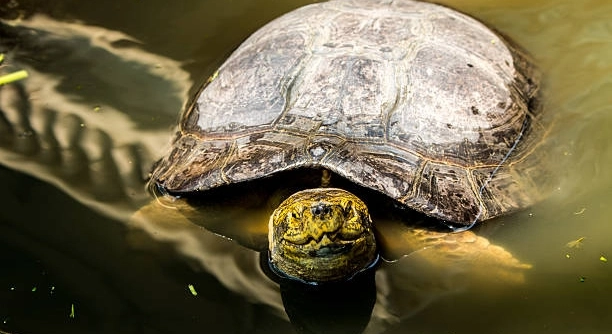
Musk turtles experience several seasonal changes that affect their behavior and environment. Understanding these shifts can help ensure they thrive in their habitats throughout the year.
Musk turtles undergo various seasonal changes, including adjustments in their activity levels, diet, and hibernation patterns. Temperature fluctuations and changes in water quality play a significant role in shaping their behavior and biological functions during different seasons.
These seasonal changes have a significant impact on your turtle’s health and behavior.
Activity Level Changes
As the seasons shift, the musk turtle’s activity levels adjust accordingly. During the warmer months, they tend to be more active, basking in the sun and swimming around their environment. However, as temperatures drop in the fall, their activity decreases, and they begin to prepare for hibernation. Musk turtles typically reduce their feeding habits and spend more time resting. This slowdown is a natural response to the cooling temperatures, signaling the start of the colder months.
As temperatures continue to fall, your musk turtle will become more sluggish and less inclined to move around.
It’s essential to create an environment that mimics these natural seasonal changes to keep your turtle comfortable. This can include adjusting water temperature and ensuring they have a suitable hiding spot. Some owners even use specialized lighting to help regulate their turtle’s environment.
Changes in Diet
Musk turtles’ feeding habits shift with the seasons. During warmer months, they eat more actively, often consuming a variety of proteins and vegetables. As the weather cools, their appetite diminishes, and they rely more on stored fat. These changes are important for their health.
Hibernation Preparation
As winter approaches, your musk turtle will start preparing for hibernation. This behavior typically begins when water temperatures drop below 50°F (10°C). They instinctively begin to slow down and reduce food intake, signaling that their bodies are preparing for a period of dormancy. It is important to create an environment conducive to this behavior, such as lowering the water temperature gradually to avoid shock.
During this time, your turtle may burrow or hide, conserving energy. It’s essential to avoid disturbing them unless necessary. If your turtle shows signs of not eating or moving around much, it is a normal part of their hibernation cycle.
Some musk turtles, particularly those in captivity, may not hibernate in the traditional sense. However, mimicking these changes helps maintain a healthy environment, even if they remain active in milder climates.
Water Quality Changes
As the temperature drops, the water quality of your turtle’s environment can shift as well. Cooler water may lead to reduced oxygen levels, which can affect their breathing and overall health. Keeping the water clean and well-filtered is critical during colder months. Regular water changes will help maintain a healthy environment, especially as your turtle’s metabolism slows.
To help improve the water quality, make sure you are using a reliable filtration system that can handle the lower temperatures without overworking. Additionally, monitor the water temperature closely and avoid sudden temperature fluctuations. Keeping the environment stable and clean will help support your turtle’s health as it goes through seasonal changes.
Changes in Behavior
As temperatures fluctuate, you may notice changes in your musk turtle’s behavior. During warmer months, they tend to be more active, exploring their surroundings and basking frequently. As the temperature cools, they may become more lethargic, staying in their hiding spots for extended periods.
It’s important to understand that these changes are entirely natural and part of their seasonal rhythm. If your turtle becomes less active, it does not necessarily indicate a health issue. However, if they show signs of distress, it’s best to consult a vet to ensure everything is okay.
Shedding Patterns
Seasonal changes also affect the shedding patterns of musk turtles. They tend to shed more frequently in warmer months, as their skin naturally regenerates in response to higher activity levels. In colder months, the shedding slows down considerably, aligning with their decreased activity. Proper humidity and water quality can help ensure a smooth shedding process during these times.
FAQ
How can I tell if my musk turtle is ready to hibernate?
Musk turtles show clear signs when they’re preparing for hibernation. They start eating less, become more sluggish, and spend more time hiding. Lowering their water temperature to around 50°F (10°C) can encourage hibernation. However, not all musk turtles hibernate, especially in captivity with regulated temperatures. Observe their behavior closely to determine if they’re slowing down naturally.
What should I do if my musk turtle stops eating during the winter?
A decrease in appetite during colder months is normal as musk turtles prepare for hibernation. If the water temperature is lowered appropriately, they may not eat at all. However, if they refuse food for an extended period and show other signs of distress, it’s best to consult a veterinarian.
How do I care for my musk turtle during the winter months?
In the winter, musk turtles need a stable environment. Ensure the water temperature is gradually lowered and avoid sudden changes. Keep the water clean, as lower temperatures can affect water quality. Check that your turtle’s hiding spots are accessible, as they may spend more time in these areas to conserve energy.
Can I continue to feed my musk turtle in the winter?
You can feed your musk turtle in winter, but the amount will likely be less. As they enter a more dormant phase, their appetite will naturally decrease. Offer them a smaller amount of food, and if they’re not interested, reduce feeding frequency. If they show signs of not eating for a long period, consult a vet.
Do I need to adjust the lighting for my musk turtle in winter?
Yes, adjusting the lighting can be beneficial during colder months. Shorter days signal to your musk turtle that it’s time to slow down. Consider using a timer to mimic the natural day-night cycle, providing your turtle with 10-12 hours of light each day. This helps regulate their behavior and ensures they feel the seasonal shift.
What water temperature is best for my musk turtle during the colder months?
During winter, musk turtles do best in water temperatures around 50°F (10°C) to 60°F (15°C). You should avoid drastic changes in temperature. Slowly lower the water to prevent shock, as sudden shifts can cause stress. If your turtle remains active, a warmer temperature can be maintained, but it should never exceed 70°F (21°C) for extended periods.
Is it necessary for my musk turtle to hibernate?
Hibernation is natural for musk turtles, but not all of them will hibernate, especially in captivity. If your turtle is in a controlled environment where the temperature stays constant, they may not go into full hibernation. However, mimicking seasonal changes by lowering the water temperature can still provide health benefits and help maintain their natural rhythm.
How can I tell if my musk turtle is sick during the colder months?
During colder months, it can be harder to distinguish between natural behavior changes and signs of illness. Look for signs like abnormal swimming, difficulty breathing, or swelling. If your turtle is lethargic beyond the typical winter slow-down or refuses to eat for an extended period, it’s time to consult a vet.
Can I keep my musk turtle outside during winter?
In most cases, it’s not safe to keep your musk turtle outside during winter. They are more sensitive to extreme cold and may struggle to regulate their body temperature. In colder climates, it’s safer to house them indoors in an appropriately sized tank where you can control the water temperature and lighting.
What should I do if my musk turtle is not shedding properly?
Musk turtles typically shed during the warmer months, but if they are not shedding properly, it could be due to low humidity or poor water quality. Ensure the tank’s humidity and water conditions are appropriate. If shedding problems persist, it’s important to seek advice from a vet to rule out any underlying health issues.
Final Thoughts
Understanding the seasonal changes that affect your musk turtle is key to providing the best care for them. As temperatures shift, their activity levels, feeding habits, and behavior will naturally change. Recognizing these signs early on can help you create a comfortable environment that supports their health throughout the year. Whether it’s adjusting the water temperature, offering food in moderation, or allowing them the space to rest, simple changes can make a big difference in how they respond to the changing seasons.
While hibernation may not always be necessary for your musk turtle, it’s important to respect their natural cycle. Slowing down during the colder months is a typical behavior for many turtles, and forcing them to remain active could cause unnecessary stress. Providing a stable, quiet space for them to relax can help ease this transition. Monitoring the water quality and ensuring that they have access to the right amount of light can also play a crucial role in maintaining their overall well-being during winter.
By staying in tune with your turtle’s needs and behavior, you can ensure they remain healthy and comfortable year-round. Regular observation and adjustments to their environment are simple but effective ways to keep them in top condition. Ultimately, maintaining a proper balance of warmth, food, and rest is all you need to provide for your musk turtle as they experience the changes each season brings.

Hello,
If you enjoy the content that we create, please consider saying a "Thank You!" by leaving a tip.
Every little bit helps us continue crafting quality advice that supports the health, happiness, and well-being of pets around the world, for pets of all shapes, sizes, and species.
We really appreciate the kindness and support that you show us!