
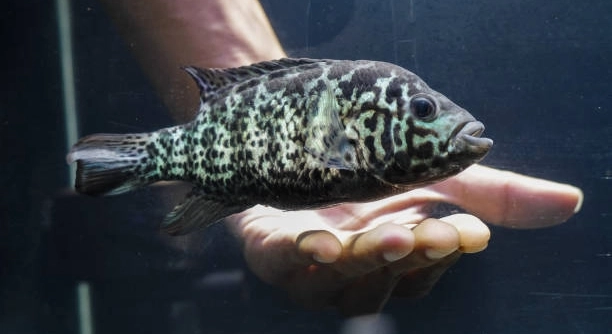
Jack Dempsey fish are known for bold behavior, and glass biting often surprises many aquarium keepers observing their tanks at home. This habit can signal stress, curiosity, or territorial instincts developing within captive environments settings.
Glass biting in Jack Dempsey fish primarily results from territorial aggression, environmental stressors, and reflective surfaces. These factors trigger defensive displays where the fish perceives its reflection as a rival, leading to repeated biting behaviors against the aquarium walls surfaces.
By understanding these causes, aquarium owners can improve tank conditions and support calmer behavior through informed, practical care adjustments methods.
Environmental Stress and Tank Conditions
I have noticed that Jack Dempsey fish often react strongly to changes inside their tanks. Glass biting commonly appears when the aquarium feels unstable or overstimulating. Small tanks limit swimming space and increase tension. Poor water quality, incorrect temperature, and inconsistent lighting also raise stress levels. When stress builds, these fish may display aggressive behaviors toward anything nearby, including glass surfaces. Reflections worsen the situation because the fish believes another dominant presence has entered its territory. Rearranging decorations too often can also disrupt established boundaries. Loud surroundings and sudden movements near the tank further contribute to agitation. Jack Dempsey fish thrive in stable, predictable environments. Without that stability, defensive reactions become more frequent and intense. Addressing environmental balance is essential for reducing repeated glass biting and encouraging healthier, calmer behavior overall. Consistency in care routines supports long term comfort and reduces visible signs of distress in captivity for these fish.
This behavior is rarely random. It usually reflects unmet needs within the tank environment. Once conditions improve, the fish often calms down. Observing patterns helps identify specific stress sources. Small adjustments made consistently can create noticeable behavioral improvements over time without overwhelming the fish further during daily care routines periods.
Providing proper space is one of the most effective solutions. A larger tank allows Jack Dempsey fish to establish territory without constant conflict. Maintaining stable water parameters is equally important. Regular testing prevents sudden shifts that increase stress. Adding visual barriers like plants and rocks reduces reflections and creates hiding areas. Limiting sudden movement near the tank also helps. I have found that steady routines and minimal changes promote calmer behavior. Over time, these adjustments support a healthier environment and reduce aggressive displays toward the glass consistently when environmental needs are respected and maintained properly by attentive aquarium keepers daily.
Social Factors and Behavioral Triggers
Social dynamics also influence glass biting behavior. Jack Dempsey fish are naturally assertive. Housing them with incompatible tank mates increases tension. Even isolation can cause frustration. Balanced stocking choices and thoughtful placement help prevent overstimulation and reduce defensive reactions toward reflective surfaces within enclosed aquarium settings over time periods overall.
Understanding individual temperament is important when managing this behavior. Some Jack Dempsey fish are more reactive than others due to genetics and early conditions. Observing daily habits helps determine triggers. Feeding schedules should remain consistent, as irregular feeding can increase agitation. Providing enrichment through structured layouts encourages exploration rather than fixation on reflections. Lighting should remain moderate and predictable to avoid startling responses. I prefer using background covers to limit mirror effects. This simple change often lowers defensive displays. Tank placement within the home also matters. High traffic areas expose the fish to constant motion, which can heighten stress. Quiet locations promote relaxation. Gradual changes are always better than sudden adjustments. When improvements are introduced slowly, the fish adapts more easily. Over time, patience and consistency shape calmer responses. Glass biting usually decreases as the environment becomes more supportive and secure for the fish. This process requires observation, restraint, and commitment from the caretaker. I have learned that rushing solutions often delays progress. Allowing the fish to settle builds trust within its space. Consistent care supports behavioral balance and encourages long term stability while reducing repeated stress responses over extended periods of time in captivity settings gradually overall wellness improves.
Reflections and Tank Placement
Glass biting often increases when reflections are strong. Clear glass, bright lighting, and bare tanks create mirror effects. The fish reacts defensively to its own image. Reducing reflections lowers perceived threats and helps the fish feel more secure. Backgrounds and strategic décor placement make a noticeable difference over time consistently.
Tank placement inside the home directly affects behavior. Aquariums near televisions, doors, or busy walkways expose Jack Dempsey fish to constant motion. This stimulation keeps them alert and reactive. Placing the tank in a quieter area reduces visual stress. Using a dark background limits reflections. Floating plants soften overhead light. Adjusting lighting schedules prevents sudden brightness changes. I have seen calmer behavior after moving tanks away from activity. These adjustments do not require expensive equipment. Small placement changes can reduce repeated glass biting when combined with stable water conditions. Consistency remains essential for lasting improvement and behavioral balance over time.
Simple modifications inside the tank also help. Adding rocks, driftwood, and plants breaks sightlines. These features give the fish areas to retreat and rest. Territorial boundaries become clearer. Rearranging décor too often should be avoided. Stability matters more than constant upgrades. I prefer gradual changes spaced weeks apart. This approach prevents stress spikes. Combined with proper filtration and temperature control, environmental balance improves. As stress decreases, aggressive displays toward the glass often fade naturally without further intervention. Patience allows the fish to adjust fully and regain predictable, calmer behavior patterns over time within its established territory inside the aquarium environment.
Feeding Habits and Owner Interaction
Feeding habits influence aggression levels. Inconsistent feeding times create anticipation and agitation. Overfeeding increases territorial behavior. Jack Dempsey fish respond best to routine schedules. Offering balanced portions reduces competition instincts. I stick to predictable feeding windows. Removing uneaten food keeps water quality stable. When feeding becomes reliable, the fish shows fewer reactive movements toward the glass throughout the day. This structure supports behavioral stability and reduces stress responses over extended periods in captivity settings daily.
Owner interaction plays a quiet but important role. Frequent tapping on glass triggers defensive reactions. Sudden movements close to the tank increase alertness. I avoid unnecessary interaction during resting periods. Observing from a distance builds trust. Maintenance should follow consistent timing. Hands entering the tank abruptly can raise stress. Moving slowly during cleaning helps. Over time, the fish learns predictable patterns. This reduces perceived threats. Balanced interaction supports calmer behavior. Respecting the fish’s space matters. When boundaries are honored, glass biting declines naturally. Stability in care routines strengthens long term comfort. I have noticed patience creates visible improvement without forcing change. This approach aligns with the species natural behavioral tendencies in captivity and reduces unnecessary stress over time through consistent, respectful daily care practices applied.
Tank Size and Space Needs
Limited space increases frustration and defensive behavior. Jack Dempsey fish require ample room to establish territory. Small tanks compress boundaries and heighten aggression. Glass becomes an outlet for that tension. Increasing tank volume reduces pressure and allows natural movement patterns to develop more comfortably over time with consistent care routines.
I have found larger tanks create calmer behavior. A minimum of fifty gallons supports stability. More space lowers visual confrontation and reduces reflection fixation. Fish patrol broader areas instead of focusing on glass. Adequate space also improves water quality consistency and reduces maintenance stress during long term aquarium care routines.
Lighting and Visual Stimulation
Lighting intensity strongly affects glass biting. Bright, prolonged lighting amplifies reflections and alert behavior. Inconsistent schedules cause stress responses. I prefer moderate lighting with a fixed daily cycle. Using timers prevents sudden changes. Soft lighting reduces mirror effects and lowers defensive displays. Room lighting should match tank lighting to avoid contrast. Covering tank sides limits visual overload. Avoid placing tanks near windows with direct sunlight. Balanced lighting supports resting periods and predictable activity. When light exposure stabilizes, Jack Dempsey fish show fewer reactive movements and spend more time exploring décor calmly rather than confronting perceived threats within controlled aquarium environments.
Consistency in Daily Care
Daily consistency reinforces security. Regular maintenance schedules, stable parameters, and predictable routines reduce stress behaviors. Sudden changes often trigger defensive reactions. I focus on gradual adjustments only when needed. Over time, consistent care encourages calmer responses and limits glass biting episodes across changing conditions in captive aquarium environments over time.
Why does my Jack Dempsey fish suddenly start biting the glass?
Sudden glass biting usually links to a change in the environment. This can include lighting adjustments, tank cleaning, décor movement, or changes in water parameters. Jack Dempsey fish rely on stability. When something shifts, even slightly, the fish may react defensively. I have noticed this behavior increase after rearranging rocks or plants. Reflections also become more noticeable when lighting changes. The fish may believe another presence has appeared. Restoring consistency often reduces the behavior within days. Observing what changed before the biting started helps identify the cause more quickly.
Is glass biting a sign of aggression or stress?
Glass biting reflects both aggression and stress. These fish are territorial by nature, but stress amplifies their responses. Poor water quality, limited space, or excessive stimulation increase defensive behavior. When stress levels rise, the fish reacts more intensely to reflections or movement outside the tank. I see it as a signal rather than a problem itself. Addressing stress factors usually calms aggressive displays. Balanced conditions help the fish settle and reduce repeated reactions toward the glass.
Can glass biting harm my Jack Dempsey fish?
Repeated glass biting can cause physical and behavioral issues. Over time, the fish may damage its mouth or develop heightened anxiety. Constant alert behavior limits resting periods. I have observed fish become less active and more reactive when this behavior continues unchecked. While occasional biting is not immediately harmful, frequent repetition suggests an ongoing issue. Reducing triggers helps protect both physical health and behavioral balance long term.
Does tank size really affect glass biting behavior?
Tank size plays a major role. Smaller tanks restrict movement and compress territory. This increases tension and defensive displays. In larger tanks, Jack Dempsey fish establish boundaries more easily. I have seen glass biting decrease noticeably after upgrading tank size. More swimming space reduces fixation on the glass. Larger volumes also stabilize water parameters, which lowers stress. Space supports natural movement patterns and calmer behavior overall.
Will adding tank mates stop glass biting?
Adding tank mates does not guarantee improvement. In some cases, it increases stress. Jack Dempsey fish can become more territorial when sharing space. Incompatible species raise aggression levels. I recommend focusing on environmental balance first. If tank mates are considered, they should be carefully selected and introduced gradually. Monitoring behavior closely is essential. Glass biting caused by stress will not resolve simply through social changes.
How do reflections contribute to this behavior?
Reflections trigger defensive responses. Clear glass and bright lighting create mirror effects. The fish perceives its reflection as another dominant presence. This leads to repeated biting. I have reduced this behavior by adding backgrounds and adjusting lighting. Matching room lighting to tank lighting also helps. Breaking reflective surfaces inside the tank lowers perceived threats and supports calmer behavior patterns.
Can feeding habits influence glass biting?
Feeding habits strongly influence behavior. Inconsistent feeding times increase anticipation and agitation. Overfeeding raises aggression levels. I follow a strict feeding schedule and provide measured portions. This reduces stress and keeps behavior predictable. When feeding becomes reliable, the fish spends less time reacting to movement outside the tank. Routine supports emotional balance and reduces reactive displays toward the glass.
Does owner interaction affect glass biting?
Owner interaction has a clear impact. Frequent tapping, sudden movements, and hovering near the tank increase alertness. I avoid unnecessary interaction and observe quietly. Slow movements during maintenance reduce stress. Over time, the fish learns predictable patterns and becomes less reactive. Respecting boundaries helps build a sense of safety within the tank environment.
How long does it take for glass biting to stop after changes are made?
The timeline varies. Some fish respond within a few days, while others need weeks. Consistency matters more than speed. I focus on maintaining stable conditions without constant adjustments. Gradual improvements allow the fish to adapt fully. Rushing changes often delays progress. Patience supports long term behavioral improvement.
Should I be concerned if glass biting happens occasionally?
Occasional glass biting is not unusual. It often occurs during brief periods of stimulation. Concern arises when the behavior becomes frequent or intense. I monitor patterns rather than isolated incidents. If biting increases, I review tank conditions and routines. Early adjustments prevent long term stress. Consistent care usually keeps occasional behavior from becoming persistent.
Managing glass biting in Jack Dempsey fish comes down to recognizing patterns and responding with consistency. This behavior is rarely random and often reflects how the fish perceives its surroundings. When space feels limited, lighting feels intense, or routines change too often, stress responses increase. I have learned that even small adjustments can influence behavior in noticeable ways. Stable water parameters, predictable feeding times, and minimal disruptions create a sense of security. Over time, the fish becomes less reactive and more settled. Observing daily behavior without overcorrecting helps identify what truly needs adjustment. Patience plays a central role. Quick fixes rarely work if the environment remains unstable. A calm, steady approach supports healthier behavior and reduces repeated interaction with the glass.
Understanding the natural tendencies of Jack Dempsey fish also helps set realistic expectations. These fish are assertive and aware of their surroundings. Some level of display behavior is normal. The goal is not to eliminate all reactions but to reduce stress driven responses. I focus on balance rather than perfection. A well sized tank, appropriate décor, and controlled lighting go a long way. Placement within the home matters more than many realize. Reducing outside movement lowers constant alertness. Over time, the fish learns that its environment is predictable and safe. This sense of stability supports resting periods and reduces fixation on perceived threats. Behavioral improvement often happens gradually, which makes consistency more important than speed.
Long term success depends on routine and observation. I have found that maintaining simple, repeatable care practices produces better results than frequent changes. Each adjustment should have a clear purpose. Allowing time between changes helps the fish adapt fully. When glass biting decreases, it is a sign that stress levels are lowering. This reinforces the value of steady care. Every tank setup is different, and individual fish respond in their own way. Paying attention to those responses builds confidence in decision making. With thoughtful care, Jack Dempsey fish can thrive in captivity. Their behavior becomes more predictable, and the aquarium becomes a calmer space for both the fish and the caretaker.

Hello,
If you enjoy the content that we create, please consider saying a "Thank You!" by leaving a tip.
Every little bit helps us continue crafting quality advice that supports the health, happiness, and well-being of pets around the world, for pets of all shapes, sizes, and species.
We really appreciate the kindness and support that you show us!