
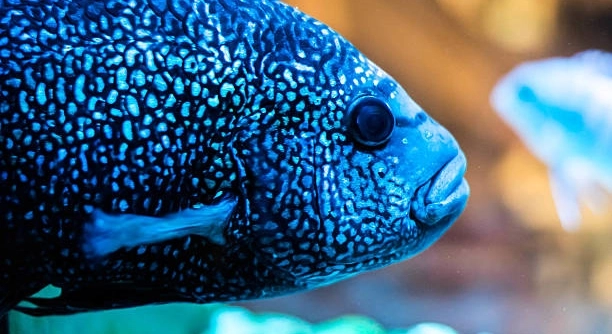
Jack Dempsey fish are colorful and lively, making them a favorite for many aquarium owners. Observing their behavior can be fascinating, especially when they start showing signs of readiness for breeding in a home tank.
Jack Dempsey fish will breed under the right conditions, including proper water parameters, a suitable tank environment, and healthy, mature fish of both sexes. Breeding requires careful attention to diet, behavior, and territorial cues to ensure success.
Knowing what to look for can make a big difference in encouraging successful breeding and maintaining a peaceful aquarium environment.
Understanding Jack Dempsey Maturity
Jack Dempsey fish usually reach sexual maturity around 12 to 18 months. At this stage, males begin showing more vibrant colors, especially along their fins and body. Females tend to round out slightly, with a softer, fuller appearance, which is important for egg development. Their behavior also shifts—they may start defending small areas in the tank or showing increased activity near hiding spots. Water quality plays a big role in this stage. Stable temperatures around 78–82°F and a pH near 7.0 create an environment that mimics their natural habitat. Diet is equally important. Providing a mix of high-protein foods like live or frozen worms and quality pellets supports growth and reproductive readiness. Observing these subtle physical and behavioral changes helps identify which fish are ready to pair. Knowing when your fish are mature prevents stress and encourages successful breeding. Patience during this stage ensures healthier, more active adults ready for reproduction.
Mature males often show a slight nipping behavior, which indicates their territorial instincts.
Paying attention to their physical changes and territorial patterns is key. Colors, fin shape, and body fullness all signal readiness. Observing without rushing allows the pair to establish bonds naturally. Overcrowding or inconsistent water conditions can delay this process. Regular monitoring ensures healthy fish and reduces aggression, making the breeding process smoother and more successful. Establishing a calm environment supports their natural instincts.
Recognizing Breeding Behavior
Breeding behavior is subtle at first. Males may clean a flat surface repeatedly, while females linger nearby.
Once a male selects a site, he vigorously fans it with his fins to remove debris. This behavior encourages the female to deposit eggs in a safe spot. Spawning often happens in the early morning. The female will release hundreds of eggs, and the male fertilizes them immediately. After fertilization, both parents guard the eggs, but the male is especially vigilant, chasing away intruders. Maintaining perfect water conditions during this period is critical, as eggs are highly sensitive. Observing these interactions closely allows you to support them properly, adjusting lighting, water changes, and feeding to match their natural rhythm. Noticing these behaviors early ensures a higher survival rate for the fry and reduces stress on the adult fish. Breeding Jack Dempseys requires patience, attention, and consistency in their environment.
After spawning, both parents remain protective for several days, ensuring the eggs are safe from disturbances.
Tank Setup for Breeding
A spacious tank with plenty of hiding spots makes breeding easier. Flat rocks or clay pots provide safe surfaces for egg-laying.
Water should be kept clean and stable, with temperatures around 78–82°F. Gentle filtration avoids disturbing eggs while keeping the environment healthy. Decorations help reduce aggression by giving fish boundaries. Substrate should be smooth or sand-based to prevent damage to eggs and fry. Avoid sudden changes in lighting or temperature, as Jack Dempseys are sensitive. Separating other fish can minimize stress and increase spawning success. Regular monitoring ensures the breeding pair remains comfortable.
Providing consistent feeding encourages reproductive behavior. High-protein foods like bloodworms, brine shrimp, and quality pellets support energy levels needed for spawning. Observing daily activity helps detect early signs of stress or aggression. Remove leftover food promptly to maintain water quality. Maintaining stable conditions, combined with proper diet, allows the pair to focus on breeding naturally. Tank setup and care directly impact whether eggs survive and fry thrive. Preparing the environment carefully prevents unnecessary loss and keeps adult fish healthy.
Keeping water parameters stable is crucial for fry development. Frequent testing and partial water changes maintain the proper pH and hardness.
Feeding and Nutrition
High-protein diets encourage spawning and improve egg quality. Live or frozen foods provide essential nutrients.
Feeding should be frequent but moderate. Overfeeding can pollute water, stressing adults and eggs. Pellets, worms, and small crustaceans offer a balanced diet. Nutrient-rich food enhances fertility and increases energy for parental care. Variety keeps fish healthy and encourages natural behaviors. Observation ensures all fish are eating well, preventing dominance issues during feeding times. Consistent nutrition supports coloration, activity, and overall readiness to breed.
Adjusting diet before and after spawning improves survival rates. Before breeding, increase protein intake to boost egg production. After spawning, continue feeding high-quality foods to maintain strength while guarding eggs. Supplementing occasionally with vitamins supports fry development. Avoid sudden diet changes, as stress can reduce spawning success. Feeding carefully and observing behavior ensures the adults stay healthy, attentive, and ready to protect their offspring effectively.
Signs of Pair Bonding
Males and females spend more time near each other, often circling or nudging gently.
Both fish may clean a chosen area together, showing coordination. This behavior signals mutual readiness for spawning.
Egg Laying and Fertilization
The female deposits eggs on a prepared surface while the male fertilizes them immediately. He fans the eggs constantly to provide oxygen and remove debris. Both parents guard the site, but the male is more protective, chasing any intruders. Proper water conditions and minimal disturbance are critical during this stage to ensure high egg survival and healthy fry development. Observing this process helps maintain ideal care routines, including gentle feeding and monitoring of water parameters. Parental attention usually continues for several days until the eggs hatch.
Fry Care
Fry should be separated or observed carefully to prevent accidental harm from adults.
FAQ
How long does it take for Jack Dempsey eggs to hatch?
Jack Dempsey eggs usually hatch within 3 to 5 days, depending on water temperature. Warmer, stable water around 80°F speeds up the process, while cooler temperatures can slow it down. Parents continue to guard and fan the eggs during this time, which is essential for healthy development.
Do both parents care for the fry?
Yes, but the male is more protective. He fends off intruders and keeps the eggs and fry clean. The female stays close and may help, but her involvement is often less active. After hatching, both continue to guard, but the male’s vigilance is crucial.
Should I feed the fry immediately?
Fry usually absorb their yolk sacs for the first 3–4 days. Once the yolk sac is gone, feeding can begin. Start with infusoria, baby brine shrimp, or specially prepared fry food. Small, frequent feedings are ideal to ensure growth without polluting the tank.
Can Jack Dempseys breed in a community tank?
Breeding in a community tank is challenging. Eggs and fry are at risk from other fish. A separate breeding tank ensures safety and reduces stress. Minimal disturbance and clear boundaries improve the chance of successful spawning.
How many eggs do they lay at a time?
A healthy female can lay anywhere from 300 to 800 eggs per spawning. Numbers vary based on age, size, and diet. Proper nutrition and tank conditions increase both the number of eggs and the survival rate of the fry.
What signs show the female is ready to spawn?
Females ready to spawn usually appear rounder and fuller in the abdomen. She stays near the male’s chosen site and follows his cleaning efforts. Subtle movements like hovering or nudging indicate she is preparing to release eggs.
Can I leave the parents with the fry after hatching?
It depends on the pair. Some parents continue guarding the fry effectively, while others may eat them. Observation is key. If aggression develops or fry numbers drop, separating the young ensures survival. Providing hiding spots helps reduce stress for both adults and fry.
What water conditions are best for breeding?
Stable water around 78–82°F with a pH near 7.0 works best. Soft to moderately hard water is ideal. Sudden changes in temperature or pH can cause stress, delaying spawning or harming eggs. Regular monitoring and gentle filtration help maintain a healthy environment.
How do I encourage repeated spawning?
After the first batch, allow the parents to rest and recover. Maintain a high-protein diet and consistent tank conditions. Removing fry once they are free-swimming can trigger another round of spawning. Patience and stable care are essential for repeated success.
Do Jack Dempseys breed year-round?
They do not breed continuously. Seasonal changes in light and temperature, even in home tanks, can influence spawning cycles. Providing consistent warmth, nutrition, and minimal stress encourages more frequent breeding events. Observing behavior helps predict when they are ready to spawn again.
What should I do if eggs start to fungus?
Fungal growth is common in breeding tanks. Remove affected eggs carefully, and maintain clean water. Some breeders add antifungal treatments, but small tanks usually respond well to partial water changes and gentle aeration. Preventing fungus involves keeping the breeding area clean and avoiding overfeeding.
How can I tell if the male is stressed?
Signs include hiding, loss of color, or aggression beyond normal territorial behavior. Stress can reduce spawning success and harm both eggs and fry. Ensure stable water conditions, minimal disturbances, and proper tank setup to keep the male healthy and focused on guarding.
Is it necessary to separate fry by size later?
Yes. Jack Dempsey fry grow quickly, and larger fry may outcompete smaller ones for food. Separating by size after a few weeks ensures even growth, reduces stress, and improves survival rates for all young fish. Regular observation helps determine when separation is needed.
How often should I test water during breeding?
Frequent testing is important. Daily checks for temperature, pH, and ammonia levels help prevent problems. Small adjustments prevent stress on adults, eggs, and fry. Clean water is crucial for survival at every stage.
What is the best diet for adult fish during breeding?
High-protein foods like bloodworms, brine shrimp, and quality pellets are essential. Variety keeps them healthy and encourages natural behavior. Feeding several times a day in small amounts prevents overeating while supporting energy needs for spawning and parental care.
How long until fry are independent?
Fry become free-swimming around 5–7 days after hatching and can start feeding independently. By 3–4 weeks, they are more active and capable of eating larger foods. Continued monitoring ensures proper growth and survival.
Can breeding affect the health of adult Jack Dempseys?
Breeding can be physically demanding. Adequate nutrition, clean water, and rest periods between spawning cycles help maintain adult health. Overworking adults or poor tank conditions can cause stress, illness, or reduced lifespan. Proper care ensures a healthy breeding pair.
What mistakes should I avoid during breeding?
Common mistakes include overcrowding, poor water quality, inconsistent feeding, and leaving fry with aggressive adults. Overhandling or disturbing the tank can reduce survival rates. Preventing these issues increases the chances of a successful, low-stress breeding experience.
Are there signs that spawning will fail?
Signs include disinterest from the female, aggressive fighting beyond normal territory defense, or water conditions outside recommended ranges. Eggs turning opaque or falling off the surface also indicate problems. Early detection allows intervention to save remaining eggs or prepare for the next attempt.
How can I improve fry survival rates?
Ensure clean water, provide hiding spots, feed appropriate foods, and monitor adults’ behavior. Separating fry when necessary and maintaining stable conditions dramatically improves survival. Consistent care during the first few weeks is critical, as this period determines long-term health and growth of the young fish.
What is the best way to introduce a breeding pair?
Introduce males and females gradually into a neutral tank with hiding spots. Observe interactions closely. Avoid sudden aggression by ensuring plenty of space and visual boundaries. Gradual introductions reduce stress and encourage natural bonding and spawning behaviors.
How can I tell if eggs are fertilized?
Fertilized eggs are usually clear with a small dark spot. Unfertilized eggs turn white or opaque and often develop fungus. Removing infertile eggs helps maintain water quality and reduces fungal risk for the remaining eggs.
When should I move the fry to a larger tank?
Once fry are free-swimming and growing steadily, usually around 3–4 weeks, they can be moved to a larger tank. This provides more space to grow, reduces competition, and supports healthy development into juveniles and adults.
Final Thoughts
Breeding Jack Dempsey fish can be a rewarding experience if approached with patience and careful planning. These fish are naturally territorial, and their behaviors can sometimes seem aggressive or unpredictable, but understanding their instincts helps a lot. Ensuring the tank environment is suitable is the first step. Stable water conditions, proper temperature, and pH levels create a healthy setting where adults feel safe to spawn. Decorations such as rocks, clay pots, and hiding spots are not just for aesthetics—they provide surfaces for egg-laying and give the fish boundaries to reduce stress. A calm and controlled environment encourages natural behaviors without forcing the pair, which increases the likelihood of successful breeding. Observing the fish daily helps identify signs of readiness, such as changes in color, body shape, and activity around chosen sites, and allows you to act quickly if conditions need adjustment.
Nutrition plays a significant role in breeding success. High-protein diets support both egg production and the energy needed for parental care. Live or frozen foods, like bloodworms and brine shrimp, alongside quality pellets, provide a balanced diet that enhances reproductive health. Feeding should be consistent, but not excessive, to prevent water quality problems. Overfeeding can lead to pollution, which stresses the adults and can harm eggs or fry. It’s also important to continue feeding well after spawning, as adults need to maintain strength while guarding eggs. Observing their eating habits helps identify any issues early, ensuring the fish remain healthy throughout the breeding process. A well-fed, stress-free pair is more likely to successfully produce and care for healthy fry.
Caring for the fry requires attention and careful observation. Eggs are delicate, and once they hatch, fry need suitable food and a safe environment. Infusoria and baby brine shrimp are ideal first foods, gradually moving to larger options as they grow. Monitoring water quality is crucial, as fry are sensitive to changes in temperature, pH, and ammonia levels. Some breeders separate fry from adults to prevent accidental predation, while others rely on protective parents if they show reliable guarding behavior. Growth rates can vary, and separating fry by size later helps reduce competition and ensures even development. Breeding Jack Dempseys takes patience, but understanding their behavior, maintaining proper nutrition, and keeping a stable, clean environment creates the best chance for healthy, thriving offspring. With consistent care, attention, and observation, it’s possible to enjoy the full process of raising these fascinating fish from eggs to independent juveniles.

Hello,
If you enjoy the content that we create, please consider saying a "Thank You!" by leaving a tip.
Every little bit helps us continue crafting quality advice that supports the health, happiness, and well-being of pets around the world, for pets of all shapes, sizes, and species.
We really appreciate the kindness and support that you show us!