
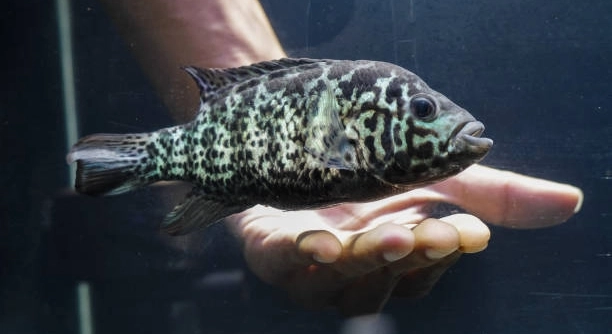
Have you ever noticed your Jack Dempsey fish moving quickly when someone walks by the tank? Their sharp eyes and alert movements make them seem aware of everything happening around them.
Jack Dempsey fish are able to sense room activity through a combination of visual perception and the lateral line system. This allows them to detect movement, vibrations, and changes in their environment, making them responsive to nearby activity.
Observing these responses can help you understand their behavior and create a more comfortable environment for your fish to thrive.
How Jack Dempseys Sense Their Surroundings
Jack Dempsey fish have a unique way of sensing activity around them. Their eyes are highly sensitive to motion, so even small movements in the room can catch their attention. Alongside vision, they have a lateral line system running along the sides of their bodies. This system detects vibrations and changes in water pressure, helping them respond quickly to anything nearby. When someone approaches the tank or taps on the glass, they often react immediately, swimming toward or away from the source. I’ve noticed that even subtle shifts in light or shadows can make them pause or dart. Their behavior seems cautious but curious, reflecting their natural instincts as territorial fish. By understanding how they sense their environment, it becomes easier to provide a calm and stable habitat that reduces stress. Watching them respond can feel like they are quietly observing everything around them.
This awareness helps them stay alert and react to changes in their environment quickly and effectively.
Knowing these details allows you to manage their tank space thoughtfully, placing decorations and hiding spots where they feel secure. Adjusting lighting, minimizing sudden movements, and keeping consistent water conditions all contribute to their comfort. It’s also helpful to monitor their reactions during feeding times, as heightened sensitivity may make them wary of hands near the tank. Over time, you can learn patterns in their responses, which makes interacting with them smoother. Some owners even notice they seem to “recognize” certain people or routines, reacting differently depending on activity in the room. Their sensitivity isn’t just about survival instincts; it also shapes their daily interactions and overall mood in the aquarium. By paying attention to these behaviors, you can ensure your Jack Dempsey remains healthy, less stressed, and engaged in its environment. Proper care creates a balanced space where they can thrive.
Tips for Managing Room Activity Around Your Fish
Keeping room activity low near the tank reduces stress for Jack Dempseys. Sudden movements or loud noises can startle them easily.
Placing the aquarium in a quieter area of the room is beneficial. Consistent lighting and minimal shadow changes help them feel secure. Avoid tapping the glass, and try to move slowly when near the tank. Small, calm interactions make a difference in their behavior. Using decorations like rocks and plants provides hiding spaces and breaks up direct line-of-sight to room activity. Over time, they learn safe areas and respond less anxiously. Routine feeding schedules also help them anticipate interactions, creating a sense of predictability. Observing them quietly without sudden gestures encourages natural behavior. If multiple fish are in the tank, spacing them properly reduces territorial stress. By combining these strategies, you can create an environment where Jack Dempseys feel calm, aware, and comfortable, allowing them to display natural behaviors without unnecessary tension.
Understanding Jack Dempsey Reactions
Jack Dempseys react quickly to movements and changes in their environment. Their eyes and lateral line system make them very alert, causing sudden swims or pauses whenever something unusual happens near their tank.
I’ve noticed that their reactions vary depending on the type of stimulus. A hand near the tank often makes them back away or swim in circles, while soft vibrations from footsteps might only make them pause. Their responses are stronger when they feel cornered or if their territory feels threatened. Over time, they learn patterns in household activity, and some fish even seem to anticipate regular routines, like feeding times or when lights are turned off. This sensitivity is part of their natural behavior and helps them stay alert, even in a home environment.
Observing them closely reveals subtle signals, like fin flicks or eye movements, which indicate awareness. They use these signals to communicate stress or curiosity to other tank mates, and noticing these small behaviors can make caring for them easier and more engaging. Regular observation helps understand their moods and adjust their environment accordingly.
Creating a Calm Environment
Reducing sudden movement and loud noises near the tank helps Jack Dempseys feel more comfortable and secure. Consistency is key for their well-being.
Arranging hiding spots and decorations in the tank provides safe zones for them to retreat when activity increases. Plants, rocks, and caves can break direct lines of sight, making them feel less exposed. Keeping lights on a steady schedule reduces stress from sudden changes, while controlling room noise and vibrations ensures they are not constantly startled. Over time, calmer surroundings improve their overall behavior and reduce aggressive tendencies. Monitoring their reactions during different times of the day allows you to identify stress triggers and adjust the environment accordingly. Creating a stable, predictable habitat encourages natural behavior, keeps them healthy, and strengthens their trust in the tank space.
Reading Subtle Cues
Jack Dempseys often give small signs of awareness, like slight fin movements or changes in swimming patterns. These subtle cues show they are noticing activity without panicking.
Watching these signals closely helps you understand their mood. Over time, you can predict reactions to movements and adjust interactions.
Adjusting Tank Placement
Placing the tank in a low-traffic area reduces stress for Jack Dempseys. Away from doors, loud appliances, or constant foot traffic, they feel safer and remain calmer. This placement helps minimize unnecessary reactions and supports more natural behavior.
Benefits of Predictable Routines
Consistent feeding and lighting schedules make Jack Dempseys more comfortable. Predictable routines reduce sudden stress and allow them to anticipate daily events.
FAQ
Can Jack Dempsey fish really sense people moving around the room?
Yes, Jack Dempsey fish are very alert to their surroundings. Their eyes are highly sensitive to movement, and their lateral line system detects vibrations in the water. Even small gestures, like someone walking past the tank or shifting furniture, can make them react quickly, either by swimming toward the movement or retreating to a hiding spot. Over time, they may learn to recognize patterns of activity, such as regular feeding times or repeated actions, which helps them adjust their behavior without becoming overly stressed.
Do they respond differently to family members or strangers?
In my experience, Jack Dempseys can differentiate between people. They often respond less anxiously to someone who regularly feeds or interacts with them, while sudden movements by unfamiliar people may trigger faster, more cautious reactions. This shows a combination of learned behavior and natural instincts.
How do vibrations affect Jack Dempseys?
Vibrations from footsteps, appliances, or tapping on the glass are easily detected through their lateral line system. Even small disturbances can startle them, causing quick swimming movements or fin flicks. Providing a stable environment with minimal vibrations reduces stress and encourages calmer behavior.
Will dim lighting or shadows change their reactions?
Yes, Jack Dempseys notice changes in light and shadow. Sudden shadows or bright flashes can make them pause or swim nervously. Maintaining consistent lighting and avoiding abrupt changes helps them feel secure and reduces sudden startle responses.
Can tank decorations help with their awareness of activity?
Absolutely. Rocks, plants, and caves break up lines of sight and give Jack Dempseys safe areas to retreat. Hiding spots reduce exposure to room activity, letting them observe quietly while feeling secure. Over time, they become more confident and less reactive.
Do Jack Dempseys react differently at feeding times?
Yes, they are more alert and active when food is expected. They may swim toward the source of activity or become more focused on the area where food is usually placed. Predictable feeding routines help them feel safe and reduce unnecessary stress.
Is it normal for them to dart around suddenly?
Sudden movements are normal and often linked to sensing activity in their environment. Quick swimming is a natural response to potential threats or sudden changes in the room. Monitoring these reactions can help identify triggers and create a calmer environment.
Can multiple Jack Dempseys sense room activity together?
Yes, when more than one Jack Dempsey is in a tank, they may react collectively to movements or vibrations. Observing one fish often triggers awareness in others. Providing enough space and hiding spots reduces stress and aggressive behaviors that may arise from group sensitivity.
Does room noise affect their behavior?
Loud or constant noise can make them anxious. Television sounds, music, or conversation nearby may cause brief stress responses. Lowering noise levels and avoiding tapping on the glass can keep them calmer and reduce unnecessary reactions.
How can I tell if my Jack Dempsey is stressed by room activity?
Signs of stress include rapid swimming, hiding excessively, clamped fins, or loss of appetite. Watching their normal behavior helps identify unusual reactions. Making environmental adjustments, like tank placement, consistent lighting, and quiet surroundings, supports their well-being and reduces stress.
Can they get used to frequent activity in the room?
Yes, Jack Dempseys can gradually acclimate to repeated activity if it is predictable and consistent. Over time, they may remain calmer, responding only to sudden or unusual disturbances while ignoring familiar routines and movements.
Final Thoughts
Jack Dempsey fish are fascinating pets because they are alert and aware of their surroundings. Their sharp eyes and sensitive lateral line system allow them to detect movements and vibrations, which means they notice more than many people realize. Even small changes in a room, like someone walking past the tank or moving nearby objects, can catch their attention. Over time, they learn patterns in their environment and begin to respond differently depending on the type of activity they sense. This natural awareness is part of what makes them engaging to watch. Their reactions, whether it’s a quick dart, a cautious pause, or simply turning toward the movement, show how aware they are of what’s happening outside the water. Understanding this can help owners provide a calm and supportive habitat. It’s easy to forget that fish are sensitive to more than just what is inside the tank, and Jack Dempseys are a clear example of this.
Creating a stable environment is key for keeping them healthy and stress-free. Placement of the tank in a low-traffic area, consistent lighting schedules, and minimal vibrations all contribute to their well-being. Decorations like rocks, plants, and caves allow them to have safe areas to hide or observe quietly. These adjustments help reduce unnecessary stress and make their reactions to room activity more predictable and calm. Feeding routines also play a role, as predictable feeding times give them a sense of security. By combining careful tank placement, thoughtful decorations, and consistent routines, owners can support both the physical and emotional health of their Jack Dempseys. Over time, these fish often become less reactive to normal household movements, but they still retain their natural alertness. Observing their behavior in response to changes in the room can be rewarding, as it shows how intelligent and aware these fish truly are.
Watching a Jack Dempsey in a well-maintained environment reveals a lot about their personality and instincts. They are curious, territorial, and naturally cautious, which makes understanding their reactions important. Paying attention to subtle signals like fin flicks, changes in swimming speed, or pauses in movement can help owners recognize stress or comfort levels. Adjusting the tank environment based on these observations ensures they feel secure and reduces unnecessary anxiety. Their sensitivity to room activity does not mean they are fragile; it simply reflects their instincts and how they interact with the world around them. By observing and respecting their awareness, owners can create a tank where Jack Dempseys thrive. In the end, understanding their behavior not only strengthens the bond between owner and fish but also leads to a healthier, calmer, and more natural habitat for these striking and intelligent fish.

Hello,
If you enjoy the content that we create, please consider saying a "Thank You!" by leaving a tip.
Every little bit helps us continue crafting quality advice that supports the health, happiness, and well-being of pets around the world, for pets of all shapes, sizes, and species.
We really appreciate the kindness and support that you show us!