
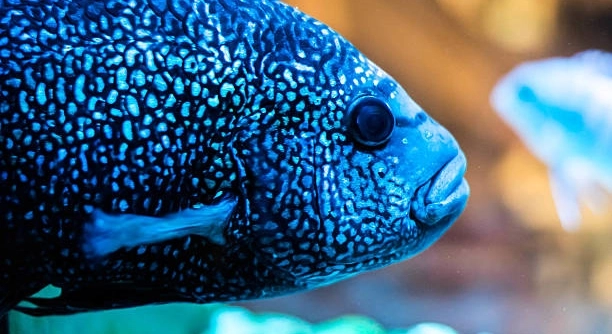
Caring for a Jack Dempsey fish can be rewarding, but these fish are sensitive to subtle changes in their environment and health. Noticing small differences early can make a big impact on their well-being.
Jack Dempsey fish often show early signs of illness through changes in coloration, reduced appetite, erratic swimming patterns, and physical deformities. Recognizing these subtle indicators promptly allows for timely intervention and improves the likelihood of successful treatment.
Observing these signs closely ensures your fish remains healthy and active, helping you prevent more serious problems in the future.
Changes in Color
When a Jack Dempsey fish is sick, its vibrant colors may start to fade or change unexpectedly. Healthy fish usually have deep, consistent shades, while a sick fish may appear dull or have patches of lighter or darker skin. Stress, poor water quality, and internal infections often cause these changes. Observing your fish regularly can help you spot even minor shifts in color. Sometimes, the color may darken as well, which could indicate stress or discomfort. Maintaining proper water conditions, a balanced diet, and minimizing stressors are essential to prevent these changes. Even slight discoloration should not be ignored, as it may be the first visible sign of a deeper issue. Acting early can save your fish from more serious complications. Pay attention to how your fish looks during different times of the day, as natural variations may occur, but sudden shifts are usually concerning.
Color changes often signal that your fish is not thriving in its environment. Immediate attention is recommended.
Regular observation and maintaining stable tank conditions are crucial. Ensuring proper filtration, temperature, and diet will help your fish regain its natural coloration and overall health. Keeping track of subtle color variations can prevent small issues from becoming serious illnesses. Additionally, isolating a sick fish can reduce stress on the tank’s other inhabitants. By responding promptly to these visual cues, you improve recovery chances. Always check water parameters and remove harmful chemicals or debris, and introduce a balanced feeding routine to strengthen your fish’s immunity. Over time, these steps encourage vibrant colors to return, signaling improved health and stability.
Loss of Appetite
A sudden lack of interest in food can indicate illness in Jack Dempsey fish. Skipping meals, ignoring favorite foods, or spitting out pellets often signals stress, infection, or poor water quality.
Loss of appetite can weaken a fish quickly, making them more vulnerable to disease. Illnesses such as bacterial infections, parasites, or internal problems often reduce feeding behavior. Environmental stressors like sudden temperature changes, overcrowding, or unclean water also contribute. Monitoring feeding habits daily is crucial. Offering varied foods like live or frozen options may encourage eating. If the fish continues to refuse food, testing water parameters and inspecting for physical signs of illness is essential. Prompt action can prevent deterioration and support recovery.
Even temporary appetite loss should not be ignored. Adjusting water conditions, providing high-quality food, and isolating the fish if necessary can help restore healthy feeding patterns. Consistency and observation are key to recovery.
Erratic Swimming Patterns
Erratic or unusual swimming is a common indicator of distress or sickness. Fish may dart around, float at odd angles, or rub against surfaces.
This behavior often reflects internal issues such as swim bladder disorders, parasitic infections, or stress from poor water conditions. Jack Dempsey fish are usually steady and controlled swimmers, so sudden changes are concerning. Observing tank environment is important; sharp water temperature shifts, strong currents, or overcrowding can worsen swimming issues. Tracking patterns over time helps determine if the cause is behavioral or medical. Infections can also lead to balance problems, causing the fish to tilt, spin, or collide with tank objects. Isolation in a calm environment often helps reduce stress while treatment is applied.
Correcting water parameters and addressing infections or injuries can improve swimming behavior. Regular monitoring ensures the fish regains normal movement and reduces risk of further complications.
Clamped Fins
Clamped fins, where the fish holds its fins close to the body, are a clear sign of discomfort or illness. This behavior often appears alongside stress or infection and should not be ignored.
Fins that remain folded can indicate poor water quality, parasites, or bacterial infections. Prompt attention and improved tank conditions are essential.
Visible Spots or Lesions
White, red, or black spots and open sores on the skin often indicate infections or parasites. Treating these quickly can prevent spreading and worsening conditions. Consistent water maintenance and observation are key to recovery.
Lethargy
Excessive inactivity or spending long periods at the bottom of the tank can signal sickness. Lethargy is often caused by stress, poor water quality, or internal illness.
FAQ
How can I tell if my Jack Dempsey fish is sick?
Signs of sickness include changes in color, loss of appetite, clamped fins, erratic swimming, visible spots or lesions, and lethargy. Observing these behaviors consistently can help you identify problems early. Sudden shifts in appearance or activity often indicate stress, infection, or environmental issues. Regular tank monitoring is essential.
What should I do if my fish refuses to eat?
If your Jack Dempsey stops eating, first check water quality, temperature, and tank cleanliness. Offer a variety of foods like live, frozen, or high-quality pellets to encourage eating. If the fish continues to refuse food, consider isolating it and consulting a veterinarian or aquatic specialist.
Why are my fish swimming erratically?
Erratic swimming can be caused by internal infections, parasites, swim bladder issues, or stress from poor water conditions. Observe if the fish tilts, spins, or collides with objects. Addressing water quality and isolating the fish can reduce stress while treatment is applied.
What do clamped fins indicate?
Clamped fins are a sign of stress, poor water quality, or infection. When fins are held close to the body, it shows discomfort. Improving water conditions and monitoring the fish closely can help restore normal fin posture.
How do visible spots or sores affect my fish?
Spots or lesions usually indicate bacterial, fungal, or parasitic infections. Prompt treatment is necessary to prevent spreading or worsening. Maintaining proper water conditions and treating infections early improves recovery chances.
Why is my fish lethargic?
Lethargy can result from stress, disease, poor water quality, or temperature fluctuations. Sick fish often rest at the bottom of the tank or hide for extended periods. Observing feeding, swimming, and behavior patterns helps identify the underlying issue.
Can water quality affect my fish’s health?
Yes. Poor water quality is a leading cause of illness in Jack Dempsey fish. Ammonia, nitrite, and nitrate spikes, improper pH, or sudden temperature changes can cause stress and disease. Regular testing and maintaining stable parameters are critical for overall fish health.
How can I prevent illness in my Jack Dempsey?
Maintaining clean water, providing a balanced diet, avoiding overcrowding, and monitoring tank conditions are essential. Regular observation allows early detection of subtle signs, helping prevent serious illnesses. Proper quarantine of new fish can also reduce the risk of introducing disease.
Is it normal for my fish to change color?
Minor color changes can occur naturally, but sudden or patchy fading often indicates stress, illness, or poor water quality. Observing other behaviors along with color changes can help determine if intervention is necessary.
When should I consult a professional?
If your fish shows persistent loss of appetite, unusual swimming, lesions, or lethargy despite improving water conditions, it’s best to consult a veterinarian or aquatic specialist. Early professional guidance increases the likelihood of recovery and long-term health.
Can diet influence my fish’s recovery?
Yes. Providing high-quality, varied food strengthens immunity and supports recovery. Incorporate protein-rich options and occasional live or frozen foods to encourage feeding and maintain vitality during illness.
How long does it take for a sick Jack Dempsey to recover?
Recovery time depends on the severity of illness, water quality, and promptness of treatment. Minor issues may improve within a few days, while infections or internal problems can take several weeks. Consistency in care and monitoring is crucial.
Should I isolate a sick fish?
Isolating a sick fish reduces stress and prevents potential spreading of disease to other tank inhabitants. Use a quarantine tank with stable water parameters and monitor closely for feeding and behavior improvements.
Are stress and environmental changes dangerous?
Stress from overcrowding, sudden water changes, or incompatible tank mates can weaken immunity and trigger illness. Minimizing sudden changes and maintaining a stable environment is key to preventing health issues.
What signs indicate serious illness?
Serious illness is often indicated by persistent loss of appetite, severe lethargy, large open sores, rapid color fading, continuous erratic swimming, or swelling. Immediate intervention and professional advice are recommended to prevent mortality.
How often should I check my tank conditions?
Daily observation of fish behavior combined with weekly water parameter testing is ideal. Regular cleaning, filter maintenance, and monitoring temperature, pH, and chemical levels help prevent sickness and promote a healthy environment.
Can other fish affect my Jack Dempsey’s health?
Yes. Aggressive or incompatible tank mates can cause stress, leading to weakened immunity and illness. Choose tank mates carefully and provide sufficient space to reduce conflicts and promote healthy interactions.
Is it normal for a sick fish to hide?
Hiding is common when a fish feels unwell. While some hiding is normal, extended periods or sudden changes in behavior can indicate stress, illness, or environmental discomfort requiring attention.
What is the best way to monitor my fish’s health?
Observe behavior, feeding patterns, color, fin condition, and activity daily. Keep a simple log of changes and water parameters to detect subtle signs early and act promptly.
Can medications harm healthy fish?
Yes. Medications can stress or harm healthy tank mates if used improperly. Isolating the sick fish during treatment is recommended to prevent unintended side effects.
How do I maintain a stress-free environment?
Provide proper tank size, stable water conditions, gentle filtration, hiding spots, and compatible tank mates. Consistency in care and minimal sudden changes help keep your Jack Dempsey calm and healthy.
What role does water temperature play in illness?
Temperature fluctuations can stress fish and make them more susceptible to disease. Keep the tank within the recommended range for Jack Dempsey fish, and monitor consistently to prevent issues.
How can I tell if behavior changes are normal?
Minor behavior changes like occasional hiding or temporary inactivity are normal. Persistent or extreme changes in swimming, appetite, or interaction usually indicate stress or illness. Comparing patterns over time helps distinguish normal variation from concerning signs.
Can overfeeding cause health problems?
Yes. Overfeeding leads to poor water quality and obesity, increasing stress and disease risk. Feed in moderation and remove uneaten food promptly to maintain a clean and healthy tank.
What is the most common cause of sudden illness?
Sudden illness is often linked to poor water quality, abrupt environmental changes, or introduction of infected tank mates. Promptly correcting these factors can prevent worsening and support recovery.
Are behavioral changes reversible?
Most behavioral changes caused by stress or mild illness are reversible with proper care, improved water conditions, and treatment. Severe infections or prolonged neglect may cause lasting effects.
How important is observation for prevention?
Daily observation is crucial. Catching early signs like color changes, appetite loss, or fin clamping allows timely intervention, preventing minor issues from turning into serious illness. Consistent attention improves overall fish health and longevity.
Can tank size affect my fish’s health?
Yes. Crowded tanks increase stress and disease risk. Adequate space for swimming, hiding, and maintaining water quality is essential for preventing illness in Jack Dempsey fish.
What role does stress play in illness?
Stress weakens immunity, making fish more susceptible to infections. Reducing environmental stressors like overcrowding, aggressive tank mates, and sudden water changes is key to maintaining health.
Is quarantine necessary for new fish?
Quarantining new fish prevents introducing diseases to the main tank. Observing them in isolation for a few weeks helps detect illness early and protects existing fish.
How often should I feed my Jack Dempsey?
Feed adult Jack Dempseys once or twice daily with high-quality pellets or occasional live/frozen foods. Adjust portions to avoid overfeeding and maintain water quality.
Can I use natural remedies for minor illnesses?
Some natural remedies like salt baths or herbal treatments can help mild cases, but they should be used carefully and combined with proper water management. Severe illness may require professional medication.
What are early signs of internal infection?
Early signs include loss of appetite, lethargy, abnormal swimming, bloating, or pale coloration. Early detection and treatment improve recovery chances.
How do I prevent recurring illness?
Consistent tank maintenance, proper diet, stable water conditions, careful selection of tank mates, and quarantine for new fish help prevent repeated illnesses. Observation and quick action are essential.
Can stress from handling cause sickness?
Yes. Frequent or rough handling stresses fish, weakening immunity and increasing vulnerability to infections. Limit handling to necessary occasions.
Is it normal for a Jack Dempsey to change behavior seasonally?
Minor seasonal behavior changes may occur due to light or temperature variations, but sudden or extreme changes indicate stress or illness and require attention.
How can I support recovery after illness?
Maintain clean water, provide high-quality food, monitor behavior, and isolate if necessary. Avoid stressors and continue observation until normal activity resumes.
What should I do if my fish shows multiple signs of illness?
Address water quality immediately, isolate the fish, and consult a professional if symptoms persist. Combined signs indicate serious illness and require prompt intervention.
Are some Jack Dempsey fish more prone to illness?
Yes. Young, older, or genetically weaker fish are more vulnerable. Ensuring optimal care and monitoring helps reduce risk.
Can temperature swings mask illness symptoms?
Yes. Rapid changes can hide early signs or worsen conditions. Stable temperature is critical for accurate monitoring and recovery.
How long should I observe a sick fish before expecting improvement?
Improvement can take days to weeks depending on the condition. Consistency in care and monitoring is essential to track recovery progress.
Does water pH affect illness?
Extreme pH levels can stress fish, reduce immunity, and contribute to illness. Maintaining stable, suitable pH is important for prevention and recovery.
Can environmental enrichment help recovery?
Providing hiding spots and gentle currents reduces stress, encourages natural behavior, and supports recovery during illness.
What is the best way to track subtle changes?
Keep a simple daily log of feeding, swimming, color, fin condition, and water parameters. Comparing changes over time helps detect early signs of sickness.
Are small injuries a cause for concern?
Minor injuries can lead to infections if untreated. Cleaning the tank and monitoring wounds helps prevent further complications.
Can water changes alone cure illness?
Water changes improve environment and reduce stress but may not treat infections. They support recovery but often need to be combined with targeted treatments.
How do I know if my treatment is working?
Improvement in appetite, color, activity, and fin condition indicates treatment success. Lack of progress may require professional intervention.
Can multiple sick fish in one tank affect recovery?
Yes. Disease can spread, and stress increases. Isolating sick fish and treating individually improves recovery chances.
What role does lighting play in fish health?
Proper lighting supports normal behavior and reduces stress. Excessive or insufficient light can weaken immunity and affect recovery.
Is it normal for a fish to hide after treatment?
Yes. Temporary hiding is a stress response. Observe recovery, ensure calm environment, and provide food to encourage normal activity.
Can illness affect growth?
Prolonged illness can stunt growth, reduce energy, and impact overall development. Early intervention helps minimize long-term effects.
How do I prevent future outbreaks?
Maintain water quality, avoid overcrowding, quarantine new fish, and observe daily. Consistent care reduces illness risk and promotes long-term health.
Are some symptoms more urgent than others?
Persistent loss of appetite, open sores, severe lethargy, and erratic swimming are urgent signs. Immediate intervention can prevent mortality and serious complications.
Can temperature, pH, and hardness fluctuations all contribute simultaneously?
Yes. Sudden changes in any parameter increase stress and susceptibility to illness. Keeping conditions stable is crucial for prevention.
Should I change feeding habits during illness?
Offer easily digestible, high-quality food in small amounts. Avoid overfeeding to maintain water quality and support recovery.
What is the most effective long-term prevention strategy?
Consistent observation, clean water, proper diet, suitable tank mates, and careful quarantine practices form the foundation of long-term health for Jack Dempsey fish.
How do I maintain consistent tank conditions?
Regular testing, routine water changes, stable temperature, and proper filtration help ensure consistent and healthy tank conditions for your fish.
Can minor stressors accumulate over time?
Yes. Small repeated stressors can weaken immunity, making fish more prone to illness. Minimizing all sources of stress is important for health.
What tools help monitor fish health?
Thermometers, pH kits, ammonia and nitrite test kits, and observation logs are essential for monitoring conditions and detecting early illness signs.
Is isolation stressful for a sick fish?
Short-term isolation reduces stress from other fish and aids treatment. Ensure water quality and hiding spots to keep the fish comfortable.
Can water additives help prevent illness?
Some water conditioners remove chlorine, detoxify metals, or support immunity. Use them carefully as part of routine care, not as a sole treatment.
How can I balance prevention and treatment?
Maintain ideal tank conditions consistently, observe fish daily, and act immediately when signs appear. Combining care and timely treatment ensures the best results.
Are there common mistakes owners make during illness?
Overmedicating, delaying treatment, ignoring water quality, or overcrowding can worsen the condition. Observation, patience, and proper intervention are key.
Can behavior alone indicate recovery?
Yes. Increased activity, normal feeding, regained color, and proper fin posture show improvement. Continue monitoring until stable.
Is it normal for fish to have minor setbacks?
Small relapses can occur, especially if water conditions fluctuate. Continued care and observation help ensure full recovery.
How do I support immune health long-term?
Provide a balanced diet, maintain stable water parameters, reduce stress, and monitor behavior. Consistency is essential for disease prevention.
Can tank mates influence recovery speed?
Calm, compatible fish reduce stress and encourage normal behavior. Aggressive or territorial tank mates can slow recovery or cause new stress.
How important is consistency in treatment?
Following treatment protocols exactly, maintaining water quality, and monitoring progress are critical for successful recovery and prevention of relapse.
Can illness in Jack Dempsey fish be completely cured?
Yes, if detected early and treated properly. Severe cases may leave lasting effects, but most common illnesses are treatable with timely intervention.
How do I differentiate between stress and illness?
Stress often shows as temporary hiding or mild behavior changes. Illness usually causes persistent symptoms like appetite loss, color changes, or sores. Observation over time clarifies the cause.
Is professional advice always necessary?
For persistent or severe symptoms, consulting a veterinarian or aquatic specialist ensures proper diagnosis and increases chances of recovery. Early guidance is beneficial.
What daily routine helps prevent illness?
Feeding on schedule, monitoring behavior, checking water parameters, cleaning the tank, and observing interactions maintain health and prevent most common issues.
Can mild illnesses resolve on their own?
Some minor stress-related issues may improve with stable conditions, but ignoring persistent symptoms can lead to serious problems. Prompt intervention is safer.
How do I know if my fish is fully recovered?
Full recovery is indicated by normal appetite, regular swimming patterns, vibrant color, active behavior, and healthy fins. Continued observation ensures stability.
What should I avoid during recovery?
Avoid sudden water changes, overfeeding, aggressive tank mates, and unnecessary handling. Minimizing stress supports faster healing.
Can prevention reduce veterinary costs?
Yes. Maintaining proper care, early detection, and timely treatment reduce the likelihood of severe illness, lowering the need for expensive interventions.
How often should I observe behavior changes?
Daily observation of feeding, swimming, and interactions is crucial. Minor changes detected early prevent more serious illness.
Are there signs that a fish is nearing critical condition?
Severe lethargy, continuous floating at the surface or bottom, open sores, and rapid breathing are critical signs needing immediate action.
Can environmental enrichment affect health?
Yes. Hiding spots, gentle currents, and appropriate tank decor reduce stress, support natural behavior, and improve overall well-being.
Is water hardness important for Jack Dempsey health?
Yes. Extreme hardness levels can stress fish and weaken immunity. Maintain moderate hardness suitable for their natural habitat.
How do I handle multiple sick fish simultaneously?
Isolate individually if possible, maintain optimal water conditions, and monitor progress. Treat each fish according to specific symptoms for effective recovery.
Can my fish’s age influence illness?
Young or older fish have weaker immune systems and are more vulnerable. Extra care and observation help prevent complications.
How do I maintain long-term tank stability?
Regular water testing, consistent feeding, proper filtration, and careful selection of tank mates support a stable and healthy environment for all fish.
Are subtle changes more important than obvious signs?
Yes. Early subtle changes like minor color shifts, fin clamping, or slight lethargy often indicate illness before severe symptoms appear. Prompt attention prevents serious complications.
Can disease spread through water alone?
Yes. Some infections are waterborne, affecting other fish in the same tank. Proper quarantine and treatment prevent spread.
How should I document fish health?
Keep a log of feeding, swimming, color, fin condition, water parameters, and treatment actions. Consistent records help track subtle changes and recovery.
What’s the most effective way to respond to early signs?
Check water quality, adjust feeding, isolate if needed, observe behavior, and apply treatment promptly. Early intervention improves recovery chances.
How do I avoid recurring stress-related illnesses?
Maintain stable water, proper tank size, compatible mates, minimal handling, and consistent care routines. Reducing stress lowers illness risk significantly.
Can water filtration impact recovery?
Yes. Proper filtration keeps water clean, reduces stress, and prevents secondary infections during recovery. Ensure filters are functioning correctly.
Should I rotate foods during illness?
Offering varied foods encourages appetite and provides nutrients to support immunity. Avoid overfeeding to maintain water quality.
How long should I continue monitoring after recovery?
Continue daily observation for several weeks to ensure stability and prevent relapse. Monitor feeding, swimming, color, and fin condition consistently.
Can temperature adjustments aid recovery?
Maintaining optimal temperature supports metabolism and immunity. Avoid sudden changes, which can stress the fish further.
Are certain tank locations better for recovery?
Quieter areas with minimal current and hiding spots help reduce stress and encourage normal behavior during recovery.
What is the most common mistake during recovery?
Ignoring subtle signs, overhandling, overmedicating, or poor water maintenance can delay healing or worsen conditions. Consistency and observation are essential.
How do I know when to end isolation?
End isolation when the fish resumes normal
Caring for a Jack Dempsey fish requires attention to detail and consistent observation. These fish are resilient, but they are also sensitive to changes in their environment. Monitoring water quality, tank temperature, and behavior daily helps catch subtle signs of illness before they become serious. Simple practices, like regular water changes, checking pH levels, and keeping the tank clean, go a long way in preventing health problems. Paying attention to your fish’s activity, appetite, color, and fin condition allows you to spot issues early, making treatment more effective. Even small changes in behavior or appearance should not be overlooked, as they often indicate stress or underlying health issues that can worsen if ignored.
Providing a balanced diet is equally important in maintaining your fish’s health. Jack Dempsey fish thrive on a variety of high-quality foods, including pellets, frozen, or live options. Avoid overfeeding, as leftover food can degrade water quality and increase the risk of disease. Offering a consistent feeding schedule and monitoring how your fish responds to food can help identify appetite changes that may signal illness. Nutrition directly impacts immunity and energy levels, so proper feeding supports recovery from minor illnesses and helps prevent future problems. Alongside diet, maintaining a calm and stable environment is critical. Minimizing stress from aggressive tank mates, sudden environmental changes, or overcrowding supports overall well-being and makes it easier for the fish to resist infections.
Observation, consistency, and patience are key to long-term success in caring for Jack Dempsey fish. Health issues often develop slowly, and early intervention can prevent complications. Isolating sick fish when necessary, maintaining clean water, and monitoring behavior closely are all steps that support recovery and prevent spreading illness to other tank inhabitants. Even after a fish recovers, continued care and observation ensure it remains healthy and active. By paying attention to both environmental and dietary factors, you create conditions that encourage natural behavior and reduce stress. Over time, these practices help your Jack Dempsey fish thrive, giving you the satisfaction of a vibrant, healthy aquatic companion.

Hello,
If you enjoy the content that we create, please consider saying a "Thank You!" by leaving a tip.
Every little bit helps us continue crafting quality advice that supports the health, happiness, and well-being of pets around the world, for pets of all shapes, sizes, and species.
We really appreciate the kindness and support that you show us!