
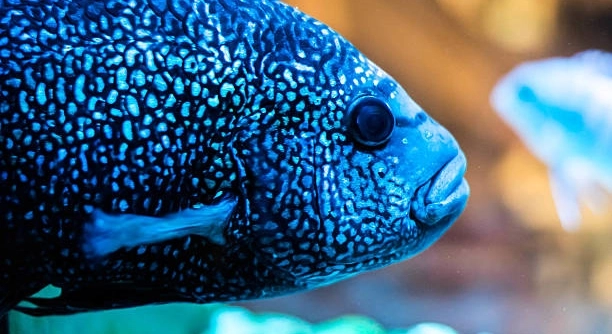
Have you ever wondered why your Jack Dempsey fish suddenly puffs up near the glass, showing bold colors and stiff fins, creating concern for many aquarium keepers observing this striking behavior at home today now
The primary reason Jack Dempsey fish puff up near glass is territorial display behavior. Reflections trigger perceived rivals, causing stress responses that include body inflation, fin extension, and color intensification as methods to assert dominance and deter threats within environments
Understanding this behavior helps improve tank setup, reduce stress, and support interactions between your Jack Dempsey fish and its surroundings
Territorial Behavior and Reflections
Jack Dempsey fish are known for strong territorial instincts, especially in enclosed tanks. When they approach the glass, reflections can appear like another fish invading their space. This triggers defensive behavior that includes puffing up, flaring fins, and darkening colors. I have noticed this happens more often in brightly lit rooms or during feeding times. The fish is not being aggressive without reason, but responding to what it believes is competition. Glass creates a constant mirror that never backs away, which keeps the response going. Over time, repeated displays can increase stress levels and affect overall health. Understanding this reaction helps explain why the behavior seems sudden or intense. It is a natural response shaped by survival instincts. The tank environment plays a major role in how often this behavior appears and how long it lasts each day for many home aquariums today with limited space and constant visual stimulation.
This behavior may look alarming, but it usually signals awareness rather than illness. The fish is reacting to its environment and attempting to protect territory. Once lighting, tank size, or placement changes, the display often reduces without further issues and stress levels slowly return to normal over time again safely.
Small adjustments can limit how often puffing occurs near glass. Reducing direct lighting on the tank helps minimize reflections. Adding background film or plants breaks up mirrored surfaces. Providing enough hiding spots gives the fish space to retreat and feel secure. Tank size also matters, as cramped areas increase tension. I found that keeping consistent routines lowers reactivity. Avoid tapping on the glass or sudden movements nearby. These steps do not remove natural instincts, but they help balance behavior. A calmer environment supports better coloration, appetite, and long term well being for Jack Dempsey fish in home aquarium settings daily.
Reducing Stress Near the Glass
Persistent puffing near the glass can indicate ongoing stress if left unmanaged. While the behavior is natural, constant repetition may drain energy. Monitoring frequency and duration helps identify when adjustments are needed to support comfort and stability within the tank and maintain healthier daily behavior patterns over time for fish.
Improving the tank environment is the most effective way to reduce this display. Start by checking lighting conditions throughout the day. Bright lights combined with clear glass increase reflections. Using a darker background or adjusting room lighting can help. Tank placement also matters. High traffic areas create constant movement, which keeps the fish alert. Choosing a calmer location supports relaxation. Decorations play an important role as well. Rocks, driftwood, and plants break sightlines and create boundaries. This gives the fish a sense of control over its space. Water quality should remain stable, as poor conditions heighten sensitivity. Regular maintenance supports steady behavior. Feeding routines should stay consistent and calm. Sudden changes often lead to increased displays. I learned that patience is important. Changes take time to show results. Observing behavior daily helps track progress. With proper setup and care, puffing near the glass becomes less frequent and less intense, allowing the fish to settle into a more balanced and healthy state. This approach reduces stress gradually and supports natural behavior without forcing change. Consistency remains key for long term success in home aquariums by creating predictable surroundings the fish can rely on daily without unnecessary stimulation or disruption over time.
Tank Size and Stocking Levels
Jack Dempsey fish often puff up more when they feel crowded or overstimulated in their tank. Limited space increases territorial pressure and reduces escape options, making the glass a frequent focus for defensive displays and repeated visual stress responses over time during daily routines and environmental changes within home aquariums.
Tank size plays a major role in how secure a Jack Dempsey feels. Smaller tanks amplify reflections, movement, and perceived threats. When the fish cannot establish clear boundaries, it relies on visual displays to compensate. I have seen this behavior lessen after upgrading to a larger tank. More swimming room allows natural patrol patterns instead of constant confrontation. Adequate space also supports healthier activity levels and reduces fixation on the glass. Even small increases in tank length can noticeably lower stress reactions and repeated puffing behavior over longer periods of stable care in controlled home aquarium settings for adult fish.
Overstocking further intensifies this response. Multiple fish competing for limited territory increase tension and visual monitoring. Jack Dempseys are especially sensitive to nearby movement. Constant awareness leads to frequent puffing near glass edges. Separating aggressive tank mates or reducing population can quickly improve behavior. I noticed calmer swimming once numbers were adjusted. Each fish needs personal space to settle. Balanced stocking promotes predictable interactions and lowers defensive reactions. This creates a more stable environment that supports long term health and reduces stress related displays through consistent care and thoughtful planning choices made by attentive aquarium keepers over extended periods daily.
Enrichment and Mental Stimulation
Glass focused behavior can also relate to boredom. A tank lacking enrichment leaves little to engage natural instincts. Without variation, the fish returns to the glass repeatedly. Adding visual interest redirects attention. Rearranging decor occasionally can stimulate exploration. I found this reduced fixation without causing stress. Simple changes offer mental stimulation and encourage healthier movement patterns throughout the tank while supporting calm and predictable daily behavior in controlled aquarium environments over longer observation periods consistently.
Environmental enrichment does not need to be complex. Driftwood, caves, and live plants create exploration opportunities. Rotating decorations every few weeks refreshes interest. Feeding methods also matter. Scatter feeding or using sinking pellets encourages natural foraging instead of surface fixation. I noticed fewer glass displays after adjusting feeding routines. Visual barriers between tank walls help break reflection patterns. Even partial coverage can lower stimulation. The goal is not to eliminate territorial traits, but to redirect energy. Consistent enrichment supports balanced behavior and reduces repetitive stress responses. Over time, the fish appears more relaxed, showing steady movement and improved coloration. These changes signal better adaptation to its surroundings within stable home aquarium conditions maintained daily through careful observation and minor adjustments made over extended care periods.
External Movement and Human Activity
Sudden movements outside the tank can trigger puffing near the glass. Passing shadows, hand gestures, or nearby activity register as potential threats. The fish responds by inflating its body and holding position. I noticed this increase when the tank sat near busy walkways daily in active household spaces each day.
Consistent exposure to motion keeps stress levels elevated. The fish remains alert and focused on the glass instead of resting. Moving the tank to a calmer area often reduces this behavior. I found that quieter surroundings led to slower movements and fewer defensive displays overall over extended observation periods indoors.
Lighting Conditions and Visual Stress
Tank lighting strongly affects how often Jack Dempsey fish puff up near glass. Bright overhead lights increase reflections and exaggerate movement. When lights remain on too long, the fish rarely gets visual rest. I adjusted my lighting schedule and saw calmer behavior within days. Using dimmer lights or floating plants softens glare. Timers help maintain consistency and prevent sudden changes. Evening room lights should also be considered, since external glare adds stimulation. Balanced lighting supports normal activity cycles, reduces mirror effects, and helps the fish settle without constant visual challenges from its surroundings during daily aquarium care routines at home.
Interaction Habits Near the Tank
Glass tapping and direct interaction can reinforce puffing behavior. The fish learns to react each time attention appears. Avoiding contact and limiting visual focus allows it to relax. I stopped lingering near the tank and noticed the fish spent more time exploring instead of interior space calmly and confidently daily.
FAQ
Why does my Jack Dempsey puff up only near the glass and not elsewhere in the tank?
This behavior is usually tied to reflections and external movement. The glass creates a visual trigger that feels like a constant presence. Inside the tank, boundaries feel clearer. Near the glass, the fish reacts to what it believes is another fish or threat. I noticed the behavior stayed limited to specific sides of the tank where reflections were strongest.
Is puffing near the glass a sign of aggression or stress?
It can be both, depending on frequency. Occasional puffing is a normal display linked to territorial instincts. Constant puffing, however, suggests ongoing stress. When the behavior happens repeatedly throughout the day, it often points to environmental factors that need adjustment rather than personality traits.
Can my fish hurt itself by puffing up too often?
The act itself does not cause direct harm, but repeated stress can weaken the immune system over time. A stressed fish may eat less, hide more, or show dull coloration. I found that once stressors were reduced, overall behavior improved without lasting effects.
Does tank placement in the room really matter?
Yes, placement matters more than many people expect. Tanks placed near doors, televisions, or busy walkways expose the fish to constant motion. This keeps it alert and reactive. Moving the tank to a quieter area often reduces puffing behavior within a short period.
Will adding tank mates stop my Jack Dempsey from puffing at the glass?
Not always. In some cases, additional fish increase stress rather than reduce it. Jack Dempseys are territorial and may feel more pressure with added competition. Proper stocking levels and compatible species are more important than simply adding company.
Can background images or tank backing help reduce puffing?
Yes, adding a solid or dark background can significantly reduce reflections. This helps the fish distinguish boundaries more clearly. I noticed less glass-focused behavior after applying a background to the back and sides of the tank.
Does feeding time influence this behavior?
Feeding time often increases activity and alertness. The fish may associate movement outside the tank with food. This can temporarily increase puffing near the glass. Keeping feeding routines calm and consistent helps prevent heightened reactions before and after meals.
Is this behavior more common in younger or adult Jack Dempseys?
Both can show this behavior, but adults often display it more strongly due to established territorial instincts. Younger fish may puff occasionally but tend to be less intense. As the fish matures, environmental setup becomes more important in managing displays.
Can lighting alone cause puffing near the glass?
Lighting plays a large role. Bright lights increase reflections and visual contrast. Long lighting periods without breaks add strain. Adjusting brightness and using timers often reduces stimulation. I found shorter, consistent lighting cycles worked better than long exposure.
Should I interact with my fish when it puffs up?
It is better to limit interaction during these moments. Responding can reinforce the behavior. Stepping back and allowing the fish to calm down on its own usually leads to better long term results. Less attention often equals less reaction.
Does water quality affect puffing behavior?
Poor water conditions increase sensitivity to stress. When water parameters fluctuate, the fish may react more strongly to visual triggers. Regular maintenance supports stable behavior. Once water quality improved in my tank, reactions near the glass became less frequent.
Can rearranging decorations really make a difference?
Yes, small changes can have a noticeable impact. Rearranging decor breaks routine patterns and redirects focus. It encourages exploration and reduces fixation on the glass. I noticed calmer swimming after making minor layout changes.
Is puffing near the glass ever a health warning?
On its own, it is usually behavioral. If paired with other signs like lethargy, appetite loss, or clamped fins, it may indicate deeper issues. Observing the full behavior pattern is important before assuming illness.
Will this behavior ever stop completely?
It may not disappear entirely, as territorial displays are natural. The goal is reduction, not elimination. With proper setup, puffing becomes occasional rather than constant. Over time, the fish adapts to a balanced environment.
How long does it take to see improvement after making changes?
Some changes show results within days, while others take weeks. Consistency is key. I learned that gradual improvements are more reliable than sudden changes. Patience allows the fish to adjust without added stress.
Final Thoughts
Jack Dempsey fish puffing up near the glass is a behavior that often looks more serious than it is. In most cases, it reflects how the fish responds to its surroundings rather than a health problem. The glass creates visual triggers that the fish cannot avoid, especially when reflections, lighting, or outside movement are constant. Over time, these repeated signals push the fish to defend space it believes is being challenged. I learned that once the environment became more stable, the behavior slowly reduced without forcing change. This shows how sensitive Jack Dempseys are to visual and spatial cues. Their reactions are not random. They are shaped by instinct and daily conditions inside and outside the tank. Recognizing this helps shift focus from worry to adjustment. Instead of trying to stop the behavior directly, it is more effective to change what causes it. Small improvements add up and often make the biggest difference.
Creating a balanced tank setup is the most reliable way to manage this behavior long term. Tank size, layout, lighting, and placement all work together to influence how secure the fish feels. When space is limited or stimulation is constant, puffing becomes a frequent response. When the environment offers structure and predictability, the fish spends less time guarding and more time swimming calmly. I noticed better coloration and steadier movement once routines stayed consistent. Even minor changes like adjusting light schedules or adding visual barriers helped reduce stress. These steps do not remove natural behavior, but they soften its intensity. The fish still expresses territory, just without constant tension. This balance supports both physical health and daily activity. It also makes observing the fish more enjoyable, since behavior appears purposeful rather than reactive.
Patience plays an important role throughout this process. Jack Dempsey fish do not adjust overnight, especially if the behavior has been repeated for a long time. Giving the fish time to respond to changes prevents added stress. Observation becomes more useful than interference. Watching patterns helps identify what works and what does not. I found that the most effective changes were the ones that felt simple and steady rather than drastic. Over time, puffing near the glass becomes less dominant and easier to understand when it appears. This makes care feel more manageable and less uncertain. With the right setup and attention to daily conditions, the fish settles into a routine that supports natural behavior without constant display. The result is a healthier, calmer presence in the tank that reflects proper care rather than correction.

Hello,
If you enjoy the content that we create, please consider saying a "Thank You!" by leaving a tip.
Every little bit helps us continue crafting quality advice that supports the health, happiness, and well-being of pets around the world, for pets of all shapes, sizes, and species.
We really appreciate the kindness and support that you show us!