
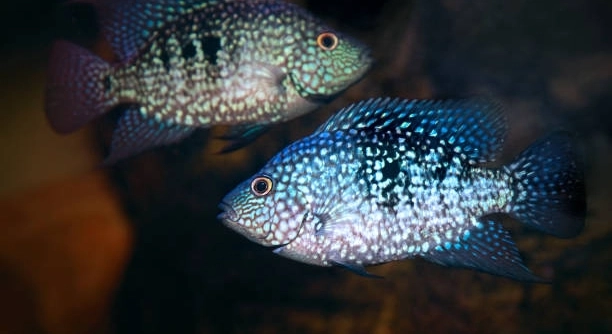
Many aquarium keepers notice changes in parental behavior after spawning, especially with Dempsey fish guarding fry. This article gently explains common reasons behind that shift, helping owners feel informed and supported during breeding experiences overall.
The primary reason a Dempsey fish stops guarding fry involves stress from environmental changes, tank disturbances, or perceived threats. These factors can disrupt parental instincts, causing adults to abandon protective behaviors in favor of self preservation and territorial reassessment processes.
By recognizing these influences, aquarists can better manage breeding setups and restore stability, improving fry survival and parental consistency rates.
Environmental Stress and Tank Conditions
Environmental stress plays a major role when a Dempsey fish stops guarding fry. Sudden changes in water temperature, pH fluctuations, or poor water quality can overwhelm parental instincts. Loud vibrations, frequent tank maintenance, or constant movement near the aquarium may also trigger protective withdrawal. When stress levels rise, survival becomes the priority, pushing the fish to focus on safety rather than offspring care. In community tanks, increased activity from other fish can intensify this response. Even subtle changes, such as altered lighting schedules or new decorations, may disrupt established routines. These stressors accumulate quickly, especially during the sensitive breeding period. A fish that feels threatened or unstable will often abandon guarding behaviors to reduce exposure and conserve energy. Understanding how environmental pressure affects behavior allows aquarists to identify problems early and create calmer, more consistent conditions that support natural parental care over extended breeding cycles and repeated spawning attempts overall.
Stable water parameters and reduced disturbances help reinforce guarding behavior. Consistency allows the fish to regain confidence and remain focused on fry protection rather than constant threat assessment during critical early development stages within the breeding environment, promoting calmness, security, and sustained parental attention over time periods naturally occurring consistently.
Tank mates significantly influence parental behavior in Dempsey fish. Aggressive or overly curious fish may linger near the breeding site, creating ongoing pressure. Even peaceful species can cause stress simply by proximity. When a guarding fish feels outnumbered or challenged, it may retreat to avoid confrontation. Overcrowding worsens this effect by limiting escape routes and increasing competition for space. Separating breeding pairs or providing visual barriers can reduce perceived threats. Adequate territory allows parents to establish boundaries and focus on fry care. This approach often restores guarding behavior and improves overall breeding success rates in controlled aquarium setups consistently maintained.
Parental Experience and Biological Factors
First time parents are more likely to abandon fry due to inexperience. Hormonal fluctuations and instinct development vary, influencing how consistently guarding behaviors are expressed during early spawning events as biological responses stabilize over repeated breeding cycles, maturity increases, and confidence improves naturally within established tank environments over time periods.
Biological factors play an important role in determining whether a Dempsey fish continues guarding fry. Age, prior breeding success, and hormonal balance all shape parental responses. Younger fish often lack the hormonal stability required for prolonged guarding, while older pairs tend to show stronger commitment. Stress hormones released during perceived danger can override care instincts, leading to abandonment. Nutrition also affects behavior, as poorly fed fish may conserve energy rather than protect offspring. Spawning frequency matters as well. Repeated breeding without recovery can exhaust the parents, reducing attentiveness. Providing a varied diet, adequate rest periods, and stable conditions supports hormonal balance. Over time, many Dempsey fish improve their guarding behavior through experience. Observing patterns across multiple spawns helps aquarists predict outcomes and adjust care strategies. By aligning environmental management with biological needs, breeders can encourage reliable parental care and healthier fry development through consistent observation, careful record keeping, and long term adjustments that respect natural limits, reduce strain, and promote recovery between spawning periods, ensuring parents remain capable of sustained care while minimizing stress responses within the aquarium environment over extended timeframes for improved reproductive stability and overall tank harmony consistently maintained by attentive keepers over many breeding cycles successfully.
Tank Mates and Fry Movement
Other fish in the tank can distract or intimidate guarding parents. Even calm species may wander too close to fry areas. This constant presence increases alertness and fatigue, which often leads to abandonment. Providing separation, extra space, or temporary isolation reduces pressure and supports consistent guarding behavior during breeding periods.
Overcrowded tanks amplify stress by limiting territory and escape options. When multiple fish compete for the same space, guarding parents remain defensive for long periods. This drains energy needed for fry care. Rearranging decorations can also worsen the issue by removing familiar boundaries. I have noticed calmer behavior when clear zones are established around breeding sites. Flat stones, plants, or dividers help parents define space. Reducing visual contact with other fish lowers aggression and restores focus. Space management is one of the most effective adjustments aquarists can make within home aquariums during active spawning periods for long term stability overall.
Fry movement also affects guarding consistency. As fry become free swimming, parents may perceive them as less manageable. This often results in reduced hovering and increased roaming. In my experience, this shift feels sudden but follows natural development. Parents adjust behavior once fry scatter beyond a single area. Some Dempsey fish resume guarding if fry regroup, while others disengage completely. This stage requires observation rather than intervention. Maintaining stable conditions helps parents remain nearby even as direct guarding decreases. This balance supports gradual independence without sudden abandonment and reduces stress for both parents and developing fry over time consistently observed.
Owner Interaction and Daily Routine
Frequent human interaction near the tank can disrupt guarding behavior. Sudden movements, tapping glass, or constant observation raise alertness levels. I learned that limiting activity during spawning periods makes a noticeable difference. Consistent lighting, feeding times, and minimal interference allow parents to settle. Predictable routines reduce stress responses and help fish remain focused on fry protection rather than reacting to external movement over extended breeding phases within stable home aquarium environments that support calmness daily.
Routine maintenance can unintentionally interrupt parental care. Large water changes, gravel cleaning, or redecorating near fry areas often trigger withdrawal. I now schedule maintenance around breeding cycles whenever possible. Small, gradual water changes help preserve stability without alarming parents. Feeding routines matter as well. Skipped meals or sudden diet changes increase restlessness. Offering familiar foods at consistent times keeps energy levels steady. Noise levels around the tank also play a role. Quiet surroundings encourage prolonged guarding. By adjusting daily habits, owners can reduce unnecessary stress. These changes often result in calmer parents, stronger guarding responses, and improved fry survival over successive spawns. I have seen these adjustments create more predictable outcomes and healthier behavior patterns over time across multiple tanks and breeding attempts observed personally.
Water Quality and Maintenance Timing
Water quality shifts can quickly alter parental behavior in Dempsey fish. Sudden changes in temperature, pH, or hardness raise stress levels. Even well intended water changes may feel disruptive during breeding, causing parents to pull back from guarding duties and focus on self regulation instead when conditions feel unstable suddenly.
I found that smaller, scheduled water changes help parents remain calm and present. Consistency matters more than perfection. Clean water supports fry health, but timing is critical. Adjustments made too frequently or aggressively often interrupt guarding behavior and delay the return of normal parental routines during sensitive spawning periods overall.
Lighting and Visual Disturbances
Lighting changes influence how secure guarding parents feel within their territory. Bright lights or sudden schedule shifts increase alertness and reduce resting periods. I noticed better outcomes after maintaining a steady light cycle and avoiding nighttime disturbances. Reflections from nearby rooms or screens can also trigger defensive responses. Covering tank sides reduced pacing and improved focus. Visual calm allows parents to conserve energy and remain near fry longer. Soft, predictable lighting supports natural rhythms and lowers stress responses. This adjustment alone restored guarding behavior in my setup after repeated failures during sensitive breeding phases at home aquariums with better stability.
Spawning Frequency and Rest
Repeated spawning without adequate recovery weakens parental focus over time. Energy reserves decline, patience shortens, and guarding consistency fades. I now allow longer rest periods between spawns. This simple change improved attentiveness and reduced abandonment, supporting healthier parents and stronger fry outcomes overall across multiple breeding cycles observed at home.
Why did my Dempsey fish suddenly stop guarding the fry overnight?
Sudden abandonment often follows a rapid change the fish perceived as unsafe. This can include a water change, loud activity near the tank, or a nearby fish entering the breeding area. I have seen guarding stop within hours after routine maintenance. The fish is not rejecting the fry intentionally. It is reacting to stress and prioritizing survival. Once conditions stabilize, some parents resume nearby monitoring, even if they no longer actively hover over the fry.
Can first time Dempsey parents learn to guard better over time?
Yes, experience matters more than many people expect. First spawns are often inconsistent, with guarding stopping early or becoming erratic. Hormonal regulation improves with age and repeated spawning. In my tanks, later spawns showed longer guarding periods with fewer interruptions. Allowing recovery time between spawns increases the likelihood of improved behavior. Patience is important, as early failures do not predict long term outcomes.
Does removing the fry help or hurt the parents?
Removing fry does not harm the parents, but timing matters. If parents are already disengaged, removing fry prevents losses from tank mates. If parents are still attentive, removal can cause visible agitation. I only remove fry once guarding behavior clearly stops. This approach reduced stress responses and allowed parents to return to normal routines without prolonged pacing or defensive behavior.
Will a community tank always reduce guarding behavior?
Community tanks increase challenges but do not guarantee failure. Visual presence alone can create pressure, even from non aggressive fish. In my experience, parents guard longer when visual barriers are used. Plants, rocks, or dividers help establish clear territory. Without these, guarding often shortens as parents tire from constant alertness. Dedicated breeding tanks consistently produce more stable behavior.
How long should Dempsey fish guard fry under ideal conditions?
Under stable conditions, guarding usually lasts until fry become free swimming and disperse. This often spans several days to over a week. After dispersal, direct guarding decreases naturally. Parents may still remain nearby but stop active defense. I consider this normal development rather than abandonment. Problems arise when guarding stops before fry reach free swimming stages.
Can feeding routines affect parental behavior?
Yes, feeding consistency has a noticeable impact. Skipped meals or sudden diet changes increase restlessness. Well fed parents show longer patience and fewer stress behaviors. I keep feeding times predictable during breeding periods. Smaller, frequent feedings worked better than large portions. Stable energy levels support prolonged guarding and reduce impulsive withdrawal from fry care.
Is it normal for one parent to guard while the other disengages?
This is common and not a sign of failure. One parent often takes the dominant role while the other patrols or retreats. In my tanks, roles sometimes switched between spawns. As long as one parent remains attentive, fry survival remains reasonable. Complete disengagement from both parents is more concerning and usually tied to environmental or biological stressors.
Should I intervene if guarding stops early?
Intervention depends on timing and tank setup. If fry are very young and tank mates are present, separation helps. If the tank is quiet and fry are mobile, observation is often better. I avoid sudden changes when guarding stops, as this can escalate stress. Gentle adjustments and patience often lead to better outcomes than immediate action.
Does lighting really make a difference during spawning?
Lighting plays a larger role than expected. Bright or irregular lighting increases alertness and reduces rest. After switching to a consistent light schedule, I noticed calmer behavior and longer guarding periods. Nighttime disturbances also mattered. Keeping the tank area quiet and dim after lights off reduced pacing and defensive reactions.
Will all Dempsey fish eventually guard fry reliably?
Not always. Individual temperament varies. Some fish never develop strong parental behavior despite ideal conditions. I learned to evaluate patterns across multiple spawns rather than focusing on one attempt. Consistency, calm surroundings, and proper rest improve chances, but there are no guarantees. Understanding this helped me manage expectations and focus on creating the best possible conditions rather than forcing outcomes.
Understanding why a Dempsey fish stops guarding fry often comes down to recognizing how sensitive breeding behavior can be. Small changes that seem harmless to us can feel overwhelming to a fish already under pressure. Over time, I have learned that most cases of abandonment are not caused by a single mistake, but by several factors stacking together. Stress, routine disruptions, tank dynamics, and biological limits all interact in ways that are not always obvious at first. Accepting that parental behavior is flexible rather than fixed helps reduce frustration. Guarding is not a constant state. It shifts as conditions shift. When aquarists focus on stability instead of control, outcomes tend to improve naturally. Observation becomes more valuable than intervention, allowing patterns to emerge across multiple spawning attempts rather than reacting to one isolated event.
It is also important to remember that successful breeding does not always look the same. Some parents guard intensely for days, while others step back earlier but still remain nearby. Fry development plays a role, and independence comes sooner in some spawns than others. I have found that letting go of strict expectations makes the process less stressful. Not every spawn needs to be perfect to be successful. Each attempt offers information that can be used to improve future setups. Small adjustments such as calmer surroundings, predictable routines, and adequate rest periods often make a noticeable difference over time. These changes support both the parents and the fry without forcing unnatural behavior. Consistency, patience, and restraint often yield better results than constant adjustments or quick fixes.
Breeding Dempsey fish is as much about learning as it is about outcomes. Each tank, pair, and environment behaves slightly differently. What works once may need refining later. Viewing the process as ongoing rather than final allows aquarists to grow alongside their fish. I now approach each spawn with fewer expectations and more awareness. This mindset reduces stress for both me and the fish. When conditions are stable and observation is prioritized, parental behavior tends to improve naturally. Even when guarding stops early, it does not mean failure. It simply signals that something shifted. Recognizing those signals, adjusting calmly, and allowing time for recovery often leads to healthier behavior in future spawns. In the long run, steady care and understanding create more reliable results than chasing perfection.

Hello,
If you enjoy the content that we create, please consider saying a "Thank You!" by leaving a tip.
Every little bit helps us continue crafting quality advice that supports the health, happiness, and well-being of pets around the world, for pets of all shapes, sizes, and species.
We really appreciate the kindness and support that you show us!