
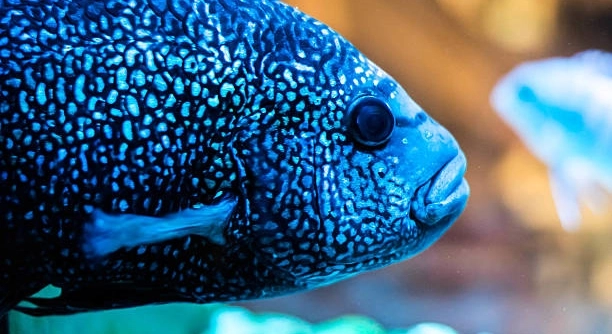
Have you ever noticed your Jack Dempsey fish acting tense or hiding more than usual in its tank? These fish are naturally bold but can become stressed if their environment isn’t carefully managed.
Maintaining a relaxed Jack Dempsey requires stable water conditions, proper tank decorations, and consistent feeding routines. Providing shelter, reducing sudden disturbances, and monitoring their health closely helps minimize stress and supports calm, balanced behavior in these cichlids.
Applying these simple approaches can make your aquarium a peaceful space. Following these tips will support your fish’s well-being and create a calmer, healthier environment.
Choose the Right Tank Size
A proper tank size is essential for keeping Jack Dempsey fish relaxed. These cichlids grow fairly large and need space to swim comfortably. A tank that is too small can cause stress, aggression, and health issues. Ideally, a single Jack Dempsey should have at least a 55-gallon tank, while multiple fish require 75 gallons or more. Providing enough space helps reduce territorial behavior and gives each fish its own area to explore. Decorations and hiding spots are important, but they should not overcrowd the tank. Open swimming areas allow the fish to feel secure while still offering shelter when needed. Regularly monitoring the tank and avoiding overcrowding ensures your Jack Dempsey remains calm and healthy. Proper filtration and aeration also support water quality, which directly impacts their stress levels. Maintaining consistent conditions with sufficient space is one of the simplest ways to keep these fish relaxed.
Tank size directly influences stress levels in Jack Dempsey fish. Larger tanks with open areas and hiding spots promote natural behavior and reduce aggression effectively.
A spacious tank encourages natural swimming patterns and allows fish to establish territories without constant confrontation. With enough room, Jack Dempseys interact less aggressively and display calmer behaviors. This also simplifies maintenance, as larger tanks stabilize water conditions more easily, reducing stress from sudden changes. Observing your fish in a well-sized environment shows a noticeable difference in their activity and overall well-being. Proper planning from the start saves effort later, creating a more peaceful and enjoyable aquarium experience for both the fish and the caretaker.
Maintain Stable Water Conditions
Keeping water conditions stable is crucial for relaxed Jack Dempsey fish. They are sensitive to sudden changes in temperature, pH, or hardness. Consistent water quality reduces stress and supports their immune system.
Monitoring water parameters daily and performing regular partial water changes keeps the tank environment safe. Using a reliable heater and filter helps maintain steady temperature and circulation. Avoid introducing chemicals or untreated water that can shock the fish. A stable environment allows your Jack Dempsey to explore and interact naturally, without being on edge. Over time, this consistency builds trust in their habitat, making them more comfortable and less aggressive toward tank mates.
Temperature fluctuations and water instability often lead to nervous or aggressive behavior. A steady environment supports healthy gill function and digestion, while reducing stress-related illnesses. Maintaining proper filtration, aeration, and pH levels ensures that toxins like ammonia or nitrites remain low, preventing sudden health problems. Testing water weekly and keeping records allows you to notice trends before they affect the fish. Feeding should also remain consistent, with high-quality food given at regular intervals. Combining these measures, your Jack Dempsey will display calmer movements, explore the tank confidently, and interact positively with other fish. A stable, well-maintained environment is the foundation for relaxed, healthy cichlids.
Provide Hiding Spots
Hiding spots reduce stress and help Jack Dempsey feel secure. Rocks, caves, and plants create safe areas where they can retreat if needed.
Creating multiple hiding areas prevents territorial disputes and encourages natural behavior. Jack Dempseys often claim spaces, so having several options keeps aggression low. Using sturdy decorations ensures they don’t shift or trap the fish, which could cause injury. Plants, whether real or artificial, add cover and help diffuse bright light, making the environment more comfortable. Positioning caves at different levels lets the fish choose where they feel safest. This variety supports calmer interactions between tank mates. Observing them use these areas shows they feel confident and less threatened. Regularly checking hiding spots for cleanliness and stability maintains their usefulness over time, keeping the fish relaxed.
Properly arranged shelters also provide areas for resting and avoiding strong currents. Jack Dempseys may spend hours in these spots when stressed, so ensure they are easily accessible and spacious enough for comfort. Multiple hiding spots create a sense of control over their surroundings, which lowers stress hormones naturally. Using a mix of textures and sizes caters to different moods and activity levels, giving the fish freedom to explore safely. This setup supports both shy and dominant individuals, promoting a balanced tank environment.
Hiding spots can also serve as visual barriers, reducing direct line-of-sight confrontations. When tank mates cannot constantly see each other, aggression drops significantly. Proper placement prevents overcrowding in one area, encouraging movement throughout the tank. Over time, fish become confident in exploring the open areas while having secure retreats available. This combination of freedom and safety results in a relaxed, healthier Jack Dempsey that exhibits normal behaviors like foraging, swimming, and interacting with its environment naturally.
Control Lighting
Bright or fluctuating lighting can stress Jack Dempsey fish. Moderate, consistent light is ideal for their comfort.
Using dimmable or shaded lighting prevents sudden changes that startle the fish. Jack Dempseys are more active under soft light but need shaded areas to rest. Positioning lights above plants or decorations helps diffuse intensity while maintaining visibility. Avoid turning lights on and off abruptly, as this can trigger stress responses. Gradually adjusting light duration and intensity simulates natural cycles, supporting circadian rhythms. Consistent lighting encourages calm behavior and reduces erratic swimming or hiding.
Lighting also influences algae growth and plant health, which indirectly affects fish comfort. Overly bright tanks can increase stress and make fish more reactive to movement. Providing timers ensures steady light periods and reduces human error. Combining controlled light with hiding spots and stable water conditions creates a balanced environment where Jack Dempseys feel safe and can display natural behavior. Maintaining this balance makes the tank predictable and less intimidating, allowing fish to thrive without unnecessary tension or aggression.
Keep a Consistent Feeding Schedule
Regular feeding helps Jack Dempsey fish stay calm and predictable. Feeding at the same times each day prevents stress and over-competition among tank mates.
Providing the correct portion avoids leftover food that can pollute the tank. Overfeeding may cause water quality issues, which directly increase stress.
Choose Appropriate Tank Mates
Jack Dempseys can be territorial, so selecting compatible fish is essential. Avoid smaller or very passive species that may become targets.
Moderate-sized, equally assertive cichlids or other robust fish work best. Introducing tank mates slowly and observing interactions prevents aggression. A carefully planned community tank reduces stress and keeps the fish relaxed.
Maintain Clean Water
Regular water maintenance is critical for Jack Dempsey health. Removing waste and debris keeps water safe.
A clean tank prevents stress-related illness. Partial water changes and proper filtration are necessary to maintain stable water conditions.
FAQ
How often should I feed my Jack Dempsey fish?
Feeding twice a day is usually sufficient for adult Jack Dempseys. Offer only what they can consume in 2–3 minutes to prevent leftover food from polluting the water. Younger fish may need three smaller feedings daily to support growth and energy.
What water temperature is best for keeping them relaxed?
Jack Dempseys thrive in water between 74°F and 82°F. Consistent temperature is crucial, as sudden changes can stress the fish. Using a reliable heater and thermometer helps maintain stable conditions and supports normal behavior.
How often should I perform water changes?
A 25–30% water change every week keeps the tank clean and reduces harmful chemicals like ammonia and nitrites. Regular water changes improve water clarity, oxygen levels, and overall fish health, which lowers stress and aggression.
Can Jack Dempsey fish live with other cichlids?
Yes, but only with similarly sized and equally assertive cichlids. Avoid tiny or overly passive species, as Jack Dempseys may see them as targets. Introducing new fish slowly and providing plenty of hiding spots helps maintain peace.
What kind of decorations are best for stress relief?
Rocks, caves, and sturdy plants offer hiding spaces that make the fish feel secure. Avoid overcrowding the tank with decorations. Multiple hiding areas prevent territorial disputes and encourage natural behaviors.
Do Jack Dempseys need live plants?
Live plants are optional but beneficial. They provide cover, help diffuse light, and contribute to water quality. Hardy species like Java fern or Anubias are good choices, as they withstand cichlid activity without being uprooted easily.
Why is my Jack Dempsey hiding all the time?
Excessive hiding can indicate stress from poor water quality, aggressive tank mates, or lack of proper hiding spots. Checking water parameters, providing shelters, and evaluating tank mates usually helps the fish feel secure.
Is it okay to use bright lights in the tank?
Bright, fluctuating lights can stress Jack Dempseys. Moderate, consistent lighting is better. Soft light encourages activity while shaded areas allow resting. Using timers and adjustable lights mimics natural day-night cycles, reducing stress.
How do I know if my fish is stressed?
Signs include hiding, erratic swimming, loss of appetite, or aggressive behavior. Monitoring water quality, tank setup, and feeding routines can help identify causes. Correcting these factors usually restores calm and natural behavior.
Can sudden changes in the tank make my fish aggressive?
Yes. Moving decorations, introducing new fish, or changing water parameters too quickly can trigger stress. Making gradual adjustments allows Jack Dempseys to adapt, reducing aggressive tendencies and maintaining a relaxed environment.
What type of food keeps them calm and healthy?
High-quality pellets, frozen or live foods like brine shrimp, bloodworms, and occasional vegetables ensure proper nutrition. Avoid overfeeding, which can reduce water quality and increase stress. A balanced diet supports growth, immune function, and overall calm behavior.
How do I prevent territorial fights?
Providing enough space, multiple hiding spots, and choosing compatible tank mates minimizes conflict. Dividing the tank visually with rocks or plants helps fish feel secure without constant confrontation. Monitoring interactions allows intervention if aggression escalates.
Can Jack Dempseys live in a community tank?
They can, with careful planning. Choose fish of similar size and temperament. Avoid tiny or slow-moving species that may be bullied. Sufficient space, decorations, and hiding areas help maintain a peaceful community tank environment.
How do I make my fish more comfortable in the tank?
Stable water, hiding spots, moderate lighting, regular feeding, and compatible tank mates all contribute to comfort. Observing behavior and adjusting the tank as needed ensures a relaxed environment where Jack Dempseys can thrive naturally.
What is the best pH level for these fish?
Jack Dempseys prefer slightly acidic to neutral water, with a pH between 6.5 and 7.5. Maintaining stable pH prevents stress and supports digestion, immunity, and overall well-being. Sudden pH shifts should be avoided at all costs.
How do I reduce stress during tank cleaning?
Perform partial water changes rather than full cleanings, avoid disturbing decorations too much, and keep feeding and lighting routines consistent. Gentle handling and minimal disruption help fish remain calm during maintenance.
Can tank size affect stress levels?
Yes. Too small a tank leads to aggression, constant territorial disputes, and heightened stress. Providing adequate swimming space for each fish promotes relaxed behavior, healthier interactions, and overall well-being in Jack Dempseys.
Is hiding behavior always a sign of stress?
Not always. Jack Dempseys naturally use hiding spots for resting or temporary retreat. However, prolonged or excessive hiding usually signals stress or discomfort, which requires checking water, tank mates, and environment.
What’s the ideal water hardness for these fish?
Moderately hard water is best, typically between 8–12 dGH. Stable hardness supports healthy bone and scale development, reduces stress, and ensures normal metabolic function. Drastic changes in hardness can upset their system.
Do Jack Dempseys recognize their owners?
Yes, they may become familiar with your presence and daily routines. While they don’t form bonds like mammals, they can display curiosity, come to the front during feeding, and react differently to consistent, calm interactions.
How do I prevent overfeeding-related stress?
Feed measured amounts that the fish can eat in a few minutes, removing excess. Overfeeding leads to water pollution, which causes stress, aggression, and health issues. Consistent portion control keeps both fish and tank healthy.
Can temperature fluctuations make Jack Dempseys sick?
Yes, sudden drops or spikes in temperature can stress the fish, weaken immunity, and increase vulnerability to disease. Using a reliable heater and monitoring temperature daily prevents health problems and maintains a calm environment.
How can I tell if my tank is overcrowded?
Signs include constant chasing, hiding, or aggressive displays. Limited swimming space increases stress and territorial disputes. Ensuring at least 55 gallons for one adult fish or 75+ for multiple fish reduces overcrowding and encourages relaxed behavior.
Do decorations need regular maintenance?
Yes. Clean rocks, caves, and plants periodically to prevent algae buildup or trapped debris. Maintaining decorations ensures safe hiding spots, reduces stress, and keeps the environment comfortable and visually appealing for the fish.
How long does it take for Jack Dempseys to calm down in a new tank?
It varies but typically a few weeks. Stable conditions, hiding spots, proper lighting, and consistent feeding help fish acclimate faster. Patience is key, as forcing interaction or moving decorations too quickly can prolong stress.
What are common mistakes that stress these fish?
Overcrowding, sudden water changes, incompatible tank mates, fluctuating temperature, inconsistent feeding, and harsh lighting are all stressors. Avoiding these mistakes promotes relaxed behavior, better health, and reduces aggression naturally.
How important is tank layout for reducing stress?
Very important. Strategic placement of decorations, hiding spots, and open swimming areas prevents conflict, supports natural behavior, and creates a sense of security. A thoughtful layout directly impacts how calm and confident Jack Dempseys feel.
Can I use a bubbler or air stone?
Yes, gentle aeration can improve oxygen levels and circulation. Avoid strong currents that may stress Jack Dempseys. Properly placed air stones provide comfort without disturbing resting or hiding areas.
Are Jack Dempseys more active during the day or night?
They are primarily diurnal, most active during daylight. Consistent lighting schedules help regulate activity and rest periods, contributing to overall calm behavior and less erratic swimming.
Is it necessary to quarantine new fish?
Yes. Quarantining prevents the spread of disease and reduces stress caused by sudden introduction to a new environment. A two-week quarantine ensures new fish are healthy before entering the main tank.
How do I handle aggressive behavior safely?
Separate aggressive individuals temporarily, add more hiding spots, or rearrange decorations to break established territories. Avoid direct handling whenever possible, as this increases stress for both fish and caretaker.
What role does diet play in stress reduction?
Balanced nutrition supports health, immune function, and energy levels. Feeding high-quality pellets, occasional live or frozen foods, and monitoring portion sizes reduces stress and supports calm, natural behavior in Jack Dempseys.
How can I tell if water parameters are ideal?
Regular testing of ammonia, nitrites, nitrates, pH, temperature, and hardness ensures a safe environment. Stable readings within recommended ranges indicate the tank conditions are suitable for calm, healthy fish.
Do Jack Dempseys need companions?
They can thrive alone or with compatible tank mates. While they don’t require company, well-selected companions encourage natural interactions without causing stress or constant aggression.
How do I reduce stress during tank rearrangement?
Move decorations gradually, avoid disturbing hiding spots excessively, and maintain consistent lighting and feeding. Minimizing sudden changes allows the fish to adapt without increased anxiety or aggression.
Can stress affect their color?
Yes. Stressed Jack Dempseys often display duller colors or lose vibrancy. Stable conditions, proper diet, and reduced aggression help maintain bright, natural coloration.
Is water filtration necessary for relaxation?
Absolutely. A reliable filter removes waste and maintains stable water conditions. Clean, well-filtered water prevents stress, supports health, and reduces erratic behavior.
How do I monitor stress over time?
Observe behavior, appetite, and color regularly. Consistent hiding, aggression, or loss of color indicates ongoing stress. Adjusting tank conditions, feeding, and environment as needed ensures long-term relaxation and health.
Can seasonal changes affect stress levels?
Yes, temperature and light fluctuations can impact behavior. Maintaining stable water temperature, light schedules, and careful monitoring during seasonal changes helps Jack Dempseys remain relaxed year-round.
Is tank location important?
Yes, placing the tank in a quiet, stable area away from constant movement or loud noises reduces stress. Avoid direct sunlight or drafts to maintain stable temperature and light conditions.
What are signs of a comfortable Jack Dempsey?
Relaxed swimming, consistent appetite, vibrant color, and occasional exploration of hiding spots indicate comfort. Calm interaction with tank mates and gentle curiosity toward their surroundings shows a healthy, relaxed fish.
How long does it take to notice improvement after changes?
Behavior usually improves within days to weeks after adjusting water, tank layout, lighting, or feeding. Patience and consistency are key to achieving calm and healthy fish.
Are there special considerations for breeding pairs?
Yes. Breeding pairs become territorial. Extra hiding spots, sufficient space, and careful monitoring reduce aggression. Keeping water stable and providing nutritious food supports both calm behavior and successful breeding.
Can tapping on the glass stress them?
Yes, sudden tapping or vibrations startle Jack Dempseys. Avoid banging on the glass or making abrupt movements near the tank to maintain a relaxed environment.
How do I balance tank aesthetics and fish comfort?
Prioritize hiding spots, open swimming space, and stable decorations over purely decorative elements. Functional design that supports fish behavior ensures both a visually appealing and stress-free tank.
Is it normal for them to rearrange the substrate?
Yes. Jack Dempseys naturally dig or move substrate. Providing sufficient substrate and stable decorations accommodates this behavior without causing stress or damaging plants.
What’s the best way to introduce new tank mates?
Introduce them slowly, ideally in a separate partition for a few days. Monitor interactions carefully, and provide extra hiding spots to prevent stress and aggression.
Can stress cause illness?
Yes. Chronic stress weakens the immune system, making Jack Dempseys susceptible to disease. Maintaining water quality, proper feeding, and a stable environment reduces the risk of stress-related illness.
How can I tell if hiding spots are adequate?
Multiple shelters at different tank levels, easy access, and size large enough for fish indicate adequate hiding spots. Observing the fish using these areas regularly shows they feel secure.
Do Jack Dempseys interact with humans?
Yes, they can recognize routine and may swim near the glass during feeding. While not affectionate, consistent, calm interactions create predictable and comfortable conditions.
Can sudden noise or vibrations cause stress?
Yes, sudden loud noises, slamming doors, or heavy footsteps near the tank can startle Jack Dempseys. Minimizing disturbances promotes a calm and relaxed environment.
Are artificial plants safe for hiding spots?
Yes, sturdy artificial plants work well. Ensure they have no sharp edges and are anchored securely to prevent injury or sudden shifts that might stress the fish.
How important is oxygenation for stress reduction?
Proper aeration improves oxygen levels and circulation. Gentle filtration and air stones support calm behavior, while insufficient oxygen can cause restlessness, rapid breathing, and stress.
Can overcrowding stress the dominant fish?
Yes. Dominant Jack Dempseys may become more aggressive when space is limited. Ensuring enough swimming room and hiding spots reduces conflict and creates a more relaxed environment.
How can I create visual barriers in the tank?
Use rocks, caves, or plants to break lines of sight. Visual barriers prevent constant confrontation, reduce aggression, and support calmer interactions between tank mates.
Do Jack Dempseys need routine observation?
Yes. Regularly watching behavior, color, and swimming patterns helps detect stress early. Timely adjustments to water, tank layout, or feeding routines maintain a healthy, relaxed fish.
Can temperature changes at night affect stress?
Yes. Small drops can trigger discomfort or hiding behavior. Using a heater with a thermostat ensures stable nighttime temperatures and reduces stress.
Is it necessary to use a water conditioner?
Yes, conditioning tap water removes chlorine, chloramine, and heavy metals. Treated water reduces stress and prevents irritation or illness, supporting overall comfort and calm behavior.
How do I prevent boredom in the tank?
Provide varied decorations, hiding spots, and occasional enrichment like rearranged substrate or floating objects. Mental stimulation keeps Jack Dempseys active without increasing stress or aggression.
Can stress affect growth?
Yes, chronic stress slows metabolism and can stunt growth. Maintaining stable conditions, proper nutrition, and a calm environment promotes healthy development and natural growth patterns.
Are Jack Dempseys sensitive to sudden light changes?
Yes. Abrupt lighting can cause panic or erratic swimming. Gradual adjustments and shaded areas prevent stress and maintain relaxed behavior.
Can a fishless cycle reduce stress for new Jack Dempseys?
Yes. Establishing a nitrogen cycle before adding fish ensures stable water conditions. A cycled tank reduces exposure to toxins, supporting calm behavior and preventing early stress-related health issues.
Is it necessary to feed live food regularly?
Not regularly, but occasional live food adds enrichment and stimulates natural hunting behavior. Balanced feeding with high-quality pellets is sufficient for daily nutrition.
Do Jack Dempseys need visual stimulation?
Yes, but too much movement outside the tank can stress them. Moderate interaction and observing their surroundings without constant disturbance supports relaxed behavior.
How long can Jack Dempseys tolerate minor water fluctuations?
Short-term minor changes are manageable, but prolonged instability in temperature, pH, or hardness increases stress. Maintaining consistency is crucial for long-term comfort.
Is overhandling a risk?
Yes. Frequent or rough handling increases stress and can lead to injury. Use nets sparingly and avoid unnecessary contact whenever possible.
Can using a filter with too strong a current cause stress?
Yes. Jack Dempseys prefer gentle currents. High flow can fatigue them, reduce feeding efficiency, and increase hiding. Adjusting filter output ensures calm swimming conditions.
Do they react to human shadows or movement?
Yes, rapid movements outside the tank can startle them. Minimizing sudden shadows or quick actions helps maintain a relaxed environment.
Can stress affect breeding success?
Yes, stressed fish may become aggressive, infertile, or abandon eggs. Stable conditions, sufficient space, hiding spots, and proper nutrition encourage successful breeding with minimal conflict.
Are Jack Dempseys prone to specific stress-related diseases?
Yes, common issues include fin rot, bacterial infections, and parasitic infestations. Maintaining clean water, proper diet, and low-stress conditions reduces these risks significantly.
How do I introduce changes without causing stress?
Make small adjustments gradually. Rearrange decorations, introduce new fish, or adjust lighting in stages. Gradual changes allow Jack Dempseys to adapt without heightened aggression or fear.
Can seasonal temperature drops affect behavior?
Yes. Even small temperature shifts can reduce appetite and activity. Using a reliable heater and monitoring conditions keeps behavior stable and reduces stress.
Do Jack Dempseys ever need solitary time?
Yes, dominant or stressed individuals benefit from having territory without constant interaction. Providing sufficient space and hiding areas ensures peaceful coexistence in community tanks.
How important is water flow direction?
Flow should not directly hit resting or hiding areas. Gentle circulation supports oxygenation without disturbing the fish, helping maintain calm and natural swimming patterns.
Can bright tank backgrounds cause stress?
Yes, overly bright or reflective backgrounds may cause agitation. Neutral or darker backgrounds reduce visual stress and create a more comfortable environment.
How do I monitor aggression levels?
Watch interactions between tank mates. Frequent chasing, nipping, or territorial disputes signal tension. Adjusting space, hiding spots, or separating individuals reduces stress and prevents injury.
Is it safe to use chemical additives for stress relief?
Use only reputable water conditioners or stress-reducing products designed for aquariums. Avoid untested chemicals, which may harm water quality or the fish’s health.
Can changing food brands cause stress?
Sudden diet changes may lead to reduced appetite or digestive upset. Introduce new foods gradually, mixing them with the current diet to allow adjustment without stress.
How do I know if my Jack Dempsey is happy?
Calm swimming, vibrant color, regular feeding, and interaction with the environment indicate comfort. Use these behavioral cues to assess overall well-being regularly.
Is frequent water testing necessary?
Yes, regular testing ensures parameters remain within safe ranges. Monitoring ammonia, nitrite, nitrate, pH, and hardness prevents stress and supports long-term health.
Can a filter malfunction cause sudden stress?
Yes, loss of filtration can quickly degrade water quality. Backup filters or alarms help prevent stress and maintain stable tank conditions.
How do I avoid territorial disputes in small tanks?
Provide visual barriers, multiple hiding spots, and sufficient open swimming areas. Avoid overcrowding to reduce constant confrontations and stress among fish.
Is it normal for Jack Dempseys to occasionally chase each other?
Yes, brief displays of dominance are natural. Persistent or aggressive chasing indicates overcrowding, lack of hiding spots
Keeping Jack Dempsey fish relaxed is largely about creating a stable and comfortable environment. These cichlids are naturally bold, and their behavior is influenced heavily by the conditions in the tank. A properly sized tank, consistent water parameters, and well-placed decorations all contribute to their overall calmness. When the fish have enough space to swim, explore, and establish their own territories, stress levels drop naturally. Providing hiding spots and visual barriers also allows them to retreat when needed, giving them a sense of security. Overcrowding or sudden changes in the tank can quickly increase tension, so careful planning from the start is essential for a peaceful aquarium.
Feeding routines and nutrition play an equally important role in keeping Jack Dempseys relaxed. Offering the right amount of food at regular intervals prevents competition and reduces the risk of leftover food polluting the tank. A balanced diet that includes high-quality pellets and occasional frozen or live foods supports their health and energy. Healthy fish are calmer and less likely to show aggressive or erratic behavior. Along with diet, lighting and water movement should be managed to suit the fish’s natural preferences. Moderate, consistent lighting with shaded areas and gentle water flow helps them feel comfortable and encourages normal activity.
Regular observation and maintenance are also key to long-term calm behavior. Checking water parameters, performing partial water changes, and maintaining filtration prevent the buildup of toxins and keep conditions consistent. Observing the fish’s behavior allows you to detect early signs of stress, such as hiding for long periods, loss of appetite, or color changes. Gradual adjustments to tank layout, water conditions, or lighting are better than sudden changes, which can trigger stress. By combining proper tank setup, stable conditions, consistent feeding, and careful observation, Jack Dempseys can live in a relaxed and healthy environment. Over time, these practices help the fish display natural behaviors, maintain vibrant coloration, and interact calmly with tank mates, creating a more enjoyable experience for both the fish and the caretaker.

Hello,
If you enjoy the content that we create, please consider saying a "Thank You!" by leaving a tip.
Every little bit helps us continue crafting quality advice that supports the health, happiness, and well-being of pets around the world, for pets of all shapes, sizes, and species.
We really appreciate the kindness and support that you show us!