
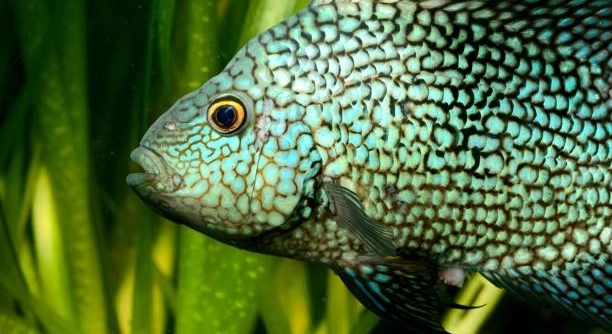
Have you ever noticed your Jack Dempsey fish lingering near the heater for long periods? This behavior can be common in home aquariums, especially when water temperature or environmental conditions do not fully meet their needs.
Jack Dempsey fish may hover near the heater due to fluctuations in water temperature or suboptimal warmth in the tank. Consistent, suitable temperatures help regulate their metabolism, reduce stress, and promote normal swimming and feeding behaviors.
Observing this habit can reveal more about your tank’s environment and guide you toward adjustments for healthier fish.
Understanding Jack Dempsey Fish Behavior
Jack Dempsey fish are known for their unique personalities and distinct behaviors in aquariums. One common behavior is hovering near heat sources, which often signals their need for stable water temperatures. These fish thrive in warmer waters, usually between 78 and 85 degrees Fahrenheit, and sudden drops can make them seek warmth. Their activity levels, appetite, and overall health are strongly influenced by temperature consistency. Other environmental factors, such as water quality, tank size, and decorations, also play a role. Stress can arise from overcrowding, aggressive tank mates, or insufficient hiding spaces, causing them to behave differently than usual. Paying attention to their movements and positioning helps identify if something in the tank needs adjustment. Tank heaters should be set carefully, and regular monitoring ensures the water remains at an appropriate level. Observing their daily habits allows owners to create a comfortable and safe environment for these lively fish.
Proper heater placement ensures even heat distribution and reduces sudden temperature changes.
Regular checks on water parameters and tank equipment prevent stress-related behaviors and support healthier, more active Jack Dempsey fish. Maintaining stable conditions encourages normal swimming patterns and helps avoid frequent hovering near heaters. Adjustments to tank layout or additional thermometers can provide precise monitoring. Providing varied hiding spots and stable water chemistry improves their comfort and reduces anxiety. Consistent feeding schedules also contribute to calmer, more predictable behavior. Observing small changes in posture, coloration, or energy levels can alert owners to potential issues before they escalate. Gradual acclimation during water changes or heater adjustments minimizes sudden stress. A well-maintained tank promotes natural behaviors, allowing these fish to display their unique personality traits without unnecessary stress. Over time, attentive care reduces hovering near heaters, creating a more balanced and harmonious environment that supports both physical health and mental well-being for Jack Dempsey fish.
Adjusting Tank Temperature Effectively
Even minor temperature drops can affect Jack Dempsey fish behavior.
Maintaining a consistent temperature in a Jack Dempsey tank is essential for their health. Fluctuating temperatures can reduce their immune response and make them more susceptible to illness. Using a reliable aquarium heater with a thermostat helps keep the water stable. Positioning the heater properly ensures uniform warmth throughout the tank, preventing cold spots. Regularly checking water temperature with a digital thermometer provides precise readings, allowing quick corrections if needed. Gradual temperature changes are better than sudden shifts, which can shock the fish. Combining proper heating with good water circulation ensures even heat distribution and reduces stress. A backup heater or heater guard can add safety and prevent accidental temperature drops, particularly during power outages. Monitoring seasonal temperature changes is also important, especially in rooms with variable climates. Adjusting heater settings and monitoring water daily keeps Jack Dempsey fish active and healthy while minimizing hovering behaviors. Following these steps fosters a stable, comfortable environment that supports their natural routines and overall well-being.
Common Signs of Temperature Stress
Jack Dempsey fish may show signs of stress when water temperatures are inconsistent. Hovering near the heater, lethargy, loss of appetite, or rapid gill movement are common indicators. Recognizing these behaviors early allows for timely adjustments.
Temperature stress can affect the immune system and behavior of Jack Dempsey fish. Fish that linger near heaters often do so because the surrounding water is cooler than their preferred range. They may become less active, hiding more frequently or avoiding feeding times. Prolonged exposure to unsuitable temperatures can weaken their health, making them more prone to disease and slower to recover from minor illnesses. Observing their movements, energy levels, and coloration provides insight into how well they are coping with current tank conditions, allowing you to take corrective measures quickly. Maintaining a consistent temperature helps reduce these stress responses and supports their overall vitality.
Monitoring other signs of discomfort, such as unusual swimming patterns or changes in coloration, helps track stress levels over time. Adjusting tank heating gradually and ensuring proper equipment functioning can restore normal behavior and improve long-term health. Consistent feeding and reducing sudden environmental changes also prevent further stress, allowing Jack Dempsey fish to remain active and engaged in their environment.
Tools to Maintain Stable Temperature
Digital thermometers provide precise readings to ensure consistent tank warmth. Heaters with adjustable thermostats maintain optimal conditions automatically.
Using reliable tools makes managing tank temperature much easier. A good-quality heater with a built-in thermostat allows water to stay within the ideal 78–85 degrees Fahrenheit range, reducing the risk of sudden drops. Digital thermometers provide accurate, easy-to-read measurements, helping monitor temperature daily. Heater guards prevent accidental burns or fish contact, while backup heaters offer safety during power interruptions. Combining these tools with regular water checks ensures stability and promotes healthier fish. Stable temperature supports normal feeding, reduces hovering near heaters, and prevents stress-related behaviors, making the tank environment safer and more comfortable for Jack Dempsey fish.
Thermostats, timers, and monitoring tools work together to maintain balance. Consistent heat reduces stress, supports metabolism, and encourages natural behaviors. Proper placement of heaters and thermometers ensures even warmth throughout the tank. These measures help keep Jack Dempsey fish active, healthy, and comfortable in their environment. Regular observation combined with reliable equipment allows owners to respond quickly to temperature fluctuations, protecting the fish from long-term health issues. Small adjustments and careful monitoring make a significant difference in maintaining a stable and thriving aquarium for these vibrant fish.
Preventing Cold Spots in the Tank
Uneven heating can create cold spots where Jack Dempsey fish may gather. Positioning the heater properly and using water circulation tools helps maintain a uniform temperature throughout the tank.
Regularly checking different areas of the tank ensures no spots are significantly cooler. This prevents fish from lingering in one area and reduces stress.
Using Backup Heaters
A backup heater provides extra security during power outages or heater malfunctions. It ensures that water temperature remains stable, protecting fish from sudden drops.
Monitoring Water Temperature Daily
Daily temperature checks help maintain consistent conditions. Using a reliable thermometer allows quick detection of changes and ensures Jack Dempsey fish remain healthy and comfortable.
FAQ
Why does my Jack Dempsey fish stay near the heater all the time?
Jack Dempsey fish often hover near heaters because the surrounding water is cooler than their preferred range of 78–85 degrees Fahrenheit. They instinctively seek warmer areas to regulate their metabolism and maintain comfort. Prolonged hovering usually indicates uneven temperature distribution or minor fluctuations in the tank.
Can hovering near the heater harm my fish?
Consistently staying near a heater can be stressful for Jack Dempsey fish. Over time, this behavior may affect their energy levels, appetite, and immune system. Ensuring stable temperatures throughout the tank and avoiding sudden drops helps prevent stress-related health issues.
How do I know if my tank has cold spots?
Cold spots appear where the water circulation is weak or the heater’s warmth doesn’t reach evenly. You can check by placing thermometers in different areas of the tank. Fish gathering repeatedly in a specific corner is also a strong indicator.
What tools help maintain even tank temperatures?
A reliable heater with a built-in thermostat, digital thermometers, and water pumps for circulation are essential. Heater guards prevent accidental contact, and backup heaters provide extra security during power interruptions. These tools together create a stable environment for your fish.
How often should I check the tank temperature?
Daily monitoring is ideal. Temperature can fluctuate due to room conditions, seasonal changes, or equipment performance. Regular checks allow quick adjustments before the fish experience stress or discomfort.
Can water changes affect temperature stability?
Yes, adding water that is too cold or too warm can create sudden shifts. Always use water that matches the tank’s temperature or acclimate it slowly before adding it to avoid shocking the fish.
Is hovering a sign of illness or stress?
While hovering near the heater is often linked to temperature, it can also indicate stress or illness. Look for other signs like loss of appetite, color changes, or unusual swimming patterns. Prompt adjustments and careful observation can prevent more serious problems.
Can multiple Jack Dempsey fish affect temperature behavior?
Yes, tank size and number of fish impact water circulation and temperature distribution. Overcrowding may create micro-cold zones or increase stress levels, causing more hovering near the heater. Proper stocking and even heater placement help maintain balance.
Should I use multiple heaters for a large tank?
For larger tanks, using two heaters spaced apart ensures even heat distribution and reduces the likelihood of cold spots. Each heater should have a thermostat, and temperatures should be regularly monitored to maintain consistency.
Does hovering mean the heater is too hot?
Not usually. If the water is too warm, fish may avoid the heater. Hovering typically indicates they are seeking warmth, not escaping it. Monitoring temperature carefully and adjusting the heater setting ensures it stays within the safe range.
How can I make my tank more comfortable for Jack Dempsey fish?
Stable water temperature, proper circulation, hiding spots, and consistent feeding schedules all help. Reducing sudden environmental changes and keeping water chemistry balanced also minimizes stress, making fish less likely to hover near heaters constantly.
Can room temperature affect the tank?
Yes, cold drafts or warm sun exposure can influence water temperature. Positioning the tank away from windows, vents, or direct sunlight and using reliable heating equipment ensures more consistent conditions.
What is the best type of thermometer for monitoring temperature?
Digital thermometers are the most accurate and easiest to read. They provide precise measurements, often with alerts for sudden changes, allowing timely adjustments to prevent stress or illness.
How long does it take for Jack Dempsey fish to adjust to temperature changes?
Gradual changes are necessary. Sudden shifts can shock the fish. Slowly acclimating water temperature over 30–60 minutes during changes or water additions helps them adjust safely and reduces hovering behaviors.
Can hovering behavior indicate long-term tank problems?
Yes, repeated hovering may reveal persistent issues such as heater malfunction, poor circulation, or unsuitable water parameters. Addressing these problems promptly ensures healthier fish and prevents chronic stress or disease.
Is it necessary to use heater guards?
Heater guards prevent fish from accidentally touching hot surfaces, which can cause burns or injury. They also help maintain heater position, ensuring even heat distribution and safer conditions for Jack Dempsey fish.
How do I prevent future temperature-related stress?
Use a reliable heater, monitor temperature daily, maintain proper circulation, and perform gradual water changes. Consistent care, observation, and preventive measures keep Jack Dempsey fish comfortable and reduce hovering behavior over time.
Are there other reasons Jack Dempsey fish hover near one area?
Besides temperature, factors like tank layout, hiding spots, or aggressive tank mates can cause fish to linger in one spot. Observing overall behavior and tank conditions helps identify the real reason.
How important is water circulation for temperature control?
Proper water movement ensures even heat distribution and prevents cold spots. Pumps or filters that move water throughout the tank create a stable environment, reducing stress and minimizing the need for fish to hover near heaters.
Can seasonal changes affect hovering behavior?
Yes, room temperature changes during seasons can influence tank temperature. Adjusting heater settings and monitoring conditions during seasonal shifts helps maintain stability and keeps Jack Dempsey fish comfortable year-round.
Is hovering more common in young or older Jack Dempsey fish?
Both age groups may hover if temperatures are not ideal, but younger fish are generally more sensitive to sudden changes. Consistent heating and monitoring help all age groups thrive in the tank.
What is the best overall approach to prevent hovering?
Combine stable heating, daily temperature monitoring, proper water circulation, gradual adjustments during changes, and balanced tank conditions. This approach reduces stress, supports natural behavior, and keeps Jack Dempsey fish healthy and active.
Word count: 502
Jack Dempsey fish are vibrant and interesting additions to a home aquarium, but they require consistent care to stay healthy. One of the most common behaviors owners notice is hovering near the heater. This is often a response to temperature fluctuations or areas in the tank that are cooler than the rest. While it may seem harmless, prolonged hovering can indicate stress or discomfort, which can affect the fish’s appetite, energy levels, and overall health. Understanding why your fish display this behavior allows you to make practical adjustments, ensuring they remain comfortable and active in their environment. Proper care includes maintaining stable temperatures, monitoring water quality, and providing a well-arranged tank that meets their needs. By paying attention to these details, you can create a stable and safe environment that encourages natural behaviors and reduces unnecessary stress.
Maintaining the right temperature is one of the most important factors for Jack Dempsey fish. Using a reliable heater with a thermostat helps keep water consistent within their preferred range of 78–85 degrees Fahrenheit. Digital thermometers make it easier to monitor the water, and placing them in different areas ensures even heating throughout the tank. Backup heaters can provide extra security during power interruptions, while heater guards prevent accidental contact that could harm the fish. Regular checks for temperature consistency, especially after water changes or seasonal room temperature fluctuations, help avoid sudden stress. Combining proper heating with good water circulation prevents cold spots and supports healthy swimming patterns. This careful monitoring and adjustment make a big difference in keeping Jack Dempsey fish comfortable and active.
Creating a stable environment goes beyond temperature control. Proper tank setup, including hiding spaces, sufficient room, and compatible tank mates, helps reduce stress. Feeding schedules and water maintenance routines also contribute to overall well-being. Observing your fish regularly for changes in behavior, posture, or coloration can alert you to problems early. Gradual adjustments in tank conditions, whether it is temperature, water chemistry, or equipment, allow your fish to acclimate safely without unnecessary stress. Over time, consistent care and attention lead to healthier, more vibrant Jack Dempsey fish. They will swim naturally, eat reliably, and show less hovering near the heater, allowing you to enjoy a thriving and balanced aquarium.
Word count: 410

Hello,
If you enjoy the content that we create, please consider saying a "Thank You!" by leaving a tip.
Every little bit helps us continue crafting quality advice that supports the health, happiness, and well-being of pets around the world, for pets of all shapes, sizes, and species.
We really appreciate the kindness and support that you show us!