
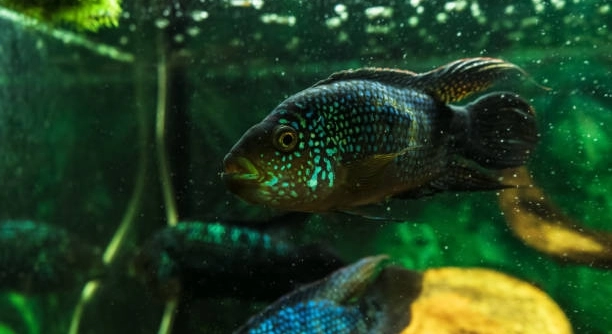
Have you ever noticed your Jack Dempsey fish acting unusually bold or restless in the tank? These striking fish are admired for their colors and charm, yet their behavior can quickly turn aggressive without warning signs being noticed.
Before a Jack Dempsey fish attacks, it often exhibits behaviors such as sudden rapid swimming, flaring of gills, chasing tank mates, or guarding specific territories. Recognizing these early warning signs helps prevent injury and maintains a stable aquarium environment.
Observing these behaviors closely can protect both you and your fish, ensuring a safer and calmer home for your aquatic pets.
Rapid Darting Movements
Jack Dempsey fish often move quickly and unpredictably when they feel threatened or are about to attack. These rapid darting movements are a clear signal that the fish is agitated. Observing your fish closely can help identify when it is becoming defensive. This behavior usually happens near the tank edges or around hiding spots. It can also occur when food is introduced or when other fish come too close. Rapid swimming is the fish’s way of asserting control over its space. It is important to recognize these patterns early. Noticing changes in speed or direction can prevent bites. Maintaining a calm environment reduces stress for the fish. Avoid sudden movements near the tank to minimize triggers. Watching these small but frequent movements is key to understanding your fish’s temperament. Over time, you will be able to predict when the fish may act aggressively. This observation supports both safety and fish welfare.
These sudden bursts of movement indicate heightened alertness and possible territorial behavior. Immediate caution is advised around the tank.
Monitoring rapid darting is essential for preventing accidents and maintaining a balanced aquarium. By staying attentive, you can reduce confrontations and ensure your fish coexist peacefully. This pattern often precedes more aggressive actions, such as chasing or biting, and is one of the first signs of stress or agitation. Adjusting the tank layout with more hiding spaces and minimizing disturbances can help calm the fish. Recognizing the difference between playful swimming and aggressive darting takes practice, but it significantly improves safety for both the fish and anyone caring for it. Consistent observation allows you to identify triggers and modify interactions accordingly, creating a healthier environment for all aquatic life. Understanding this behavior is crucial for long-term fish care and prevents unnecessary stress for your Jack Dempsey.
Flaring Gills
Flaring gills are a strong indicator that your Jack Dempsey is preparing to defend itself. This display shows heightened aggression.
Gills spread wide when the fish feels threatened or territorial. It is often accompanied by stiff movements and eye contact with other tank mates.
When a Jack Dempsey flares its gills, it is signaling dominance and readiness to attack. This behavior can be triggered by new fish, food introduction, or changes in the tank environment. Flaring increases the fish’s perceived size to intimidate others. Observing this consistently helps predict potential conflicts before they escalate. It is important to give the fish space when gills are flared and avoid putting your hand or objects near it. Over time, recognizing this visual cue allows you to manage interactions between fish more effectively. Adjusting tank conditions, such as adding hiding spots or reducing overcrowding, can reduce flare frequency. These measures improve the fish’s comfort and minimize aggressive encounters. Understanding gill flaring is an essential part of responsible Jack Dempsey care, helping maintain a stable and calm aquarium.
Chasing Tank Mates
Jack Dempsey fish may chase other fish aggressively when they feel territorial. This behavior usually happens near hiding spots, food, or breeding areas. The chasing can be sudden and persistent, often forcing other fish to retreat. Monitoring these interactions helps prevent injuries and maintain tank harmony.
Persistent chasing is a clear sign of territorial behavior and potential aggression. Jack Dempsey fish often single out smaller or slower fish, following them closely around the tank. This behavior can escalate if the environment is crowded or if hiding spots are limited. Adjusting tank layout, adding decorations, or providing extra space can reduce these incidents. Recognizing patterns in chasing helps predict when an attack might occur. Over time, observing who triggers this response and under what conditions allows better management of the tank’s social dynamics. Providing adequate space and visual barriers helps reduce stress for all fish, ensuring a calmer, safer environment.
Chasing is not always aggressive but should be taken seriously. Even brief pursuits can injure smaller fish or create long-term stress. Intervening early and observing triggers is crucial. Sometimes, separating overly aggressive fish temporarily or rearranging the tank reduces incidents. Keeping a consistent feeding schedule and minimizing sudden disturbances also helps. Understanding individual temperaments within the tank improves overall safety. By tracking chasing behavior, you can anticipate conflicts and take action before serious harm occurs, maintaining a peaceful aquarium environment.
Territorial Display
Jack Dempsey fish claim specific areas of the tank and defend them aggressively. This is most noticeable around caves, plants, or substrate mounds. Regular observation can reveal which spots your fish considers its territory.
Territorial displays include puffed-up bodies, rigid posture, and slow, deliberate movements around the claimed area. Other fish approaching these zones often trigger chase sequences or gill flaring. Territorial aggression can intensify during feeding or breeding periods, as the fish asserts dominance over resources and potential mates. To manage this behavior, adding multiple hiding spaces and breaking up clear lines of sight can reduce confrontations. Recognizing the boundaries your Jack Dempsey defends helps prevent stress and injuries among tank mates. A structured environment with visual barriers allows the fish to maintain its territory without constant conflict, fostering a calmer and safer tank.
Sudden Color Changes
Jack Dempsey fish may darken or change colors rapidly when stressed or preparing to attack. This shift signals agitation and heightened alertness. Observing these changes can help prevent unexpected bites and manage interactions within the tank.
Color changes often accompany other aggressive behaviors such as gill flaring or chasing. The intensity of the color can indicate the level of stress or dominance the fish is asserting. Recognizing these visual cues allows you to adjust the environment or interactions to reduce tension. Monitoring color shifts over time helps predict when the fish may become aggressive, keeping both the fish and tank mates safe.
Raised Fins
Raised dorsal and pectoral fins are a strong indicator of defensive or aggressive behavior. This posture makes the fish appear larger and more threatening.
Sudden Retreats
Jack Dempsey fish sometimes retreat abruptly to hiding spots when stressed or provoked. These sudden movements are warning signals that aggression or fear is present.
FAQ
What triggers aggression in Jack Dempsey fish?
Aggression in Jack Dempsey fish is usually triggered by territorial instincts, overcrowding, or competition for food and hiding spots. Changes in the tank environment, such as new decorations or the addition of other fish, can also provoke defensive behavior. These fish naturally assert dominance to protect their space.
How can I tell if my Jack Dempsey is about to attack?
Warning signs include flaring gills, rapid darting, chasing tank mates, sudden color changes, raised fins, and abrupt retreats. Observing these behaviors early allows you to intervene, rearrange the tank, or create visual barriers to prevent actual attacks. Monitoring the fish daily helps recognize patterns.
Are Jack Dempsey fish always aggressive?
Not all Jack Dempsey fish are aggressive all the time. Their behavior varies depending on tank size, social dynamics, and environmental conditions. Some are calm and interact peacefully with other fish if provided enough space and hiding spots. Stress or overcrowding increases aggression.
Can aggression be reduced through tank setup?
Yes. Providing larger tanks, multiple hiding spots, plants, caves, and visual barriers can reduce territorial disputes. Keeping compatible tank mates and avoiding overcrowding minimizes stress and prevents constant conflict. Consistent feeding schedules also help reduce food-related aggression.
Is aggression more common during breeding?
Yes. Male Jack Dempsey fish become highly territorial during breeding. They guard eggs and fry aggressively, sometimes attacking other fish or even humans approaching the tank. Separating breeding pairs or providing extra space and hiding areas can manage this heightened aggression.
How should I handle aggressive behavior safely?
Never put your hands near an agitated Jack Dempsey fish. Use nets or tools to move objects, feed, or catch the fish. Rearranging the tank or temporarily isolating aggressive individuals can prevent injury and reduce stress for all fish.
Can other fish coexist with Jack Dempsey fish?
Yes, but choosing tank mates carefully is crucial. Avoid smaller, slow-moving, or timid fish. Species of similar size and temperament work best. Large cichlids or robust fish that occupy different levels of the tank are safer companions. Observing interactions is essential to prevent conflicts.
Do environmental changes affect aggression?
Yes. Sudden water changes, temperature fluctuations, or adding new fish or decorations can increase stress and trigger aggressive behavior. Maintaining stable conditions and gradual adjustments help keep Jack Dempsey fish calm and reduce attack risks.
How do I know when aggression is dangerous?
Aggression becomes dangerous when chasing leads to injury, scales are torn, fins are damaged, or other fish are consistently stressed. Persistent aggressive displays, especially during feeding or breeding, indicate the need for intervention. Immediate action helps protect all tank inhabitants.
Can diet influence aggression?
Partially. Starvation or inconsistent feeding can make Jack Dempsey fish more aggressive as they compete for food. A balanced, regular diet reduces stress and keeps fish calmer. Providing food in multiple areas can also minimize conflicts between fish.
What is the safest way to introduce new fish?
Introduce new fish slowly using quarantine tanks or divider barriers. This allows Jack Dempsey fish to acclimate without immediate confrontation. Observing reactions during the first days helps prevent injuries and reduces stress for both new and established fish.
Do all warning signs appear together?
Not always. A fish may show only one or a few signs, such as color change or fin raising, before escalating to full aggression. Tracking subtle behavior changes over time allows for timely interventions and better understanding of your fish’s temperament.
How long does aggressive behavior last?
Duration varies. Some episodes last minutes, others persist for hours or days, especially during breeding or when territory is disputed. Providing hiding spaces, rearranging tank structures, or temporarily separating fish can shorten aggressive periods and restore balance.
Can aggression affect the overall health of the tank?
Yes. Constant stress from aggression can weaken fish immunity, increase susceptibility to disease, and cause injuries. Monitoring behavior, maintaining proper tank conditions, and managing territorial disputes support healthier, longer-living fish.
Is it safe to keep Jack Dempsey fish with smaller fish?
Generally, no. Smaller fish are often targeted due to their size and slower movements. They can become stressed, injured, or killed. If you want a peaceful community tank, consider other species or provide a separate tank for Jack Dempsey fish to ensure safety.
How often should I observe my fish for warning signs?
Daily observation is ideal. Spending a few minutes each day watching your fish helps detect subtle changes in behavior, such as color shifts, flaring, or chasing. Early recognition allows intervention before aggression escalates, keeping all fish safe and reducing stress in the tank.
Jack Dempsey fish are fascinating and beautiful additions to an aquarium, but their aggressive tendencies require careful attention. Observing their behavior closely is essential for maintaining a safe and calm environment. Aggression can manifest in many ways, from flaring gills and rapid darting to chasing tank mates and sudden retreats. Each of these behaviors signals that the fish is stressed, territorial, or preparing to defend itself. Recognizing these warning signs early allows for timely action to prevent injuries to other fish and to minimize stress for the Jack Dempsey itself. Over time, observing patterns in behavior becomes easier, and you can anticipate when the fish may act aggressively. Small adjustments in the tank, like rearranging decorations, adding hiding spots, or providing more space, can significantly reduce aggressive displays and help the fish feel secure in its environment.
Creating a well-structured tank setup is one of the most effective ways to manage Jack Dempsey aggression. These fish naturally claim specific areas of the tank as their territory, so providing multiple caves, plants, or visual barriers allows them to establish boundaries without constant conflict. It is also important to consider tank size and the number of fish when planning an aquarium. Overcrowding increases stress and heightens aggressive behavior, while providing compatible tank mates reduces the likelihood of attacks. Consistent feeding schedules and offering food in different areas of the tank also help prevent competition and dominance disputes. Paying attention to water quality and stable conditions ensures the fish remains healthy, as sudden changes in temperature, water chemistry, or lighting can trigger defensive behavior. Understanding and managing the environment gives both the fish and tank inhabitants a better chance to coexist peacefully.
Long-term care for Jack Dempsey fish relies on patience and consistent observation. Aggressive behavior should not be seen as a problem to suppress completely but as a natural part of the fish’s instincts that requires management. By recognizing warning signs, maintaining a structured and spacious tank, and monitoring social interactions, you can reduce conflicts and promote a stable, calm environment. Providing an environment where the fish feels secure benefits not only the Jack Dempsey but also the overall health and well-being of other tank inhabitants. Over time, owners can develop a better understanding of each fish’s temperament and individual triggers, making it easier to prevent incidents before they escalate. Attending to these behaviors carefully allows for a safer, more enjoyable experience in keeping Jack Dempsey fish, ensuring their unique personalities can be appreciated without risk or stress.

Hello,
If you enjoy the content that we create, please consider saying a "Thank You!" by leaving a tip.
Every little bit helps us continue crafting quality advice that supports the health, happiness, and well-being of pets around the world, for pets of all shapes, sizes, and species.
We really appreciate the kindness and support that you show us!