
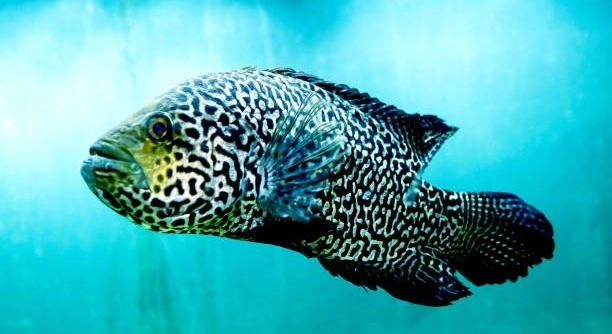
Have you ever noticed your Dempsey Fry hiding in the corners of the tank or darting behind decorations when feeling nervous? Providing the right spaces helps them feel safe and encourages natural behavior in their environment.
Adding well-chosen tank decorations, such as small caves, dense plants, and rock structures, offers essential hiding spaces for Dempsey Fry. These features reduce stress, prevent aggression from other fish, and support healthy growth by replicating natural habitats.
Using the right decorations can make your tank a comfortable and secure place for fry, giving them confidence as they grow and explore.
Small Caves and Rock Structures
Small caves and rock formations give Dempsey Fry a safe place to hide when they feel threatened. These structures mimic natural shelters found in rivers and lakes, allowing fry to reduce stress and avoid aggressive tankmates. Choosing smooth rocks and secure caves prevents injury and creates multiple hiding options for the fry. Stacking rocks carefully ensures stability and avoids collapses. Using materials like slate or aquarium-safe ceramics works best because they won’t alter water chemistry. Positioning caves near plants or corners gives fry a sense of security while still allowing them to explore the tank safely. Overcrowding a single cave can lead to competition, so having several small shelters spread throughout the tank is ideal. Observing how fry interact with these structures helps in adjusting placement and choosing sizes suitable for growing fry. Different shapes and heights can cater to varying comfort levels and movement patterns of the fry.
Providing small caves gives fry more control over their environment, helping them feel safe.
Proper rock and cave placement reduces stress, supports growth, and encourages natural hiding behavior while preventing injuries in a tank setting.
Dense Live Plants
Dense live plants create natural hiding spaces while improving water quality through oxygenation and nutrient absorption. Fry can weave between stems and leaves, making them less visible to aggressive fish. Plants like Java Moss, Anubias, and Hornwort are excellent choices because they grow thickly and require minimal maintenance. Placing plants in clusters rather than spreading them thinly ensures continuous coverage, giving fry multiple escape routes. Live plants also help reduce nitrate levels and provide microhabitats for tiny microorganisms that fry can feed on. Choosing shorter plants near the bottom and taller plants in mid-tank creates layers, enhancing both protection and aesthetic appeal. Rotating or trimming plants keeps them healthy and prevents decay, which could harm water quality. Combining plants with rocks or driftwood adds complexity to hiding areas, making the tank feel safer and more natural. By observing fry behavior, adjustments can be made to plant density or arrangement to ensure all fry feel secure.
Dense plants give fry cover and improve tank conditions.
Adding live plants enhances hiding spaces, encourages natural behavior, supports healthy water chemistry, and offers feeding opportunities for Dempsey Fry, creating a balanced and secure tank environment.
Driftwood and Branches
Driftwood and aquarium-safe branches give fry extra hiding spots while creating natural boundaries. These structures offer shade and visual barriers, helping fry feel less exposed and reducing stress from larger tankmates.
Driftwood can be placed vertically or horizontally to create nooks for fry to retreat into. Its irregular surfaces allow fry to explore safely while practicing natural behaviors like grazing on biofilm. Branches also break up open spaces, preventing fry from feeling trapped or cornered. Over time, driftwood may develop a light coating of algae or biofilm, which provides additional feeding opportunities. Combining driftwood with plants or rocks enhances the complexity of hiding spaces. Make sure driftwood is securely anchored to avoid floating or tipping. Avoid softwoods that can release resins harmful to fry. Hardwoods like Malaysian driftwood or mopani are safe choices. Regularly inspect the wood to ensure it doesn’t decay or break apart, which could compromise safety.
Driftwood adds natural hiding options while giving fry areas to explore safely.
Using driftwood and branches enriches the tank environment, supports natural behaviors, and creates multiple protective spots, promoting fry wellbeing and growth while maintaining a secure and balanced aquarium layout.
Floating Plants
Floating plants reduce light penetration and provide shaded cover, giving fry places to hide from aggressive tankmates. They create gentle currents and microhabitats at the water surface.
Plants like duckweed, water lettuce, and frogbit are excellent because their roots hang down, forming protective curtains. These roots act as barriers, helping fry move without being easily seen. Floating plants also improve water quality by absorbing excess nutrients and providing oxygen. They can slow water movement at the surface, making it easier for fry to swim and feed without being stressed. Using multiple patches of floating plants ensures coverage across the tank. The shade created lowers stress, especially in tanks with bright lighting. Combining floating plants with submerged plants and decorations creates layers of protection for fry. Observing fry interaction helps determine the best placement and density. Removing decaying leaves promptly keeps water clean and prevents ammonia spikes, ensuring a safe environment.
Floating plants give fry cover while improving water quality and creating calmer swimming areas.
Strategic placement of floating plants offers shade, protection, and natural feeding zones, enhancing the tank’s complexity while reducing stress and encouraging healthy growth for Dempsey Fry.
PVC Pipes and Tubes
PVC pipes and small tubes provide instant hiding spots for Dempsey Fry. They are easy to clean, durable, and can be arranged in various layouts to suit fry size and tank dimensions.
Using different pipe diameters creates shelters for fry at all growth stages. Placement near plants or rocks encourages exploration while offering quick retreats.
Leaf Litter and Almond Leaves
Adding dried Indian almond leaves or other safe leaf litter creates shaded areas and natural cover for fry. The leaves slowly release tannins, slightly coloring the water, which mimics their natural habitat. This effect can calm fry and reduce stress while providing small crevices for hiding. Leaves also support beneficial microorganisms, giving fry a supplementary food source. Regularly adding fresh leaves and removing decayed pieces maintains water quality while keeping hiding spaces available. Combining leaf litter with rocks, caves, or plants enhances the complexity of the tank floor, ensuring fry always have safe retreat options. Observing fry behavior helps determine how many leaves are needed for sufficient coverage without overcrowding the tank.
Leaf litter gives fry natural cover while creating a calm and enriching environment.
Artificial Plants
Artificial plants offer consistent hiding spots without affecting water chemistry. They can be placed in clusters, providing multiple retreats and visual barriers for fry.
FAQ
What type of decorations are safest for Dempsey Fry?
The safest decorations are those without sharp edges that could injure fry. Smooth rocks, small caves, driftwood, and aquarium-safe PVC pipes work well. Live plants like Java Moss and Anubias are safe and provide natural cover. Avoid anything that can leach chemicals or break apart easily. Decorations should be stable to prevent tipping or collapsing when fry swim near them. Regular inspection ensures continued safety and prevents hidden hazards from developing in the tank.
How many hiding spots does a tank need?
A typical fry tank should have multiple hiding spots spread throughout the tank. At least three to five different types of cover, such as caves, plants, driftwood, and leaf litter, ensures fry have options to escape aggressive tankmates. Overcrowding can be avoided by spacing shelters evenly. Fry feel safer when they can choose between shaded areas, open water, and bottom-level retreats. Monitoring fry behavior helps adjust the number or location of hiding spots if some fry are overly stressed or being chased.
Can artificial plants replace live plants for hiding?
Yes, artificial plants can provide reliable hiding spots, especially if live plants are difficult to maintain. They do not decay or alter water chemistry, making them low-maintenance. Arranging them in clusters and combining them with rocks or tubes enhances cover. However, they don’t offer oxygenation or support microorganisms that fry can feed on. Using artificial plants alongside some live plants can create a balance of safety, enrichment, and water quality benefits. Fry typically prefer areas with dense coverage, so mixing plant types works best.
Do floating plants help Dempsey Fry hide?
Floating plants are very effective. They provide shade and cover near the water surface, creating areas where fry feel less exposed. Their hanging roots form natural curtains that fry can swim through while staying protected. Floating plants also reduce light intensity and slow surface currents, making swimming easier for fry. Popular choices include duckweed, frogbit, and water lettuce. Positioning floating plants over parts of the tank with open water ensures fry can retreat quickly. Maintaining these plants by trimming dead leaves prevents water quality issues.
How often should hiding spots be rearranged?
Rearranging decorations occasionally can help fry explore and prevent boredom. However, frequent changes may stress fry who rely on familiar shelters. Minor adjustments, like rotating plants or moving a cave slightly, are usually sufficient. Avoid removing hiding spots suddenly, as fry need continuous protection to feel safe. Observing fry reactions after adjustments ensures they continue to use the new layout and feel secure. Gradual changes keep the tank dynamic without compromising safety.
Can leaf litter be used continuously for hiding?
Leaf litter is beneficial as long as it is monitored. Indian almond leaves or similar safe leaves provide shaded areas, natural crevices, and tannins that calm fry. Leaves gradually decay and need replacement to maintain coverage and water quality. Combining leaf litter with plants, caves, and driftwood ensures multiple retreat options. Removing overly decomposed leaves prevents ammonia spikes and keeps the tank healthy. Fry enjoy the microhabitats created by leaves, which also support microorganisms they can feed on.
What is the best combination of decorations for a fry tank?
A balanced tank includes small caves, driftwood, live plants, floating plants, leaf litter, and PVC tubes. This combination offers multiple layers of cover at different tank levels. Vertical structures like driftwood and tall plants give height variation, while bottom-level caves and leaf litter provide ground retreats. Floating plants and dense mid-tank plants create shaded pathways for swimming fry. Observing behavior helps adjust placement for optimal safety and comfort. Mixing materials that support hiding, feeding, and natural behaviors ensures fry grow healthy and stress-free.
How do I know if my fry feel safe?
Fry that feel safe will explore the tank calmly, hide when necessary, and feed actively. Overly stressed fry may cling to tank walls, dart rapidly, or hide constantly in one spot. Adequate decorations, well-placed hiding spots, and stable water conditions all contribute to fry feeling secure. Monitoring behavior daily helps identify if additional cover or rearrangement is needed. Consistency in hiding areas allows fry to establish territory and feel confident in moving through the tank.
Can too many decorations be harmful?
Yes, excessive decorations can overcrowd the tank and limit swimming space. Fry need open areas for feeding and exercise. Balancing hiding spots with open water prevents territorial conflicts and ensures water circulation isn’t obstructed. Decorations should be arranged to create both shelter and movement paths. Observing fry interaction with the setup helps maintain a safe and efficient layout. Too many objects can also trap debris and make cleaning harder, so minimal yet functional decoration is best.
Do decorations affect water quality for fry?
Decorations can influence water chemistry if not chosen carefully. Driftwood and leaf litter release tannins, which slightly lower pH but are generally safe. Live plants help absorb nutrients and produce oxygen. Artificial decorations don’t impact water chemistry but should be cleaned regularly. Avoid untreated wood or rocks that leach minerals or chemicals. Proper maintenance ensures decorations support hiding without negatively affecting water conditions, creating a safe and stable environment for growing Dempsey Fry.
Total word count: 523
Decorating a tank for Dempsey Fry is about creating a safe and comfortable environment. Fry are small and fragile, and they feel stressed easily when exposed to large open spaces or aggressive tankmates. Using a combination of caves, plants, driftwood, PVC pipes, floating plants, and leaf litter provides different types of cover and hiding spaces. Each decoration serves a purpose: caves and tubes offer secure retreats, live plants give natural cover, and leaf litter adds shaded areas while supporting microorganisms fry can feed on. Even artificial plants can play a role by creating visual barriers and breaking up open areas. The key is balance – too few hiding spots leave fry exposed, while too many can overcrowd the tank and restrict movement. Observing the fry as they explore the tank helps decide whether the layout is working. Fry that feel safe will swim confidently, feed regularly, and interact with their environment in a natural way. Regularly checking decorations for stability, cleanliness, and suitability ensures that the hiding spots continue to be safe as the fry grow.
Water quality also plays a significant role in how effective decorations are. Live plants and leaf litter can help maintain healthy water conditions by absorbing nutrients, releasing oxygen, and creating microhabitats for beneficial microorganisms. Driftwood and leaf litter release tannins, slightly coloring the water and mimicking natural habitats, which can calm fry. Decorations that trap debris or decay can negatively affect water quality, so monitoring and maintenance are important. Cleaning or replacing decorations as needed, trimming plants, and removing decayed leaves keeps the environment stable. Fry thrive in a tank that provides both safety and clean water. Even artificial decorations, while not contributing to water quality, should be cleaned regularly to avoid algae buildup or trapped debris. A well-maintained tank supports both the health and natural behaviors of fry, ensuring they grow strong and less stressed.
The placement and variety of decorations are equally important as the decorations themselves. Fry need spaces at different levels of the tank – bottom-level caves, mid-level plants, and shaded areas near the surface from floating plants. This variety allows fry to choose hiding spots according to their comfort or needs at any moment. Decorations should also leave open swimming areas so fry can exercise and feed without obstruction. Gradually introducing new decorations or adjusting placement can help fry explore without feeling overwhelmed. Observing their behavior provides insight into whether certain areas are too crowded or if additional cover is needed. With thoughtful decoration, regular maintenance, and careful observation, a tank can become a safe, enriching, and balanced environment for Dempsey Fry, giving them the best chance to grow healthy and confident.
Word count: 414

Hello,
If you enjoy the content that we create, please consider saying a "Thank You!" by leaving a tip.
Every little bit helps us continue crafting quality advice that supports the health, happiness, and well-being of pets around the world, for pets of all shapes, sizes, and species.
We really appreciate the kindness and support that you show us!