
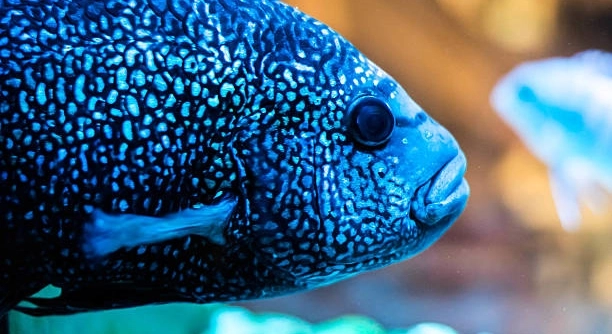
Jack Dempsey fish experience noticeable changes when lighting shifts suddenly in their environment, affecting behavior, stress levels, and movement patterns, especially in home aquariums where artificial light cycles differ from natural conditions for captive specimens.
Jack Dempsey fish adjust to sudden light through rapid visual adaptation, pigment cell regulation, and behavioral responses. These mechanisms help reduce sensory overload, stabilize orientation, and maintain physiological balance, allowing the fish to resume normal activity after abrupt illumination changes.
Recognizing these adaptive processes provides clearer insight into proper lighting practices that support healthier, calmer Jack Dempsey fish environments overall.
Visual and Physiological Light Adaptation
Jack Dempsey fish rely heavily on their vision, so sudden light forces immediate internal adjustments. Specialized pigment cells called chromatophores expand or contract to manage brightness. This process limits excessive stimulation and protects sensitive eye structures. At the same time, the retina adapts by shifting photoreceptor sensitivity, allowing the fish to regain visual clarity. These changes occur quickly, often within minutes, and help prevent prolonged stress. In my own aquarium observations, calmer swimming usually returns once these adjustments settle. Consistent lighting schedules reduce how often this response is triggered. When light changes remain predictable, pigment regulation becomes less taxing on the fish. Over time, stable conditions support healthier coloration, steady feeding behavior, and improved overall resilience, even in environments that rely entirely on artificial illumination for daily light exposure. This balance supports natural rhythms and reduces unnecessary strain during routine maintenance or unexpected lighting adjustments within controlled aquarium settings overall.
Although these biological responses are effective, repeated exposure to harsh lighting shifts can overwhelm natural adjustment processes and elevate stress indicators over time. I have noticed slower feeding and increased hiding when lighting remains inconsistent across daily cycles in enclosed tanks observed under prolonged unstable illumination conditions indoors frequently overall.
Beyond visual systems, hormonal regulation also plays a role in light adaptation. Sudden brightness can influence cortisol release, briefly increasing alertness and tension. If lighting stabilizes quickly, hormone levels normalize without lasting effects. However, repeated disruption may interfere with rest periods and digestion. I find gradual light transitions more supportive, especially in home setups. Using dimmers or timed ramping mimics dawn and dusk patterns. These methods help maintain routine, preserve appetite, and support immune function. Over time, fish appear more confident, display balanced movement, and maintain consistent interaction with their surroundings under predictable illumination throughout controlled aquarium environments long-term stability.
Behavioral and Environmental Responses
Behavioral shifts often appear immediately after sudden light exposure, offering visible cues of internal stress regulation in Jack Dempsey fish. Rapid darting freezing or corner hovering may occur briefly before normal swimming resumes once lighting stabilizes again naturally within the tank environment over short periods of adjustment time overall observed.
Sudden light does not only affect physiology; it also influences how Jack Dempsey fish interact with their surroundings. Many will retreat to cover, reduce movement, or pause feeding shortly after exposure. This behavior acts as a protective response, allowing the nervous system time to recalibrate. From my experience, tanks with plants, caves, and shaded areas show faster recovery. Environmental structure provides a sense of control during sensory changes. Consistent tank placement also matters. Aquariums exposed to frequent room lighting fluctuations tend to trigger repeated adjustments. Using timers, background lighting, and gradual transitions creates stability. Over time, fish respond with steadier swimming, reliable feeding, and reduced defensive displays. Maintaining predictable light patterns supports comfort and long-term well-being. When these needs are met, Jack Dempsey fish remain active, visually vibrant, and better equipped to handle unavoidable changes within controlled aquatic environments. This consistency supports behavioral confidence and reduces unnecessary stress signals over extended periods. I prefer maintaining fixed schedules because stability improves observation accuracy and daily care routines overall. Light management becomes an essential component of responsible fishkeeping, especially for species sensitive to abrupt sensory input in enclosed aquatic systems designed for long-term housing and monitoring purposes consistently over time indoors safely.
Stress Regulation and Daily Rhythms
Sudden illumination can interrupt resting patterns, leading to brief disorientation and delayed feeding responses in Jack Dempsey fish. This disruption is usually temporary, but repeated exposure can weaken routine behaviors. I notice calmer activity when light changes occur during consistent daytime periods rather than random moments inside home aquarium settings.
Light changes also affect territorial awareness and social positioning. When brightness increases abruptly, some individuals display heightened alertness, while others withdraw. This shift alters spacing between tank mates and can trigger short bursts of dominance behavior. I have observed that stable lighting helps maintain predictable hierarchy and reduces unnecessary confrontations. Gradual transitions allow fish to reassess surroundings without defensive reactions. Over time, this stability supports cooperative coexistence, balanced movement, and reliable feeding schedules. These outcomes become especially important in shared tanks, where visual cues guide boundaries, reduce conflict, and promote overall behavioral equilibrium among established Jack Dempsey populations within aquariums.
Environmental consistency plays a strong role in reducing cumulative stress. Sudden light paired with noise or movement compounds sensory overload. I try to limit simultaneous disruptions during maintenance. Keeping light schedules fixed allows internal rhythms to remain aligned with feeding and rest cycles. When fish anticipate changes, their responses remain measured. Over extended periods, this predictability supports immune strength and coloration stability. Fish appear more confident, remain visible, and recover faster from unavoidable disturbances. These small adjustments improve daily care outcomes and long-term adaptability in controlled aquarium environments for captive Jack Dempsey fish over time in home aquariums consistently observed.
Practical Lighting Management
Tank lighting design can either ease or intensify sudden exposure. Overhead fixtures without diffusion create sharp contrast shifts. I prefer layered lighting that spreads illumination evenly. Using floating plants, backgrounds, or shaded zones softens transitions. This approach reduces startle responses and supports smoother adjustment, especially during manual light activation. Simple equipment choices can noticeably improve daily stability within confined tanks housing sensitive cichlid species long term under artificial indoor lighting conditions for consistent care routines.
Lighting equipment selection matters as much as timing. LEDs with adjustable intensity allow gradual increases and decreases. I find programmable timers reduce accidental exposure caused by room lights. Positioning tanks away from windows also limits unexpected brightness spikes. Maintenance routines should follow established light cycles rather than interrupt them. Consistency reduces the need for repeated physiological adjustment. Over time, fish respond with steady swimming patterns and reliable feeding behavior. These outcomes simplify care and observation. When lighting supports natural adaptation limits, Jack Dempsey fish maintain resilience, coloration balance, and stable interaction patterns. This approach benefits long-term housing conditions and supports predictable responses during unavoidable changes in managed aquariums designed for consistent monitoring and reduced environmental stress over years of captive populations in domestic settings overall.
Feeding Behavior and Light Stability
Sudden lighting changes can influence feeding timing and appetite stability in Jack Dempsey fish. When light interrupts expected patterns, fish may pause feeding or ignore food briefly. I notice normal appetite returns faster when lighting follows a predictable schedule without abrupt shifts during daily aquarium care routines at home consistently.
Repeated disruption during meals can create longer feeding delays and uneven intake. Over time, this may affect growth and energy balance. I prefer feeding after lights stabilize to encourage confident eating behavior and reduce wasted food sinking uneaten into the substrate which supports cleaner tanks and better water quality overall.
Coloration and Visual Display Changes
Tank lighting intensity also affects coloration clarity and display patterns. When light shifts suddenly, colors may appear dull or uneven as pigment cells react defensively. I observe richer coloration under steady illumination. Consistent light allows chromatophores to maintain balance, supporting natural contrast and pattern definition. This stability helps fish appear healthier and more confident. Over time, predictable lighting reduces visual stress and supports sustained coloration without frequent fading. These changes make daily observation easier and highlight the fish natural appearance within a controlled aquarium environment designed for long term care that prioritizes consistency and minimizes unnecessary visual strain for fish.
Long Term Adjustment Outcomes
Long term exposure to stable lighting supports overall health and reduces adjustment fatigue. I find fish remain calmer and more visible when light routines stay consistent. These conditions support feeding reliability, coloration balance, and predictable behavior within maintained aquarium systems designed for long term care and reduced daily stress levels.
FAQ
How quickly do Jack Dempsey fish adjust to sudden light?
Jack Dempsey fish begin adapting immediately when exposed to sudden brightness. Pigment cells adjust, and the retina changes sensitivity within minutes. I often notice that after two to five minutes, swimming patterns normalize. Quick recovery is easier when lighting changes are infrequent and predictable in home aquariums, reducing stress over time.
Why do they hide after sudden light exposure?
Hiding is a natural protective response. Sudden brightness can overwhelm their sensory system, causing temporary retreat. I keep shaded areas or plants in the tank so they can adjust without prolonged stress. These refuges allow fish to feel secure while pigment and hormonal systems stabilize.
Does repeated sudden light cause long-term problems?
Frequent abrupt lighting can increase stress, reduce appetite, and impact coloration. I notice more defensive or erratic swimming in fish exposed repeatedly. Over time, it can affect growth and immune response. Maintaining a predictable light schedule reduces these risks and supports normal behavior.
Can tank setup help with light adaptation?
Yes. Using floating plants, caves, or backgrounds creates shaded zones and softens sudden light exposure. I place tanks away from direct room lights or windows to prevent unplanned spikes. Layered lighting and gradual transitions help fish adjust naturally, improving both comfort and behavior stability.
Do all Jack Dempsey fish react the same way to sudden light?
Individual responses vary. Some fish remain alert but continue swimming normally, while others freeze or hide temporarily. I’ve observed that younger or more timid fish tend to show stronger reactions, while dominant adults regain normal activity faster. Understanding each fish’s personality helps in managing lighting routines.
How can I reduce stress during maintenance or water changes?
I turn on lights gradually or do maintenance during stable lighting periods. Sudden illumination combined with movement or noise can amplify stress. Planning changes around predictable light cycles allows fish to recover quickly and maintain normal feeding and swimming behavior.
Does sudden light affect their coloration permanently?
Temporary dulling can occur due to pigment cell contraction, but it usually resolves once lighting stabilizes. I’ve noticed that consistent, moderate lighting maintains vibrant coloration and natural patterns. Avoiding repeated abrupt exposure ensures the visual appearance remains healthy and stress-free.
Is there a recommended light schedule for Jack Dempsey fish?
A consistent 10–12 hour light cycle works well. I use timers to mimic natural day-night patterns, allowing gradual transitions at dawn and dusk. This approach supports feeding, rest, and behavioral rhythms, reducing unnecessary stress and improving long-term adaptation.
Can sudden light affect social interactions in the tank?
Yes. Bright exposure may trigger temporary defensive behavior or disrupt established hierarchies. I observe increased spacing, chasing, or hiding during abrupt illumination, which usually settles quickly under stable lighting. Consistent schedules help maintain predictable social dynamics and reduce conflicts.
What equipment helps manage sudden light exposure?
LEDs with adjustable intensity, dimmers, and timers work best. I prefer gradual ramping rather than instant full brightness. Layered or diffused lighting, combined with plants and shaded areas, minimizes stress and supports smoother visual adaptation for Jack Dempsey fish in home aquariums.
How long does it take for them to fully recover from sudden light?
Recovery is generally within a few minutes to an hour, depending on light intensity and environmental stability. I find that fish regain normal behavior faster when habitats include cover and lighting is consistent. Over time, predictable routines make them more resilient to unavoidable light changes.
Can feeding during sudden light make stress worse?
Yes, feeding at the moment of abrupt illumination can increase hesitation and food refusal. I wait until fish have adjusted before offering meals. This ensures normal intake, prevents wasted food, and supports overall well-being. Timing meals with stable lighting improves appetite and reduces stress indicators in my experience.
Do nighttime lights affect their rest and adaptation?
Nighttime or constant low-level lighting can interfere with sleep patterns, causing mild stress or slower adaptation during the next light cycle. I use complete darkness or very dim moonlight simulation to maintain natural rhythms. This supports hormonal balance, feeding behavior, and overall health in Jack Dempsey fish.
Are younger fish more sensitive to sudden light than adults?
Yes, juveniles often react more strongly. They may freeze, dart, or hide longer than mature fish. In my experience, providing more cover and gradual light changes helps them adjust safely, supporting growth and reducing unnecessary stress in community or home aquariums.
How can I tell if sudden light is stressing my fish?
Signs include hiding, erratic swimming, color fading, or reduced appetite. I also observe increased chasing or defensive behavior among tank mates. Consistently monitoring these indicators and adjusting lighting patterns helps prevent chronic stress and promotes overall tank health.
Does water clarity affect light adaptation?
Yes, clearer water intensifies light exposure, making sudden shifts more noticeable. I maintain stable water conditions, including filtration and regular cleaning, to reduce harsh reflections or glare. This supports smoother adaptation and protects sensitive eyes from abrupt brightness.
Is gradual light transition better than instant full brightness?
Absolutely. I notice calmer behavior and quicker adjustment when lights ramp up slowly. Gradual transitions mimic natural conditions and reduce stress, supporting feeding, normal movement, and stable coloration for Jack Dempsey fish over time in indoor aquariums.
Can tank orientation affect light impact?
Yes, tanks facing windows or bright rooms experience sudden shifts when external light changes. I prefer positioning tanks away from direct sunlight or frequent room light changes. Combined with shaded areas and diffused lighting, this minimizes unexpected stress and supports stable behavioral patterns.
Are there long-term benefits to managing sudden light exposure properly?
Yes, consistent light management improves appetite, coloration, and social behavior. I notice calmer, healthier fish under predictable schedules. Over months and years, this reduces chronic stress, supports immune function, and ensures better overall adaptation to unavoidable environmental changes in controlled aquarium systems.
Can sudden light trigger aggressive behavior?
Occasionally, bright exposure can briefly heighten territorial or defensive displays. I’ve observed increased chasing or flaring immediately after sudden light, which usually settles once fish adjust. Maintaining predictable schedules and shaded areas reduces the frequency and intensity of these responses.
How does light intensity affect overall tank harmony?
High-intensity, abrupt light can disrupt social balance, feeding order, and spatial arrangement. I use moderate, diffused illumination to keep interactions predictable and minimize stress. Over time, this supports calm coexistence and steady feeding behavior, improving daily observation and care outcomes.
Is it necessary to adjust feeding times based on light changes?
Yes, coordinating feeding with stable light periods helps maintain normal appetite and digestion. I wait until fish regain regular swimming patterns before feeding. This ensures consistent intake, reduces food waste, and supports growth, coloration, and long-term health in Jack Dempsey fish under controlled aquarium lighting routines.
What is the best way to recover fish from sudden light stress?
Allow fish to retreat to shaded areas, maintain stable lighting, and avoid additional disturbances. I often pause maintenance or feeding briefly to let them acclimate. Within minutes to an hour, normal behavior resumes. Providing gradual light transitions and secure tank layout prevents repeated stress episodes effectively over time.
How important is tank structure in light adaptation?
Very important. Plants, caves, and shaded zones give fish control over exposure. I arrange multiple hiding spots to allow comfortable adjustment. Over time, this structure reduces stress, supports normal behavior, and improves feeding and coloration outcomes consistently in indoor aquariums housing Jack Dempsey fish.
Do all lighting types affect them the same way?
No. LEDs, fluorescent, and natural sunlight differ in intensity and spectrum. I’ve found LEDs with adjustable brightness to be most controllable. Gradual ramping and diffusion reduce sudden stress, allowing more predictable adaptation and better long-term health and behavior stability for these fish.
Can abrupt light affect tank mates?
Yes, other species may respond differently, causing temporary conflicts or hesitation in movement. I maintain consistent light schedules for all inhabitants, provide multiple hiding zones, and monitor interactions. Predictable conditions reduce stress across species, maintaining harmony and normal feeding patterns in community setups.
How can I prevent sudden light stress during power outages?
Using backup lighting or dimmable emergency lamps reduces abrupt changes. I also rely on shaded areas to give fish refuge until normal illumination returns. This approach helps maintain behavioral stability and protects sensitive eyes from sudden brightness after unexpected disruptions.
Does temperature interact with light stress?
Yes, sudden light combined with temperature fluctuations can compound stress. I keep temperature stable before adjusting lighting. Consistent environmental conditions reduce physiological strain and support predictable behavior, coloration, and feeding patterns in Jack Dempsey fish over time in home aquariums.
How long does it take for fish to adapt permanently to a new lighting routine?
Generally, a few weeks of consistent exposure allows full adaptation. I notice regular swimming, stable feeding, and normal coloration after this period. Predictable schedules minimize stress and help establish internal rhythms for long-term health, social behavior, and daily activity in Jack Dempsey fish under indoor care conditions.
Is observation key in managing light stress?
Absolutely. I monitor swimming patterns, hiding, color, and feeding. Careful observation allows me to detect early stress signs and adjust lighting before problems escalate. This proactive approach supports healthier fish, calmer behavior, and long-term adaptation to both expected and unavoidable light changes.
Jack Dempsey fish are highly sensitive to changes in their environment, and light is one of the most significant factors affecting their daily behavior and overall well-being. Sudden shifts in lighting can trigger immediate responses, including hiding, freezing, or erratic swimming, which are natural ways for the fish to protect themselves while their visual and hormonal systems adjust. Over time, repeated abrupt exposure may increase stress, impact feeding routines, and influence coloration. In my experience maintaining aquariums, I have found that observing these reactions closely allows for a better understanding of how each fish adapts. Providing areas of shade, such as plants, caves, or backgrounds, helps the fish regain comfort quickly. Predictable light schedules, especially when paired with gradual transitions, reduce the intensity of these responses, creating a calmer environment. Even small adjustments, like using timers or dimmable lights, have a noticeable effect on how confident and active the fish appear. Understanding the relationship between light and behavior is essential for ensuring a healthy and stable environment for Jack Dempsey fish.
Maintaining a stable lighting routine benefits more than just behavior. Consistent illumination supports natural circadian rhythms, which in turn regulate feeding, rest, and overall energy levels. In my own aquariums, I have seen how predictable schedules encourage fish to feed regularly and reduce instances of skipped meals or hesitation at feeding times. Stable light exposure also allows chromatophores, the pigment cells responsible for coloration, to maintain balance, producing brighter, more consistent patterns. Over time, this contributes to a visually healthy and vibrant fish population. Sudden light, on the other hand, may temporarily dull coloration, increase hiding, and disrupt territorial or social interactions within the tank. By keeping light intensity moderate and transitions gradual, fish can adapt more naturally, reducing unnecessary stress. This stability is particularly important in community tanks, where multiple fish coexist, because it ensures that behavioral cues are easier to interpret and interactions remain predictable. Overall, predictable light management supports both physiological and social balance, which enhances the long-term care and observation of Jack Dempsey fish.
Proper lighting management is not just about preventing stress—it also improves daily care and long-term health outcomes. When light is predictable, fish exhibit calmer swimming, steady feeding, and more consistent coloration, which makes monitoring their health easier. I have found that layering lighting with shaded areas, combined with timers and gradual ramping, provides an environment where the fish feel secure while adapting to necessary changes. This approach reduces the risk of chronic stress, which can impact growth, immunity, and overall lifespan. Even routine maintenance, like water changes or tank cleaning, becomes less disruptive when lighting is consistent, allowing fish to maintain normal behavior without prolonged hiding or agitation. Long-term observation confirms that fish living in controlled lighting conditions develop predictable daily patterns and display healthier responses to unavoidable environmental changes. Ultimately, managing light thoughtfully is one of the simplest yet most effective ways to support the comfort, behavior, and overall well-being of Jack Dempsey fish in home aquariums. Consistency, gradual transitions, and structured environmental features all combine to create an environment that allows the fish to thrive while minimizing stress over time.

Hello,
If you enjoy the content that we create, please consider saying a "Thank You!" by leaving a tip.
Every little bit helps us continue crafting quality advice that supports the health, happiness, and well-being of pets around the world, for pets of all shapes, sizes, and species.
We really appreciate the kindness and support that you show us!