
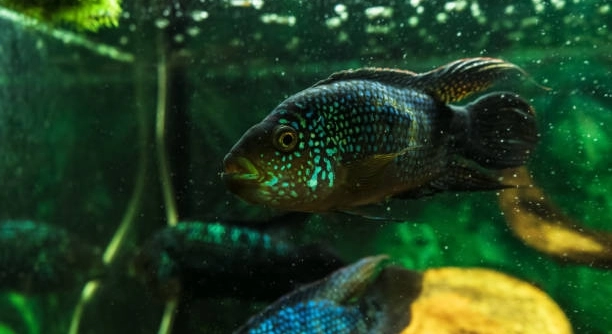
Many people enjoy keeping fish as pets and often notice unusual behaviors that seem almost human. Observing their patterns and reactions can feel surprisingly personal and sometimes even emotional. Fish like Jack Dempsey often display curious interactions.
Research suggests that Jack Dempsey fish do not have the ability to sense human emotions. While they respond to environmental stimuli and recognize feeding routines, there is no scientific evidence indicating they can perceive or react to feelings such as happiness or sadness.
Understanding their behaviors helps create a better environment and stronger bond. Small changes in care can reveal much about these fascinating fish.
How Jack Dempsey Fish React to Their Environment
Jack Dempsey fish are known for their striking colors and active behavior. They respond strongly to changes in their tank, such as lighting, water temperature, and the presence of other fish. These responses are often interpreted as emotional reactions, but they are mostly instinctive. For example, when new objects are added to their tank, they may become curious or defensive. Aggression toward other fish is usually linked to territory, not feelings. Feeding times are another example of predictable behavior; Jack Dempseys quickly learn routines and may swim eagerly when food approaches. Observing them over time allows owners to anticipate movements and responses, creating a stable environment that keeps the fish healthy. While their behavior can seem expressive, it is largely guided by survival instincts, environmental cues, and learned habits. Recognizing these patterns helps with better tank management and ensures the fish thrive without stress.
Their reactions are consistent and mostly predictable, showing adaptation rather than emotion.
Proper tank care is essential for healthy behavior. A consistent environment, with stable temperature, clean water, and proper hiding spaces, reduces stress and supports natural instincts. This makes the fish more active and visually vibrant. By observing patterns, owners can better understand their needs and maintain an environment that encourages natural behavior, rather than misinterpreting instinctive reactions as emotional responses.
Feeding Behavior and Interaction Patterns
Jack Dempsey fish are highly responsive during feeding.
These fish recognize routine feeding cues and learn to associate movements or sounds with food. Over time, they may become more confident and approach the tank front during feeding, signaling strong memory and pattern recognition. Feeding strategies, such as consistent timing and portion control, help maintain health and prevent aggression. Observing interactions during feeding also reveals social dynamics; dominant fish may claim preferred areas, while others adapt to avoid conflict. Providing varied foods like pellets, live insects, or frozen options encourages natural hunting behaviors and keeps them stimulated. Interaction patterns extend beyond feeding, with fish displaying curiosity toward new objects or tank mates, though these behaviors are driven by instincts rather than emotional understanding. Understanding these patterns allows for a structured and safe environment, reducing stress and improving overall well-being. Proper care, combined with awareness of behavioral cues, ensures that Jack Dempsey fish remain active, healthy, and visually impressive, reflecting their natural instincts in a controlled habitat.
Signs of Stress in Jack Dempsey Fish
Stress in Jack Dempsey fish can be identified through changes in color, hiding more often, or reduced appetite. Rapid breathing or erratic swimming are also indicators that something in their environment may be off.
Water quality is a major factor affecting stress. Poor filtration, sudden temperature changes, or inappropriate pH levels can make fish uneasy. Overcrowding or aggressive tank mates often trigger defensive behavior, leading to frequent hiding or chasing. Observing their movements and comparing them to normal patterns helps identify stress early. Adjusting water conditions, providing hiding spots, and reducing disturbances can greatly improve their comfort. Feeding routines also influence stress; irregular feeding may cause anxiety, while consistent schedules help maintain a sense of stability. Monitoring behavior daily is key to recognizing subtle signs before they escalate.
Behavioral changes often reflect environmental pressures rather than emotional responses. Ensuring a stable tank setup supports natural instincts, reducing the likelihood of stress-induced health problems. By carefully observing activity levels, color vibrancy, and interactions, owners can maintain a supportive habitat. Introducing enrichment like plants, rocks, or floating decorations gives fish areas to explore, encouraging normal exploration while limiting aggressive encounters. Even minor adjustments, such as rearranging decorations gradually or spacing feeding times, can prevent conflicts. Stress management is more effective when the tank replicates natural conditions, allowing Jack Dempsey fish to thrive physically without misinterpreting instinct-driven behavior as emotional expression.
Common Misinterpretations of Behavior
Jack Dempsey fish may appear aggressive or shy, but this often reflects territory instincts rather than mood.
Many owners mistake routine actions for emotional responses. For instance, flaring fins or chasing another fish is usually territorial assertion, not anger. Hiding behind decorations is typically a comfort-seeking behavior, not sadness. Recognizing the difference between instinctual and learned behavior versus supposed emotional cues prevents unnecessary worry. Fish can show curiosity by following movements near the tank, yet this is based on feeding expectations and habit, not affection. Misreading these behaviors can lead to overhandling or stress. Educating oneself about species-specific behaviors allows for realistic expectations and better tank management. Understanding normal behavior patterns also improves the quality of life for both the fish and the caretaker.
Environmental factors shape the appearance of behavior more than anything else. Lighting, water flow, tank size, and enrichment all affect activity levels and social interactions. Dominance hierarchies naturally emerge in groups, influencing feeding order and territory usage. Behavioral changes often result from subtle shifts in these factors rather than emotional states. For example, a fish that avoids others after a decoration rearrangement is adjusting to environmental change, not expressing fear. Consistent routines, stable conditions, and appropriate tank mates reduce conflict and encourage normal behavior. Recognizing these triggers helps prevent misinterpretation while supporting natural instincts, allowing the fish to remain active, healthy, and visually striking without assuming emotional perception.
Tank Setup and Comfort
A well-arranged tank helps Jack Dempsey fish feel secure. Providing hiding spots, rocks, and plants reduces stress and encourages natural exploration without forcing interaction.
Space is essential. Overcrowded tanks increase aggression and limit movement, affecting health and behavior. Maintaining proper tank size supports activity and instinctual behavior.
Interaction with Other Fish
Jack Dempsey fish are territorial and may show aggression toward certain tank mates. Choosing compatible species and monitoring interactions prevents injury and stress. Proper introduction techniques and enough hiding spaces reduce conflict. Observing how fish establish territories helps maintain balance. Adjusting tank layout and keeping aggressive fish separated ensures peaceful coexistence. This approach encourages normal social behaviors without misinterpreting dominance as emotional expression. Understanding social dynamics allows owners to support natural interactions while keeping the environment stable, safe, and predictable, promoting healthy behavior in all fish within the tank.
Feeding Consistency
Consistent feeding schedules reduce stress and promote healthy growth in Jack Dempsey fish. Predictable routines help fish feel secure and respond naturally.
FAQ
Can Jack Dempsey fish recognize their owners?
Jack Dempsey fish can learn to recognize people who feed them regularly. They notice movement and approach the tank during feeding times, but this recognition is based on routine rather than emotional attachment. Their response is linked to expectation and habit, not affection.
Do Jack Dempsey fish feel stress the same way humans do?
Stress in Jack Dempsey fish is a physiological response to environmental changes. Poor water quality, aggressive tank mates, or sudden changes in temperature can trigger stress behaviors such as hiding, color fading, or erratic swimming. These reactions are instinctive survival mechanisms rather than emotional experiences.
Can Jack Dempsey fish sense human emotions?
No scientific studies support the idea that Jack Dempsey fish can sense emotions. They respond to stimuli such as movement, vibrations, or feeding cues, which may sometimes appear as emotional awareness, but these behaviors are instinctual and learned, not emotional perception.
Why does my Jack Dempsey chase other fish?
Chasing is territorial behavior. Jack Dempsey fish are naturally aggressive toward fish that enter their space. This is a way to establish dominance and protect resources, not a sign of emotional anger. Proper tank size and compatible tank mates can minimize aggressive encounters.
Why does my Jack Dempsey hide so much?
Hiding is a natural behavior for comfort and safety. Frequent hiding usually indicates that the fish feels threatened, stressed, or overwhelmed by tank mates or sudden environmental changes. Providing adequate hiding spaces like caves or plants reduces stress and allows them to explore safely.
Do Jack Dempsey fish show affection?
Jack Dempsey fish may appear to follow your hand or swim near you, but these actions are driven by anticipation of food or curiosity, not emotional bonding. They respond predictably to routines rather than forming emotional attachments like mammals or birds.
What feeding routine is best for Jack Dempsey fish?
A consistent schedule is ideal. Feeding once or twice daily, with balanced portions of pellets, frozen, or live foods, supports health and encourages predictable behavior. Avoid overfeeding, as leftover food can reduce water quality and cause stress or illness.
Can Jack Dempsey fish change color based on mood?
Color changes are mostly linked to health, breeding readiness, or environmental factors. Stress, illness, or water quality changes may dull colors, while optimal conditions and proper diet enhance vibrancy. These changes are physiological, not emotional.
How can I reduce aggression in a Jack Dempsey tank?
Aggression can be minimized with proper tank size, visual barriers, and compatible tank mates. Introducing new fish gradually and providing multiple hiding spaces reduces conflicts. Observing patterns and adjusting the environment helps maintain balance and healthy behavior.
Do Jack Dempsey fish interact with each other socially?
They do, but interactions are based on territory and dominance. Some fish establish hierarchies, while others avoid confrontation. Social behaviors are instinctual rather than emotional, and careful observation helps ensure peaceful coexistence.
Can Jack Dempsey fish get bored?
Fish show more activity when their environment has variety. Adding rocks, plants, or decorations encourages exploration and mimics natural habitats. While they do not experience boredom like humans, enrichment prevents stress and promotes normal behavior.
What should I do if my Jack Dempsey appears lethargic?
Lethargy can indicate poor water conditions, illness, or stress. Check water parameters, temperature, and cleanliness first. Adjust feeding routines and observe for signs of disease. Timely intervention helps restore health and activity.
Are Jack Dempsey fish safe with other species?
Compatibility depends on size, temperament, and tank setup. Avoid smaller, passive fish that may be chased or harmed. Using similarly sized, moderately aggressive species with enough space reduces conflict. Monitoring interactions is essential to maintain a safe environment.
How long do Jack Dempsey fish live?
With proper care, they can live 8 to 10 years or more. Maintaining stable water conditions, proper diet, and low-stress environments supports longevity and healthy behavior. Regular observation helps detect health issues early.
Can Jack Dempsey fish learn tricks?
They can learn simple routines, like coming to the tank front for feeding, through repeated exposure and positive reinforcement. These learned behaviors are responses to habit and reward, not emotional intelligence.
What is the best tank size for a Jack Dempsey fish?
A minimum of 55 gallons is recommended for a single fish. Larger tanks reduce aggression, allow natural swimming behavior, and provide space for enrichment and hiding spots, ensuring comfort and health.
How do I tell if my Jack Dempsey is healthy?
Signs of health include vibrant color, active swimming, consistent appetite, and normal behavior patterns. Dull colors, lethargy, or unusual swimming often indicate stress or illness, requiring attention to water quality and diet.
Can Jack Dempsey fish remember past events?
They exhibit memory related to routines, feeding patterns, and territorial recognition. While this demonstrates learning, it is instinctive and practical rather than emotional memory. Recognizing this helps owners anticipate behavior and maintain stability in the tank.
What are the most common mistakes in Jack Dempsey care?
Common mistakes include overfeeding, overcrowding, incompatible tank mates, and neglecting water quality. These errors can cause stress, aggression, and health issues. Observing behavior, maintaining a clean environment, and understanding species-specific needs prevents problems and promotes well-being.
How important is water quality for Jack Dempsey behavior?
Water quality is crucial. Poor conditions can cause stress, aggression, or illness. Regular testing, filtration, and proper maintenance are essential. Stable parameters support natural behavior, vibrant coloration, and overall health.
Jack Dempsey fish are fascinating creatures with striking colors and distinct personalities. While they may seem expressive or responsive in ways that appear emotional, their behaviors are mostly instinctual. They react to environmental cues, changes in their tank, and interactions with other fish, but these actions are not evidence of sensing human emotions. Understanding this distinction helps owners create better habitats and care routines without misinterpreting natural behaviors. Observing them closely over time reveals patterns that are predictable and linked to their needs for food, territory, and comfort. These fish are intelligent in the sense that they learn routines and respond to stimuli, but their responses are based on survival instincts and learned habits, not feelings. Recognizing this allows caretakers to focus on practical ways to improve the fish’s well-being rather than assuming they have emotional awareness.
Proper care is essential for maintaining the health and activity of Jack Dempsey fish. A stable environment with appropriate water temperature, clean filtration, and ample space supports their natural behaviors. Providing hiding spots, decorations, and enrichment items like plants or rocks encourages exploration and reduces stress. Feeding routines that are consistent and balanced with a mix of pellets, frozen foods, or live foods help keep them active and healthy. Social dynamics in the tank should be monitored to prevent aggression, as Jack Dempseys are territorial and can become aggressive toward smaller or more passive fish. Understanding their social behavior helps owners manage tank mates carefully, ensuring a safer and less stressful environment for all inhabitants. Even small adjustments in tank setup or feeding practices can have a noticeable impact on the fish’s comfort and activity levels, supporting long-term health and vitality.
Observing Jack Dempsey fish offers a chance to appreciate their unique behaviors and natural instincts. While they do not sense emotions, their interactions with the environment and with other fish can be rewarding to watch. Paying attention to movement patterns, color changes, and responses to feeding or new objects provides insight into their needs and preferences. Owners who maintain consistent care routines and a stable environment will see more active and confident behaviors. By focusing on providing optimal living conditions, tank enrichment, and compatible companions, caretakers can ensure these fish thrive. Recognizing the distinction between instinct and emotional awareness encourages realistic expectations while allowing for meaningful observation and engagement. Overall, Jack Dempsey fish are captivating species that offer a balance of visual appeal, interesting behaviors, and manageable care, making them both enjoyable and educational to keep in an aquarium setting.

Hello,
If you enjoy the content that we create, please consider saying a "Thank You!" by leaving a tip.
Every little bit helps us continue crafting quality advice that supports the health, happiness, and well-being of pets around the world, for pets of all shapes, sizes, and species.
We really appreciate the kindness and support that you show us!