
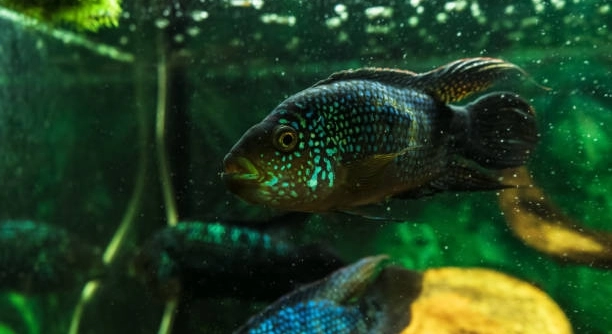
Have you ever noticed your Dempsey acting differently in certain spaces or situations? Small changes in the surroundings can influence their mood and behavior. Observing these patterns helps in creating a more comfortable and balanced environment.
The primary environmental triggers affecting Dempsey behavior include noise levels, lighting, water temperature, tank size, crowding, sudden changes in routine, and interactions with other fish. Each factor can significantly alter stress responses and behavioral tendencies in these species.
Recognizing these triggers makes it easier to adjust conditions and improve overall well-being. Small, thoughtful changes often lead to calmer and healthier behavior.
Noise and Sudden Disturbances
Dempseys are sensitive to loud sounds and sudden movements around their tank. Even normal household noises, like vacuuming or music, can stress them. This stress may show as hiding, erratic swimming, or aggressive behavior. Maintaining a quieter area around the tank helps them feel secure. Consistent daily activity is less stressful than unpredictable bursts of noise.
Sudden disturbances trigger defensive behavior quickly. Keeping the environment stable reduces tension.
Even small changes in noise levels can affect a Dempsey’s behavior. For instance, a dropped object or tapping on the glass can cause a sudden reaction. Over time, repeated disturbances may make the fish more skittish or aggressive. Positioning the tank away from high-traffic areas, using soft tank coverings, or introducing background noise like a soft filter hum can create a calmer environment. Monitoring their responses helps identify what specific sounds or actions trigger stress. Simple adjustments often result in noticeably calmer swimming patterns and more predictable behavior, allowing the fish to interact naturally with their surroundings.
Lighting and Visual Stress
Bright or flickering lights can make Dempseys uneasy.
Lighting that is too strong or inconsistent can cause them to hide or act restless. They prefer dimmer, steady light that mimics natural conditions.
Adjusting the lighting schedule can improve comfort and reduce stress. Sudden brightness changes, such as turning room lights on or off, can startle them. Using tank lights with gradual transitions or covering part of the tank for shaded areas helps. Proper lighting enhances their natural colors and allows for more normal activity patterns. Consistent light cycles, around 10-12 hours a day, support healthy behavior and biological rhythms. Observing when they retreat or flare can guide better lighting arrangements. Over time, appropriate lighting reduces aggressive displays and encourages calm, exploratory swimming. This also promotes feeding habits and general health.
Temperature Fluctuations
Dempseys are sensitive to sudden temperature changes. Even a few degrees difference can stress them, causing lethargy or aggressive behavior. Stable water conditions are crucial for their comfort and overall health.
Maintaining a consistent water temperature helps Dempseys stay calm and active. Rapid fluctuations can affect metabolism and immune function, making them more prone to illness. Using a reliable heater and thermometer ensures the water stays within their preferred range, usually between 74 and 82 degrees Fahrenheit. Gradual adjustments are better when changes are necessary, as abrupt shifts can trigger defensive or erratic behavior. Observing their activity and feeding patterns can indicate if the temperature is ideal or causing stress.
Temperature directly influences behavior and energy levels. Fish exposed to inconsistent heat may become withdrawn or overly aggressive. Keeping the water stable promotes normal movement, natural interaction with tank mates, and reduces stress-related responses. Monitoring daily and adjusting slowly maintains their comfort, encouraging healthy growth and calmer behavior.
Overcrowding and Tank Size
Too many fish in a tank increases stress and aggression. Adequate space is essential for Dempseys to move freely and establish territories.
Overcrowding can lead to constant competition for space, hiding spots, and resources, causing tension and frequent chasing. Large tanks with proper decoration allow them to create personal zones, reducing conflicts. Regular observation ensures compatibility and prevents persistent stress.
Proper tank size gives Dempseys room to explore and maintain a natural hierarchy. Overcrowded conditions force them into constant confrontation, increasing aggression and stress. Ample space, along with hiding areas, supports calmer interactions and more predictable behavior. It also improves oxygen distribution and water quality, which directly impacts health. By providing enough room, the fish can display normal swimming patterns, feed comfortably, and settle into a stable routine, reducing erratic or defensive reactions. Adjusting population density and maintaining a spacious environment ensures a healthier, more harmonious tank dynamic.
Changes in Routine
Dempseys react strongly to sudden changes in feeding schedules or tank maintenance. Keeping a consistent routine helps reduce stress and supports stable behavior.
Unexpected changes, like moving decorations or altering feeding times, can make them defensive. Gradual adjustments are best to maintain comfort and predictability.
Social Dynamics
Interactions with other fish affect Dempsey behavior. Aggressive or incompatible tank mates increase stress, causing chasing, hiding, or flaring. Careful selection and monitoring of companions ensures a balanced environment and prevents frequent conflict.
Lack of Stimulation
A bare or under-decorated tank can lead to boredom and agitation. Adding plants, rocks, and hiding spots encourages exploration and keeps Dempseys engaged.
FAQ
How can I tell if my Dempsey is stressed?
Signs of stress in Dempseys include hiding more than usual, flaring at tank mates or reflections, erratic swimming, and reduced appetite. A stressed Dempsey may also color fade or show rapid gill movement. Observing these behaviors consistently helps identify stress early.
What is the ideal tank size for a Dempsey?
Dempseys need plenty of space to move and establish territories. A minimum of 55 gallons is recommended for a single adult, with extra space needed for each additional fish. Adequate space reduces aggression and provides areas for hiding and exploration.
How often should I feed my Dempsey?
Adult Dempseys do well with feeding once or twice daily, offering only what they can eat in a few minutes. Overfeeding can lead to poor water quality and health problems, while underfeeding can cause stress and lethargy.
Can tank decorations really impact behavior?
Yes, decorations like rocks, plants, and caves provide hiding spots and territorial markers. A well-decorated tank reduces aggression, encourages natural exploration, and keeps Dempseys mentally stimulated, preventing boredom-related behaviors.
What water temperature is best for Dempseys?
Dempseys thrive in water between 74 and 82 degrees Fahrenheit. Consistent temperature is crucial, as sudden changes can cause stress, suppress the immune system, and trigger defensive or erratic behavior. A reliable heater and thermometer help maintain stability.
How do I handle aggression between Dempseys?
Aggression often comes from territorial disputes or overcrowding. Providing hiding spots, rearranging decorations, and increasing tank space can reduce conflicts. In some cases, separating individuals may be necessary until behavior stabilizes. Observing interactions helps prevent injuries.
Does lighting affect their mood?
Yes, Dempseys prefer steady, moderate lighting. Bright or flickering lights can make them nervous, causing hiding or rapid swimming. Using dimmable or shaded lighting creates a calmer environment, supports natural behaviors, and reduces stress.
How do I know if my tank is overcrowded?
Signs of overcrowding include constant chasing, stress behaviors, and poor water quality. Following recommended fish-per-gallon ratios and monitoring interactions ensures that each Dempsey has enough space to thrive.
Can Dempseys get bored?
Yes, lack of stimulation can lead to restlessness or destructive behavior. Adding plants, rocks, and other features encourages exploration, mimics natural conditions, and keeps them engaged and calm.
What’s the easiest way to reduce environmental stress?
Maintaining consistent water parameters, stable temperature, predictable feeding schedules, and a quiet, well-decorated tank minimizes stress. Small, steady adjustments are better than sudden changes, helping Dempseys feel secure and behave naturally.
How long does it take for a Dempsey to adjust to new conditions?
Adjustment time varies depending on the change. Minor adjustments like rearranged decorations may take a few days, while major changes such as new tank mates or a different tank can take weeks. Patience and observation are key to supporting their comfort.
Can Dempseys live with other fish?
They can, but compatibility depends on temperament, tank size, and territory availability. Choosing similarly sized, non-aggressive species, providing hiding spots, and monitoring interactions reduces stress and prevents frequent fights.
What should I do if my Dempsey stops eating?
Loss of appetite can indicate stress, illness, or poor water conditions. Check water parameters, tank temperature, and recent changes. Offering high-quality, varied foods and reducing environmental stressors encourages normal feeding behavior.
Is water quality really that important?
Absolutely. Poor water conditions quickly lead to stress, illness, and abnormal behavior. Regular testing, water changes, and a good filtration system keep Dempseys healthy and calmer, allowing natural behaviors to emerge.
How can I make my Dempsey feel more comfortable?
Provide a stable, spacious tank with hiding spots, maintain consistent temperature and lighting, feed on a regular schedule, and minimize loud noises. Observing behavior helps identify subtle stress triggers and adjust the environment accordingly.
Can Dempseys recognize their owners?
Yes, they often react to familiar movements and presence. This recognition may show as swimming toward you or following your hand, indicating curiosity and comfort in a well-maintained environment.
Are sudden water changes harmful?
Yes, abrupt changes in water parameters like pH, temperature, or hardness can stress Dempseys. Gradual adjustments are safer and help prevent defensive or erratic behavior.
Do Dempseys need a specific diet?
They thrive on high-quality cichlid pellets, supplemented with occasional frozen or live foods. Balanced nutrition supports growth, coloration, and overall health while preventing aggression linked to hunger or nutrient deficiencies.
How often should I clean the tank?
Partial water changes every one to two weeks, along with filter maintenance, help maintain water quality. Avoid full cleanings that disturb beneficial bacteria, as stability is key to reducing stress.
What signs show my Dempsey is happy and comfortable?
Active swimming, bright colors, regular eating, and relaxed interactions with tank mates indicate a content Dempsey. Calm exploration and use of hiding spots show they feel secure in their environment.
How can I reduce aggression during feeding?
Feed in multiple locations to prevent competition, provide enough food for all fish, and maintain a consistent schedule. Observing behavior during feeding helps prevent fights and stress.
What should I do if my Dempsey is hiding constantly?
Check for stressors like water quality, temperature, tank mates, or sudden disturbances. Adjusting the environment, providing hiding spots, and monitoring interactions often encourages them to emerge naturally.
Can seasonal changes affect behavior?
Yes, shifts in room temperature, light exposure, or household activity can alter stress levels. Maintaining consistent tank conditions mitigates these effects and keeps Dempseys calm year-round.
How long do Dempseys typically live?
With proper care, they can live 10 to 15 years. Stable conditions, consistent routines, and attention to environmental triggers support long-term health and well-being.
Are some Dempseys naturally more aggressive than others?
Yes, individual temperament varies. Even in ideal conditions, some may be more dominant or territorial. Observing patterns helps manage interactions and maintain a balanced tank environment.
What’s the best way to introduce new tank mates?
Quarantine new fish first to prevent disease, then introduce them gradually. Rearranging decorations or providing additional hiding spots can reduce territorial disputes and help Dempseys adapt peacefully.
How can I encourage natural behavior in my Dempsey?
Provide varied terrain, consistent schedules, proper nutrition, and minimal stressors. This allows exploration, territorial displays, and social interaction while keeping them active, healthy, and engaged in the tank environment.
What should I do if aggression escalates despite precautions?
Consider separating the aggressive individual, increasing tank size, or rearranging decor. Persistent conflicts may require long-term adjustments to maintain peace and protect all fish.
Can tank mates influence my Dempsey’s behavior positively?
Yes, calm, compatible fish can help reduce stress and aggression. Proper pairing encourages social interaction, provides enrichment, and supports overall well-being without overwhelming the Dempsey.
How important is monitoring daily behavior?
Daily observation helps identify stressors early, track health, and notice subtle changes in mood or activity. Timely interventions prevent serious issues and maintain a stable, comfortable environment.
What are the most common mistakes new Dempsey owners make?
Overcrowding, sudden changes, inconsistent feeding, poor water quality, and ignoring stress signs are frequent errors. Addressing these factors early ensures calmer, healthier behavior and long-term care success.
How can I prevent stress during tank maintenance?
Perform partial water changes quietly, maintain temperature and water parameters, and avoid sudden movements. Preparing everything in advance and working gently reduces stress for Dempseys.
Do decorations need to be rearranged often?
Not regularly. Frequent changes can stress Dempseys. Only adjust decorations gradually or when necessary, allowing them to reestablish territories and feel secure.
Can Dempseys tolerate different water pH levels?
They prefer slightly acidic to neutral water (pH 6.5–7.5). Sudden shifts outside this range can stress them. Stable pH levels support normal behavior, feeding, and overall health.
Is tank size more important than decoration?
Both are important. Adequate space prevents overcrowding, while decorations provide stimulation and hiding spots. Balancing the two creates a calm and engaging environment for Dempseys.
How do I know if my Dempsey is sick?
Symptoms include lethargy, loss of appetite, faded colors, clamped fins, or unusual swimming patterns. Early detection and water quality checks help prevent serious illness.
Can Dempseys adjust to new tanks easily?
Yes, if changes are gradual. Maintaining stable temperature, water parameters, hiding spots, and minimal disturbances allows them to adapt without excessive stress.
Should I use a tank cover or leave it open?
A partially covered tank reduces external disturbances and provides a sense of security. It also prevents jumping while still allowing adequate lighting and ventilation.
How can I make feeding time less stressful?
Feed in multiple locations, keep a consistent schedule, and offer sufficient food. Avoid sudden interruptions and monitor for aggressive behavior to maintain a calm environment.
Can temperature changes affect aggression?
Yes, cold water can slow metabolism and increase irritability, while rapid heating can trigger stress and defensive behaviors. Stable temperatures support calmer interactions.
Are hiding spots more important than open swimming space?
Both matter. Hiding spots reduce stress and aggression, while open areas allow normal swimming and territorial behavior. Balance ensures a comfortable and natural environment.
How long should I observe a new Dempsey before making changes?
At least one to two weeks. This period allows you to understand behavior, identify stress triggers, and make gradual adjustments without causing unnecessary stress.
Can stress affect coloration?
Yes, stressed Dempseys often appear duller. Stable conditions, proper nutrition, and a calm environment help maintain bright, healthy colors.
How do I prevent bullying in a tank?
Provide ample space, hiding spots, and compatible tank mates. Observing interactions and separating aggressive individuals when necessary reduces stress and ensures a balanced environment.
What’s the best way to manage multiple Dempseys?
Ensure a large tank, consistent routine, sufficient hiding spots, and careful monitoring. Gradual introductions and attention to individual temperaments help reduce conflict and maintain harmony.
How often should I test water parameters?
Weekly testing for ammonia, nitrite, nitrate, pH, and temperature helps maintain stability. Timely adjustments prevent stress and support healthy behavior.
Can Dempseys recognize routines?
Yes, they notice feeding times, light schedules, and human presence. Consistent routines make them more comfortable and reduce stress-related behavior.
What should I do if my Dempsey becomes aggressive toward me?
Avoid sudden movements, respect their space, and maintain calm interactions. Review environmental factors like tank size, decorations, and feeding practices to reduce triggers.
Do Dempseys respond to changes in household activity?
Yes, high noise or frequent movement can stress them. A stable, quiet area reduces defensive or erratic behavior and promotes a calm tank environment.
Can seasonal light changes affect behavior?
Yes, natural light shifts can influence activity patterns. Maintaining consistent artificial lighting helps Dempseys stay calm and maintain normal routines.
Is it necessary to quarantine new fish for Dempseys?
Yes, quarantining prevents disease introduction and allows monitoring of behavior before adding new tank mates, reducing stress for both new and existing fish.
How can I tell if aggression is normal or a problem?
Occasional chasing is natural, but constant fighting, injuries, or hiding indicate a serious issue. Adjust tank setup, space, and tank mates as needed.
Can Dempseys calm down over time?
Yes, with stable conditions, consistent routine, and a safe environment, many become calmer and show more predictable, relaxed behavior.
What role does water filtration play in behavior?
Proper filtration maintains water quality, reducing stress and aggression. Clean, oxygen-rich water supports health and normal activity patterns.
Are live plants better than artificial ones?
Live plants can provide natural hiding spots and enrichment, but artificial plants work if maintained clean. Both help reduce stress and encourage natural behavior.
How do I handle aggressive tank mates?
Separate if needed, provide extra hiding spots, or rearrange the tank. Careful observation ensures peace and reduces stress for all fish.
Can sudden temperature drops shock a Dempsey?
Yes, rapid cooling can cause defensive or erratic swimming. Gradual adjustments are safer and help maintain normal behavior.
What’s the best way to introduce enrichment items?
Add slowly and observe reactions. Overwhelming changes can stress Dempseys, but gradual additions encourage exploration and natural activity.
How can I tell if my tank is too quiet?
Boredom may show as restlessness, chasing reflections, or repeated hiding. Adding decorations or gentle currents encourages engagement and exploration.
Are Dempseys more active at certain times of day?
Yes, they often move more during feeding times or periods of light. Consistent schedules help maintain predictable and calm activity.
Can stress lead to illness in Dempseys?
Yes, chronic stress weakens the immune system, making them susceptible to infections, fin rot, and other health problems. Stable conditions prevent stress-related illness.
Do Dempseys need companions?
They can live alone, but compatible tank mates provide stimulation. Proper pairing reduces boredom while maintaining a calm environment.
How important is tank placement?
Very. Positioning away from high-traffic areas and loud noises reduces stress and encourages natural behavior. Stability in the environment is essential.
Can Dempseys tolerate minor water parameter fluctuations?
Some tolerance exists, but sudden or extreme changes trigger stress. Gradual adjustments and monitoring maintain comfort and normal behavior.
Is it necessary to rotate decorations?
Not usually. Frequent rearrangements can confuse or stress Dempseys. Adjust only when needed, gradually, to avoid upsetting their territories.
How can I tell if my Dempsey is happy?
Active swimming, bright colors, calm interactions, and regular feeding indicate comfort. Observing natural behaviors confirms a stress-free environment.
Do Dempseys remember past stressors?
They can associate certain experiences with danger, like aggressive tank mates or sudden disturbances. Maintaining calm conditions prevents repeated stress reactions.
Can tank vibrations affect behavior?
Yes, vibrations from appliances or movement can startle them. Reducing external disturbances promotes calmer and predictable behavior.
How often should I replace filter media?
Follow manufacturer guidelines. Regular replacement maintains water quality, reduces stress, and prevents buildup that can trigger defensive behavior.
Can Dempseys live in community tanks?
Yes, if tank mates are compatible and space is sufficient. Observing interactions and providing hiding spots prevents stress and conflict.
How do I prevent territorial fights?
Provide space, hideouts, and gradual introductions. Monitor behavior and separate if aggression becomes persistent. Balance ensures a calmer tank dynamic.
What’s the best way to handle sudden water chemistry issues?
Test water immediately, adjust gradually, and observe fish behavior. Rapid corrections can stress Dempseys further. Maintaining stable conditions is always safer.
Can diet influence aggression?
Yes, lack of nutrients or inconsistent feeding can make Dempseys irritable. Balanced, high-quality food promotes calm and healthy behavior.
Is tank size the most important factor for behavior?
It’s critical but works best alongside decorations, hiding spots, and stable conditions. Space allows normal movement and reduces aggression.
Do Dempseys react to people watching them?
They notice movements and presence. Calm, gentle interactions can reduce fear, while sudden actions may trigger defensive responses.
Can changing water too often stress Dempseys?
Yes, frequent or full water changes can disrupt beneficial bacteria. Partial, gradual changes maintain stability and reduce stress.
Are Dempseys sensitive to air temperature around the tank?
Yes, drafts or temperature swings can indirectly affect water stability. Keeping the surrounding environment consistent supports calm behavior.
How can I reduce stress during transport?
Use a secure container, minimize movement, keep water stable, and cover the tank to reduce light and noise exposure.
Does tank lid type affect comfort?
Partial covers reduce disturbances, prevent jumping, and create a sense of security without blocking light or airflow.
Can Dempseys adjust to a new home quickly?
With stable water, proper decor, and minimal disturbances, most adjust gradually within days to weeks, showing calmer behavior.
What’s the best way to reduce stress in a multi-species tank?
Monitor interactions, provide space and hiding spots, and choose compatible species. Gradual introductions prevent frequent conflicts and maintain a balanced environment.
Can poor water flow stress Dempseys?
Yes, stagnant or overly strong currents can cause stress. Moderate, consistent flow mimics natural conditions and supports normal behavior.
How can I tell if hiding is normal behavior?
Occasional hiding is natural. Excessive or prolonged hiding may indicate stress, aggression, or poor environmental conditions that need adjustment.
Do Dempseys prefer quiet or active tanks?
Quiet, stable environments reduce stress. Excessive activity, noise, or disturbances can lead to defensive or erratic behavior, so calm surroundings are preferred.
How can I encourage social behavior without causing fights?
Provide ample space, hiding spots, and gradual introductions. Observing interactions ensures compatible relationships without unnecessary aggression.
Are Dempseys sensitive to pH swings?
Yes, rapid changes in pH can stress them. Maintaining a stable, slightly acidic to neutral range supports calm behavior and overall health.
Can enrichment prevent aggression?
Yes, decorations, hiding spots, and varied terrain reduce boredom, provide outlets for natural behaviors, and decrease territorial disputes.
How do I know if my Dempsey is overfed?
Signs include leftover food, bloating, slow movement, and water quality deterioration. Adjusting portions prevents health and behavioral issues.
Can water hardness affect behavior?
Yes, extreme hardness levels can cause stress. Maintaining moderate, stable hardness supports normal activity and comfort.
What’s the best way to calm a stressed Dempsey?
Ensure stable water, proper temperature, hiding spots, consistent feeding, and minimal disturbances. Gradual adjustments restore comfort and normal behavior.
Do Dempseys need mental stimulation?
Yes, boredom leads to restlessness or aggression. Hiding spots, varied decor, and gentle environmental changes
Final Thoughts
Understanding Dempsey behavior starts with observing their environment carefully. Every detail in the tank, from water temperature to lighting, affects how they act. Small changes, like adding a hiding spot or adjusting feeding times, can make a noticeable difference. When they are stressed, Dempseys often show it through hiding, flaring, or erratic swimming. These signals are important to notice because they tell us when something in the environment needs attention. Keeping track of patterns in behavior helps predict their reactions and prevents long-term stress, which can impact their health and overall well-being. A calm, stable environment supports natural behaviors and makes them feel secure.
Maintaining proper tank conditions is essential for their comfort. Stable water temperature, clean water, and appropriate filtration reduce stress and prevent illness. Overcrowding and poor tank setups can lead to constant competition and aggression, which is harmful to all fish in the tank. Adding decorations like rocks, plants, and hiding spots provides both stimulation and areas for personal space, helping reduce conflicts. Consistent lighting and feeding schedules also contribute to a predictable and safe environment. The smallest disruptions, such as loud noises or sudden movements around the tank, can trigger defensive behaviors, so keeping the surroundings calm and stable is important. Paying attention to these details shows respect for their needs and helps maintain a healthy, balanced habitat.
Every Dempsey is unique, and individual personalities can influence behavior as much as environmental factors. Some fish are naturally more aggressive, while others are calmer or more curious. Observing these tendencies allows for adjustments that make interactions smoother and prevent unnecessary stress. Introducing new tank mates, changing decorations, or adjusting environmental factors should always be done gradually to avoid upsetting the balance. By combining careful observation, thoughtful adjustments, and consistent care, it is possible to create a peaceful and engaging environment for Dempseys. In this type of environment, they can thrive, display natural behaviors, and maintain good health over time, which is the ultimate goal of responsible fishkeeping.

Hello,
If you enjoy the content that we create, please consider saying a "Thank You!" by leaving a tip.
Every little bit helps us continue crafting quality advice that supports the health, happiness, and well-being of pets around the world, for pets of all shapes, sizes, and species.
We really appreciate the kindness and support that you show us!