
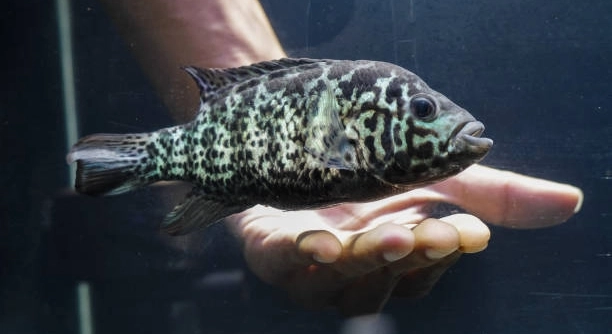
Many fish owners notice unusual behaviors when a tankmate dies, and Jack Dempsey fish are no exception. Observing changes in activity and interaction can leave aquarists wondering how these fish respond to loss in their environment.
Jack Dempsey fish do not mourn in the way mammals do, but they may display changes in behavior after a tankmate dies. These changes can include reduced activity, altered feeding patterns, and temporary social withdrawal from other fish in the tank.
Understanding these subtle behaviors helps maintain a healthy aquarium and supports the well-being of remaining fish after a loss. Proper observation ensures your aquatic environment stays balanced and calm.
How Jack Dempsey Fish React to a Lost Tankmate
When a Jack Dempsey fish loses a tankmate, its behavior can change noticeably. These fish may become less active, hiding more often in decorations or behind plants. Feeding patterns can also shift, with some fish showing less interest in food for a short period. While these behaviors are temporary, they signal stress and adjustment to the new environment. Observing your fish closely during this time is important, as it helps identify if the changes are natural or if additional care is needed. Stress in Jack Dempseys can lead to weakened immunity, so maintaining stable water conditions and minimizing sudden disturbances is crucial. Gradually, most fish resume their normal routines, though they may remain slightly cautious around areas where the deceased tankmate once spent time. Providing gentle interaction and consistent feeding supports their recovery and comfort.
Even minor changes in tank conditions can worsen stress. Monitor water temperature, pH, and cleanliness.
Awareness of these subtle behavioral shifts allows aquarists to respond appropriately. Keeping stress low ensures the remaining fish remain healthy and active. Enriching the tank with hiding spots and maintaining consistent routines promotes confidence and a sense of security. Observing how the fish interacts with new tankmates later can also provide insight into social recovery. By carefully monitoring both environmental factors and individual behavior, aquarists can minimize long-term effects from the loss and maintain a stable aquarium ecosystem that supports growth and activity for all inhabitants.
Supporting Jack Dempseys After Loss
Immediate care after a tankmate’s death is crucial. Provide stable water conditions, monitor feeding, and avoid sudden changes.
Ensuring a calm environment helps Jack Dempseys adjust. Remove any uneaten food and maintain routine cleaning schedules. Keeping a balanced diet and observing behavior over several days allows you to notice stress signs early. Introducing new tankmates should be done gradually and with caution to prevent further stress. Enrichment, such as plants or hiding spaces, can give the fish comfort and a sense of security. Regular observation helps track recovery and keeps the tank harmonious. Proper attention during this period supports long-term health and encourages normal activity. This approach reduces prolonged stress and allows the remaining fish to regain confidence. Observing their interactions over time ensures any new tankmates are compatible and that social balance returns. Maintaining consistency and calmness in care practices is key to supporting their adjustment and overall well-being.
Identifying Stress in Jack Dempsey Fish
Stress in Jack Dempsey fish often shows through changes in behavior. They may hide more frequently, swim less actively, or avoid interaction with other fish. Appetite changes, like skipping meals or nibbling slowly, are also common indicators that the fish is under stress.
Prolonged stress can weaken the immune system, making Jack Dempseys more susceptible to disease. Watch for faded coloration, frayed fins, or unusual spots on the body. These signs indicate the need for immediate attention. Adjusting water conditions, ensuring proper filtration, and keeping a consistent feeding schedule helps reduce stress and supports recovery.
Behavioral changes also affect social interactions. Stressed Jack Dempseys may act aggressively toward other tankmates or retreat completely. Observing their patterns daily can help determine whether these changes are temporary or require intervention. Providing hiding spots, reducing sudden movements around the tank, and maintaining a calm environment promotes faster adjustment and stability.
Creating a Comfortable Environment
Proper tank setup plays a key role in reducing stress for Jack Dempseys. Provide plenty of hiding spots, stable water conditions, and gentle filtration. Regular monitoring ensures the fish feel secure.
Adding plants, rocks, and caves gives Jack Dempseys spaces to retreat when feeling uneasy. Avoid overcrowding and maintain consistent lighting and temperature. Sudden changes in water chemistry or noisy surroundings can increase anxiety. Monitoring pH, ammonia, and nitrate levels ensures a safe habitat. Consistent feeding and routine maintenance prevent further stress. These adjustments create an environment that promotes natural behavior, allows the fish to regain confidence, and supports long-term health in the aquarium.
Adjusting Social Dynamics
Jack Dempseys may take time to adjust after losing a tankmate. They can be cautious around other fish, sometimes avoiding interaction or swimming alone for a period. Monitoring their behavior helps ensure they adapt without excessive stress.
Introducing new tankmates should be gradual. Observing reactions during initial interactions prevents conflicts and allows Jack Dempseys to feel safe while adjusting to changes in the tank.
Feeding and Nutrition
Maintaining a consistent feeding schedule is essential during recovery. Offering high-quality, varied foods supports their immune system and reduces stress. Nutrient-rich meals help Jack Dempseys regain energy, maintain proper growth, and strengthen natural resilience, which is particularly important after a loss or environmental changes.
Monitoring Long-Term Health
Regular observation of activity, appetite, and coloration is key. Sudden changes can indicate lingering stress or underlying illness, allowing timely intervention to protect overall well-being.
FAQ
Do Jack Dempsey fish recognize their tankmates?
Jack Dempseys do not recognize individual fish in the same way mammals recognize companions, but they can become familiar with the presence and behavior of other tankmates. They notice patterns in swimming, feeding habits, and territorial boundaries. Familiarity helps them feel more secure in the tank.
How long does it take for a Jack Dempsey to adjust after losing a tankmate?
Adjustment varies depending on the individual fish and tank environment. Some may recover within a few days, while others take several weeks. Providing stable water conditions, consistent feeding, and hiding spots supports a quicker, less stressful transition.
Can a Jack Dempsey fish become aggressive after a tankmate dies?
Yes, stress from the loss can increase territorial or aggressive behavior temporarily. Aggression often decreases as the fish readjust. Observing interactions and maintaining adequate space prevents conflicts. Separating overly aggressive individuals may be necessary until balance returns.
Will Jack Dempsey fish show signs of depression or lethargy?
While they do not experience depression as mammals do, lethargy and reduced appetite are common stress responses. Temporary withdrawal or hiding is normal. Ensuring consistent care and monitoring behavior helps them regain normal activity levels.
Should I introduce a new tankmate immediately after a loss?
Introducing a new fish too soon can increase stress. It is best to allow a period of adjustment, usually a few days to a week, while monitoring behavior. New tankmates should be added gradually and in a calm manner.
Do Jack Dempseys require any special care after losing a tankmate?
No special medications are usually required unless illness is present. Focus on stable water conditions, consistent feeding, and minimizing disturbances. Providing hiding spots and maintaining routine helps reduce stress and supports overall health.
Can multiple tankmate losses affect a Jack Dempsey long-term?
Repeated losses or frequent changes in tankmates can increase stress and may affect behavior and appetite. Ensuring a stable environment, sufficient space, and proper nutrition helps maintain long-term health and reduces repeated stress impacts.
Is it normal for Jack Dempseys to hide more often after a loss?
Yes, hiding is a natural response to stress. Increasing cover in the tank and avoiding sudden movements around the aquarium encourages them to feel secure and gradually resume normal activity.
Do Jack Dempseys interact differently with remaining tankmates after a loss?
Yes, they may avoid previous social groups temporarily or display altered swimming patterns. This is usually a short-term adjustment. Monitoring their interactions ensures that aggression or stress does not escalate.
How can I tell if my Jack Dempsey is fully recovered from stress?
Signs of recovery include regular swimming patterns, resumed appetite, bright coloration, and normal interaction with other tankmates. Consistent observation over several days confirms that stress has subsided.
Final Thoughts
Jack Dempsey fish are resilient creatures, but the loss of a tankmate can still affect them noticeably. They may hide more, swim less actively, or show reduced interest in food for a short time. These behaviors are not unusual and usually indicate stress rather than illness. Observing your fish closely during this period is important, as it helps you determine whether they are simply adjusting or if additional care is needed. Ensuring the tank environment remains stable is key. Water quality, temperature, and pH levels should be consistently monitored, as even small changes can add to stress. Providing hiding spots with plants, rocks, or decorations helps the fish feel secure while they adapt. Gradually, most Jack Dempseys will return to their normal routines, though they may remain slightly cautious in areas associated with the deceased tankmate.
Maintaining a calm and consistent routine is one of the most effective ways to support Jack Dempseys after a loss. Feeding schedules should remain regular, and high-quality, nutrient-rich foods help the fish regain energy and maintain proper health. Avoid introducing new tankmates immediately, as sudden social changes can increase anxiety. If new fish are added, do so gradually and monitor interactions closely. Overcrowding should be avoided to reduce aggression and ensure each fish has enough space to feel comfortable. Attention to detail in daily tank maintenance, such as removing uneaten food and checking filtration systems, plays a significant role in reducing stress. Observing changes in behavior, coloration, and activity levels provides insight into the fish’s recovery process. Over time, a stable environment and consistent care allow Jack Dempseys to regain confidence and resume normal social behavior.
It is also important to remember that each fish is an individual, and their reactions to loss may differ. Some Jack Dempseys may recover quickly, while others take longer to adjust. Providing a supportive environment allows each fish to process changes at its own pace. Behavioral changes like temporary withdrawal, hiding, or minor aggression are normal responses and generally improve with consistent care. By focusing on stability, proper nutrition, and adequate enrichment, you help your fish feel secure and maintain long-term health. Keeping a close eye on their interactions with remaining or new tankmates ensures that social balance returns smoothly. With patience and attentive care, Jack Dempseys can continue to thrive and display their natural behaviors even after experiencing the loss of a tankmate. Creating an environment that prioritizes security and consistency benefits all fish in the aquarium, promoting overall well-being and a peaceful, active community.

Hello,
If you enjoy the content that we create, please consider saying a "Thank You!" by leaving a tip.
Every little bit helps us continue crafting quality advice that supports the health, happiness, and well-being of pets around the world, for pets of all shapes, sizes, and species.
We really appreciate the kindness and support that you show us!