
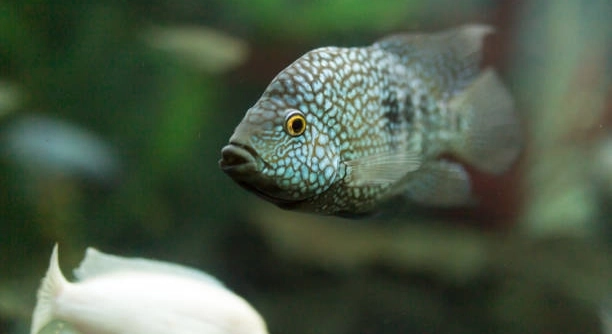
Jack Dempseys are striking fish, but keeping them healthy requires careful planning. Many new owners unintentionally make mistakes when setting up their tanks, which can affect the fish’s growth and overall wellbeing. Proper preparation is essential.
The most common tank setup mistakes for Jack Dempseys include incorrect water parameters, insufficient tank size, poor filtration, overcrowding, inadequate hiding spots, improper substrate, and neglecting regular maintenance. Addressing these issues is crucial for sustaining a stable and healthy aquatic environment.
Learning to avoid these errors will improve your fish’s health and longevity. Simple adjustments can make a big difference in your Jack Dempsey’s life.
Choosing the Wrong Tank Size
Jack Dempseys grow quickly and need plenty of space to thrive. A tank that is too small can stunt growth, increase aggression, and cause stress. Many new owners underestimate the size requirements, starting with tanks that may seem sufficient at first. Juvenile fish may appear comfortable, but as they grow, cramped conditions become dangerous. A minimum of 55 gallons is recommended for a single adult, with larger tanks preferred if keeping multiple fish. Providing ample space allows them to swim freely, establish territories, and reduces the risk of disease. Overcrowding can also compromise water quality, making it harder to maintain stable parameters. Selecting the right tank size from the beginning saves time, stress, and ensures healthier fish in the long term. Proper space is essential for observing natural behaviors and keeping your tank balanced.
Starting with an adequate tank prevents many behavioral and health problems. Space is critical for adult Jack Dempseys.
Providing the correct tank size sets the foundation for a stable and manageable environment. It allows proper swimming space, reduces stress, and gives room for plants, hiding spots, and decorations. Large tanks also make it easier to maintain water quality and prevent aggression between fish. Planning for growth from the start is a simple yet effective step toward a successful tank setup.
Water Parameters and Filtration
Maintaining proper water parameters is key to Jack Dempsey health. Temperature, pH, and hardness must be consistent. Regular monitoring ensures fish remain healthy.
Filtration must be strong enough for their bioload. Without adequate filtration, waste builds up quickly.
Improper water parameters and weak filtration can lead to disease, stunted growth, and stress. Jack Dempseys prefer temperatures between 74–80°F, pH around 6.5–7.5, and moderate hardness. Filters should handle at least twice the tank volume per hour, providing mechanical, biological, and chemical filtration. Regular water changes complement filtration, helping maintain a stable environment. Testing water weekly prevents unnoticed issues. Investing in a reliable filtration system and monitoring water parameters is essential. This ensures your Jack Dempseys thrive, reduces maintenance problems, and allows them to display natural behaviors without health setbacks. A stable and clean environment is the backbone of a successful tank setup for these fish.
Overcrowding the Tank
Overcrowding increases aggression and stress among Jack Dempseys. Too many fish in one tank leads to poor water quality, limited hiding spaces, and frequent conflicts. It is essential to keep population under control to maintain a balanced environment and healthy fish.
Adding too many fish at once can overwhelm the tank’s filtration system, making it harder to maintain stable water parameters. Jack Dempseys are territorial, and overcrowding often results in chasing, injuries, or long-term stress that impacts their growth and immunity. Keeping fewer fish allows each one to establish space, reducing aggression and promoting healthier social interactions. Overcrowding can also mask early signs of disease, making treatment more difficult and stressful for both fish and owner.
Careful planning of tank population ensures a peaceful and manageable environment. Overcrowding is a common mistake that can be easily avoided. Providing proper space and monitoring growth will prevent unnecessary stress and maintain water quality. A well-balanced tank allows Jack Dempseys to display natural behaviors and thrive in a stable, clean environment, giving owners confidence in their care routine.
Lack of Hiding Spots
Jack Dempseys need hiding spots to reduce stress and establish territories. Without them, aggression and anxiety can increase rapidly. Providing caves, plants, or decorations helps fish feel secure and safe in their environment.
Hiding spots are essential for both juveniles and adults. These fish often retreat when stressed or during aggression. Rocks, driftwood, and dense plant clusters create natural barriers, giving them spaces to rest or escape. Without hiding spots, conflicts are more frequent, and dominant fish may bully others constantly. A tank that lacks adequate shelter can also impact feeding habits, as stressed fish may eat less or avoid areas where they feel threatened. Thoughtful placement of hiding areas balances activity and rest, allowing each fish to feel secure.
Decorating the tank with multiple hiding spots benefits both fish and maintenance. Providing several shelters reduces aggression, gives space for natural behavior, and supports mental well-being. Strategically placed caves, plants, or driftwood break up sightlines, allowing fish to feel safe while moving around. Even in smaller tanks, creative use of vertical and horizontal spaces can create enough shelter for multiple Jack Dempseys. A well-decorated environment promotes calmer interactions, encourages natural swimming patterns, and improves overall health, making tank management smoother and more enjoyable.
Improper Substrate
Using the wrong substrate can harm Jack Dempseys’ health and behavior. Sharp or rough materials may injure their sensitive mouths and fins. Smooth gravel or sand is safer and allows natural digging behaviors without risk of cuts or abrasions.
Substrate also affects water quality. Certain materials can alter pH and hardness, creating an unstable environment. Choosing inert, easy-to-clean substrates helps maintain consistent water parameters. Sand allows fish to sift naturally, reducing stress and encouraging activity. Regular cleaning prevents debris buildup, keeping the tank healthy. A proper substrate supports both physical health and natural behavior.
Neglecting Regular Maintenance
Regular water changes and filter cleaning are crucial. Ignoring maintenance leads to toxin buildup, poor water quality, and stressed fish.
Feeding Mistakes
Overfeeding is common and can cause obesity, poor water quality, and digestive issues. Jack Dempseys do best with small, controlled portions, feeding once or twice daily.
Ignoring Fish Behavior
Watching Jack Dempseys’ behavior helps detect early signs of stress or illness. Sudden aggression, hiding, or changes in appetite can indicate problems that require immediate attention.
FAQ
What is the ideal tank size for a Jack Dempsey?
A single adult Jack Dempsey needs at least a 55-gallon tank. If keeping multiple fish, larger tanks are necessary to provide space for swimming and territories. Adequate space reduces stress, aggression, and the risk of stunted growth. Starting with the correct size saves problems later.
What water parameters should I maintain?
Jack Dempseys prefer temperatures between 74–80°F, pH levels of 6.5–7.5, and moderate water hardness. Stability is key. Sudden changes in temperature or pH can cause stress or illness. Using a reliable heater, thermometer, and frequent water testing helps maintain consistency.
How often should I perform water changes?
Weekly water changes of 20–30% are recommended. Regular changes remove waste and maintain stable parameters. Overlooking this step can lead to ammonia spikes, poor oxygen levels, and unhealthy fish. Maintenance keeps your tank clean, reducing stress and improving longevity.
What type of substrate is best?
Smooth sand or fine gravel is ideal. Rough or sharp substrates can injure mouths and fins. Sand encourages natural digging, while easy-to-clean gravel prevents debris buildup. Avoid substrates that alter pH or hardness unless specifically designed for cichlids.
How do I control aggression in the tank?
Provide hiding spots, sufficient space, and monitor fish numbers. Overcrowding and lack of shelters increase fights. Dominant fish need visual barriers to reduce stress on others. Adding caves, plants, or driftwood can break line-of-sight and reduce constant confrontation.
How should I feed Jack Dempseys?
Feed small portions once or twice daily. Avoid overfeeding, which leads to obesity and poor water quality. A mix of pellets, frozen foods, and occasional live foods ensures balanced nutrition. Remove uneaten food promptly to prevent decay.
How do I know if my fish is stressed or sick?
Signs include sudden hiding, loss of appetite, faded colors, and erratic swimming. Stress or illness often results from poor water conditions, overcrowding, or inadequate hiding spots. Early detection and adjustment of the environment are essential for recovery.
Can Jack Dempseys live with other fish?
They are semi-aggressive and territorial. Tank mates must be chosen carefully. Larger, robust fish with similar temperaments are safer. Avoid small or slow-moving species. Monitoring interactions and providing hiding spots can reduce conflicts, but some aggression is unavoidable.
How important is filtration?
Filtration is critical due to their high bioload. A filter rated for at least twice the tank volume per hour is recommended. Mechanical, biological, and chemical filtration helps maintain water clarity and quality. Combine with regular water changes for the best results.
How often should I clean the tank?
Besides weekly water changes, clean the substrate and filter as needed. Avoid over-cleaning, which removes beneficial bacteria. Maintenance ensures waste does not build up, keeping water stable and your Jack Dempseys healthy. A clean tank also reduces disease risk and supports natural behavior.
What decorations are best for their environment?
Rocks, driftwood, and dense plants are ideal. They provide hiding spots and break line-of-sight for territorial fish. Avoid sharp or fragile decorations that could injure fins or break under pressure. Decor should create a balanced, natural environment while allowing swimming space.
How can I prevent overfeeding?
Measure portions based on tank size and fish number. Feed only what they can consume in a few minutes. Remove leftover food to prevent decay. Using a feeding schedule prevents constant snacking, maintaining water quality and fish health.
Are Jack Dempseys hard to care for?
They are hardy but require proper tank size, stable water parameters, adequate filtration, and regular maintenance. Mistakes in setup or feeding can cause stress, illness, and aggression. Attention to detail ensures healthy, vibrant fish with long lifespans.
What is the best way to acclimate new fish?
Float the bag in the tank to equalize temperature, then gradually mix tank water with bag water over 30–60 minutes. This prevents shock from sudden changes in temperature, pH, or hardness. Slow acclimation reduces stress and improves survival rates.
How do I encourage natural behavior?
Provide hiding spots, proper substrate, and sufficient space. Feeding in varied locations encourages exploration. Avoid overcrowding, and maintain stable water parameters. A well-structured tank allows Jack Dempseys to dig, explore, and establish territories naturally.
Can I keep plants with Jack Dempseys?
Yes, but choose sturdy plants like Anubias or Java Fern attached to rocks or driftwood. They may uproot delicate plants while digging. Plants provide hiding spots and improve water quality, creating a more natural and enriching environment.
How long do Jack Dempseys live?
With proper care, they can live 8–10 years or more. Longevity depends on tank size, water quality, diet, and stress levels. Maintaining a stable and healthy environment is key to a long, active life.
What signs indicate the tank is too small?
Frequent aggression, stunted growth, and constant chasing suggest insufficient space. Fish may also swim in tight circles or show stress behaviors. Upgrading to a larger tank improves swimming space, reduces conflicts, and promotes overall health.
How do I manage breeding behavior?
Provide hiding spots and flat surfaces for eggs. Breeding pairs become highly territorial. Monitor interactions and be prepared to separate fish if aggression escalates. Maintaining clean water and stable parameters supports successful breeding and fry survival.
What common mistakes should I avoid?
Overcrowding, poor filtration, wrong tank size, improper water parameters, overfeeding, and lack of hiding spots are common errors. Preventing these ensures a healthy, balanced tank and reduces stress and disease risk. Consistent care is essential for thriving Jack Dempseys.
Jack Dempseys are striking and rewarding fish, but keeping them healthy requires attention to detail and careful planning. Their size, temperament, and environmental needs make proper tank setup essential. Mistakes in tank size, water parameters, filtration, and decorations can lead to stress, aggression, and illness. Choosing the right tank from the start and planning for growth helps prevent many common problems. Large tanks provide sufficient swimming space, reduce territorial disputes, and allow for a more balanced ecosystem. Proper substrate and decorations are also important. Smooth sand or fine gravel prevents injuries while allowing natural digging behavior. Rocks, driftwood, and plants provide hiding spots, reduce stress, and encourage natural activity. Without adequate shelters, Jack Dempseys can become aggressive, anxious, and withdrawn, which affects their health and feeding habits. Paying attention to these basic requirements ensures a safer, more enjoyable environment for both fish and owner.
Maintaining water quality and stable parameters is one of the most important aspects of Jack Dempsey care. Temperature, pH, and hardness need to remain consistent. Regular water changes, combined with a reliable filtration system, prevent waste buildup and protect fish from harmful toxins. Overcrowding worsens water quality and increases aggression, so population management is essential. Feeding should be controlled and balanced, avoiding overfeeding that can harm fish and pollute the tank. Observing your fish regularly helps detect early signs of stress or illness, such as hiding, faded colors, or reduced appetite. Acting on these signs quickly can prevent more serious health problems. Consistency in maintenance, feeding, and monitoring creates a stable environment where Jack Dempseys can thrive. Each step, even if small, contributes to a healthier tank and happier fish. Over time, establishing these habits makes tank care manageable and reduces the risk of preventable mistakes.
Attention to detail and proactive care is key to a successful Jack Dempsey tank. Understanding their needs, including space, shelter, water conditions, and social dynamics, helps avoid common pitfalls. Simple actions, such as providing hiding spots, monitoring water parameters, and controlling population, have a significant impact on fish health and behavior. Even minor mistakes, like using the wrong substrate or neglecting filtration, can create ongoing problems. By carefully observing your fish and adjusting their environment as needed, you can support their natural behaviors and long-term health. A well-planned and maintained tank not only protects Jack Dempseys from stress and disease but also creates a more enjoyable and visually appealing aquarium. Consistent care and attention allow these fish to flourish, providing satisfaction for the owner and a stable, healthy environment for the fish. Taking the time to set up and maintain the tank properly ensures that both you and your Jack Dempseys benefit from a thriving aquatic space.

Hello,
If you enjoy the content that we create, please consider saying a "Thank You!" by leaving a tip.
Every little bit helps us continue crafting quality advice that supports the health, happiness, and well-being of pets around the world, for pets of all shapes, sizes, and species.
We really appreciate the kindness and support that you show us!