
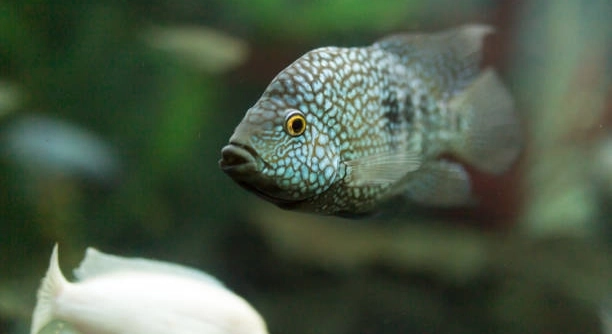
Jack Dempsey fish are admired for their vivid colors and energetic movements, making them a favorite for many aquarists. Observing their behaviors can be fascinating, yet their unusual feeding habits often raise concerns among fish owners and enthusiasts.
Jack Dempsey fish refuse to eat in groups primarily due to territorial instincts and social hierarchy. The presence of other fish creates stress and competition, which inhibits feeding. Individual feeding ensures reduced aggression and allows the fish to feel secure during meals.
Proper understanding of these habits improves care and feeding strategies. Recognizing their natural tendencies promotes a healthier and more peaceful aquarium environment.
Understanding Jack Dempsey Territorial Behavior
Jack Dempsey fish are naturally territorial, and this trait strongly influences their feeding habits. When multiple fish are present, a Jack Dempsey may become aggressive or defensive, guarding its space rather than focusing on food. These fish establish clear boundaries in the tank, marking areas they consider their own. During feeding times, the presence of other fish can create stress, causing hesitation or refusal to eat. It is common to observe a single Jack Dempsey eating quickly while others linger or ignore the food entirely. Environmental factors, such as tank size and hiding spots, also play a role. Smaller tanks amplify territorial behavior, while larger tanks with plants or decorations offer spaces for fish to retreat and feel secure. Maintaining awareness of these dynamics helps ensure all fish receive proper nutrition without conflict, reducing stress and promoting healthier behaviors over time.
Feeding Jack Dempsey fish individually minimizes stress and encourages consistent eating habits.
Individual feeding ensures each fish receives enough food without competition. Observing their behavior during these times can reveal preferences and reduce aggression, promoting a calmer tank environment.
Feeding Strategies for Peaceful Aquariums
Separate feeding sessions for each Jack Dempsey help prevent aggression.
Offering food in smaller portions at different spots in the tank allows each fish to feed safely. Monitoring their reactions ensures they are comfortable and eating adequately. Consistency in feeding times helps reduce anxiety and reinforces predictable routines. Using feeding tools like tongs or pipettes can guide food to specific areas, keeping other fish from interfering. Adjusting tank arrangements, such as adding partitions or hiding areas, further supports a peaceful environment. Providing a balanced diet with protein-rich foods ensures the fish remain healthy and reduces the likelihood of food-related conflicts. Over time, these strategies cultivate a stable tank environment, where territorial instincts are respected but do not prevent proper feeding. Fish respond well to predictable, calm conditions, making individual attention during meals essential for both their health and overall aquarium harmony.
Recognizing Signs of Feeding Stress
Jack Dempsey fish may show hesitation, darting movements, or ignoring food when stressed. Signs include hiding, fin clamping, and staring at other fish while food is available. Stress affects appetite and overall health, making observation during feeding critical for maintaining a healthy tank environment.
Stress can lead to irregular feeding and slower growth in Jack Dempsey fish. Observing their behavior closely allows adjustments in tank setup, feeding times, and portion sizes to reduce competition. Small changes, like separating aggressive individuals or adding hiding spots, can improve comfort levels. Maintaining stable water conditions also minimizes stress, ensuring fish remain healthy. Over time, attentive care strengthens their confidence and promotes regular feeding patterns, improving overall tank harmony and reducing aggressive encounters.
Environmental factors contribute heavily to feeding stress in Jack Dempsey fish. Tank size, décor, and placement of food can influence their willingness to eat. Small tanks intensify competition, while insufficient hiding spots increase anxiety. Adjusting these elements creates a sense of security, allowing the fish to eat calmly. Using feeding tools, such as tongs or small cups, helps guide food to individual fish and reduces interference from others. Monitoring their response to these changes ensures adjustments are effective. Proper care and observation allow each fish to thrive and develop consistent feeding habits over time, minimizing conflicts and stress-related issues.
Adjusting Feeding Techniques
Feeding smaller portions in multiple locations reduces competition and encourages calm eating. Timing meals consistently helps Jack Dempsey fish anticipate food and feel secure.
Using targeted feeding methods ensures each fish receives nutrition without interference. Hand-feeding or using tongs to place food in specific areas prevents aggressive encounters. Observing the fish’s reactions helps identify preferred feeding spots, which can then be reinforced to maintain consistency. Combining these techniques with appropriate tank arrangements, such as plants or hiding areas, allows shy individuals to feed safely. Adjusting diet types, like incorporating live or frozen foods, can increase appetite and reduce stress, ensuring all fish eat adequately. Over time, these adjustments create a balanced feeding routine that supports health, reduces aggression, and fosters a more peaceful tank environment.
Creating Safe Feeding Zones
Designating separate areas in the tank helps Jack Dempsey fish feel secure during meals. Using plants, rocks, or partitions provides space for each fish to eat without interference, reducing stress and aggressive encounters while encouraging proper feeding habits.
Feeding zones also allow shy or smaller fish to access food safely. Observing their behavior in these spaces ensures all individuals are comfortable and eating adequately, promoting healthier growth and minimizing conflicts.
Using Feeding Tools
Tongs, pipettes, or small cups help guide food directly to individual Jack Dempsey fish. These tools prevent competition and allow controlled portions for each fish. By placing food carefully, each fish can eat without distraction, reducing stress and encouraging consistent feeding habits over time.
Observing Behavior Closely
Watching fish during feeding reveals important patterns. Noting aggression, hesitation, or avoidance helps identify issues early. Adjustments in feeding techniques or tank layout can then be made promptly, supporting healthier and calmer fish behavior.
FAQ
Why do Jack Dempsey fish refuse to eat in groups?
Jack Dempsey fish are naturally territorial and aggressive. When multiple fish are present during feeding, they perceive competition and potential threats. This stress can cause hesitation or complete refusal to eat. Feeding them individually or in separate zones reduces conflict and encourages regular eating habits, promoting overall health.
How can I encourage my Jack Dempsey to eat around other fish?
While Jack Dempsey fish rarely eat comfortably in groups, gradual exposure can help. Start by feeding them near other fish without placing food directly in the shared space. Over time, they may become more comfortable, but individual feeding remains the most reliable method for ensuring proper nutrition and reducing stress.
What feeding techniques work best for Jack Dempsey fish?
Targeted feeding works best. Tools like tongs, pipettes, or small cups allow you to deliver food directly to each fish. Feeding in small portions in multiple tank locations minimizes competition. Consistent timing and using live or frozen foods can increase appetite and reduce stress. Providing hiding spots nearby allows shy fish to eat safely.
Do tank size and décor affect feeding behavior?
Yes, tank environment strongly impacts feeding. Small tanks increase territorial disputes, while limited hiding spots make fish feel exposed and stressed. Adding rocks, plants, or partitions creates safe spaces for each fish to eat. Larger tanks with multiple feeding areas encourage calmer meals and reduce aggression.
How do I know if my Jack Dempsey is stressed during feeding?
Signs of stress include fin clamping, darting movements, hiding, and refusing food. Aggressive chasing or guarding specific areas during feeding also indicates tension. Observing these behaviors allows adjustments to tank layout, feeding routines, or individual attention, helping fish feel secure and eat regularly.
Can diet influence feeding behavior in groups?
Yes, diet plays a role. Jack Dempsey fish respond well to high-protein foods like live or frozen brine shrimp, bloodworms, or small feeder fish. Foods that are too large or hard to access increase competition and stress. Adjusting portion sizes and using preferred foods improves willingness to eat even in the presence of others.
Is it safe to separate Jack Dempsey fish during feeding?
Absolutely. Temporary separation during feeding is safe and effective. Using dividers, small cups, or feeding tools ensures each fish receives proper nutrition without aggression. Separation reduces stress, prevents injuries, and encourages consistent eating, which supports overall health and proper growth in the aquarium.
How often should Jack Dempsey fish be fed individually?
Feeding individually once or twice daily is sufficient for most adult Jack Dempsey fish. Juveniles may require more frequent feeding. Consistency in timing and portion size is more important than feeding multiple times. Observing the fish’s response helps determine if adjustments are necessary for optimal health and reduced stress.
What should I do if my Jack Dempsey still refuses to eat?
Check water quality, tank setup, and diet. Stress from poor water conditions or overcrowding can suppress appetite. Ensure hiding spots and feeding zones are available. Offering preferred high-protein foods with targeted feeding techniques often encourages eating. Persistent refusal may indicate illness and requires further observation or consultation with an aquatic specialist.
Can Jack Dempsey fish learn to eat in groups over time?
Some may adjust slightly with gradual exposure and consistent feeding routines, but most will continue to prefer eating alone. Providing safe feeding zones and targeted feeding ensures all fish get proper nutrition without forcing group meals, maintaining a healthy and calm tank environment.
How does aggression during feeding impact tank dynamics?
Aggression can prevent smaller or shy fish from eating, cause injuries, and increase stress. Managing aggression through individual feeding, tank rearrangement, and adequate hiding spaces maintains peace. Consistent observation allows adjustments to prevent dominant fish from monopolizing food and ensures all fish remain healthy and well-fed.
Are there tools to make group feeding easier for Jack Dempsey fish?
Feeding tools like tongs, pipettes, or small cups help direct food to individual fish without conflict. Using multiple feeding stations and dispersing portions reduces competition. Tools allow control over portion size and placement, minimizing stress and ensuring every fish receives sufficient nutrition in a shared environment.
Does water temperature affect feeding behavior?
Yes, water temperature impacts metabolism and appetite. Jack Dempsey fish prefer temperatures between 24–28°C (75–82°F). Too cold slows digestion and reduces appetite, while too warm increases aggression. Maintaining stable, optimal temperatures supports regular feeding habits and helps reduce stress during meal times.
Can Jack Dempsey fish be trained to eat at specific locations?
Yes, repeated feeding at consistent spots and times encourages them to anticipate food there. Using feeding tools and placing food near hiding areas helps shy individuals feel safe. Over time, fish learn to eat in these locations, reducing conflict and promoting predictable, calm feeding routines.
What is the best way to monitor feeding success?
Observe all fish during and after feeding. Ensure each fish consumes its portion and note signs of stress or aggression. Adjust feeding locations, portion sizes, or timing as needed. Keeping a routine log of feeding behavior helps identify patterns and ensures all Jack Dempsey fish remain healthy and well-nourished.
This FAQ provides practical strategies to manage feeding challenges with Jack Dempsey fish. Individual attention, proper tank setup, and targeted feeding ensure a calm and healthy environment while meeting their nutritional needs.
Final Thoughts
Jack Dempsey fish are striking and engaging, but their unique behaviors can make feeding a challenge. Their territorial instincts are strong, and they often view other fish as competition. This behavior explains why they refuse to eat in groups and why individual feeding is usually necessary. Understanding this aspect of their nature allows owners to create a calm and structured environment. Providing separate feeding areas and observing each fish during meal times ensures that all Jack Dempsey fish get proper nutrition without stress or conflict. By recognizing the importance of space and control, you can help these fish feel secure and encourage consistent eating habits.
Creating a suitable environment goes beyond feeding alone. Tank size, décor, and hiding spots all play a role in reducing stress and promoting natural behaviors. Larger tanks with ample plants, rocks, and partitions allow each fish to claim its own territory without constant confrontations. Even small adjustments, like rearranging decorations or providing temporary dividers during feeding, can significantly reduce tension. Consistent water conditions and maintaining appropriate temperatures also support healthy metabolism and appetite. Observing how Jack Dempsey fish respond to these changes provides valuable insight into their behavior and needs. Over time, attentive care helps them adapt to their environment, encouraging calmer interactions and steady feeding routines.
Feeding techniques are equally important in supporting their health and reducing aggression. Using tools like tongs, pipettes, or small cups to deliver food directly to individual fish minimizes competition and ensures proper portions. Offering high-protein foods such as live or frozen brine shrimp or bloodworms can increase appetite and reduce stress. Regular observation during feeding allows you to adjust portion sizes, timing, and locations to suit the fish’s preferences. By combining careful feeding practices with environmental management, you create a predictable and secure routine for each Jack Dempsey. Understanding their territorial and cautious nature allows for a peaceful tank, where all fish can thrive and display their natural beauty without unnecessary stress.

Hello,
If you enjoy the content that we create, please consider saying a "Thank You!" by leaving a tip.
Every little bit helps us continue crafting quality advice that supports the health, happiness, and well-being of pets around the world, for pets of all shapes, sizes, and species.
We really appreciate the kindness and support that you show us!