
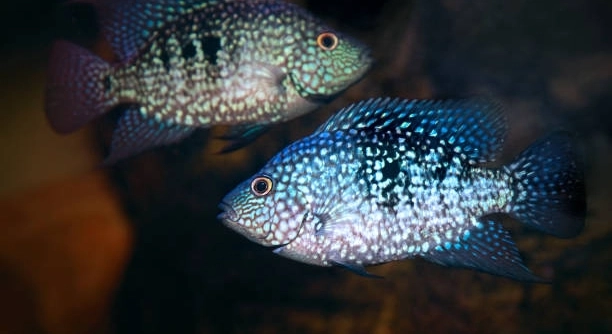
Have you ever noticed how Jack Dempsey fish use body motion to express intent and mood, turning simple swims into clear signals that shape social order, territory boundaries, and daily interactions within their aquatic environment?
Jack Dempsey fish communicate through movement by using postures, fin displays, and directional swimming to convey dominance, submission, courtship, and warning signals. These behaviors regulate social structure, reduce physical conflict, and coordinate interactions within shared habitats among conspecific individuals effectively.
By observing subtle shifts in motion, readers can understand behavior patterns, social balance, and environmental cues shaping these striking cichlids.
Body Language as a Silent Signal
I often notice that Jack Dempsey fish rely on body posture as a primary form of expression. Upright positioning, angled stances, and slow turns send messages long before contact occurs. A raised body paired with flared fins usually signals confidence or control, while lowered posture reflects restraint. These movements help prevent constant fighting by setting expectations early. Consistent patterns allow other fish to respond calmly, whether by backing away or holding position. Over time, repeated interactions build familiarity, which stabilizes group dynamics. Even subtle shifts in speed or direction can change the meaning of an encounter. Movement becomes a shared language that supports order inside the tank. I have learned that patience from the observer reveals patterns that are easy to miss during rushed viewing sessions. This awareness improves care choices and reduces stress for every fish involved. Small details often explain larger behaviors clearly over extended observation periods alone.
Fin movement adds another layer to this silent system. Gentle waving shows calm presence, while rapid flaring increases visibility. Paired with body angle, fins help clarify intent. I pay attention to these cues when adjusting tank space, lighting, or population balance. They guide my daily maintenance decisions with steady confidence.
Directional swimming also carries meaning among Jack Dempsey fish. A direct approach often signals challenge or interest, while curved paths soften interaction. Retreating motions reduce tension without full withdrawal. I have seen how these choices limit injury and conserve energy. Fish that read movement well avoid unnecessary clashes and maintain access to resources. Over time, tanks with clear movement patterns feel calmer. Recognizing these signals helps keepers respond before aggression escalates. Adjusting décor placement and hiding spots supports natural flow. Movement-based communication remains consistent even without visual contact. This reliability simplifies long term observation and care across varied environments consistently.
Environmental Influence on Movement Signals
Environmental conditions shape how movement signals are expressed. Tank size, décor density, and lighting affect visibility. In tight spaces, motions become sharper and more frequent. Open layouts allow slower displays. I adjust layouts carefully to support clear communication and reduce unnecessary stress. This balance promotes stable behavior over time overall.
Water quality and external disturbances also influence how Jack Dempsey fish rely on movement. Clear water allows subtle gestures to remain effective, while poor clarity forces stronger displays. Sudden vibrations or noise can disrupt normal patterns, leading to misread signals. I learned that consistency in maintenance keeps communication steady. When fish feel secure, movements stay measured and predictable. This stability lowers conflict and supports feeding routines. Keepers benefit by observing changes in motion after adjustments. Even small improvements in filtration or placement can restore balance. Movement becomes more deliberate when conditions remain stable. Over time, fish adapt their signaling style to the space provided. Respecting this process helps maintain harmony. Careful observation turns motion into a practical guide for long term success. I apply this awareness during routine care and behavioral checks. Watching daily rhythms reveals stress before visible damage occurs. This approach reduces reactive changes and supports steady environments. Movement patterns offer feedback without invasive measures. With patience, keepers gain insight that supports healthier fish and more predictable interactions overall. Over months, this method builds confidence and improves long term outcomes for captive care settings. It aligns observation with responsible husbandry practices based on consistent movement feedback alone now.
Aggressive Displays and Territorial Motion
Aggressive movement in Jack Dempsey fish appears direct and deliberate. Short lunges, rigid posture, and rapid fin extension communicate boundaries clearly. I notice these signals escalate near nesting sites or food areas, helping fish assert space without constant contact or prolonged physical encounters that protect energy and reduce lasting stress.
These displays follow predictable patterns that reduce injury. A fish may approach head on, pause, then angle its body to increase size perception. If the rival responds with similar posture, both may circle briefly. I watch for timing and repetition because they signal intent strength. Faster cycles suggest urgency, while slower movements indicate testing limits. When one fish turns away, the exchange usually ends. This system allows disputes to resolve without damage. Tank structure influences outcomes, since visual breaks interrupt escalation. Strategic placement of rocks and plants supports this natural resolution process during daily observation and routine care sessions here.
Territorial motion becomes consistent once hierarchy settles. Dominant fish patrol edges with steady pacing, while others keep respectful distance. I have learned that sudden changes in this rhythm often reflect stress. Overcrowding, lighting shifts, or missed feedings alter movement tone. Addressing causes early restores balance. Clear territories lower overall tension and support feeding order. Fish spend less energy on defense and more on growth. Watching patrol routes helps identify preferred zones. Adjusting décor to reinforce these paths keeps interactions predictable. Stability depends on allowing motion to guide space use rather than forcing uniform layouts that ignore natural behavior cues entirely.
Courtship and Coordinated Movement
Courtship relies on smoother, slower movement. Fish glide side by side, tilt bodies, and gently flare fins. I notice color appears richer during these displays, reinforcing motion cues. Repetition builds recognition between pairs. Sudden stops or sharp turns usually halt progress. Calm surroundings support success. When movement remains synchronized, spawning becomes more likely. Interruptions from other fish often break rhythm, so providing visual barriers helps maintain focus and reduces failed attempts during breeding periods consistently.
Group coordination also depends on shared movement habits. Schooling is limited, yet feeding and resting still show patterns. I observe fish aligning briefly before meals, then dispersing evenly. This reduces competition and confusion. Rest periods feature minimal motion, often near cover. Any sudden darting can alert others to change. Over time, tanks develop predictable flow. New additions must learn these cues or face resistance. Introducing fish slowly allows adjustment. Watching movement responses after changes guides timing. Consistent routines reinforce trust. Motion becomes a stabilizing signal that supports coexistence. Recognizing these patterns helps maintain calm conditions without constant intervention. I rely on this feedback when adjusting schedules, stocking levels, and maintenance habits over long periods to preserve balance and reduce avoidable stress within established captive environments.
Stress Signals Reflected in Movement
Stress alters how Jack Dempsey fish move within their space. Movement becomes erratic, with sudden dashes or long periods of stillness. I notice reduced fin extension and weaker posture. These changes signal discomfort and help identify issues before visible health problems appear during daily observation and routine care sessions consistently.
Environmental stressors often reshape movement patterns quickly. Poor water quality, noise, or overcrowding increase tension. Fish swim closer to surfaces or hide longer. I rely on these shifts as early indicators. Correcting conditions usually restores smoother motion and steadier interaction without further intervention over time in stable tank environments again.
Using Movement to Guide Care Decisions
Movement cues help keepers respond effectively without constant handling. I watch for pacing changes, repeated corner turns, or avoidance behaviors. These signs guide adjustments to feeding, décor, or lighting. Responding early prevents escalation. Over time, fish learn predictable responses from their environment. This consistency builds confidence and reduces conflict. Motion becomes feedback rather than mystery. Using observation instead of reaction supports long term stability. It also limits unnecessary interference. Allowing fish to communicate through movement respects natural behavior and improves overall care quality in managed aquarium settings across varied captive conditions for long lasting welfare and behavioral balance overall consistently.
Building Awareness Through Observation
Consistent movement patterns offer insight into fish well-being. I trust these signals when making care decisions. Small adjustments based on motion reduce stress. Over time, this approach creates calmer tanks and healthier behavior without relying on invasive checks or disruptive interventions during routine aquarium maintenance practices and observation periods overall.
FAQ
How do Jack Dempsey fish show dominance through movement?
Jack Dempsey fish show dominance by holding upright postures, swimming directly toward other fish, and extending their fins fully. I often notice slow, confident pacing around preferred areas. These movements increase body presence without immediate contact. Submissive fish usually respond by turning away or lowering their bodies. This exchange sets boundaries clearly. Over time, dominant movement becomes predictable, which reduces repeated conflict. Recognizing these signs helps maintain balance and prevents unnecessary stress inside the tank.
Can movement patterns indicate stress before health issues appear?
Yes, changes in movement are often the first visible sign of stress. Sudden darting, hiding for long periods, or hovering near the surface usually signal discomfort. I rely on these patterns before physical symptoms appear. Reduced activity or stiff swimming can reflect poor water conditions or environmental disruption. Addressing causes early often restores normal behavior. Movement acts as an early warning system when observed consistently.
Do Jack Dempsey fish communicate differently during breeding periods?
During breeding periods, movement becomes more deliberate and synchronized. Pairs swim side by side, tilt their bodies, and repeat slow passes over selected areas. I notice fewer sharp motions and more controlled pacing. These signals help strengthen pair recognition and reduce interference. Other fish often respond by keeping distance. Clear space and stable conditions support these behaviors and improve breeding outcomes.
How does tank layout affect movement based communication?
Tank layout strongly shapes how movement signals are expressed. Open areas allow smoother displays, while tight spaces increase quick turns and sharp motions. I place rocks and plants to create visual breaks. This helps interrupt aggressive pacing and supports calmer exchanges. When fish can move naturally, signals remain clear. Poor layout often leads to constant motion and confusion. Adjustments based on movement feedback improve stability.
Why do Jack Dempsey fish circle each other before conflict?
Circling is a way to assess strength without immediate contact. Fish evaluate size, speed, and posture during these moments. I see this behavior most often near territory edges. If one fish breaks the circle, the interaction usually ends. This process limits injury and energy loss. Recognizing circling as assessment rather than attack helps avoid unnecessary intervention.
Can movement help determine if a tank is overcrowded?
Yes, overcrowding changes movement tone quickly. Fish pace more, retreat frequently, or remain confined to corners. I watch for overlapping patrol paths and constant redirection. These signs suggest limited space. Reducing population or rearranging décor often restores smoother flow. Movement clarity improves when each fish has defined space to navigate calmly.
How can keepers use movement to guide daily care decisions?
Movement offers feedback without handling fish directly. I observe activity levels before feeding, after maintenance, and during lighting changes. Slower motion may signal low energy, while frantic swimming suggests stress. These cues guide adjustments to routines. Over time, predictable movement patterns indicate stable care. This approach reduces guesswork and supports consistent environments that respect natural behavior signals.
Observing how Jack Dempsey fish communicate through movement offers practical insight into their daily needs and overall well being. Movement reflects comfort, tension, and social structure without requiring constant intervention. Over time, patterns become familiar, making it easier to notice when something feels off. Upright posture, smooth pacing, and steady fin use usually signal stability. Sudden changes often point to environmental shifts or stress. This awareness supports better care choices that rely on observation rather than reaction. Movement becomes a reliable reference that helps guide adjustments calmly and effectively. By paying attention to these cues, keepers can respond early and avoid larger problems later. This approach respects the fish natural behavior and reduces unnecessary disruption. It also builds confidence in routine maintenance decisions, since feedback is visible every day through simple motion.
Understanding movement based communication also improves tank harmony. Clear signals reduce repeated conflict and limit physical harm. When fish can express boundaries through posture and direction, they conserve energy and maintain order. Stable hierarchies emerge, allowing each fish to settle into predictable patterns. I have noticed that tanks with consistent movement rhythms feel calmer overall. Feeding becomes smoother, and resting periods last longer. This balance depends on space, layout, and steady conditions. Adjustments guided by movement tend to be small but meaningful. Rearranging décor, refining lighting, or improving water clarity often restores natural flow. These changes support communication without forcing behavior. Movement works best when the environment allows it to remain clear and readable. Over time, this creates a system where fish regulate interactions with minimal interference.
Focusing on movement encourages patience and long term thinking. Instead of reacting to isolated events, patterns are viewed across days and weeks. This perspective helps separate temporary changes from ongoing issues. Movement based observation also strengthens the connection between keeper and tank. Familiarity grows as subtle details become easier to recognize. This does not require advanced tools or constant monitoring. It relies on consistency and attention. Over months, this method supports healthier behavior and steadier environments. Fish appear more confident when their signals are understood and respected. Care decisions feel more intentional and less rushed. Movement remains a steady guide that reflects both physical conditions and social balance. By trusting these signals, keepers create spaces where Jack Dempsey fish can thrive with fewer disruptions and more predictable outcomes over time.

Hello,
If you enjoy the content that we create, please consider saying a "Thank You!" by leaving a tip.
Every little bit helps us continue crafting quality advice that supports the health, happiness, and well-being of pets around the world, for pets of all shapes, sizes, and species.
We really appreciate the kindness and support that you show us!