
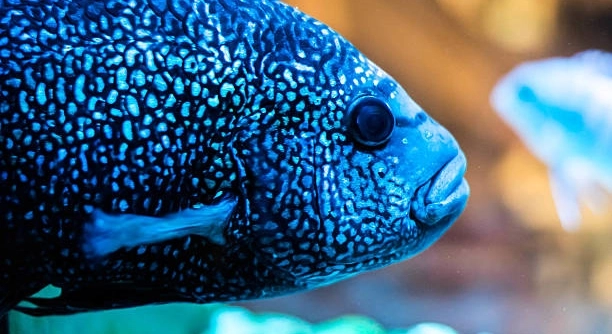
Have you ever noticed your Dempsey fish attacking tank decorations or other non-living objects? Many owners find this behavior surprising, especially when their fish usually appears calm and interacts mostly with other fish in the aquarium.
Dempsey fish attack non-fish objects due to territorial instincts, stress, or environmental triggers. Unfamiliar items are often perceived as threats, leading to aggressive behavior even when no real danger is present, reflecting their natural defensive tendencies.
Recognizing these behaviors allows owners to adjust tank conditions and reduce stress. Proper care can help maintain a balanced and peaceful aquarium environment for your fish.
Understanding Territorial Behavior in Dempsey Fish
Dempsey fish are naturally territorial, and this behavior often explains why they attack non-fish objects. In a tank, every item, from decorations to plants, can be seen as part of their territory. When a new object is introduced, the fish may feel the need to assert dominance. This instinct is stronger in smaller or confined tanks where space is limited. Aggressive displays, such as biting or ramming objects, are ways for Dempseys to communicate boundaries. Territoriality also helps them feel secure, reducing stress when they control their environment. Owners may notice more attacks during feeding times or when the fish senses movement outside the tank. Understanding these triggers can help prevent unnecessary aggression and ensure the fish’s environment feels stable. Providing hiding spaces, rearranging decorations carefully, and monitoring interactions can reduce tension. Observing their behavior closely gives insight into their natural instincts and promotes a balanced tank environment.
Territorial aggression can be lessened with proper tank setup and regular observation. Space and hiding areas reduce stress significantly.
Maintaining a well-organized tank is essential for Dempseys. Objects placed in predictable areas allow them to explore without feeling threatened. Avoid sudden changes to decorations, as this can provoke attacks. Using plants, rocks, or caves creates safe zones where the fish can retreat and regain confidence. Regular monitoring of behavior helps identify triggers before aggression escalates. Feeding schedules also influence territorial displays; ensuring food is distributed evenly reduces competition. Water conditions play a role as well, as stressed fish tend to be more aggressive. Clear understanding of these factors allows owners to manage aggression effectively. Over time, a balanced environment minimizes unnecessary attacks on objects and creates a more peaceful atmosphere for the fish. Observing responses to each adjustment can guide further improvements.
Environmental Triggers That Lead to Attacks
Non-fish object attacks are often linked to environmental stressors. Changes in water quality, temperature, or lighting can heighten aggression and cause unexpected behavior.
Environmental factors significantly influence Dempsey behavior. Poor water quality, incorrect temperature, or sudden lighting changes increase stress and provoke attacks. Fish may perceive decorations as threats when their surroundings feel unstable. Small tanks amplify this effect, making even minor disturbances noticeable. Overcrowding can worsen aggression, as limited space intensifies territorial instincts. Introducing new objects or rearranging the tank should be done gradually to reduce stress responses. Consistent monitoring of water parameters, such as pH, ammonia, and nitrate levels, is crucial. Proper filtration, regular water changes, and stable temperatures help maintain a calm environment. Lighting schedules also impact mood; sudden bright lights or prolonged darkness can trigger defensive behavior. Observing patterns allows adjustments before aggression becomes a persistent issue. Attention to these details ensures Dempseys feel secure, minimizing attacks and promoting natural, healthy behavior within the aquarium. Maintaining a predictable environment is the most effective strategy to prevent non-fish object aggression and keep your tank peaceful.
Recognizing Stress in Dempsey Fish
Stress can cause Dempsey fish to attack objects more frequently. Overcrowded tanks, sudden changes, or poor water quality increase anxiety, prompting defensive or aggressive behavior.
Stressed Dempseys display visible signs such as rapid gill movement, erratic swimming, and frequent attacks on decorations. They may hide excessively or chase objects repeatedly. Stress weakens their immune system, making them more prone to disease and behavioral issues. Observing these patterns is crucial for timely intervention. Regular water testing, maintaining proper temperature, and providing adequate space help reduce stress levels. Introducing hiding spots and avoiding sudden changes in the tank environment allows the fish to feel more secure and decreases the likelihood of aggressive interactions.
Environmental stressors are often subtle but impactful. Even minor changes in lighting, water flow, or tank arrangement can trigger attacks. Consistent routines, careful feeding, and gentle rearrangement of objects help maintain stability. By monitoring behavior daily, owners can identify early signs of stress and adjust conditions before aggression escalates. Minimizing disturbances and ensuring the tank environment feels safe supports calmer, healthier fish.
Feeding Habits and Aggression
Improper feeding can increase aggression in Dempsey fish. Competition for food or inconsistent schedules may lead them to attack objects as a misdirected response.
When Dempseys feel hungry or insecure during feeding, they may mistake objects for rivals or food, resulting in repeated attacks on decorations. Overfeeding can also lead to lethargy, causing frustration and defensive displays. Feeding multiple smaller portions throughout the day helps reduce competition and stress. Placing food in different areas of the tank prevents territorial disputes. Observing how your fish reacts during feeding provides insight into its behavior patterns and helps you adjust portions, timing, and placement to minimize aggressive tendencies. Maintaining a consistent routine ensures the fish feels secure and reduces the urge to attack non-living items.
Proper feeding strategies support both physical health and behavioral stability. Nutritionally balanced diets reduce irritability, while predictable schedules create a sense of security. Providing enrichment through feeding techniques, like scattering food or using feeding rings, engages the fish and decreases boredom-related aggression. Understanding how hunger and competition influence behavior allows you to manage the tank environment more effectively. Over time, consistent feeding habits lead to calmer fish that interact less aggressively with objects. Adjusting diet, portion size, and timing in accordance with behavior promotes harmony and prevents unnecessary attacks on non-fish items.
Mating Season Aggression
During mating season, Dempsey fish often become more aggressive. They may attack objects as a way to establish dominance or protect potential nesting areas.
Hormonal changes during breeding heighten territorial instincts. Objects in the tank may be seen as threats, leading to increased biting or ramming behaviors.
Tank Size and Layout
Smaller tanks or poorly arranged aquariums can trigger object attacks. Limited space increases stress and makes territorial instincts more pronounced. Rearranging decorations or adding hiding spots can help. Adequate space allows fish to explore without feeling threatened, reducing aggressive interactions with non-living items. Proper layout ensures calmer, more stable behavior, helping Dempseys coexist peacefully within their environment.
Recognizing Object Preferences
Some Dempsey fish show repeated interest in specific objects. This behavior can indicate curiosity, boredom, or a perceived threat.
FAQ
Why does my Dempsey fish attack tank decorations?
Dempsey fish often attack decorations because they see them as intruders in their territory. This behavior is a natural instinct to assert dominance and protect their space. Small tanks or new objects can intensify this reaction. Rearranging items gradually and providing hiding spots helps reduce attacks.
Can stress make Dempsey fish more aggressive toward objects?
Yes, stress plays a significant role in object attacks. Poor water quality, sudden temperature changes, or overcrowding can increase anxiety. Stressed fish may lash out at decorations or non-living items as a defensive response. Monitoring water parameters and providing a calm environment lowers aggression.
Does feeding affect their behavior?
Feeding habits influence aggression significantly. Inconsistent schedules or competition for food can cause misdirected attacks on objects. Feeding multiple small portions throughout the day and placing food in different areas minimizes territorial disputes and reduces aggressive behavior.
Is this behavior more common in smaller tanks?
Yes, limited space can heighten territorial instincts. Smaller tanks make every object appear significant to Dempseys, triggering more attacks. Larger tanks with well-planned layouts allow fish to explore without feeling threatened, reducing object aggression.
Do Dempsey fish attack objects more during mating season?
During breeding periods, hormones increase aggression. Fish may attack decorations or objects near potential nesting areas as a way to establish dominance. Providing extra hiding spaces and avoiding sudden changes can help manage this behavior.
Can certain objects trigger attacks more than others?
Yes, objects with bright colors, sharp edges, or unusual shapes often draw attention. Fish may perceive these items as threats or rivals, prompting repeated biting or ramming. Observing patterns can help you adjust tank decor to reduce aggression.
How can I prevent my Dempsey from attacking objects?
Providing adequate space, consistent feeding routines, hiding spots, and gradual changes in tank decor are the most effective ways. Maintaining stable water conditions, monitoring stress signs, and offering enrichment can also help minimize attacks.
Is this behavior harmful to the fish?
Occasional attacks are generally harmless, but repeated aggression can lead to injury or stress. Stress weakens the immune system, making the fish more susceptible to illness. Addressing environmental triggers ensures healthier, calmer behavior.
Do Dempseys attack objects out of boredom?
Yes, boredom can contribute. Without stimulation or exploration opportunities, fish may target objects as a form of activity. Adding plants, rocks, or rearranging tank features provides enrichment and decreases destructive behavior.
Should I remove objects if my fish attacks them frequently?
Not necessarily. Removing all items may reduce targets, but it can also increase stress by making the tank feel empty or unstable. Instead, rearrange gradually, provide safe zones, and observe which items trigger aggression. Adjusting placement often resolves repeated attacks.
Are all Dempsey fish equally aggressive toward objects?
No, individual personalities vary. Some fish are more territorial or curious, while others are calmer. Recognizing your fish’s tendencies allows for better tank management and targeted adjustments to reduce unwanted behavior.
How long does it take for object attacks to decrease?
The timeline varies depending on environmental changes, tank size, and the fish’s temperament. With proper adjustments, attacks may lessen over weeks. Patience and consistent observation are key to achieving calmer behavior.
Can introducing new fish affect object aggression?
Yes, new tankmates can increase stress and territorial behavior. Dempseys may redirect aggression toward objects if they feel threatened. Gradual introductions and maintaining plenty of space help reduce conflict and object attacks.
Do decorations need to be removed during mating season?
It is not required, but monitoring interactions is important. Extra hiding spots and careful placement can prevent excessive aggression. Avoid moving objects abruptly to maintain a stable environment during this sensitive period.
Is attacking non-fish objects normal behavior?
Yes, it is a natural expression of territory, stress, or curiosity. While it may seem unusual, occasional attacks are expected. Understanding triggers and managing tank conditions helps ensure this behavior does not become harmful.
Can water conditions make aggression worse?
Absolutely. Poor water quality, incorrect temperature, or high nitrate levels increase stress, making attacks more frequent. Regular testing, filtration, and consistent maintenance reduce environmental stressors and promote calmer behavior.
Will Dempseys eventually ignore objects?
With proper care, many fish reduce attacks over time. Gradual acclimation, stable tank setup, and enrichment allow Dempseys to feel secure, minimizing repeated aggression toward non-living items. Consistency is key to long-term improvement.
Are attacks more frequent with certain breeds of Dempsey fish?
Aggression levels vary among individual fish, not necessarily by sub-breed. Factors like tank size, environment, and personality play larger roles in determining how often attacks occur. Understanding your specific fish’s behavior is more important than breed assumptions.
Does aggression toward objects indicate illness?
Not usually, but sudden changes in behavior can signal stress or health issues. Observing appetite, swimming patterns, and appearance helps identify whether attacks are behavioral or a symptom of illness. Maintaining good care practices reduces risks.
How should I monitor my fish’s behavior?
Daily observation is important. Watch interactions with objects, other fish, and surroundings. Note patterns related to feeding, tank changes, or lighting. Recording behavior helps identify triggers, allowing proactive adjustments to reduce aggression and maintain a healthy environment.
Can rearranging decorations calm aggressive fish?
Yes, careful rearrangement can reduce perceived threats. Introduce changes slowly and provide hiding spots. Observing the fish’s response ensures adjustments are effective, helping to manage aggression without increasing stress.
What role does enrichment play in behavior management?
Enrichment provides stimulation and reduces boredom. Plants, rocks, caves, and feeding techniques keep Dempseys engaged, lowering the likelihood of attacking objects. A dynamic, safe environment promotes natural exploration while preventing repetitive destructive behavior.
Are there long-term solutions to prevent object attacks?
Yes, consistent care, adequate space, stable water conditions, proper feeding, and enrichment form the foundation. Understanding individual fish behavior and addressing environmental triggers proactively ensures long-term reduction in aggressive interactions with objects.
How do I know if my interventions are working?
Observe behavior over weeks. Fewer attacks, calmer swimming, and consistent routines indicate progress. Track feeding responses and interactions with objects to measure the effectiveness of environmental and behavioral adjustments. Patience and consistency yield the best results.
Can aggressive behavior return after improvement?
Yes, changes in environment, tankmates, or stress levels can trigger aggression again. Maintaining a stable tank setup and monitoring stress factors helps prevent relapses and keeps Dempseys calmer over time.
What is the key takeaway for managing attacks?
Understanding triggers, providing space, maintaining water quality, consistent feeding, and enrichment are essential. Close observation and proactive adjustments ensure fish remain healthy and peaceful while reducing object aggression.
How often should I check water quality to prevent stress-related attacks?
Weekly testing for ammonia, nitrite, nitrate, and pH is recommended. Consistent monitoring prevents environmental stress, which is a primary cause of aggression toward objects. Regular water changes maintain a calm, stable tank environment.
Are certain objects safer to include in the tank?
Smooth, neutral-colored items without sharp edges are less likely to trigger attacks. Natural decorations like rocks and plants provide enrichment while minimizing stress-related aggression. Selecting objects thoughtfully helps maintain a peaceful aquarium.
Is this behavior a concern for other fish in the tank?
Indirectly, yes. Aggression toward objects can indicate territorial stress, which may spill over to other tankmates. Providing space, hiding spots, and careful monitoring ensures a balanced environment for all inhabitants.
Can behavioral training reduce attacks?
Indirectly, yes. Consistent routines, feeding practices, and environmental management teach the fish predictable patterns, reducing anxiety and misdirected aggression toward non-living items. Positive, stable conditions reinforce calmer behavior over time.
Do object attacks affect overall health?
Repeated aggressive behavior can lead to stress, injuries, and weakened immunity. Addressing triggers and maintaining a stable, enriched environment supports both physical and behavioral health, ensuring Dempseys thrive.
Is it normal for attacks to escalate suddenly?
Yes, changes in environment, water, tankmates, or feeding can cause sudden increases in aggression. Early observation and quick adjustments help manage escalation and protect both fish and tank decor.
How do I balance enrichment with safety?
Provide objects that stimulate exploration but are smooth and safe. Rotate decorations or rearrange gradually. This keeps the tank engaging while minimizing risk of injury or excessive attacks.
Can aggressive behavior indicate boredom more than stress?
Yes, boredom contributes to attacks. Without enrichment, Dempseys may interact with objects excessively. Providing hiding spots, feeding challenges, and varied decor keeps them occupied and reduces misdirected aggression.
What is the best approach to long-term management?
Combine stable environmental conditions, consistent feeding routines, adequate space, enrichment, and careful observation. Understanding your fish’s behavior and responding proactively ensures reduced aggression and a healthier, calmer aquarium environment.
How can I tell if attacks are normal or problematic?
Normal attacks are occasional and brief, while frequent, intense, or destructive attacks indicate stress or behavioral issues. Monitoring frequency, intensity, and triggers helps determine whether intervention is needed.
Are there signs that a Dempsey is feeling secure in its tank?
Calm swimming, reduced attacks, and balanced interactions with objects indicate comfort. Fish explore freely, hide when desired, and display natural behaviors without constant aggression.
Does tank lighting affect aggression?
Yes, sudden bright lights or long periods of darkness can trigger defensive responses. Consistent lighting schedules help maintain stability and reduce stress-related attacks on objects.
Can rearranging objects too often worsen aggression?
Yes, frequent changes disrupt territory and increase stress. Gradual, minimal adjustments are best. Allowing time for adaptation reduces misdirected attacks while maintaining an engaging environment.
Are aggressive interactions with objects more common in younger or older fish?
Younger fish may display higher curiosity and territorial behavior, while older fish tend to be more settled. Individual personality and environmental factors influence aggression more than age alone.
Does tank filtration affect behavior?
Proper filtration ensures clean, stable water, reducing stress that can trigger aggression. Poor filtration or strong currents may irritate Dempseys, increasing attacks on objects.
How important is routine in managing attacks?
Very important. Consistent feeding, cleaning, and lighting routines reduce uncertainty and stress, limiting misdirected aggression toward tank decorations or non-living items.
Can tankmates influence object attacks?
Yes, aggressive or territorial tankmates can increase stress, prompting attacks on objects as a substitute for conflict. Providing space and monitoring interactions reduces misdirected aggression.
What should I do if attacks persist despite adjustments?
Assess water quality, tank size, feeding, and enrichment. Observe individual temperament. In some cases, adding more space, hiding spots, or reducing stimuli may be necessary to restore calm behavior.
Do Dempseys eventually accept all objects in the tank?
With gradual introduction, stable conditions, and enrichment, most Dempseys learn to tolerate decorations. Patience and consistent care help them interact calmly without constant aggression.
Are attacks more frequent in solo fish or community tanks?
Both situations can trigger aggression differently. Solo fish may defend territory more intensely, while community tanks increase stress due to interactions. Tailoring the environment based on tank setup is essential.
Is it possible to predict which objects will be attacked?
Observing color, shape, and placement preferences helps. Fish often target bright, unusual, or sharp-edged items. Gradual testing and adjustment of decorations can minimize repeated attacks.
Does water temperature influence aggression?
Yes, temperatures outside the ideal range increase stress, making fish more reactive. Maintaining consistent, species-appropriate temperatures reduces defensive and territorial attacks.
Can Dempseys learn from repeated exposure to objects?
Yes, over time, fish may become habituated to familiar objects. Gradual introduction and consistent placement help them accept items without aggressive behavior.
How do I balance tank aesthetics with fish behavior?
Choose smooth, neutral-colored items and arrange them thoughtfully. Provide hiding spaces and enrichment while ensuring decorations do not provoke stress or repeated attacks.
Are there any signs that attacks are affecting other fish?
Other fish may hide excessively, swim erratically, or display stress behaviors. Monitoring interactions helps prevent aggression from spreading and ensures a balanced tank environment.
What role does personality play in object attacks?
Individual temperament strongly influences aggression. Some Dempseys are naturally more curious or territorial, while others are calmer. Recognizing personality traits helps tailor management strategies effectively.
Can adding plants reduce attacks?
Yes, plants create hiding spots and visual barriers. They provide enrichment and reduce perceived threats, helping Dempseys feel secure and decreasing attacks on objects.
Is object aggression more common in newly acquired fish?
Yes, new fish may explore and defend their territory more aggressively. Gradual acclimation and careful observation help them adjust and reduce attacks over time.
How often should I adjust tank layout to prevent boredom?
Occasional, gradual changes are beneficial. Frequent rearrangement increases stress. Rotating items every few weeks while keeping hiding spots consistent provides stimulation without provoking aggression.
Can aggressive behavior indicate dominance struggles in the tank?
Yes, attacks on objects may reflect competition or insecurity. Monitoring interactions with tankmates and ensuring adequate space prevents territorial disputes from escalating.
Does tank water clarity affect behavior?
Clear water reduces stress and allows fish to perceive surroundings accurately. Murky water can increase defensive behavior, leading to more attacks on objects.
Are attacks more frequent during specific times of day?
Dempseys may be more active and territorial during feeding times or daylight hours. Observing daily patterns helps identify triggers and adjust care routines.
Can environmental enrichment alone stop object attacks?
Enrichment helps but is most effective alongside proper tank size, feeding, and water quality. Combined strategies create a stable environment, minimizing attacks while keeping fish engaged.
How do I track progress in reducing attacks?
Record frequency, intensity, and context of attacks. Comparing data over time allows assessment of adjustments and ensures interventions are effective in reducing aggressive behavior.
Is it normal for attacks to flare up occasionally?
Yes, temporary increases can happen after changes in the tank, feeding, or social dynamics. Consistent care helps stabilize behavior quickly.
Can aggression toward objects indicate general health issues?
Indirectly, yes. Persistent, unusual aggression may signal stress or illness. Observing overall condition, appetite, and swimming patterns helps determine if medical attention is needed.
Do Dempseys attack all types of objects equally?
No, smooth, neutral-colored items are less likely to be targeted. Bright, sharp, or unusual objects attract attention and provoke repeated aggression.
Are object attacks more frequent in young or mature tanks?
Young tanks with unsettled conditions often see more aggression. Mature, stable tanks reduce stress and territorial behavior, decreasing attacks on decorations.
Can repeated attacks damage decorations?
Yes, persistent biting or ramming can chip or dislodge items. Choosing durable materials and monitoring interactions prevents damage while ensuring fish safety.
What is the most effective long-term solution?
Combining stable environment, consistent feeding, adequate space, enrichment, and careful observation ensures reduced attacks and promotes calm, healthy behavior in Dempsey fish.
How do I maintain consistency in managing aggression?
Regular routines, gradual changes, monitoring water quality, and observing behavior daily create a predictable environment, reducing stress and preventing repeated attacks on non-living items.
Can lighting adjustments reduce attacks?
Yes, maintaining a consistent lighting schedule prevents stress-related aggression. Avoid sudden changes or prolonged darkness to help Dempseys feel secure and reduce object attacks.
Do tank decorations need to be rotated frequently?
Rotation is helpful for enrichment but should be gradual. Sudden rearrangement can provoke aggression. Consistent placement with occasional adjustments provides stimulation without stress.
Are attacks on objects ever beneficial for fish behavior?
Mild exploration or occasional interaction provides mental stimulation. The problem arises only when aggression becomes excessive, stressful, or destructive to the fish or tank.
Does diet variety influence aggression?
A balanced diet with appropriate nutrients reduces irritability. Proper feeding prevents frustration-related attacks on objects and promotes stable, calm behavior.
Can water flow impact object attacks?
Strong currents can stress fish, increasing aggression toward objects. Gentle, consistent flow helps maintain comfort and reduces defensive or territorial behavior.
Is aggression more noticeable in certain tank setups?
Yes, heavily decorated or small tanks amplify territorial responses. Open, well-spaced layouts reduce perceived threats and minimize object attacks.
Can repeated exposure to objects reduce attacks over time?
Yes, gradual introduction and consistent placement allow Dempseys to habituate, reducing curiosity-driven aggression and increasing comfort with tank items.
How do I know if my fish feels safe in the tank?
Calm swimming, reduced attacks, regular feeding, and exploration without defensive behavior indicate comfort and security, showing interventions are effective.
Are attacks more frequent when other fish are present?
Presence of tankmates can increase territorial displays. Observing interactions and providing space and hiding spots helps manage aggression and prevent misdirected attacks on objects.
What should I do if aggression continues despite all adjustments?
Evaluate water quality, tank size, enrichment, feeding, and temperament. In some cases, separating fish, adding more space, or adjusting tankmates may be necessary to restore calm behavior.
Can stress from handling increase attacks on objects?
Yes, handling or sudden disturbances can heighten stress, prompting defensive behavior. Minimizing disruptions and allowing time to acclimate after handling reduces attacks.
Does tank temperature stability influence aggression?
Stable, species-appropriate temperatures reduce stress and defensive behavior. Fluctuations can trigger attacks on objects as a reaction to environmental uncertainty.
Is it normal for Dempseys to attack new objects repeatedly at first?
Yes, initial interactions are often exploratory or defensive. Gradual introduction and patience help fish adapt, reducing repeated attacks over time.
Do certain materials provoke more aggression?
Bright, shiny, or sharp-edged materials are more likely to trigger attacks. Smooth, natural, and neutral-colored items are less provocative. Choosing objects carefully helps reduce aggression.
How does overcrowding affect object attacks?
Overcrowding intensifies territorial instincts, making objects appear as additional threats. Ensuring proper tank size and spacing between fish minimizes aggressive interactions.
Can adding caves or plants reduce attacks?
Yes, hiding spots and visual barriers provide security and enrichment, reducing defensive or misdirected aggression toward objects.
Are attacks on non-fish items more common in young or older Dempseys?
Younger, more territorial or curious fish are more likely to attack objects. Older fish tend to be calmer, though individual personality plays a significant role.
Does aggression indicate dominance struggles with other fish?
Indirectly, yes. Object attacks may serve as a substitute outlet for territorial
Dempsey fish are naturally territorial and curious, which explains much of their interaction with objects in the tank. Attacks on decorations, plants, or other non-living items are often instinctual rather than harmful. Understanding this behavior is key to creating a stable and calm environment. By observing patterns, owners can identify triggers such as new objects, rearranged decorations, or sudden movements around the tank. Territorial displays can vary from gentle nips to repeated ramming, but in most cases, they are simply ways for the fish to assert control over their space. Recognizing this as normal behavior helps owners respond appropriately rather than overreacting or removing items unnecessarily.
Environmental factors play a major role in shaping Dempsey behavior. Water quality, tank size, temperature, and lighting directly influence stress levels, which in turn affect aggression. Overcrowded tanks or poorly maintained water can heighten defensive instincts, causing fish to lash out at objects more frequently. Providing hiding spots, thoughtful decoration placement, and adequate space can significantly reduce tension. Feeding habits also matter; consistent schedules and properly distributed food help prevent misdirected aggression. Enrichment, such as plants, rocks, and safe decorations, keeps the fish engaged, reducing boredom-driven attacks. Paying attention to the combination of environmental and behavioral factors allows for effective management of aggression and promotes a healthier, calmer tank environment.
Patience and consistent care are essential when addressing non-fish object attacks. Dempseys respond gradually to changes, and improvements may take time. Monitoring their behavior daily helps track progress and identify recurring stressors. Minor adjustments, such as rearranging objects slowly, providing additional hiding spaces, or maintaining stable water conditions, often result in noticeable reductions in aggression. Each fish has its own personality, and some may remain more territorial or curious than others. Accepting individual differences and providing a safe, predictable environment ensures the fish feel secure. Over time, these practices promote both physical and behavioral well-being, allowing Dempseys to coexist peacefully with objects in their tank while remaining active, healthy, and engaged.

Hello,
If you enjoy the content that we create, please consider saying a "Thank You!" by leaving a tip.
Every little bit helps us continue crafting quality advice that supports the health, happiness, and well-being of pets around the world, for pets of all shapes, sizes, and species.
We really appreciate the kindness and support that you show us!