
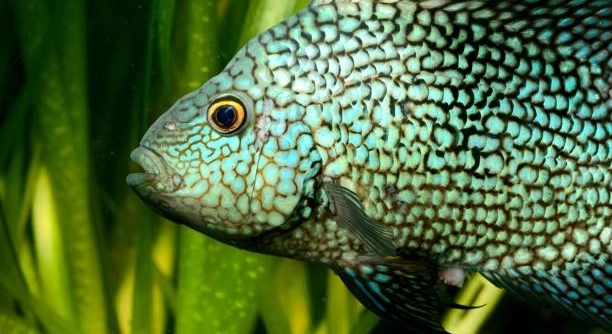
Have you ever noticed your Jack Dempsey fish suddenly flare its gills while swimming quietly in the tank? This behavior can catch attention even for those who care for fish casually. Observing these moments can be quite striking and sometimes puzzling.
Jack Dempsey fish flare their gills primarily as a response to stress, territorial disputes, or environmental changes. This action allows them to regulate oxygen intake, communicate aggression, and establish dominance within their habitat efficiently.
Understanding why these fish display this behavior will help you maintain a calmer and healthier aquarium environment for them.
Common Triggers for Gill Flaring
Jack Dempsey fish often flare their gills when they feel threatened or uneasy in their surroundings. Changes in water temperature, sudden movements near the tank, or the presence of other fish can easily cause this reaction. Some fish will flare their gills during feeding times, especially if they sense competition. Territorial instincts play a significant role; Jack Dempseys naturally defend their space, and gill flaring is a way to show strength. Even small disturbances like rearranging decorations or introducing new plants can make them flare. Observing the timing and patterns of this behavior can help you understand what stresses your fish. Regular monitoring of tank conditions, along with providing hiding spaces, can reduce unnecessary flare-ups and promote calmer interactions. Over time, you’ll notice which triggers are most common and can adjust your tank maintenance and feeding routine to create a more stable environment.
Stress, territorial disputes, and environmental changes are the primary triggers for gill flaring in Jack Dempsey fish.
Consistent care and attention to their habitat help prevent frequent gill flaring. Maintaining stable water conditions and minimizing disturbances makes a big difference.
How to Reduce Excessive Gill Flaring
Providing adequate space is essential for Jack Dempsey fish to feel comfortable. A tank that is too small or overcrowded will increase stress levels and cause frequent gill flaring.
Introducing tank decorations and hiding spots can give them a sense of security. Rocks, caves, and plants create boundaries, reducing territorial confrontations. Regular water testing and temperature checks help maintain ideal conditions, preventing stress from sudden changes. Feeding on a consistent schedule reduces competition and keeps them calmer. Observing behavior carefully allows adjustments to be made before flare-ups become constant. Removing aggressive tankmates or separating fish when necessary also helps maintain peace. Over time, these practices reduce the need for constant defensive displays and contribute to healthier, longer-living fish. Patience and attention to detail are key; even small improvements in the environment can lead to noticeable behavioral changes. Monitoring signs of stress early ensures the tank remains a safe, stable home for all its inhabitants.
Observing Normal Versus Aggressive Behavior
Not all gill flaring is a sign of aggression. Sometimes, it is simply a natural response to minor disturbances or curiosity. Observing patterns over time helps distinguish between normal and concerning behavior in Jack Dempsey fish.
Jack Dempseys flare their gills to communicate and maintain personal space. Mild flaring may happen when they notice movement outside the tank or when other fish swim nearby. Aggressive flaring usually comes with chasing, nipping, or posturing. Tracking these behaviors daily allows you to identify when action is needed. Consistent observation provides insight into their social hierarchy, feeding habits, and comfort levels. Changes in the tank, such as new decorations or altered lighting, can influence these displays. Understanding the context of gill flaring prevents unnecessary worry and promotes better tank management.
Separating aggressive fish temporarily can reduce tension. Overcrowding and limited hiding spaces often escalate gill flaring into actual fights. Adjusting the tank layout and spacing helps maintain harmony. Observing their interactions and making minor changes early can prevent injuries and long-term stress.
Environmental Factors Affecting Gill Flaring
Water quality directly affects Jack Dempsey behavior. Poor filtration, sudden temperature changes, or low oxygen levels can increase gill flaring and stress levels. Proper maintenance is critical for calmer fish.
Maintaining stable conditions reduces defensive displays. Regular water testing for pH, ammonia, nitrite, and nitrate ensures the environment stays safe. Consistent temperature, ideally around 75–82°F, keeps the fish comfortable. Adding plants and decorations not only improves aesthetics but also provides shelter, which reduces anxiety and territorial disputes. A clean, well-maintained tank with sufficient oxygenation supports natural behaviors without unnecessary gill flaring. Observing how the fish respond to environmental adjustments helps you refine care routines. Gradual changes, rather than abrupt ones, minimize stress and help Jack Dempseys stay calm. Tracking their behavior in response to adjustments provides insight into what works best for each individual fish.
Social Interactions and Gill Flaring
Jack Dempsey fish use gill flaring to establish dominance. Observing their interactions helps identify which fish are more aggressive. Social hierarchies often form quickly in community tanks.
Pairing incompatible fish can increase stress and flaring. Monitoring behavior during introductions reduces conflicts and promotes a calmer tank environment.
Feeding Behavior and Gill Flaring
Competition over food can trigger gill flaring. Jack Dempseys may display aggressive behavior when multiple fish are present during feeding times. Feeding in separate areas or using slow-release methods can reduce tension. Observing how your fish react to feeding routines allows adjustments that prevent stress-related flare-ups. Consistent schedules and portion control help maintain calm interactions, while overfeeding or erratic routines often lead to unnecessary displays of aggression. Recognizing these patterns and adapting feeding practices is key to promoting healthier social dynamics and reducing frequent gill flaring incidents.
Signs of Excessive Stress
Persistent gill flaring combined with hiding or loss of appetite indicates stress. Immediate attention to tank conditions is necessary.
FAQ
Why does my Jack Dempsey flare its gills at me?
Jack Dempsey fish often flare their gills when they feel threatened or notice movement near the tank. This behavior is a natural response to perceived disturbances. Even small gestures like approaching the tank or tapping the glass can trigger flaring. It is their way of asserting presence and staying aware of potential threats. Over time, fish can become more accustomed to routine movements, reducing flare frequency. Providing hiding spaces and avoiding sudden interactions helps them feel more secure and lowers defensive responses.
Is gill flaring a sign of illness?
Not always. Occasional gill flaring is usually behavioral, but persistent flaring paired with rapid breathing, lethargy, or clamped fins may indicate health issues. Poor water quality, low oxygen, or infections can stress the fish and cause abnormal gill movements. Checking water parameters like pH, ammonia, nitrite, and nitrate levels is essential. Maintaining stable conditions, performing regular water changes, and keeping the tank clean are key preventive measures. Observing other symptoms alongside gill flaring helps determine if medical attention or environmental adjustments are needed.
Can gill flaring cause harm to my fish?
Occasional gill flaring is not harmful. It is a natural communication and respiratory behavior. However, constant or aggressive flaring can indicate stress or conflict, which over time may weaken the immune system or cause injury. Ensuring enough space, hiding spots, and proper tank mates reduces tension and promotes overall health. Stress management through consistent feeding schedules and stable water conditions prevents unnecessary strain on the fish.
How can I tell the difference between normal and aggressive gill flaring?
Normal gill flaring is brief and often occurs without chasing or nipping. Aggressive flaring usually comes with chasing, biting, or extended posturing toward other fish. Observing patterns during feeding and territorial displays helps identify which type of flaring is occurring. Adjusting tank layout, separating overly aggressive individuals, or providing visual barriers can minimize conflict. Noting the frequency and context of flare-ups provides insight into whether intervention is needed.
Will adding plants or decorations reduce gill flaring?
Yes. Plants, rocks, and caves create natural boundaries that help Jack Dempseys feel secure. These hiding spots reduce stress and limit aggressive territorial displays. Proper placement of decorations can prevent line-of-sight confrontations and allow fish to retreat when needed. A well-structured environment encourages calmer interactions and lowers the frequency of gill flaring. Observing which areas are most used by your fish can help optimize tank layout further.
Does tank size affect gill flaring?
Absolutely. Smaller or overcrowded tanks increase stress and promote aggressive behavior. Jack Dempseys need sufficient space to swim and establish territories. Providing a larger tank or rearranging to create separate zones helps reduce constant flaring. Space, combined with stable water conditions and proper hiding spots, supports natural behavior while minimizing stress-induced flare-ups.
Can feeding routines influence gill flaring?
Yes. Competition over food is a common trigger for gill flaring. Feeding in different areas or offering smaller portions reduces conflict. Consistent schedules and avoiding sudden overfeeding help maintain calmer behavior. Observing fish reactions to various feeding methods allows you to choose routines that prevent unnecessary aggression and stress during mealtimes.
What should I do if gill flaring becomes excessive?
Assess water quality, tank size, and social dynamics first. Remove aggressive tankmates or provide temporary separation if necessary. Adding hiding spots and maintaining a consistent environment reduces stress. Monitoring the fish closely ensures they return to normal behavior without risking injury or long-term health effects. Gradual adjustments often resolve excessive gill flaring.
Can gill flaring indicate breeding behavior?
Occasionally. Male Jack Dempseys may flare their gills to impress females or defend a chosen area. This type of flaring is often paired with nest-building or chasing behaviors around breeding sites. It differs from stress-induced flaring because it occurs in specific locations and often alongside other reproductive behaviors.
Are there long-term effects of frequent gill flaring?
Frequent aggressive flaring over long periods can increase stress and weaken immunity. This makes fish more susceptible to disease and reduces lifespan. Managing environmental factors, social dynamics, and feeding routines helps prevent chronic stress and ensures a healthier, more stable tank environment for your Jack Dempseys.
Final Thoughts
Jack Dempsey fish are naturally expressive, and gill flaring is one of their main ways of communicating. It can be surprising to see at first, but once you understand the reasons behind it, it becomes easier to interpret. Flaring is usually connected to stress, territory, or environmental changes, and it does not always indicate aggression. By observing your fish carefully, you can learn to recognize the difference between a normal display and a sign of discomfort. Noticing small patterns, like when flare-ups happen during feeding or when new tankmates are introduced, can help you make small adjustments that create a calmer environment. Over time, this observation builds a stronger understanding of your fish and their behavior.
Maintaining stable tank conditions is one of the most effective ways to reduce unnecessary gill flaring. Jack Dempseys are sensitive to changes in water temperature, pH, and oxygen levels, and they react quickly when conditions are off. Regular water testing, partial water changes, and proper filtration can prevent stress-related flare-ups. Tank layout also matters. Providing hiding spots, visual barriers, and enough swimming space helps your fish feel secure and reduces territorial conflicts. Even the placement of decorations and plants can influence their behavior. Careful attention to the environment ensures your Jack Dempseys have areas where they can relax, which minimizes frequent defensive displays. Consistency and attention to detail are key for long-term health and calmer fish.
Social interactions play a big role in gill flaring as well. Jack Dempseys establish hierarchies and defend their space, which can lead to flare-ups when multiple fish share the same territory. Keeping an appropriate number of fish for the tank size, monitoring aggressive behavior, and separating fish when necessary helps prevent injuries and long-term stress. Feeding routines can also influence behavior, so offering food in a way that reduces competition will lower tension. Understanding these factors and taking small proactive steps creates a healthier, more balanced tank. When you notice flare-ups, paying attention to context—such as nearby tankmates, environmental changes, or feeding times—gives clues about how to respond. Observing, adjusting, and maintaining a stable environment ensures that gill flaring becomes a natural part of their behavior without causing unnecessary worry.

Hello,
If you enjoy the content that we create, please consider saying a "Thank You!" by leaving a tip.
Every little bit helps us continue crafting quality advice that supports the health, happiness, and well-being of pets around the world, for pets of all shapes, sizes, and species.
We really appreciate the kindness and support that you show us!