
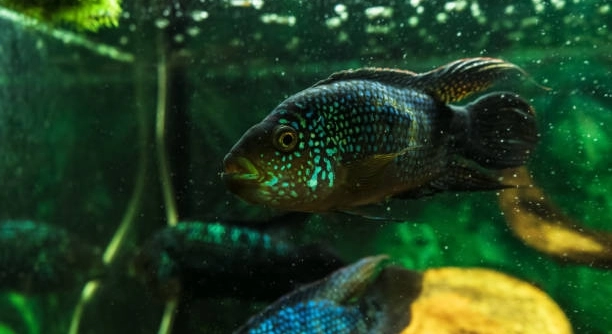
Jack Dempsey fish are striking and lively, but they can get confused by simple changes in their environment. Even experienced aquarists sometimes struggle to understand what unsettles these colorful freshwater fish in their tanks.
Several factors can easily confuse Jack Dempsey fish, including sudden changes in water temperature, tank decorations, lighting, diet alterations, aggressive tank mates, water quality fluctuations, and unexpected movements outside the aquarium. Each factor influences their behavior significantly and consistently.
Learning what disrupts their comfort can improve care and tank harmony. Observing these details helps ensure your Jack Dempsey fish remain healthy and calm.
Sudden Changes in Water Temperature
Jack Dempsey fish are sensitive to rapid shifts in water temperature. Even a few degrees difference can make them anxious or sluggish. They thrive best when the water is kept consistently warm, around 78–82°F. Sudden drops or rises in temperature can stress them, causing them to hide or act aggressively toward other fish. Aquarists often notice these changes during seasonal transitions or if heaters are malfunctioning. Maintaining a stable environment is key to keeping their behavior normal. Using reliable heaters and monitoring water temperature daily can prevent unnecessary confusion.
Maintaining steady water temperature reduces stress and supports healthy activity. It also helps prevent illnesses linked to thermal shock.
Regular monitoring with a thermometer and using adjustable heaters ensures Jack Dempsey fish remain calm and active. Avoid sudden water changes during cleaning. Gradual adjustments, if needed, keep them comfortable and responsive. Observing how they react to minor temperature shifts can help you identify optimal conditions. Proper temperature control supports feeding, breeding, and overall tank harmony.
Overcrowded Tank Conditions
An overcrowded tank often makes Jack Dempsey fish feel threatened. Limited space causes stress and can trigger aggressive behavior.
Too many fish in one aquarium restricts movement and hiding spots. Jack Dempsey fish need adequate space to swim freely and establish territories. Overcrowding can also lead to poor water quality, as more waste accumulates, making the environment unsuitable for sensitive fish. It can also increase competition for food, creating additional stress. Careful planning of tank size and the number of inhabitants helps maintain peace and reduces behavioral issues. Proper spacing and compatible species selection are essential to prevent conflicts and confusion.
When a tank is overcrowded, Jack Dempsey fish may chase others or retreat constantly, showing signs of distress. Choosing the right tank size, around 55 gallons or more for a single adult, provides enough room for natural behavior. Adding hiding spots and decorations creates personal zones, helping reduce stress. Regularly assessing the number of fish and monitoring behavior ensures a healthy environment. Attention to these details encourages a balanced, calm tank where fish can thrive without unnecessary stress.
Inconsistent Feeding Schedule
Jack Dempsey fish become unsettled when their feeding routine is irregular. Skipping meals or changing feeding times suddenly can make them anxious, reducing activity and increasing aggression toward tank mates.
Feeding inconsistently can confuse their natural expectations and create stress. These fish adapt well to a predictable schedule, which helps maintain their health and behavior. Providing the same type of food at regular intervals ensures they remain active and alert. Overfeeding or underfeeding disrupts their digestion and energy levels, which can lead to long-term health problems. Using a set schedule prevents confusion and keeps them calm and confident in their environment.
A proper feeding routine also helps with tank management. It reduces leftover food, preventing water quality issues, and allows you to monitor their appetite and overall health. Observing how they respond to a consistent schedule makes it easier to identify early signs of stress or illness. Gradually adjusting feeding amounts as they grow ensures steady development and energy, keeping Jack Dempsey fish happy and stable in their habitat.
Aggressive or Incompatible Tank Mates
Jack Dempsey fish can become stressed when housed with aggressive or incompatible species. Territorial disputes are common, especially in confined spaces, leading to constant chasing or hiding.
Choosing compatible species is essential. Avoid small, timid fish that may become targets, and refrain from placing multiple dominant species together. Observing interactions helps prevent injuries and excessive stress.
Proper tank planning includes selecting fish with similar temperaments and compatible sizes. Decorations and hiding spaces reduce conflicts by providing refuge and visual barriers. Monitoring behavior regularly allows quick intervention if aggression occurs. Aggressive encounters increase stress hormones, weaken the immune system, and reduce overall activity. Balancing social dynamics ensures Jack Dempsey fish maintain normal behavior and feeding patterns. Gradual introductions and attention to territorial needs create a more peaceful aquarium environment.
Poor Water Quality
Dirty water can quickly confuse Jack Dempsey fish. High levels of ammonia, nitrites, or nitrates make them sluggish, stressed, and prone to hiding. Regular water changes and testing are essential to maintain a healthy environment.
Filtration is critical for keeping water clear and balanced. Overlooking tank maintenance disrupts their comfort and behavior, causing unnecessary stress and reducing appetite.
Sudden Changes in Tank Decor
Adding or removing decorations too quickly unsettles Jack Dempsey fish. They rely on familiar surroundings to feel secure and navigate their space efficiently. Sudden changes can trigger hiding or aggressive behavior, as they adjust to new layouts or lose familiar territories.
Bright or Fluctuating Lighting
Jack Dempsey fish are sensitive to intense or inconsistent lighting. Too bright or flickering lights can stress them, making them retreat to shaded areas or act nervously. Proper lighting levels and gradual changes help maintain their comfort and natural behavior.
FAQ
Why does my Jack Dempsey fish hide all the time?
Jack Dempsey fish hide when they feel stressed or unsafe. Common reasons include sudden water changes, aggressive tank mates, or new decorations. Providing hiding spots like caves, plants, and shaded areas helps them feel secure. Consistent water conditions and a calm environment encourage them to explore more often.
What causes Jack Dempsey fish to act aggressively?
Aggression is usually linked to territory, overcrowding, or incompatible tank mates. Male Jack Dempsey fish are naturally territorial, especially during breeding periods. Ensuring enough space, separating dominant individuals, and introducing compatible species reduces conflict. Overcrowded tanks also increase stress, so proper tank sizing is essential.
How often should I feed my Jack Dempsey fish?
A regular feeding schedule is important. Feed them once or twice daily with high-quality pellets or frozen foods. Avoid overfeeding, as leftover food can pollute the water and cause digestive issues. Stick to consistent times to help them feel secure and maintain healthy behavior.
Why is my Jack Dempsey fish not eating?
Refusal to eat often signals stress, illness, or water quality problems. Check for signs of disease, water temperature fluctuations, or aggressive tank mates. Offering a variety of foods and maintaining clean, stable water encourages feeding. Sometimes, a short fasting period helps reset their appetite.
Can Jack Dempsey fish live with other fish?
Yes, but compatibility is key. Choose species of similar size and temperament. Avoid small or timid fish that may become targets. Introducing new fish gradually and providing ample hiding spaces reduces stress and prevents territorial disputes. Observation during initial interactions ensures peaceful cohabitation.
What is the ideal water temperature for Jack Dempsey fish?
They thrive in water between 78–82°F. Sudden changes can stress them, affecting behavior and appetite. Using a reliable heater and monitoring temperature daily maintains stability. Gradual adjustments during seasonal changes help avoid shock and maintain a comfortable environment.
Why does my Jack Dempsey fish look stressed?
Signs of stress include hiding, rapid breathing, clamped fins, or erratic swimming. Stress can result from poor water quality, aggressive tank mates, sudden temperature changes, or inconsistent lighting. Regular tank maintenance, proper feeding, and a stable environment reduce stress and support long-term health.
How can I reduce aggression in Jack Dempsey fish?
Provide enough space, hiding spots, and compatible tank mates. Avoid overcrowding and monitor interactions closely. Adding decorations that break line of sight between fish can reduce territorial disputes. Gradual introductions and proper tank management encourage a calmer, more balanced environment.
What foods are best for Jack Dempsey fish?
High-quality pellets, frozen foods, and occasional live foods meet nutritional needs. Include protein-rich options like bloodworms, shrimp, or small fish. Avoid overfeeding, which can harm water quality and cause obesity. Feeding a balanced diet supports growth, coloration, and overall health.
How do I maintain clean water for my Jack Dempsey fish?
Regular water changes, proper filtration, and monitoring chemical levels are essential. Remove uneaten food and waste promptly. Test ammonia, nitrite, and nitrate levels frequently. Clean or replace filter media as recommended to keep water stable, clear, and safe for Jack Dempsey fish.
Can Jack Dempsey fish tolerate bright lights?
Bright or fluctuating lights can stress them. Provide areas of shade or dim lighting to balance exposure. Gradually adjusting lighting and avoiding constant bright lights reduces nervous behavior and encourages natural activity patterns.
How long do Jack Dempsey fish live?
With proper care, they can live up to 10–15 years. Maintaining stable water conditions, proper diet, and a stress-free environment ensures longevity. Regular monitoring of behavior and health helps prevent illnesses and supports a long, comfortable life in the aquarium.
Why does my Jack Dempsey fish suddenly swim erratically?
Erratic swimming often signals stress, illness, or poor water quality. Check for parasites, injuries, or fluctuations in temperature. Providing calm surroundings, proper nutrition, and clean water helps them regain normal behavior quickly. Observing patterns can prevent recurring issues.
How can I tell if my Jack Dempsey fish is healthy?
Healthy fish are active, have bright colors, clear eyes, and eat regularly. Fins should be fully extended, and scales smooth. Monitor behavior for signs of stress or disease, such as hiding, fin clamping, or lethargy. Regular tank maintenance and balanced feeding support overall health.
Is it okay to rearrange my tank decorations?
Frequent, sudden changes can confuse Jack Dempsey fish. Rearrange slowly or one item at a time. Provide familiar hiding spots and allow time for adjustment. Gradual changes minimize stress and help them adapt without affecting feeding or social behavior.
Do Jack Dempsey fish need companions?
They can live alone or with compatible species. Loneliness is usually not an issue if their environment is enriched with hiding spots and stimuli. Choosing companions carefully prevents aggression and keeps their habitat calm and balanced.
How do I prevent my Jack Dempsey fish from being stressed by noise or movement?
Avoid placing tanks near loud sounds or heavy foot traffic. Sudden movements or vibrations outside the tank can startle them. Keeping the aquarium in a quiet, stable area reduces anxiety and encourages natural behavior. Gradual acclimation to new surroundings also helps.
Can Jack Dempsey fish adapt to new foods?
Yes, but changes should be gradual. Slowly mix new foods with familiar ones to encourage acceptance. Sudden diet changes can cause refusal to eat or digestive issues. Offering variety while maintaining consistency helps them stay healthy and satisfied.
Why do Jack Dempsey fish sometimes dig in the substrate?
Digging is natural behavior linked to territory and comfort. They may move gravel or sand while searching for food or creating a hiding spot. Providing adequate substrate depth and hiding spaces supports this instinct without causing disruption in the tank.
How often should I check water parameters for Jack Dempsey fish?
Daily or at least several times per week for temperature, ammonia, nitrite, and nitrate levels is recommended. Consistent monitoring prevents stress, disease, and behavior changes. Quick intervention ensures a stable, healthy environment that supports normal activity and feeding habits.
Jack Dempsey fish are fascinating and bold, but they can be easily confused by changes in their environment. Their behavior is closely linked to water quality, tank setup, feeding routines, and social interactions. Small details, like sudden temperature shifts or inconsistent lighting, can make a noticeable difference in how they act. Understanding their needs and preferences helps create a stable environment where they feel secure. By maintaining consistent conditions, aquarists can prevent stress and ensure that these fish remain active and display their natural colors and patterns. Attention to these factors makes caring for Jack Dempsey fish a more enjoyable and predictable experience.
A stable feeding schedule, proper tank size, and compatible tank mates are essential for their well-being. Overcrowding or aggressive neighbors can lead to constant stress, which affects their health and overall behavior. Providing hiding spots and visual barriers allows them to establish personal space and reduces conflict. Regular water testing and maintenance support a clean and safe environment, while carefully introducing new decorations or changes helps avoid unnecessary confusion. Observing their behavior and making small, gradual adjustments ensures that the fish feel comfortable and confident in their surroundings. Simple steps, like using reliable heaters, adjusting lighting gradually, and offering balanced diets, contribute to their long-term health and happiness.
Jack Dempsey fish are intelligent and responsive, so small environmental improvements can have a large impact. Their reactions to water quality, temperature, diet, and companions reveal their comfort level and overall health. Consistency, patience, and careful observation are key to maintaining a calm and thriving aquarium. Understanding these factors makes it easier to predict and manage their behavior, resulting in a more peaceful tank. By focusing on steady routines, proper tank management, and gradual changes, aquarists can support both the physical and emotional well-being of Jack Dempsey fish. Maintaining these practices encourages natural behavior, vibrant colors, and a stress-free habitat that allows these fish to flourish over time.

Hello,
If you enjoy the content that we create, please consider saying a "Thank You!" by leaving a tip.
Every little bit helps us continue crafting quality advice that supports the health, happiness, and well-being of pets around the world, for pets of all shapes, sizes, and species.
We really appreciate the kindness and support that you show us!