
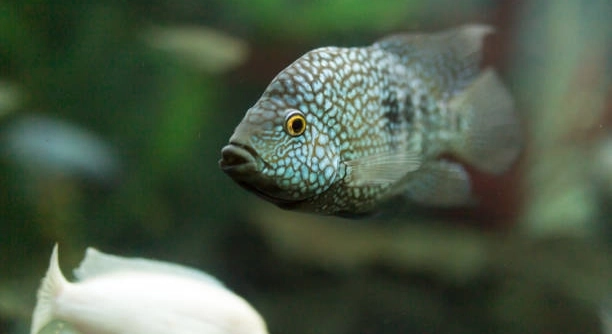
Have you ever noticed how Jack Dempsey fish swim around their tank with purpose and confidence? These colorful fish are lively, often showing distinct personalities, which makes observing their behaviors both enjoyable and fascinating for aquarium owners.
Jack Dempsey fish are capable of recognizing one another through visual and behavioral cues. They remember prior interactions, identify familiar tank mates, and modify their aggression or social behaviors accordingly, which affects mating, territory, and group dynamics in captivity.
Learning about their recognition skills helps owners manage tanks more effectively, promoting peaceful interactions and a healthier environment for all fish.
How Jack Dempsey Fish Interact
Jack Dempsey fish are naturally territorial and often display strong social behaviors. They use visual cues such as color changes and fin displays to communicate with each other. These behaviors help them establish dominance, avoid unnecessary fights, and signal readiness to mate. In a shared tank, familiar fish tend to reduce aggressive behaviors over time. New or unfamiliar fish entering the tank may trigger territorial displays until hierarchy is established. Observing their body language, like flaring or chasing, can indicate social structure and recognition among them. Environmental factors, such as hiding spots and tank size, also influence how comfortably these fish interact. Providing enough space and clear boundaries reduces stress and aggression. Over time, the same fish in the tank begin to recognize each other, which results in smoother interactions. This recognition improves overall tank harmony and allows them to thrive in a controlled environment, making long-term care more manageable for owners.
Familiarity among Jack Dempsey fish reduces aggression and promotes stable social hierarchies, ensuring more peaceful interactions in a shared tank environment.
Recognition is not just about avoiding fights; it also influences mating choices and territorial behavior. Fish that remember each other can establish consistent patterns, reducing stress and improving health. Over time, this familiarity creates a predictable environment where interactions are smoother, and dominance disputes are less frequent. Owners who understand these behaviors can better design tanks with adequate space, hiding spots, and compatible tank mates. Observation of interactions, such as chasing, flaring, or ignoring, provides insight into recognition and comfort levels. Social memory allows these fish to differentiate between strangers and familiar fish, making group living possible. In contrast, sudden introductions or frequent changes in tank mates can provoke aggressive behaviors. Structured, stable environments enhance their natural behaviors while minimizing unnecessary conflict. By carefully managing these factors, owners create a more balanced ecosystem where Jack Dempsey fish can thrive, display their full coloration, and maintain healthy social interactions without constant stress.
Visual and Behavioral Recognition
Jack Dempsey fish rely heavily on sight and movement to recognize each other. Color patterns and fin gestures are key signals.
Visual cues, combined with consistent behaviors, allow these fish to remember specific tank mates. They observe differences in size, shape, and coloration to distinguish familiar fish. Over repeated interactions, recognition strengthens, and aggression decreases. Behavioral signals like chasing, tail flicks, or changes in swimming speed help reinforce social hierarchies. Fish that are new to the tank are monitored closely, and once recognized, they are gradually accepted. This ability to remember individuals affects feeding order, mating readiness, and territory use. Recognition also allows for selective interactions, with certain fish becoming more tolerant of each other while maintaining boundaries. For owners, understanding these cues can prevent unnecessary stress and aggression. Maintaining stable tank conditions, avoiding sudden introductions, and observing patterns of interaction ensures recognition functions smoothly. By relying on these visual and behavioral signals, Jack Dempsey fish manage their social environment effectively, demonstrating memory and intelligence that influence their daily lives and long-term well-being.
Memory and Social Behavior
Recognition among Jack Dempsey fish is closely tied to their memory. They can remember other fish in their tank for weeks or even months. This memory helps them adjust behaviors and reduces unnecessary conflicts, keeping the tank environment calmer and more predictable.
Memory allows Jack Dempsey fish to recall previous encounters and respond accordingly. Familiar tank mates are treated with less aggression, while unfamiliar fish trigger defensive displays until recognition is established. Social memory affects feeding, territorial boundaries, and mating behaviors, helping maintain a balanced hierarchy. Fish that consistently interact form a predictable social structure, which reduces stress and improves overall well-being. Owners who monitor these patterns can create more stable tank conditions and minimize conflicts.
Repeated interactions strengthen recognition and social bonds among Jack Dempsey fish. They adapt to each other’s presence, adjust dominance displays, and establish routines. Over time, this leads to smoother interactions, reduced aggression, and a healthier environment. Memory also allows them to distinguish between rival fish and those they have already accepted, improving social cohesion in the tank. Observing these patterns provides insight into their behavior, helping owners anticipate conflicts and design a tank setup that supports natural interactions, territorial needs, and overall well-being.
Factors Affecting Recognition
Tank size, layout, and population density strongly influence recognition. Overcrowding can stress fish and limit their ability to remember each other properly, increasing aggression.
Environmental conditions impact memory and social interactions. Fish in larger tanks with hiding spots can establish territories and form stable hierarchies more easily. Frequent changes, such as introducing new fish or rearranging decorations, can disrupt recognition, causing temporary aggression. Consistent feeding schedules and minimal disturbances reinforce familiar interactions and help fish feel secure. Stress from poor water quality or inadequate space also reduces recognition efficiency, making aggressive behaviors more likely. Proper care ensures Jack Dempsey fish maintain their social memory and interact harmoniously.
Signs of Recognition
Familiar Jack Dempsey fish show less aggressive chasing and flaring. They swim calmly near each other and share territory without constant conflict.
They also adjust feeding behavior, allowing recognized tank mates to eat without competition. These subtle actions indicate memory and social awareness, reducing stress in the tank.
Impact of Age and Experience
Older and more experienced Jack Dempsey fish tend to recognize others faster and show calmer social behavior. Juveniles may be more aggressive and take longer to establish recognition. Experience shapes interactions, helping fish navigate social hierarchies, reduce fights, and maintain consistent group behavior in shared environments.
Tips to Encourage Recognition
Keeping a stable tank environment with consistent tank mates helps Jack Dempsey fish remember each other. Avoid frequent changes in decorations or fish population to support recognition and reduce stress.
FAQ
How do Jack Dempsey fish show they recognize each other?
Jack Dempsey fish show recognition through body language and behavior. Familiar fish often swim calmly near each other, avoid unnecessary chasing, and share territories with less aggression. They also adjust feeding habits, letting known tank mates eat without conflict. Subtle signals like tail flicks, fin displays, or minor movements indicate awareness of another fish’s presence and identity. Over time, these behaviors become predictable, allowing fish to establish social hierarchies while reducing stress. Recognition is mostly visual, supported by memory of prior interactions.
How long can Jack Dempsey fish remember other fish?
These fish can remember tank mates for several weeks, and sometimes even months. Memory depends on repeated interactions, stability of the tank environment, and the age or experience of the fish. Older or more experienced fish tend to retain recognition longer. Juvenile fish may forget quickly or misinterpret social cues, leading to temporary aggression. Consistent environments, minimal disturbances, and regular feeding routines help strengthen memory and recognition. Memory is reinforced when fish interact frequently and establish clear territories or social hierarchies.
Does tank size affect recognition?
Yes, tank size significantly impacts recognition. Larger tanks with plenty of hiding spots allow fish to establish territories and remember specific tank mates. Overcrowded tanks increase stress and limit the ability to identify individuals, resulting in more aggression and territorial disputes. Stable tank layouts, proper space, and adequate decorations help fish recognize each other faster and reduce conflict. Consistent observation of fish behavior allows owners to identify if recognition is functioning well, ensuring smoother interactions and a calmer environment.
Can introducing new fish disrupt recognition?
Introducing new fish often temporarily disrupts recognition and increases aggression. Existing fish need time to assess the newcomer, which can trigger chasing or displays of dominance. Stress and territorial disputes are common until the new fish is recognized or integrated. Gradual introductions, barriers, or quarantine procedures can reduce conflict. Keeping stable groups with minimal additions allows memory and recognition to remain consistent, promoting harmony in the tank.
Do Jack Dempsey fish recognize fish of other species?
Jack Dempsey fish primarily recognize members of their own species. While they may observe or respond to other species, recognition and social memory are less developed. Interactions with other species are usually based on territorial defense, curiosity, or threat assessment rather than memory or familiarity. Proper tank planning, with compatible species and sufficient space, helps reduce unnecessary stress and aggression between different fish.
How can owners help fish recognize each other?
Maintaining a consistent tank environment with stable tank mates is key. Avoid frequent rearrangements, overcrowding, or sudden introductions. Providing hiding spots, clear territories, and structured feeding routines strengthens memory and social behavior. Observing interactions helps owners understand fish hierarchies and intervene if aggression becomes excessive. Consistency and careful management support recognition and reduce stress over time.
Does age or size influence recognition?
Yes, older or larger fish tend to recognize others more easily. Juveniles may need repeated interactions to identify familiar fish. Size also impacts dominance, with larger fish often remembered as more dominant, affecting social hierarchy and interactions. Monitoring size differences and age-related behavior helps maintain a balanced environment, reducing unnecessary aggression and ensuring recognition functions properly.
What behaviors indicate poor recognition?
Persistent chasing, flaring, and constant competition for territory or food may indicate that recognition is weak. Frequent stress displays, hiding, or aggressive dominance contests suggest that fish are not familiar with each other or are experiencing environmental disruption. Adjusting tank conditions, stabilizing population, and providing consistent routines can improve recognition.
Can recognition affect breeding behavior?
Yes, recognition directly influences mating. Fish that remember each other are more likely to form stable pairings, reduce aggressive interruptions, and engage in successful spawning. Lack of familiarity can delay or prevent mating, as aggression and stress interfere with courtship. Stable groups and consistent interactions improve reproductive success.
How long does it take for new tank mates to be recognized?
Recognition can take days to weeks depending on fish age, experience, tank conditions, and territorial arrangements. Stable environments and gradual introductions accelerate the process. Frequent observation and consistent interactions help owners monitor the progress and ensure social harmony develops without prolonged stress or injury.
Jack Dempsey fish are intelligent and social, relying on memory, visual cues, and repeated interactions to manage relationships. Proper tank management, consistent conditions, and careful observation are essential to supporting recognition, reducing aggression, and promoting healthy, harmonious behavior among all tank mates.
Jack Dempsey fish are fascinating creatures with complex social behaviors that make them interesting to observe in a home aquarium. Their ability to recognize each other shows a level of memory and social awareness that many fish owners may not expect. This recognition affects many aspects of their behavior, including aggression, feeding, and mating patterns. When fish are familiar with each other, they interact more calmly, which reduces stress and helps maintain a balanced tank environment. Observing their body language, like fin displays, tail flicks, or chasing behavior, can provide clear signs of recognition. Understanding these behaviors allows owners to make more informed decisions about tank size, decoration placement, and social groupings. Over time, as fish continue to interact, recognition becomes stronger, leading to a more harmonious and predictable environment.
Creating the right conditions in the aquarium is essential for recognition and overall fish well-being. Tank size, hiding spaces, water quality, and stable populations all influence how well Jack Dempsey fish remember and respond to each other. Larger tanks with clearly defined territories make it easier for fish to establish social hierarchies and reduce unnecessary conflicts. Frequent rearrangements or the sudden introduction of new fish can disrupt recognition and trigger aggression, even among previously familiar fish. Providing consistency in feeding schedules and tank management helps reinforce social memory, making interactions smoother. Owners who pay attention to these environmental factors can prevent many common problems associated with stress and aggression. By maintaining a structured and stable tank environment, fish can develop predictable patterns of behavior, which improves their health and quality of life.
Recognition among Jack Dempsey fish is more than a curiosity; it has practical benefits for tank management and the overall well-being of the fish. Fish that remember each other are less likely to engage in unnecessary fighting, which reduces injuries and stress. They also form more stable social hierarchies, which improves feeding efficiency and can increase the likelihood of successful mating. Observing and understanding recognition behaviors allows owners to adjust tank conditions, monitor interactions, and ensure that all fish coexist peacefully. Age, size, and previous experience influence how quickly and effectively fish recognize one another, so it is important to consider these factors when introducing new tank mates. By focusing on consistency, space, and careful observation, owners can create an environment where Jack Dempsey fish thrive both socially and physically, resulting in a healthier, more vibrant aquarium over time.

Hello,
If you enjoy the content that we create, please consider saying a "Thank You!" by leaving a tip.
Every little bit helps us continue crafting quality advice that supports the health, happiness, and well-being of pets around the world, for pets of all shapes, sizes, and species.
We really appreciate the kindness and support that you show us!