
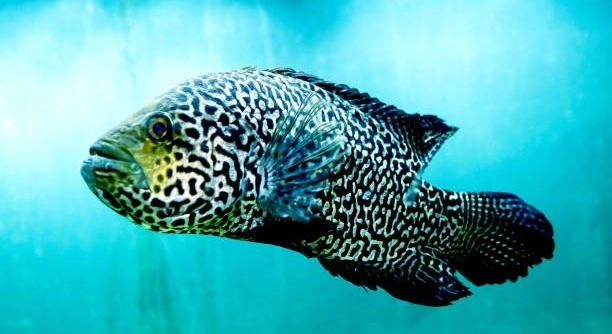
Are your Jack Dempsey fish behaving differently than usual, leaving you unsure of how they feel around you? Observing their movements and reactions can give you insight into their temperament and bond with their owner.
A Jack Dempsey fish shows signs of recognition and comfort through specific behaviors. Frequent swimming near you, responsive movements, and calm reactions indicate that the fish acknowledges your presence and exhibits trust in its environment.
Recognizing these signs can improve your connection and help maintain a healthy, stress-free habitat for your fish.
Understanding Your Jack Dempsey’s Behavior
Jack Dempsey fish are known for their unique personalities and can form bonds with their owners over time. They often show recognition through subtle actions like following your hand along the tank or positioning themselves where you spend time. These fish are naturally curious but cautious, so consistent interaction helps them feel secure. They may flare their fins or swim rapidly at first, which is normal and usually a sign of alertness rather than aggression. Over time, they may respond to your presence with calmer, more deliberate movements, indicating comfort. Feeding routines can also reinforce their connection to you, as they learn to associate you with food. Observing these behaviors daily allows you to notice small changes that signal your fish’s comfort level. Environmental factors such as water quality, tank size, and decorations can affect how relaxed they feel, making it essential to maintain optimal conditions for their well-being.
Regular observation builds a stronger understanding of their temperament and needs.
Noticing how your Jack Dempsey reacts to movement or presence can tell you whether it feels safe or stressed in the tank.
Signs Your Fish Recognizes You
Many Jack Dempsey fish respond to feeding times, swimming towards you when they sense your approach. This behavior shows they associate you with positive experiences. Over time, they may linger near your hand or follow it along the glass, signaling recognition. Consistent interaction is key to reinforcing this connection, helping your fish feel more comfortable.
Attention to body language reveals more than simple proximity. When a Jack Dempsey relaxes its fins or pauses near you instead of darting away, it signals growing trust. Eye contact, while subtle, is another indicator, as the fish may observe you closely without signs of distress. Feeding interactions are particularly telling; fish that actively anticipate food when you approach show a level of expectation and familiarity. Even changes in swimming patterns, like moving calmly instead of erratically, reflect comfort with your presence. Recognizing these behaviors allows owners to adjust handling, tank placement, and feeding schedules to maintain a stress-free environment. Over time, this consistent care and observation can strengthen the bond, making interactions smoother and more predictable. Watching these subtle cues ensures your fish’s well-being while deepening your understanding of its personality and habits.
Flared Fins and Body Language
Jack Dempsey fish often flare their fins as a way to assert presence or communicate. Watching these movements closely helps you understand whether it’s curiosity, excitement, or mild irritation. Subtle gestures can reveal how comfortable the fish feels around you.
Flared fins accompanied by slow, deliberate swimming usually indicate alertness rather than aggression. If your fish spreads its fins when you approach, it may be observing you, testing the environment, or showing confidence in its territory. Over time, calmer flares and relaxed movements suggest growing familiarity with your presence. Conversely, rapid darting with fins spread can indicate stress or discomfort. Observing patterns over several days helps distinguish between normal behavior and signs of distress. Body posture, including head position and tail movement, also provides insight into mood and engagement. Recognizing these cues ensures interactions are safer and reduces unnecessary stress on your fish.
Repeated exposure to your presence often reduces defensive displays. Jack Dempseys that recognize and trust you may flare minimally, even during feeding, showing acknowledgment rather than alarm. These subtle adjustments in behavior reflect their comfort level, making them more predictable and easier to care for. Consistency in tank conditions and gentle movements around the aquarium reinforce trust. Avoid sudden taps or shadowing the tank, which can trigger defensive flaring. Over time, the fish may swim closer during routine tasks or follow your hand calmly, demonstrating recognition and a relaxed temperament. Observing these changes strengthens your understanding of its personality and needs.
Feeding Responses
Jack Dempsey fish learn to associate specific signals with feeding, such as hand movements or the sound of food hitting the water. They often become more attentive and active during these times, showing recognition of routine.
Active swimming toward the feeding area is a strong indicator that your fish has connected your presence with nourishment. Fish that consistently anticipate meals may even change posture, positioning themselves closer to the area where food is usually dropped. Feeding responses can vary depending on personality; some remain cautious while others swim eagerly, showing trust in their environment. Repeated, calm interactions during feeding reinforce recognition and reduce anxiety. Offering food at consistent times encourages routine behavior, making it easier to interpret responses and gauge comfort levels. Observing how your fish reacts to these cues allows you to identify preferences, energy levels, and overall well-being. Positive reinforcement during feeding strengthens the bond, improving cooperation and reducing stress during tank maintenance or observation.
Over time, attentive feeding behavior helps gauge emotional state. Recognizing anticipation, calmness, or excitement during meals shows that your fish is comfortable and responsive. Monitoring these patterns regularly also helps detect early signs of illness or stress. Consistency in feeding routines, combined with gentle movements, reinforces trust and encourages natural behavior. Fish that approach eagerly but relax quickly demonstrate familiarity with their environment and owner. Even minor changes, like lingering near your hand after feeding, indicate recognition and growing comfort. Understanding these subtle signals helps maintain a healthy, stress-free habitat while enhancing your awareness of your Jack Dempsey’s unique personality and needs.
Following Movements
Jack Dempsey fish may follow your hand or move toward you when you approach the tank. This behavior shows awareness and interest in your presence, indicating that the fish is comfortable and recognizes you.
Tracking your movements calmly, without signs of stress, reflects growing trust. Fish that follow consistently are demonstrating familiarity with your routine and feel secure in their environment.
Resting and Hiding Patterns
Changes in resting or hiding behavior reveal how your Jack Dempsey perceives safety. Fish that feel comfortable will spend more time in open areas or near decorations without darting away, while shy or stressed fish hide more frequently. Consistency in environment and routine encourages confident, relaxed behavior, making recognition of your presence more apparent. Monitoring these patterns allows for adjustments in tank setup, lighting, and feeding practices to maintain comfort. Comfortable fish often return to preferred spots without hesitation, showing trust and familiarity with their surroundings.
Interaction with Tank Mates
Jack Dempsey fish may show less aggression toward other fish when they recognize a safe presence, indicating comfort in the tank.
Recognizing these subtle social cues helps maintain harmony and reduces stress for all inhabitants.
FAQ
How can I tell if my Jack Dempsey fish likes me?
Your Jack Dempsey shows recognition and comfort through behaviors like following your hand, swimming near you, and responding calmly to your presence. Regular observation of these cues, along with consistent feeding routines, can help you identify if your fish feels safe and trusts you.
Why does my Jack Dempsey flare its fins when I approach?
Flared fins can indicate alertness, curiosity, or mild territorial behavior. If the flaring is slow and controlled, it usually shows the fish is observing and assessing you rather than being aggressive. Rapid, erratic flaring may indicate stress or discomfort in the tank.
Is it normal for my fish to hide a lot?
Hiding is natural, especially if the fish is new or the tank environment feels uncertain. Over time, as your Jack Dempsey recognizes your presence and becomes comfortable, it may spend more time in open areas or near decorations without showing fear.
Can feeding routines help my fish bond with me?
Yes. Jack Dempseys learn to associate your presence with food. Consistent feeding times and calm, predictable interactions encourage recognition and trust. Fish that anticipate meals and swim toward you demonstrate growing comfort and familiarity with your presence.
Why does my Jack Dempsey follow my hand in the tank?
Following movements is a sign of awareness and curiosity. Calm, consistent following indicates comfort and recognition, whereas sudden, frantic following can indicate stress. Observing how your fish follows you helps you understand its temperament and level of trust.
Do Jack Dempsey fish recognize faces or specific owners?
While they may not recognize faces like mammals, they respond to familiar movement patterns, feeding routines, and environmental cues. Over time, they learn to associate you with positive experiences such as feeding or gentle interactions.
How do tank conditions affect my fish’s behavior toward me?
Stable water parameters, proper tank size, and appropriate decorations make your fish feel secure. A stressed or uncomfortable fish may hide, flare excessively, or avoid interaction, whereas a comfortable fish shows calm, predictable behavior. Maintaining the tank environment supports trust and recognition.
What are the signs my fish does not feel safe?
Erratic swimming, prolonged hiding, frequent flaring, or refusal to approach during feeding indicates stress or discomfort. These behaviors may result from changes in the environment, water quality issues, or sudden movements near the tank. Addressing these factors helps your fish feel more secure.
Can other fish in the tank affect recognition and behavior?
Yes. Aggressive or dominant tank mates can make a Jack Dempsey more cautious or defensive, reducing interactions with you. Ensuring compatible tank mates and sufficient space allows your fish to relax and respond to your presence with confidence.
How long does it take for a Jack Dempsey to show recognition?
It varies depending on personality and consistency in care. Some fish may show trust within a few weeks, while others take months of calm, predictable interactions. Observing subtle cues like swimming near you, flaring minimally, or responding to feeding signals indicates growing recognition.
Can handling the fish improve recognition?
Direct handling is generally stressful for Jack Dempseys. Gentle presence outside the tank, feeding, and consistent interaction are safer ways to build recognition and trust. Avoid forcing contact, as this can cause fear and reduce the likelihood of positive interactions.
Do Jack Dempseys show affection like other pets?
While they don’t show affection like mammals, their calm, predictable behavior around you reflects trust and recognition. Approaching you, following movements, and responding to feeding cues are their ways of acknowledging your presence positively.
How can I encourage my fish to feel more comfortable around me?
Maintain stable tank conditions, interact consistently through feeding, and move gently near the aquarium. Avoid sudden disturbances and give the fish space to approach at its own pace. Over time, these practices build trust, reduce stress, and strengthen recognition.
Are there signs that my fish is too stressed to interact?
Yes. Constant hiding, frantic swimming, excessive fin flaring, or refusal to eat are clear stress indicators. Adjusting tank conditions, reducing sudden movements, and maintaining a quiet environment helps the fish recover confidence and resume positive interactions.
How important is routine in building recognition?
Routine is critical. Predictable feeding times, consistent interaction, and a stable environment make your Jack Dempsey feel secure. Fish thrive on consistency, and over time, routine fosters trust, reduces stress, and encourages familiar behaviors around you.
Can water temperature or lighting affect recognition?
Yes. Extreme changes in temperature or sudden bright lighting can cause stress, making your fish wary of your presence. Maintaining consistent, suitable conditions helps the fish remain calm, attentive, and more likely to show recognition and trust.
Is it normal for a Jack Dempsey to ignore me sometimes?
Yes. Fish have varying activity levels and moods. Even a fish that recognizes you may retreat or hide occasionally. This behavior is natural and does not necessarily mean the bond is lost, especially if calm interactions resume later.
How do I know if my fish is healthy while showing recognition?
Healthy fish exhibit smooth, controlled swimming, regular feeding, bright coloration, and alert responses. Recognition behaviors like following movements, calm flaring, and approaching during feeding indicate both comfort and well-being in the tank.
Can changes in diet affect my fish’s behavior toward me?
Yes. Sudden changes or low-quality food can stress the fish, reducing responsiveness and trust. Consistent, balanced nutrition ensures predictable behavior, making recognition and positive interactions more apparent.
What is the best way to maintain long-term trust with my fish?
Provide stable water conditions, consistent feeding routines, and gentle, predictable interaction. Avoid sudden disturbances and respect the fish’s space. Over time, your Jack Dempsey will respond calmly, follow your movements, and show recognition consistently, reflecting a secure and trusting environment.
How can I tell if my fish is bonding with me versus just responding to food?
Bonding is shown through behaviors beyond feeding, such as calmly following your hand, lingering near your presence, and displaying relaxed body language. Repeated, non-food-related interactions that evoke calm responses indicate recognition and trust, not just association with feeding.
Can Jack Dempseys recognize me after a period of absence?
They may respond more cautiously at first but often recognize familiar cues like routine movements, feeding signals, and environmental familiarity. Gradual reintroduction and consistent interaction restore comfort and recognition over time.
Do environmental changes affect recognition?
Yes. Adding decorations, changing lighting, or moving the tank can trigger stress, making the fish wary. Maintaining familiar conditions helps your Jack Dempsey remain calm, attentive, and more likely to display recognition behaviors consistently.
What should I do if my fish never seems to recognize me?
Patience and consistency are key. Ensure optimal tank conditions, interact calmly, and maintain predictable feeding routines. Some fish are naturally more cautious, but steady, gentle interaction usually encourages recognition over time.
Can observing multiple behaviors together give a clearer picture?
Yes. Combining cues such as swimming patterns, flaring, hiding, and feeding responses provides a comprehensive view of your fish’s comfort and recognition. Looking at behaviors collectively allows better understanding and care.
How important is tank size in recognition behaviors?
Adequate space reduces stress and allows your fish to display natural behaviors, including recognition. Overcrowded or small tanks can cause defensive or erratic movements, making it harder to interpret comfort and familiarity with you.
Do Jack Dempseys recognize routine movements versus new ones?
Yes. Consistent, predictable actions like regular hand movements during feeding are easier for them to recognize. Sudden or unfamiliar movements may trigger cautious or defensive behaviors until the fish learns to trust them.
Can water quality issues affect how my fish responds to me?
Absolutely. Poor water quality causes stress, lethargy, or hiding, reducing recognition behaviors. Maintaining clean, stable water conditions ensures your fish remains attentive, responsive, and comfortable in your presence.
What is the best way to track my fish’s recognition progress?
Regular observation of behaviors such as following, flaring calmly, hiding less, and approaching during feeding allows you to monitor comfort levels. Note changes over weeks to understand patterns and reinforce positive interactions.
Are there behavioral differences between young and adult Jack Dempseys?
Yes. Juveniles may be more cautious and reactive, while adults often show more deliberate recognition behaviors. Age, personality, and past experiences influence how quickly and consistently a fish demonstrates comfort and familiarity.
How do I prevent misinterpreting aggressive behavior as recognition?
Observe context and consistency. Calm following, controlled flaring, and returning to preferred spots indicate recognition. Sudden darting, chasing, or repeated aggressive posturing signals stress, not trust. Paying attention to overall behavior patterns prevents misreading cues.
Can Jack Dempseys form bonds with multiple people?
Yes, if interactions are consistent and positive. Fish respond to predictable routines and gentle presence, so multiple people following similar practices can encourage recognition without stress.
Do seasonal changes affect behavior and recognition?
Fluctuations in temperature, lighting, or feeding schedules can temporarily alter behavior. Maintaining consistent conditions minimizes stress, helping your Jack Dempsey maintain familiar recognition behaviors throughout the year.
How do I encourage interaction without causing stress?
Approach the tank slowly, avoid sudden movements, and maintain calm feeding routines. Allow the fish to come to you at its own pace, reinforcing trust while minimizing anxiety or defensive reactions.
What are subtle signs of stress that impact recognition?
Small signs include slight darting, fin clamping, hesitation to approach, or temporary loss of appetite. Recognizing these early helps adjust environment and routines to restore comfort and maintain trust.
How does tank decoration placement affect behavior toward me?
Strategically placed hiding spots and open areas allow your fish to feel safe yet observe you. This balance encourages natural recognition behaviors without inducing stress from feeling exposed.
Are there common mistakes that hinder recognition?
Inconsistent feeding, sudden movements, poor water quality, and overcrowding can prevent your Jack Dempsey from displaying trust and recognition. Maintaining predictable care and a stable environment supports positive behaviors.
Can stress from other fish interfere with recognition?
Yes. Aggressive tank mates or overcrowding may make your fish wary or defensive, reducing positive interactions. Ensuring compatible companions and sufficient space encourages relaxed, attentive behavior.
Is it possible for a Jack Dempsey to forget recognition?
Extended periods of poor conditions, stress, or absence of interaction may reduce responsiveness. Gradual reintroduction with consistent, calm interaction usually restores recognition and trust over time.
How can I distinguish curiosity from affection-like behavior?
Curiosity is often accompanied by alertness, fin flaring, and cautious movements. Calm, relaxed following, and lingering near your presence without stress signals comfort and familiarity rather than mere investigation.
Do Jack Dempseys ever ignore routines intentionally?
Occasionally, due to mood, health, or environment changes. Temporary withdrawal is normal if followed by return to predictable behavior, indicating ongoing recognition and comfort once conditions are favorable.
How do I know my fish is truly comfortable around me?
Relaxed body language, calm swimming near your presence, minimal defensive flaring, and anticipation during feeding all indicate trust and comfort, reflecting a secure bond without stress or fear.
Can interactions through the glass be enough for recognition?
Yes. Gentle presence, predictable movements, and feeding cues from outside the tank are sufficient for your Jack Dempsey to recognize and respond positively without direct contact.
Are some Jack Dempseys more responsive than others?
Individual personality plays a role. Some fish are naturally bold and responsive, while others are cautious. Patience, consistent care, and gentle interaction allow most to gradually show recognition behaviors.
How long should I observe each day to track recognition?
Short, consistent observation periods of 10–15 minutes are effective. Frequent, calm sessions allow you to notice subtle behaviors, track patterns, and adjust care to reinforce trust.
What is the most reliable sign that my fish likes me?
Calm, consistent following of movements, approaching during feeding, relaxed flaring, and spending time near your presence without signs of stress are the clearest indicators of comfort and recognition.
Can recognition reduce aggressive behavior?
Yes. Familiarity with your presence and consistent, calm routines can reduce defensive displays and make interactions smoother. Recognition fosters predictable responses and lessens stress-driven aggression.
How do I differentiate between excitement and stress during feeding?
Excitement is shown through calm, purposeful swimming toward food, controlled fin movements, and anticipation. Stress shows as frantic darting, clamped fins, or refusal to eat. Observing overall body language clarifies the difference.
Are recognition behaviors affected by tank noise or vibration?
Excessive noise, vibration, or sudden disturbances can make your fish wary or stressed, temporarily reducing recognition behaviors. A quiet, stable environment helps maintain attention and calm responses.
Do Jack Dempseys respond differently to new foods?
Yes. Novel foods may trigger hesitation or cautious investigation. Consistent, gentle introduction alongside familiar feeding routines encourages positive recognition while exploring new diet options.
How do I prevent misreading normal territorial behavior?
Context matters. Territorial displays like brief chasing or fin flaring are separate from recognition cues. Observing patterns and relaxation during non-threatening interactions helps distinguish trust from defensiveness.
Can lighting affect how my fish responds to me?
Bright or sudden changes in lighting may trigger hiding or defensive behavior. Gradual, consistent lighting allows your fish to remain calm, attentive, and responsive to your presence.
Is it normal for recognition behaviors to fluctuate daily?
Yes. Mood, health, and environmental changes can cause temporary variation. Consistent routines and stable conditions help maintain predictable recognition behaviors over time.
Can recognition improve over the fish’s lifetime?
Yes. With consistent care, calm interactions, and a stable environment, a Jack Dempsey can gradually become more attentive, responsive, and comfortable, showing clear recognition even years later.
How can I measure progress in my fish’s recognition?
Track behaviors like approaching your presence, calm following, relaxed flaring, and anticipation during feeding. Recording changes over time shows growing comfort, trust, and understanding of your Jack Dempsey’s personality.
Are there signs that recognition is temporary versus permanent?
Temporary recognition may fade with stress, environmental changes, or absence of interaction. Permanent recognition develops gradually with consistent routines, calm presence, and stable tank conditions, reflected in predictable, relaxed behaviors.
Can observing other fish help gauge my Jack Dempsey’s comfort?
Yes. How it interacts with tank mates—less aggression, relaxed swimming, or willingness to share space—can reflect overall comfort and indirectly indicate trust toward you.
Does tank size influence recognition intensity?
Adequate space allows natural movement and choice of proximity to you. Smaller or overcrowded tanks may limit confident behavior, reducing opportunities to display recognition clearly.
Can changing tank décor affect recognition temporarily?
Yes. Rearranging decorations may cause caution or stress. Allowing time to adjust helps restore calm behavior and recognition patterns.
How long does it take for consistent interaction to show results?
Some fish respond within weeks, others over months. Patience, calm routines, and stable conditions ensure steady progress in recognition behaviors.
Is it possible for a Jack Dempsey to never fully recognize humans?
While rare, some individuals remain cautious due to personality or early stress. Most will show at least some recognition if interactions are calm, consistent, and predictable.
Can illness affect recognition behaviors?
Yes. Sick or stressed fish may hide, flare excessively, or show less responsiveness. Monitoring health alongside recognition helps ensure proper care and adjustments.
Do Jack Dempseys respond differently to different people?
Yes. Consistency in movements, feeding, and interaction style matters more than identity. People following similar routines can all gain recognition from the same fish.
Can recognition help reduce stress during tank maintenance?
Familiarity and trust reduce panic or hiding during water changes or cleaning. Calm, predictable routines minimize stress while maintaining recognition behaviors.
Is there a difference between young and adult recognition patterns?
Juveniles may be more reactive or cautious, while adults display deliberate, predictable recognition. Age influences response speed and consistency, but both can develop trust over time.
What behaviors indicate long-term comfort with an owner?
Consistent calm following, minimal defensive flaring, approach during feeding, and lingering near your presence without stress show lasting recognition and comfort.
Can recognition affect breeding behavior?
Indirectly. Comfortable, stress-free fish are more likely to display natural breeding behaviors, as recognition reduces anxiety and supports overall well-being.
Are there signs that recognition has broken down?
Sudden hiding, darting, excessive flaring, or refusal to approach may indicate disrupted trust, often due to stress, environmental changes, or illness. Reestablishing calm routines helps restore recognition.
Can water current or filtration affect behavior toward humans?
Strong currents or noisy filters may make the fish wary, reducing approach or attention during feeding. Gentle, consistent conditions encourage calm recognition behaviors.
Do Jack Dempseys respond to visual versus auditory cues?
They respond primarily to visual cues like hand movements or shadows, though vibration or noise may also alert them. Calm, predictable visual cues support recognition most effectively.
Is recognition stronger in single-species tanks?
Typically, yes. Less competition and stress allow your fish to focus on interactions, increasing calm, attentive responses to your presence.
Can multiple feeding techniques influence recognition?
Yes. Using predictable, gentle methods reinforces recognition, while sudden or inconsistent feeding may cause stress or confusion, reducing positive behaviors.
Do Jack Dempseys ever display playful behavior toward humans?
While not playful in a mammal sense, calm following, gentle nibbling at the water surface, or investigating hands can reflect curiosity and comfort.
How do seasonal changes affect recognition behaviors?
Temperature, light, and routine changes may temporarily alter activity levels, but consistent care helps maintain recognition despite seasonal fluctuations.
Are there visual cues I should focus on to assess comfort?
Fin position, swimming patterns, body posture, and location in the tank reveal comfort. Relaxed, steady movements and proximity to your presence indicate trust.
Can recognition vary depending on tank size or décor?
Yes. Spacious, well-decorated tanks allow choice and comfort, encouraging relaxed, attentive behaviors, while crowded or bare tanks may reduce observable recognition cues.
Do Jack Dempseys remember interactions from weeks ago?
Yes. They retain recognition patterns associated with routine feeding, calm presence, and stable conditions, responding predictably even after short absences.
How do I prevent stress from affecting recognition?
Maintain stable water conditions, gentle interactions, consistent feeding, and a calm environment. Reducing sudden changes or disturbances ensures trust remains intact.
Are there differences in recognition between males and females?
Behavior can vary individually, but both sexes show similar recognition cues when
Jack Dempsey fish are fascinating pets because they show unique personalities and can develop recognition toward their owners. Observing their behavior closely helps you understand how comfortable they feel in the tank and whether they trust your presence. Signs like swimming near you, following hand movements, calm flaring, and responding to feeding routines all indicate growing familiarity. These behaviors may not be as obvious as those of mammals or other more interactive pets, but with careful attention, they can be clearly noticed. Each fish may show recognition differently depending on its personality, age, and past experiences. Some may approach more quickly and consistently, while others take longer to feel secure. Understanding these differences is important because it allows you to adjust your interactions to match the comfort level of your Jack Dempsey.
Maintaining a stable and healthy tank environment plays a key role in encouraging positive behaviors and recognition. Factors such as water quality, temperature, filtration, and tank size directly affect the fish’s comfort and willingness to interact. A stressed or uncomfortable fish is less likely to display signs of trust or recognition, even if you have consistently interacted with it in the past. Providing adequate hiding spaces, open swimming areas, and consistent lighting helps the fish feel safe while still allowing them to observe you. Feeding routines are another important aspect of building familiarity. Offering food at regular times and approaching the tank calmly during these routines teaches the fish to associate your presence with positive experiences. Over time, this consistent care strengthens their sense of security and encourages relaxed, attentive behaviors toward you.
It is important to remember that building recognition and trust with a Jack Dempsey fish takes patience and observation. Repeated, gentle interactions combined with a stable environment allow the fish to display comfort and familiarity naturally. Avoid sudden movements or handling that may stress the fish, as this can slow progress and make them wary. Recognizing and understanding subtle behavioral cues, such as fin movements, body posture, and swimming patterns, is essential for interpreting comfort levels accurately. By paying attention to these signs and maintaining consistent care, you create an environment where your Jack Dempsey feels safe, secure, and responsive. Over time, these practices can strengthen the bond between you and your fish, making interactions more predictable and enjoyable. Observing your fish in a calm and consistent manner ensures that they remain healthy, confident, and comfortable, allowing you to fully appreciate their unique personality and behaviors.

Hello,
If you enjoy the content that we create, please consider saying a "Thank You!" by leaving a tip.
Every little bit helps us continue crafting quality advice that supports the health, happiness, and well-being of pets around the world, for pets of all shapes, sizes, and species.
We really appreciate the kindness and support that you show us!