
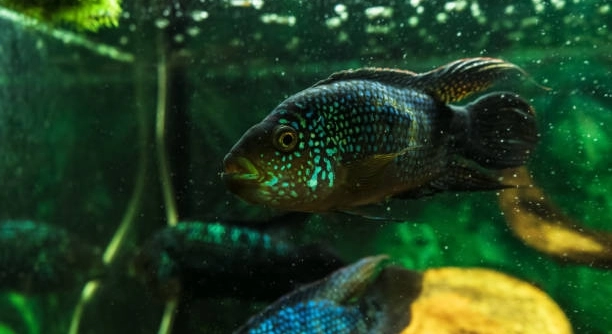
Have you ever wondered what makes certain fish stand out in an aquarium? Jack Dempsey fish attract attention with their bold colors and active personalities, making them a favorite choice for many fish enthusiasts around the world.
Jack Dempsey fish are distinguished by their striking coloration, territorial nature, rapid growth, adaptability to water conditions, strong jaw structure, unique patterning, and social behavior, which collectively differentiate them from other cichlid species in both appearance and temperament.
Knowing these characteristics allows fish owners to better care for their Jack Dempsey, ensuring a healthy, vibrant, and engaging environment in the tank.
Vibrant Coloration
Jack Dempsey fish are known for their vivid, shimmering colors that range from deep blues and greens to gold and purple highlights. These colors are not just for show; they serve as a signal of health, maturity, and dominance within their environment. Male Jack Dempseys often display brighter colors than females, particularly during breeding periods, which helps attract mates and establish territories. The intensity of their coloration can also change depending on their mood, stress levels, and water conditions, making them a dynamic and visually engaging species. Maintaining proper lighting, water quality, and diet is essential to keep their colors vibrant and prevent dulling, which can indicate poor health or suboptimal tank conditions. Observing these fish in a well-maintained tank can be both calming and fascinating, as their subtle color shifts and patterns reveal much about their behavior and interactions.
Their vibrant colors make them stand out in any tank and reflect their overall health and vitality.
Keeping a Jack Dempsey’s coloration at its peak requires careful attention to tank conditions. Water temperature, pH balance, and cleanliness directly affect pigment intensity. Diet also plays a crucial role, with protein-rich foods and occasional color-enhancing supplements helping maintain brightness. Lighting in the tank influences how colors appear, so adjusting intensity and duration can help showcase their best hues. Seasonal changes or stress can cause temporary fading, which should be monitored closely. Pairing them with compatible tank mates ensures that aggression does not compromise their appearance. Regular observation allows for early detection of health issues, making it easier to respond before colors are permanently affected. With proper care, their stunning visual appeal remains a key feature, adding vibrancy and life to any aquarium setting, while also reflecting a healthy, thriving environment that supports their natural behaviors and unique personality traits.
Territorial Behavior
Jack Dempsey fish are highly territorial and will defend their space aggressively.
They establish clear boundaries within the tank and display dominance through posturing, flaring fins, and chasing intruders. Understanding their territorial nature helps maintain harmony when housing multiple fish species. Aggression can be managed through tank size, hiding spaces, and careful introduction of tank mates.
Rapid Growth
Jack Dempsey fish grow quickly compared to many other cichlids, reaching adult size within a year. This fast growth requires careful monitoring of diet and tank conditions to ensure healthy development and prevent overcrowding issues.
Providing a balanced diet with high-protein foods supports their rapid growth. Overfeeding can lead to obesity or water quality problems, while underfeeding slows development and affects coloration. Tank size must be sufficient to accommodate their adult size, typically around 10–15 inches. Regular water changes and proper filtration help maintain a healthy environment, supporting steady growth and preventing stress-related health issues.
Their growth rate also influences social behavior. Larger, more mature fish establish dominance and control over smaller tank mates, affecting feeding patterns and territorial interactions. Observing growth patterns allows for timely adjustments in tank setup, diet, and population management, ensuring that each Jack Dempsey develops properly while maintaining a balanced and stable aquarium environment.
Adaptability to Water Conditions
Jack Dempsey fish tolerate a range of water conditions but thrive best in stable, slightly acidic to neutral water. Maintaining consistent temperature and pH levels reduces stress and supports overall health.
This adaptability makes them suitable for various tank setups, though sudden changes can trigger aggression or illness. They adjust to different hardness levels and moderate variations in temperature, demonstrating resilience compared to more delicate species. While hardy, consistent care ensures they reach their full potential in size, color, and behavior. Providing hiding spots and proper tank structure helps them feel secure and reduces territorial conflicts.
Their flexibility extends to diet and environment. They can eat both live and prepared foods, adapting to availability and nutritional needs. Tank decorations, rocks, and plants can be arranged to mimic natural habitats, supporting mental stimulation and reducing stress. Monitoring water quality remains essential, as prolonged exposure to poor conditions can lead to disease or weakened immune responses. By understanding and supporting their adaptable nature, Jack Dempsey fish maintain vitality, display vibrant colors, and demonstrate natural behaviors within the home aquarium.
Strong Jaw Structure
Jack Dempsey fish have a powerful jaw that allows them to catch and crush a variety of prey. This strength supports their carnivorous diet and contributes to their assertive behavior in the tank.
Their strong jaws also play a role in territorial disputes. When defending their space, they can bite effectively, which helps establish dominance among other fish. This feature makes it important to monitor tank interactions to prevent injury, especially in smaller or crowded aquariums.
Distinctive Patterns
Each Jack Dempsey displays unique patterns on its body, with spots and markings that vary in size, shape, and color intensity. These patterns are influenced by genetics and environment, giving each fish a distinct appearance.
Active Social Interactions
Jack Dempsey fish interact actively with both tank mates and their environment. They establish territories, engage in displays, and respond to changes in the tank. Social stimulation is important for their mental well-being, and providing hiding spots and visual barriers reduces stress.
Breeding Behavior
During breeding, Jack Dempsey fish become highly protective of their eggs and fry. They show remarkable care, guarding the nest and ensuring offspring survival through active defense and nurturing behaviors.
FAQ
What do Jack Dempsey fish eat?
Jack Dempsey fish are primarily carnivorous, but they can eat a variety of foods. Their diet includes live or frozen foods like shrimp, worms, and small fish, as well as high-quality pellets. Offering a mix of protein-rich foods ensures proper growth, vibrant colors, and overall health. Occasional vegetables or plant matter can be added to balance nutrition, but protein should remain the main component. Feeding should be moderate to prevent overfeeding, which can lead to obesity or water quality issues. Observing how they respond to different foods helps determine preferences and maintain a healthy diet plan.
How large do Jack Dempsey fish grow?
These fish grow quickly and can reach 10 to 15 inches in length when fully mature. Growth rate depends on tank size, diet, water quality, and general care. Smaller tanks can stunt growth, while overcrowding increases stress and aggression. Providing adequate space, hiding spots, and proper nutrition supports healthy development. Adult fish require ample swimming space and well-maintained conditions to thrive. Regular observation helps track growth patterns and ensures that tank setup meets their needs, reducing the risk of injury or territorial disputes.
Are Jack Dempsey fish aggressive?
Yes, they are naturally territorial and can be aggressive, especially toward smaller or similar-sized fish. Aggression increases during breeding periods, when they guard their eggs or fry. Managing aggression involves providing sufficient space, visual barriers, and careful selection of tank mates. Avoid overcrowding to reduce stress and conflicts. Monitoring interactions between fish allows you to intervene if fights escalate, protecting weaker or more passive species. While their behavior may seem intense, it is natural and reflects their instincts for survival and dominance.
What tank conditions are best for Jack Dempsey fish?
They thrive in stable, slightly acidic to neutral water, with a temperature range of 72–86°F. Moderate water hardness is ideal, and maintaining cleanliness is critical to prevent disease. A tank of at least 55 gallons is recommended for a single adult fish, with larger tanks needed for multiple fish. Decorations like rocks and plants provide hiding spaces and reduce stress. Consistent filtration and regular water changes help maintain optimal conditions. Proper lighting enhances coloration, and avoiding sudden changes in water parameters prevents illness or behavioral issues.
How do Jack Dempsey fish breed?
Breeding requires a healthy, mature pair, typically three to four inches or larger. They form strong pair bonds and lay eggs on flat surfaces like rocks or tank decorations. Both parents guard the eggs and fry diligently, fanning them with fins to provide oxygen and chasing away intruders. Fry become free-swimming in about a week, and parents continue to protect them until they grow more independent. Providing a separate breeding tank can improve survival rates, and monitoring water quality ensures healthy offspring.
Can Jack Dempsey fish live with other species?
They can live with other fish, but careful selection is crucial. Ideal tank mates are similarly sized, non-aggressive species. Avoid small, passive fish that may be attacked. Introducing fish gradually and providing hiding spots helps reduce conflict. Observing interactions regularly ensures safety and harmony. While they are territorial, proper tank design can allow peaceful cohabitation with compatible species.
How often should I feed Jack Dempsey fish?
Feeding once or twice daily is sufficient. Portion control is important to prevent overfeeding, which affects water quality and fish health. Remove uneaten food promptly to avoid contamination. A varied diet keeps them healthy, supports growth, and maintains vibrant coloration. Consistency in feeding schedule helps reduce stress and promotes natural behavior in the tank.
Do Jack Dempsey fish require special care?
They are hardy but need attention to tank conditions, diet, and social interactions. Proper care involves maintaining stable water parameters, providing enough space, and managing aggression. Regular observation for signs of illness or stress ensures timely action. With consistent care, they can live long, healthy lives and display their unique behaviors and colors in the aquarium.
How long do Jack Dempsey fish live?
With proper care, they can live 8 to 10 years on average. Longevity depends on diet, tank size, water quality, and stress management. Providing a stable environment and attentive care supports a full lifespan, allowing owners to enjoy their vibrant colors and active personalities for many years.
Final Thoughts
Jack Dempsey fish are one of the most striking freshwater fish for aquariums. Their bold colors, distinctive patterns, and active behavior make them highly engaging to observe. These traits, combined with their territorial and social interactions, create a dynamic presence in any tank. They are not just visually appealing; they display personality and intelligence, responding to their environment and other fish in ways that are noticeable even to casual observers. Owning a Jack Dempsey requires attention to detail in care, as their health, coloration, and behavior are closely linked to water quality, tank size, diet, and the overall environment. When these factors are managed well, their natural traits shine, making them a rewarding species for those willing to meet their needs.
Providing proper care for Jack Dempsey fish involves more than feeding and cleaning. Water parameters, including temperature, pH, and hardness, must be monitored regularly to maintain stability. A well-filtered and adequately sized tank supports their rapid growth and reduces stress, which can affect coloration and behavior. Territorial tendencies mean that tank layout is also important; hiding spots, plants, and decorations help reduce conflicts and give each fish a space to claim. Diet is equally critical, as they need a protein-rich mix of foods to support growth, energy, and vibrant colors. Overfeeding or underfeeding can have immediate effects on health, so balancing portions and offering variety ensures they thrive. Watching their behaviors closely helps in understanding their needs and adjusting care accordingly, which ultimately contributes to a healthier, longer-lived fish.
Beyond practical care, Jack Dempsey fish offer an opportunity to connect with an aquarium in a more interactive way. Observing how they establish territories, interact with tank mates, and respond to changes in their environment provides insight into their instincts and intelligence. Breeding behavior adds another layer of engagement, as parents actively care for eggs and fry with remarkable dedication. These fish are resilient, but their well-being depends on consistent attention and understanding of their natural traits. Investing time in learning about their needs, observing their behavior, and maintaining proper tank conditions allows owners to enjoy the full range of their unique characteristics. With patience and care, Jack Dempsey fish become more than just decorative tank inhabitants—they become lively, engaging members of a healthy, balanced aquarium.

Hello,
If you enjoy the content that we create, please consider saying a "Thank You!" by leaving a tip.
Every little bit helps us continue crafting quality advice that supports the health, happiness, and well-being of pets around the world, for pets of all shapes, sizes, and species.
We really appreciate the kindness and support that you show us!