
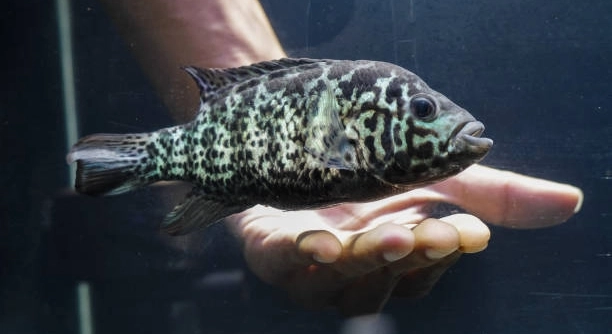
Jack Dempsey fish are beautiful and striking, but they can often show signs of loneliness in their tanks. Many owners notice their fish hiding, acting withdrawn, or refusing interaction, which can be concerning for anyone caring for them.
Loneliness in Jack Dempsey fish typically stems from inadequate social interaction, improper tank size, or incompatible tank mates. Ensuring an appropriate environment, proper companionship, and enrichment activities is essential to maintain their mental and physical well-being.
Addressing these factors early will improve your fish’s behavior and help them thrive in a healthier, more stimulating environment.
Small Tank Size
A small tank can make your Jack Dempsey feel confined and stressed. These fish are naturally territorial and need ample space to swim and explore. A cramped environment limits their movement, causing boredom and loneliness. When they cannot establish territories or hide when needed, their behavior often becomes withdrawn. They may stop interacting with other tank mates, hide behind decorations, or linger in corners. Over time, a tank that is too small can also lead to health issues, such as stunted growth or weakened immune systems. Providing at least a 55-gallon tank for one Jack Dempsey ensures enough room for swimming and reduces stress levels. Adding hiding spots and visual barriers can further improve their comfort. Observing how your fish uses the space can help you determine whether the tank meets its needs, allowing for adjustments that keep it active and engaged. Proper space is the foundation for a happy, well-adjusted fish.
A spacious tank allows your Jack Dempsey to display natural behaviors and reduces signs of loneliness effectively.
Adding decor, caves, and plants gives your fish areas to explore and claim, enhancing comfort and engagement in its environment.
Incompatible Tank Mates
Placing Jack Dempseys with incompatible tank mates can increase stress and isolation. Aggressive or overly timid fish can prevent them from feeling secure, reducing interaction and leading to loneliness.
Tank mates need to be chosen carefully to ensure compatibility in size, temperament, and activity level. Aggressive species can harass your Jack Dempsey, while very shy fish may hide constantly, discouraging any social behavior. Observing the interactions early is critical to preventing long-term stress. Introducing fish gradually and monitoring their reactions helps identify issues before they escalate. Some compatible species include larger cichlids or robust tank mates that can handle the Jack Dempsey’s assertiveness without causing harm. Separation using dividers can also help if conflicts arise, allowing both parties to adjust safely. By selecting the right companions and ensuring everyone has enough space, your fish will feel more secure, active, and less isolated in the tank. Proper tank planning ensures a peaceful environment where each fish can thrive, minimizing loneliness effectively.
Lack of Hiding Spots
Jack Dempseys need places to retreat and feel secure. Without hiding spots, they can become stressed and withdrawn, which contributes to loneliness in the tank.
Providing caves, rocks, or dense plants creates natural hiding areas where your fish can rest safely. These spaces allow them to establish territories and reduce stress. When Jack Dempseys feel threatened or exposed, they may hide constantly or act aggressively, which affects their social behavior. Using a variety of decorations ensures there are multiple zones for retreat and exploration, helping your fish feel more comfortable in different parts of the tank. Observing how your fish uses these areas can guide adjustments to the layout for optimal engagement. Proper hiding spots also improve overall tank dynamics, reducing conflict with other fish and promoting healthier activity levels.
Adding several small caves or plant clusters encourages exploration and reduces stress for a more active fish.
Careful placement of decorations can prevent territorial disputes, allowing each Jack Dempsey to claim its own space. Thoughtful design enhances natural behavior and encourages movement, which combats isolation. Over time, the fish will interact more confidently with its surroundings and any compatible tank mates, improving both physical health and mental stimulation. Rotating or rearranging decorations occasionally can also renew interest in the environment, preventing boredom and supporting a balanced, enriched tank. A well-planned layout directly impacts the fish’s happiness, providing security while fostering natural behaviors.
Poor Water Quality
Dirty or unstable water conditions make Jack Dempseys stressed and withdrawn. Regular maintenance is essential to prevent loneliness caused by discomfort or illness.
Maintaining consistent water parameters is key. High ammonia, nitrite, or nitrate levels can irritate fish, making them less active and more isolated. Frequent water changes, proper filtration, and monitoring of pH, temperature, and hardness are critical. Sudden changes in water conditions may trigger hiding or aggressive behavior, discouraging social interaction. A stable environment encourages healthy movement, feeding, and exploration. Keeping the tank clean also reduces the risk of disease, which can make fish lethargic and withdrawn. Investing time in monitoring and adjusting water quality creates a safer, more comfortable environment. Healthy water conditions directly improve the fish’s mood, energy levels, and willingness to engage.
Routine testing, partial water changes, and filter maintenance help Jack Dempseys stay active and interactive.
Overcrowding
Too many fish in the tank increases stress and prevents Jack Dempseys from establishing territories. Overcrowding leads to aggression, hiding, and social withdrawal.
Providing enough space for each fish reduces tension. When territories are respected, Jack Dempseys can explore and interact without fear, improving overall activity and well-being.
Lack of Enrichment
Jack Dempseys need stimulation to stay active. A tank without enrichment can make them bored and withdrawn. Adding rocks, plants, or decorations encourages exploration, keeps them engaged, and promotes natural behaviors, helping reduce signs of loneliness and stress.
Inconsistent Feeding
Irregular feeding schedules can affect Jack Dempseys’ behavior. Skipping meals or feeding at inconsistent times may lead to stress, reduced activity, and withdrawal from other fish or their environment.
Stress from Bright Lighting
Bright, constant lighting can make Jack Dempseys uneasy. They prefer dimmer areas or shaded spots in the tank to feel secure and comfortable.
FAQ
Why does my Jack Dempsey hide all the time?
Hiding is a natural behavior for Jack Dempseys, but constant hiding often indicates stress, loneliness, or discomfort. Lack of hiding spots, incompatible tank mates, or sudden changes in water quality can make them feel unsafe. Adding caves, plants, or shaded areas gives your fish secure spaces to retreat while allowing them to explore without fear.
Can Jack Dempseys be kept alone?
Yes, Jack Dempseys can live alone, but they still need stimulation. Without tank mates or enrichment, they may become bored and withdrawn. Providing a large tank with hiding spots, decorations, and occasional rearrangements helps them stay active and engaged. Solo setups require careful attention to water quality and enrichment to prevent loneliness.
How many Jack Dempseys can live together?
Tank size and temperament determine how many Jack Dempseys can live together. A minimum of 55 gallons is needed for one fish. For multiple fish, each additional Jack Dempsey requires at least 20-30 gallons of extra space. Avoid overcrowding, and provide visual barriers and hiding spots to reduce aggression. Observing interactions early can prevent long-term stress.
What are signs my Jack Dempsey is lonely?
Lonely Jack Dempseys may hide frequently, show little interest in food, or appear lethargic. They may also act aggressively toward tank mates or decorations due to frustration. Reduced exploration and avoidance of other fish or areas of the tank are common. Monitoring behavior and making environmental adjustments can improve activity and engagement.
Can I keep Jack Dempseys with other fish?
Yes, but choose compatible species carefully. Avoid very small, timid, or highly aggressive fish. Suitable tank mates include larger cichlids or other robust fish that can handle the Jack Dempsey’s assertiveness. Gradually introducing new fish and providing enough space reduces stress and prevents loneliness.
How often should I feed my Jack Dempsey?
Feed adult Jack Dempseys once or twice daily, providing only what they can eat in a few minutes. Inconsistent feeding can stress them and reduce activity. Balanced meals with protein-rich foods, such as pellets, frozen, or live foods, help maintain energy and encourage natural foraging behavior, reducing signs of boredom.
Does tank decor matter for Jack Dempseys?
Absolutely. Rocks, caves, driftwood, and plants create hiding spots and visual barriers, helping fish feel secure. Decor also encourages exploration and natural behavior, reducing stress and loneliness. Rotating or rearranging decorations occasionally keeps the environment stimulating and prevents boredom.
How do I reduce aggression in a Jack Dempsey tank?
Aggression often stems from overcrowding, incompatible tank mates, or lack of hiding spots. Provide adequate space, visual barriers, and enrichment. Monitor fish closely and separate aggressive individuals if needed. Maintaining stable water conditions and a consistent routine also helps reduce stress-driven aggression.
Can lighting affect Jack Dempsey behavior?
Yes. Bright, constant lighting can make them uneasy. Dim lighting, shaded areas, and hiding spots help them feel secure. Adjusting light cycles gradually supports natural activity patterns and reduces stress-induced withdrawal.
What is the best tank setup for a happy Jack Dempsey?
A 55-gallon minimum tank with stable water conditions, hiding spots, proper filtration, and enrichment items creates a comfortable environment. Compatible tank mates, consistent feeding, and occasional rearrangement of decorations keep the fish active and engaged. Monitoring behavior regularly ensures they remain healthy and social.
How can I tell if my Jack Dempsey is stressed?
Stress signs include hiding, loss of appetite, lethargy, rapid gill movement, and aggression toward other fish. Stress often results from poor water quality, overcrowding, bright lighting, or incompatible tank mates. Addressing the cause promptly improves both mental and physical health.
Are Jack Dempseys active at night?
They are primarily diurnal but may explore at dusk. Providing shaded areas allows for natural resting periods. Maintaining a regular light cycle encourages activity during the day and rest at night, supporting their overall well-being.
Is water temperature important for Jack Dempseys?
Yes. Ideal water temperature ranges between 74°F and 81°F. Sudden fluctuations can stress the fish and reduce activity. Using a reliable heater and monitoring the temperature regularly helps maintain a stable environment.
Can rearranging the tank help with loneliness?
Yes. Changing decorations or adding new enrichment encourages exploration and engagement. Rearranging creates new territories and prevents boredom, helping your Jack Dempsey feel more active and less isolated.
How long does it take for a Jack Dempsey to adjust to a new tank?
Adjustment usually takes a few days to a week. During this time, they may hide frequently or act withdrawn. Providing hiding spots, stable water conditions, and a calm environment supports quicker acclimation and reduces stress.
Can Jack Dempseys recognize their owners?
While they don’t form attachments like mammals, they can recognize feeding routines and movement patterns. Regular, gentle interaction helps them feel secure and encourages activity around familiar sights and sounds.
Are live plants necessary for Jack Dempseys?
Not necessary, but live plants improve water quality, provide hiding spots, and encourage exploration. They also create a more natural environment, which reduces stress and supports healthy behavior. Artificial plants can serve a similar purpose if maintained properly.
How do I prevent loneliness in a single Jack Dempsey tank?
Provide enrichment, hiding spots, and a stable environment. Regular monitoring, proper feeding, and maintaining water quality are essential. Occasional rearrangement of decorations and introducing stimuli, like floating objects or new decor, keeps them engaged and active.
Can stress affect the health of my Jack Dempsey?
Yes. Chronic stress can weaken the immune system, reduce appetite, and increase susceptibility to disease. Addressing environmental issues, providing enrichment, and maintaining water quality are critical to prevent stress-related health problems.
How can I tell if my Jack Dempsey is happy?
A happy Jack Dempsey is active, explores the tank, interacts with hiding spots, eats well, and shows normal coloration. Reduced hiding, confident swimming, and engagement with tank mates indicate a content and stimulated fish.
What food types keep Jack Dempseys healthy and active?
High-protein pellets, frozen or live foods, and occasional vegetables provide balanced nutrition. Rotating food types encourages natural foraging, keeps them engaged, and prevents boredom, contributing to overall activity and well-being.
How often should I clean the tank to prevent stress?
Partial water changes weekly or biweekly, combined with filter maintenance, keep water parameters stable. Clean substrate and decor reduce toxins. Consistent upkeep prevents stress and supports both physical and mental health.
Are Jack Dempseys territorial?
Yes. They establish territories, especially during breeding. Providing visual barriers, hiding spots, and sufficient space reduces conflict and prevents isolation or aggression toward other fish. Proper territory management is key to a peaceful and engaging tank.
Can Jack Dempseys coexist with smaller fish?
Smaller fish are at risk of aggression or being eaten. Choosing tank mates of similar size and temperament is safer. Proper space, enrichment, and monitoring interactions reduce stress and loneliness.
Does temperature or pH affect behavior?
Yes. Unstable temperature or pH can cause hiding, lethargy, or aggression. Maintaining consistent conditions supports normal activity, reduces stress, and prevents isolation or withdrawal behaviors.
How do I know if a new fish is compatible?
Observe behavior during introduction. Compatible fish tolerate each other, maintain distance without constant aggression, and share similar activity levels. Gradual introductions and visual barriers help ensure a smooth adjustment.
Can loneliness affect breeding behavior?
Yes. A stressed or isolated Jack Dempsey may avoid mating or caring for eggs. Proper tank setup, compatible mates, and reduced stress encourage natural breeding behaviors and healthy interactions.
How long can Jack Dempseys live in a properly maintained tank?
With proper care, they can live 8-10 years or longer. Stable water conditions, enrichment, compatible tank mates, and balanced nutrition are essential for long-term health and activity.
What’s the best way to introduce enrichment?
Add one or two new items at a time, such as caves, driftwood, or floating objects. Monitor how your fish interacts with them and rearrange occasionally to maintain interest. Gradual introduction prevents stress while encouraging exploration.
Can Jack Dempseys recognize feeding schedules?
Yes. They learn routines and may become active around feeding times. Consistent schedules reduce stress and provide mental stimulation, keeping them engaged and responsive.
Are Jack Dempseys social with humans?
They may respond to movement and feeding but do not form bonds like mammals. Gentle, consistent interaction can encourage curiosity and activity, reducing signs of loneliness.
How do I prevent boredom in a Jack Dempsey tank?
Provide hiding spots, varied decor, live or artificial plants, and occasional rearrangement. Regular feeding routines, enrichment, and monitoring behavior keep them engaged and active. Variety and stimulation are key to preventing loneliness.
What should I do if my Jack Dempsey is aggressive?
Assess tank size, hiding spots, water quality, and tank mates. Separate if needed, provide enrichment, and maintain stable conditions. Observing behavior and adjusting the environment helps reduce stress-driven aggression effectively.
Can I add decorations without stressing my fish?
Yes. Introduce items gradually, allow the fish to adjust, and ensure they have hiding spots. Gradual changes prevent sudden stress and encourage exploration.
How do I know if water parameters are suitable?
Use a reliable test kit to monitor ammonia, nitrites, nitrates, pH, and temperature regularly. Stable readings indicate a safe environment that supports active, healthy fish.
Is tank lighting important for mood?
Yes. Too bright lighting can stress them, while dim or shaded areas promote comfort. A regular light cycle supports natural activity patterns and reduces withdrawal.
Can enrichment prevent loneliness entirely?
It helps significantly but cannot replace compatible tank mates for social interaction. Combined with proper tank size, hiding spots, and stable conditions, enrichment reduces stress and promotes active behavior.
How do I maintain a healthy environment long-term?
Regular water changes, consistent feeding, compatible tank mates, enrichment, and monitoring behavior ensure a stable, engaging habitat. Attention to these factors prevents stress, boredom, and loneliness.
Can Jack Dempseys change behavior as they age?
Yes. Older fish may become less active, more territorial, or selective about hiding spots. Adjusting the tank setup and monitoring interactions helps maintain engagement and comfort throughout their life.
What is the ideal pH for Jack Dempseys?
A pH between 6.5 and 8.0 is ideal. Stable pH prevents stress, supports normal activity, and reduces withdrawal or aggressive behavior.
Do Jack Dempseys need a specific water hardness?
Moderate hardness is suitable, typically between 8–12 dGH. Consistency prevents stress and supports overall health, reducing withdrawal and inactivity.
How can I tell if my tank is too small?
If fish constantly hide, show aggression, or cannot swim freely, the tank is likely undersized. Observing behavior and providing a larger tank improves activity and reduces stress.
What are the easiest ways to enrich a Jack Dempsey tank?
Add caves, rocks, plants, floating objects, and rearrange decor periodically. Introduce safe stimuli gradually to prevent stress while encouraging exploration and activity.
Can Jack Dempseys learn from observation?
They respond to routines, feeding patterns, and movement in the tank. Consistent interaction helps them feel secure and promotes engagement.
Do Jack Dempseys like plants?
Yes. Plants provide hiding spots, enrich the environment, and encourage exploration. Live or artificial plants reduce stress and help prevent boredom.
How do I balance social interaction and alone time?
Provide hiding spots and visual barriers, allow exploration, and monitor behavior. Respecting their need for retreat prevents stress and promotes healthy social engagement.
How often should I monitor tank conditions?
Daily observation and weekly testing of water parameters ensure stability. Quick adjustments prevent stress, support health, and reduce loneliness.
Can rearranging the tank reduce aggression?
Yes. Changing territories and adding barriers can break up established conflicts, reduce stress, and encourage more balanced interactions.
Do Jack Dempseys need enrichment even with tank mates?
Yes. Even with companions, enrichment encourages natural behavior, exploration, and activity, preventing boredom and promoting mental stimulation.
Is it normal for Jack Dempseys to hide after adding new fish?
Yes. They need time to adjust to new tank mates. Providing hiding spots and stable conditions helps them feel secure and reduces stress.
How can I tell if my Jack Dempsey is bored?
Signs include lethargy, hiding, reduced interaction, or repetitive swimming patterns. Adding enrichment, rearranging decor, and monitoring activity can re-engage your fish.
What foods encourage natural foraging behavior?
Pellets, frozen or live foods, and occasional vegetables stimulate foraging, keep them active, and prevent boredom. Rotating food types enhances interest and engagement.
How can I help a stressed Jack Dempsey feel secure?
Provide hiding spots, stable water, compatible tank mates, and enrichment. Gradual changes in the environment and consistent feeding reduce stress and encourage natural activity.
Are Jack Dempseys sensitive to noise or vibrations?
Yes. Loud or sudden vibrations can stress them, leading to hiding or withdrawal. Keep the tank in a stable, calm location to minimize disturbance.
Can adding new fish cause loneliness in existing Jack Dempseys?
Yes, if the new fish are incompatible or overcrowd the tank. Careful selection, gradual introduction, and adequate space prevent isolation or aggression.
How do I know if my Jack Dempsey is happy with its environment?
Active swimming, exploring, regular feeding, confident behavior, and interaction with hiding spots indicate a comfortable, stress-free environment.
What are simple enrichment ideas for Jack Dempseys?
Caves, rocks, plants, floating objects, and occasional decor rearrangement keep them active. Rotating items prevents boredom and encourages exploration.
How can I prevent stress when adding new tank mates?
Introduce gradually, use dividers if needed, provide hiding spots, and monitor behavior closely. Stable water conditions and sufficient space reduce stress.
Does water clarity affect behavior?
Yes. Dirty or cloudy water can cause stress, hiding, and reduced activity. Regular maintenance and filtration support a healthy, engaging environment.
Can Jack Dempseys get lonely even in a large tank?
Yes. Without enrichment, hiding spots, or compatible companions, a large tank alone isn’t enough to prevent withdrawal or boredom. Engagement is key.
Are Jack Dempseys more active during certain times of day?
They are mostly active during daylight hours. Maintaining a regular light cycle encourages natural behavior and healthy activity patterns.
Is it normal for Jack Dempseys to hide when new decorations are added?
Yes. Gradual introduction allows them to adjust. Hiding is normal, but confidence returns with familiarization and secure spots.
How do I encourage exploration in my Jack Dempsey?
Add new hiding spots, rearrange decor, provide varied terrain, and introduce safe objects. Gradual changes stimulate curiosity and prevent boredom.
Can Jack Dempseys become aggressive if lonely?
Yes. Loneliness or boredom may trigger aggression toward tank mates or decorations. Providing enrichment, hiding spots, and compatible companions reduces this behavior.
What is the most important factor for preventing loneliness?
A combination of proper tank size, hiding spots, compatible tank mates, stable water conditions, enrichment, and consistent care keeps Jack Dempseys active, engaged, and less stressed.
How do I monitor mental health in my fish?
Observe behavior, activity, feeding, and interaction with the environment. Changes in normal patterns can indicate stress, boredom, or loneliness, guiding adjustments for a healthier habitat.
Are Jack Dempseys sensitive to sudden changes in their tank?
Yes. Sudden changes in water, lighting, or tank layout can cause hiding, stress, or aggression. Gradual adjustments help maintain stability and comfort.
Can loneliness affect coloration?
Stress and withdrawal can dull coloration over time. Proper environment, enrichment, and social conditions help maintain vibrant colors.
How can I reintroduce activity to a withdrawn fish?
Provide enrichment, rearrange decorations, offer hiding spots, maintain water quality, and monitor behavior. Gradual, consistent stimulation encourages exploration and interaction.
Do Jack Dempseys need a varied diet for mental stimulation?
Yes. Offering different food types encourages foraging, keeps them active, and reduces boredom, supporting overall well-being.
Can water temperature swings increase loneliness?
Yes. Sudden fluctuations stress the fish, leading to hiding, reduced interaction, and withdrawal. Stable temperatures promote comfort and engagement.
What is the best way to acclimate new tank mates?
Introduce gradually, monitor behavior, provide hiding spots, and ensure compatible species. Proper acclimation prevents stress and isolation.
Are Jack Dempseys sensitive to vibrations from outside the tank?
Yes. Sudden movement or vibrations can cause hiding or stress. Place the tank in a stable, quiet location.
How do I know if my Jack Dempsey is stressed from aggression?
Signs include chasing, biting, hiding, loss of appetite, or erratic swimming. Adjusting tank layout, separating fish, or adding hiding spots reduces tension.
Can rearranging decorations improve activity levels?
Yes. Changing the environment encourages exploration, mental stimulation, and natural behaviors, reducing withdrawal and loneliness.
How often should I check for signs of loneliness?
Daily observation of behavior, interaction, and activity ensures early detection of stress, boredom, or isolation, allowing for timely adjustments.
Do Jack Dempseys benefit from visual barriers?
Yes. Rocks, plants, and caves create territories and reduce stress, aggression, and isolation, supporting mental stimulation.
Can frequent handling stress Jack Dempseys?
Yes. Minimal handling is best. They respond better to environmental enrichment and stable routines rather than physical interaction.
How do I prevent territorial disputes?
Provide sufficient space, hiding spots, visual barriers, and compatible tank mates. Gradual introductions and careful monitoring reduce conflict and stress.
Can poor water flow cause stress?
Yes. Strong currents or stagnant areas can make Jack Dempseys uncomfortable, reducing exploration and interaction. Proper filtration and flow management improve activity.
How long should new tank mates be quarantined?
At least 2-3 weeks. Quarantine prevents disease and allows observation of behavior before introducing them to the main tank, reducing stress.
Is a lid necessary for a Jack Dempsey tank?
Yes. They can jump
Jack Dempsey fish are remarkable creatures with strong personalities, but their well-being depends heavily on the environment we provide. They require adequate space, consistent water conditions, and proper nutrition to stay healthy and active. Tanks that are too small, overcrowded, or lacking hiding spots can make them withdrawn or stressed. Even if a fish appears to be hiding or inactive, it often signals that adjustments are needed in the tank setup. Observing their behavior carefully can reveal whether they feel comfortable, secure, and stimulated. Providing areas to explore, retreat, and claim as territory helps reduce stress and encourages more natural behaviors. This attention to detail ensures that your Jack Dempsey can thrive physically and mentally over time, rather than simply surviving in the tank.
Social interaction and enrichment are equally important for maintaining a happy Jack Dempsey. These fish may be territorial, but they still benefit from visual stimulation, companions that are compatible, and environmental enrichment. Adding rocks, caves, plants, and rearranging decorations periodically can help prevent boredom and make the tank more engaging. A well-planned tank setup allows them to explore, establish territories, and interact without feeling threatened or isolated. Proper feeding schedules and variety in their diet also support both mental and physical health. While some Jack Dempseys can live alone, enrichment and stimulation are critical to prevent loneliness and promote activity. By combining these elements—space, tank mates, hiding spots, enrichment, and consistent care—you create an environment that meets their natural needs and encourages a confident, active, and healthy fish.
Maintaining a Jack Dempsey fish involves ongoing attention and observation. Regular water testing, filter maintenance, and monitoring of temperature and pH levels are necessary to ensure a stable, comfortable environment. Small adjustments, like rearranging decorations, adding new hiding spots, or introducing compatible tank mates, can make a significant difference in their behavior and overall happiness. Observing how they respond to these changes helps guide further improvements in the tank setup. Ultimately, the goal is to provide an environment that balances security, stimulation, and social opportunity. When these factors are addressed, Jack Dempseys show more natural behavior, remain active, and are less likely to display signs of loneliness or stress. Investing time and care into the tank not only benefits the fish’s health but also makes the experience of keeping them more rewarding and enjoyable for the owner. A thoughtful approach ensures that these beautiful fish live full, engaging lives in a well-maintained and enriching environment.

Hello,
If you enjoy the content that we create, please consider saying a "Thank You!" by leaving a tip.
Every little bit helps us continue crafting quality advice that supports the health, happiness, and well-being of pets around the world, for pets of all shapes, sizes, and species.
We really appreciate the kindness and support that you show us!