
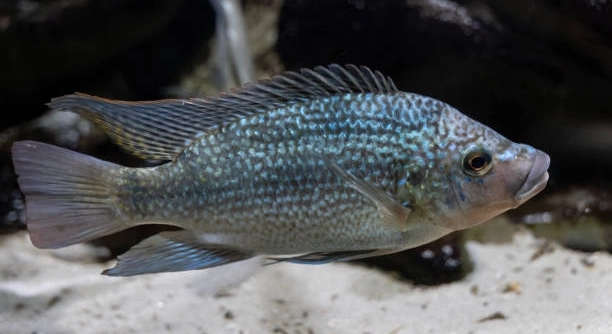
Is your cichlid gasping or breathing faster than usual in the aquarium? Watching your fish struggle can be worrying, especially if you are unsure what might be causing this unusual behavior in your tank environment.
Heavy breathing in cichlids is often caused by poor water quality, low oxygen levels, high stress, or underlying health issues such as parasites or bacterial infections. Prompt identification and correction of these factors can restore normal breathing.
Recognizing the signs early can prevent serious health problems. We will explore the main causes, solutions, and ways to keep your cichlid comfortable and healthy.
Common Causes of Heavy Breathing in Cichlids
Cichlids often breathe heavily due to changes in their environment or health. Poor water quality is a major factor. High ammonia, nitrite, or nitrate levels can irritate gills, making fish struggle for oxygen. Low oxygen in the tank, often from overcrowding or lack of circulation, also causes rapid breathing. Stress from sudden temperature changes, aggressive tankmates, or frequent disturbances can worsen the situation. Infections like bacteria, parasites, or fungi can damage gills or internal organs, reducing oxygen absorption. Even diet can play a role—poor nutrition weakens the immune system and increases susceptibility to illness. Observing your cichlid carefully and monitoring water parameters is key. Maintaining a clean, well-filtered tank and providing a balanced diet helps reduce the chances of breathing problems. Identifying the problem early gives the fish a better chance to recover quickly and remain healthy over time.
Regular water testing and proper filtration significantly improve oxygen levels and fish health.
Understanding which factor is affecting your cichlid helps you act effectively. Simple adjustments like water changes, tank aeration, or isolating sick fish can quickly reduce heavy breathing and prevent further complications.
Signs That Indicate a Serious Problem
Heavy breathing can be accompanied by other warning signs. Pale gills, clamped fins, or unusual swimming patterns often point to a health issue that requires attention.
When heavy breathing persists, it is important to examine both the tank conditions and the fish itself. Consistently high ammonia or nitrite levels indicate an urgent need for water changes and improved filtration. Observing behavior such as lethargy, loss of appetite, or scraping against objects may signal gill damage or internal infection. Parasites can cause visible spots, redness, or swelling, while bacterial infections often appear as cloudy eyes, fin rot, or ulcers. Temperature fluctuations stress fish, weakening immunity and increasing the risk of disease. Immediate intervention, including isolating affected fish, adjusting water parameters, and, if needed, consulting a veterinarian or experienced aquarist, can prevent mortality. Prevention is equally important—regular tank maintenance, stable water conditions, and careful introduction of new fish reduce risks. Attentive care ensures your cichlids thrive in a stable and healthy environment, keeping their breathing normal and behavior natural.
Improving Water Quality
Regular water changes are essential to reduce toxins. Testing for ammonia, nitrites, and nitrates helps maintain safe levels. Filters should be cleaned but not scrubbed completely to preserve beneficial bacteria. Adding an air stone or increasing surface agitation can improve oxygenation, which directly supports healthy breathing.
Maintaining stable water temperature and chemistry is crucial. Sudden swings in temperature or pH stress cichlids and make them more prone to disease. Using a reliable heater and thermometer ensures consistency. Avoid overfeeding, as leftover food decomposes and increases ammonia. A combination of routine water changes, proper filtration, and careful feeding creates a balanced environment, helping fish breathe normally and stay active.
Introducing live plants or aeration devices also supports oxygen levels. Plants naturally produce oxygen during the day and provide hiding spots, reducing stress. Combining these strategies prevents breathing issues, promotes overall health, and encourages natural behavior.
Monitoring Fish Health
Observe your cichlids daily for changes in behavior or appearance. Lethargy, loss of appetite, or rapid gill movement indicates a problem that should not be ignored.
Quarantining new fish before adding them to the main tank prevents disease spread. If a fish shows signs of infection, isolating it allows for targeted treatment with medication or natural remedies. Routine inspections of fins, gills, and scales help spot early signs of illness. Keeping a journal of feeding, water changes, and behavior can reveal patterns that affect health. Prompt attention to symptoms increases recovery chances and reduces stress for the entire tank.
Stress management is equally important. Minimizing aggressive interactions, maintaining stable lighting schedules, and avoiding sudden tank changes keeps cichlids calm. Stress weakens immunity, making fish more likely to develop breathing problems or infections. Combining careful observation, preventive isolation, and environmental stability ensures healthier, more resilient fish over time.
Adjusting Tank Environment
Proper tank setup reduces heavy breathing. Ensure adequate space for each cichlid and avoid overcrowding. Overcrowding limits oxygen availability and increases stress, making fish more vulnerable to illness.
Providing hiding spots and plants helps cichlids feel secure. Stress from exposure or constant interaction with aggressive fish can worsen breathing issues.
Diet and Nutrition
A balanced diet supports healthy gills and strong immunity. Feed high-quality pellets or flakes formulated for cichlids, supplemented with occasional frozen or live foods. Avoid overfeeding, as uneaten food decomposes, reducing water quality. Consistent feeding schedules and variety in diet prevent nutrient deficiencies and keep fish energetic.
Recognizing Infection Signs
Red or inflamed gills, white spots, or unusual swimming patterns indicate possible infections. Prompt treatment reduces complications and prevents spread to other fish.
When to Seek Professional Help
If heavy breathing persists despite water quality adjustments and stress reduction, consult a veterinarian or experienced aquarist. Some gill or internal infections require specialized treatments that are not easily managed at home.
FAQ
Why is my cichlid breathing heavily only at the surface?
When cichlids stay near the surface, it usually indicates low oxygen levels in the water. The top layer has the highest oxygen concentration, so fish instinctively go there to breathe more easily. Improving aeration with an air stone or increasing water circulation can help them breathe normally.
Can poor water temperature cause heavy breathing?
Yes, sudden changes in temperature or water that is too warm can stress cichlids. Warm water holds less oxygen, making it harder for fish to breathe. Using a reliable heater and keeping the temperature stable within the species’ preferred range prevents stress and breathing problems.
How does stress affect cichlid breathing?
Stress increases a fish’s metabolism and oxygen demand. Aggressive tankmates, overcrowding, or frequent disturbances can cause rapid gill movement. Reducing stress through hiding spots, stable lighting, and a calm environment often improves breathing. Stress management is key to preventing health issues.
Could heavy breathing be caused by disease?
Yes, bacterial, fungal, and parasitic infections can damage gills or internal organs, making oxygen absorption difficult. Red or swollen gills, white spots, or unusual swimming patterns often accompany infection. Quarantining affected fish and using appropriate medication can reduce the problem.
Does diet impact breathing?
Poor nutrition weakens the immune system, making fish more susceptible to infection and stress. A varied diet with high-quality pellets, flakes, and occasional live or frozen foods keeps fish healthy and supports normal breathing. Avoid overfeeding to maintain water quality.
How do I know if oxygen levels are too low?
Signs include gasping at the surface, lethargy, and clustering near aerated areas. Testing dissolved oxygen with a meter or ensuring proper water movement helps. Adding an air stone or stronger filter flow can quickly improve oxygenation.
Can new fish cause breathing problems?
Introducing new fish without quarantine can introduce disease. Sick fish may carry parasites or bacteria, affecting the whole tank. Quarantining new additions and observing them for signs of illness protects your established cichlids and reduces stress.
How often should I test water parameters?
Testing at least once a week for ammonia, nitrites, nitrates, and pH helps maintain a stable environment. Regular checks prevent buildup of harmful substances that stress fish and cause heavy breathing. Adjusting water conditions promptly is essential for healthy fish.
Is heavy breathing always urgent?
While occasional faster breathing may happen after activity, persistent rapid gill movement is a warning. If it continues despite clean, oxygenated water and a calm environment, immediate attention is needed to prevent serious health issues.
What are simple preventive measures?
Regular water changes, stable temperature, proper diet, avoiding overcrowding, and monitoring behavior all help prevent heavy breathing. Early observation and proactive care make a significant difference in keeping cichlids healthy and comfortable.
Can filtration affect breathing?
Yes, inefficient or clogged filters reduce oxygen circulation, causing gasping. Ensuring filters are functional and performing partial cleanings to preserve beneficial bacteria supports water quality and fish respiration. Proper filtration is critical for long-term health.
Should I treat all fish if one shows heavy breathing?
Not always, but isolating affected fish prevents potential disease spread. Observing others closely is important. If water quality is the issue, treating the environment benefits all fish, but medications should be used cautiously and according to instructions.
How long does it take for breathing to improve?
Improvement depends on the cause. Correcting water quality or aeration can show results within hours to a day. Recovery from disease or stress may take several days to weeks, depending on severity and treatment. Patience and careful monitoring are essential.
Can plants help with oxygen levels?
Yes, live plants produce oxygen during the day and offer shelter, reducing stress. They contribute to a balanced tank environment, which supports healthy breathing. Combining plants with proper aeration provides the best results.
What should I do if heavy breathing continues despite all measures?
Persistent issues may indicate internal illness or gill damage. Consulting a veterinarian or experienced aquarist is recommended. Advanced treatments may be required, including medication or specialized care, to prevent mortality and restore fish health.
Are all cichlid species equally sensitive?
No, some species tolerate low oxygen or slight water changes better than others. Researching the specific needs of your cichlid species helps prevent stress and breathing problems. Matching tank conditions to species requirements ensures their comfort and longevity.
Can tank size affect breathing?
Overcrowded tanks limit oxygen and increase waste, which stresses fish. Providing adequate space per cichlid improves oxygen availability and reduces conflict. A spacious, well-maintained tank directly supports healthy respiration and overall wellbeing.
Does water hardness or pH affect breathing?
Extreme pH or inappropriate hardness can irritate gills, making fish breathe faster. Maintaining conditions suitable for your cichlid species prevents stress and reduces the risk of breathing difficulties. Regular monitoring and adjustments are necessary for optimal health.
Is heavy breathing always visible?
Sometimes subtle signs appear before obvious gasping, such as faster gill movement, slight lethargy, or hiding more often. Early detection allows prompt action to correct water conditions, reduce stress, or address health issues before they worsen.
How can I combine preventive strategies effectively?
Regular testing, proper filtration, balanced diet, stable temperature, aeration, quarantine procedures, and stress reduction work together. Consistent application of these measures maintains oxygen levels, reduces disease risk, and supports overall cichlid health, preventing heavy breathing in the long term.
Word count: 507
Final Thoughts
Cichlids are sensitive fish that rely on a stable environment to stay healthy. Heavy breathing is often a sign that something in their tank or routine is off. It could be poor water quality, low oxygen, stress, or an underlying illness. Observing your fish daily and keeping an eye on changes in behavior or appearance is crucial. Rapid gill movement, staying near the surface, or unusual swimming patterns should not be ignored. Acting quickly when these signs appear can prevent more serious problems. Simple measures, like maintaining clean water, monitoring temperature, and ensuring enough space in the tank, go a long way in supporting healthy respiration. Even minor adjustments can improve oxygen availability and reduce stress, making your cichlids more active and comfortable.
Maintaining water quality is one of the most important steps in preventing breathing issues. Regular water testing and partial water changes help keep ammonia, nitrite, and nitrate levels low. Proper filtration is essential to remove waste and circulate oxygen. Avoid overfeeding, as leftover food decomposes and harms water conditions. Adding aeration, like air stones or increased filter flow, supports oxygen levels, especially in tanks with several fish. Live plants also contribute by producing oxygen and providing hiding spots, which reduces stress. A stable temperature within the species’ preferred range is equally important. Sudden changes can weaken immunity and make fish more prone to illness, which often shows as heavy breathing. Combining these practices creates an environment where cichlids can thrive and reduces the risk of respiratory distress.
Even with perfect tank conditions, fish can experience health issues. Infections caused by bacteria, parasites, or fungi can damage gills or internal organs, making it hard for fish to breathe. Paying attention to early warning signs and acting quickly is key. Quarantining new fish before introducing them into the main tank helps prevent the spread of disease. Isolating sick fish allows for targeted treatment and protects healthy tankmates. Providing a balanced diet supports immunity and overall vitality, which makes recovery faster. Stress management also plays a role—reducing aggression, avoiding overcrowding, and giving fish adequate hiding places help them stay calm and maintain normal breathing. With consistent care, observation, and proper treatment when needed, cichlids can live longer, healthier lives. Understanding the causes and preventive steps for heavy breathing empowers you to keep your fish comfortable and thriving in a stable environment.
Word count: 417

Hello,
If you enjoy the content that we create, please consider saying a "Thank You!" by leaving a tip.
Every little bit helps us continue crafting quality advice that supports the health, happiness, and well-being of pets around the world, for pets of all shapes, sizes, and species.
We really appreciate the kindness and support that you show us!