
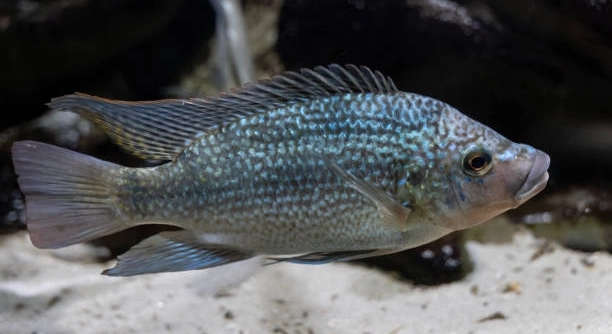
Convict cichlids are lively fish that can add energy to any freshwater tank. Observing their behavior and habitat choices can be both entertaining and informative for any aquarist. Their preferences often shape how their tank is set up.
Convict cichlids generally show a preference for sand over gravel. Sand allows easier digging and nesting, reducing the risk of injury to their delicate fins and mouths. It also mimics their natural riverbed habitats, promoting natural behaviors.
Knowing their substrate choice can improve both their comfort and tank management. Proper understanding of this behavior supports a healthier and more balanced aquarium environment.
Why Substrate Matters for Convict Cichlids
Choosing the right substrate for convict cichlids is more than just an aesthetic decision. Sand and gravel create very different environments for these fish. Sand allows them to dig, sift, and build small pits, which are natural behaviors. Gravel, on the other hand, can be rough on their fins and makes digging difficult. Fish that cannot dig may become stressed or less active. The substrate also affects water quality. Sand tends to trap fewer large particles, which can help keep the water cleaner, though it may require more careful vacuuming. Gravel allows water to flow between the stones, reducing anaerobic spots, but small food particles may get stuck and decompose. Overall, understanding the way convict cichlids interact with their substrate is essential to creating a tank where they can thrive. Observing how they dig and move gives insight into their preferences and comfort levels.
Sand supports natural behaviors and keeps cichlids more active while reducing fin injuries in the tank.
Using the right substrate changes tank maintenance and fish health. Sand makes it easier to replicate riverbed conditions and lets fish build nests or move small objects. Gravel may limit digging and trap food particles. Over time, this can affect water quality and stress levels. A tank that suits their needs encourages natural activity and reduces the risk of illness. Many aquarists notice a difference in temperament when they switch to sand, as the fish appear more confident and exploratory. Sand also helps young fry survive by offering a soft surface and hiding spots. Choosing the substrate with their behavior and safety in mind is crucial. Even small adjustments, like a shallow sand layer over gravel, can improve their environment. Paying attention to these details creates a healthier, more stable tank that the fish can enjoy over the long term.
Gravel vs Sand: Making the Choice
Gravel can look nice, but it often hinders natural digging. Sand offers more freedom for these behaviors.
For most convict cichlids, sand is the preferred substrate because it closely mimics their natural riverbed environment. In the wild, they are accustomed to soft, fine sediment where they can dig and sift for food. Sand allows them to create nests and small pits, which are important for breeding and establishing territory. Gravel, while easy to clean and decorative, can be rough and limit these natural actions. Fish may try to move gravel but often end up injuring their fins or getting frustrated. Using sand also affects water parameters, as it tends to prevent debris from getting stuck too deeply. This reduces harmful anaerobic zones and helps maintain stable conditions. For those keeping fry, sand offers a safer surface with fewer gaps where small fish can get trapped. Overall, sand provides a healthier, more natural environment, supports mental stimulation, and allows convict cichlids to express behaviors that keep them active and less stressed. It is a simple change that greatly improves both their comfort and long-term well-being.
Tips for Transitioning to Sand
Switching from gravel to sand should be gradual. Remove small amounts of gravel at a time and replace it with sand. Monitor water clarity and fish behavior closely during the process to reduce stress and maintain stability.
Start by adding a thin layer of sand over the existing gravel. This allows cichlids to get used to the new texture without disrupting their territory. Slowly increase the sand depth over several days or weeks. Keep an eye on their digging habits and make sure they are not overexerting themselves. Test water parameters regularly, as shifting substrate can stir up debris and affect ammonia or nitrite levels. Feeding may need slight adjustment to prevent food from sinking too deep into the sand. Patience and observation ensure a smooth transition.
After fully switching to sand, watch how your fish interact with it. Many start building pits, moving small particles, or showing increased activity. Keep cleaning gently to avoid disturbing their nests. Sand also allows for creative tank layouts with decorations and hiding spots that integrate naturally. Observe any changes in aggression or territorial behavior, as some may become more confident with the softer substrate. Small adjustments, like adding patches of gravel in corners, can provide variety and prevent boredom. Overall, a fully sanded tank encourages natural behaviors and reduces stress.
Maintaining Sand Substrate
Sand requires careful maintenance to prevent compacted spots and debris buildup. Stirring gently and using a siphon helps maintain cleanliness and water quality.
Regular maintenance ensures sand remains safe and functional for cichlids. Remove uneaten food and waste without disturbing nests or pits. Stir the sand lightly to prevent compacted layers, which can trap harmful gases. Use a siphon to clean the top layer while leaving deeper areas intact for fish activity. Avoid aggressive digging or vacuuming too deeply, as this can harm fry or eggs. Monitor water clarity and chemistry after cleaning, adjusting filtration if needed. Incorporating live plants or small decorations can reduce debris accumulation and enhance natural behaviors, keeping both the substrate and fish healthy.
Common Mistakes with Substrate
Using gravel too deep can trap debris and harm water quality. Avoid mixing sharp gravel with sand, as it can injure fins.
Not monitoring water after switching substrates is another mistake. Disturbing sand too aggressively can release waste, affecting ammonia and nitrite levels, which stresses fish.
Observing Fish Behavior
Convict cichlids are active diggers. They move sand to build pits and small nests. Watching these behaviors helps determine if the substrate suits them. Changes in activity or aggression often indicate discomfort or preference issues. Consistent observation allows for adjustments to the tank setup, improving overall fish health.
Choosing the Right Grain Size
Fine sand is best for convict cichlids. It allows easy digging, protects fins, and prevents food from getting trapped in large gaps.
FAQ
Do convict cichlids absolutely need sand?
Sand is not strictly required, but it is highly recommended. It allows natural digging and nesting behaviors that gravel cannot fully support. Fish kept on gravel may survive but can become less active or stressed over time, especially if they try to dig and injure themselves. Sand mimics their natural habitat more closely, supporting both physical and mental health.
Can I mix sand and gravel in the tank?
Yes, but it requires careful planning. A thin sand layer over gravel can work for transitional setups. Ensure gravel pieces are not sharp, as they can cut fins. Mixed substrates may create uneven digging experiences, so observe fish behavior to ensure they are comfortable. Gradual changes are key to minimizing stress.
How deep should sand be for convict cichlids?
A depth of about 2–3 inches is usually sufficient. This allows fish to dig pits and create small nests without compacting too heavily. Deeper sand can trap waste and cause anaerobic spots, while too shallow a layer may limit digging behavior and territorial displays. Proper depth balances comfort and maintenance.
Does sand affect water quality differently than gravel?
Yes. Sand tends to trap fewer large particles, reducing the risk of hidden debris. However, fine sand can compact and create low-oxygen areas if not stirred occasionally. Gravel allows water to flow more easily between stones but can trap food particles in gaps. Regular cleaning and monitoring of water parameters are essential for both substrates.
Will convict cichlids dig up plants in sand?
Often, yes. They are natural diggers, and live plants may be uprooted. Use sturdy plants with strong root systems, or consider planting in pots buried under the sand. Artificial plants can also provide hiding spots without being disturbed. Sand encourages their natural behavior, so expect rearrangements.
Can I use colored sand or decorative sand safely?
Yes, but ensure it is aquarium-safe and free of dyes that could leach into the water. Avoid sand that is too fine, sticky, or chemically treated. Natural or washed sand is best. Decorative sand should support fish behavior, not just aesthetics, so consider both safety and functionality.
Do baby convict cichlids prefer sand or gravel?
Sand is preferable for fry and juveniles. It provides a softer surface that reduces the risk of injury and allows them to hide easily. Gravel gaps can trap tiny fish or make it difficult for them to forage. Sand supports early survival and natural behavior development.
How often should I clean sand substrate?
Light cleaning every 1–2 weeks is usually sufficient. Stir the top layer gently to prevent compaction and remove debris. Avoid deep vacuuming that can disturb nests, eggs, or fry. Regular observation of waste accumulation and water clarity will guide maintenance frequency.
Will switching from gravel to sand stress my fish?
It can if done too quickly. Gradually replace gravel with sand over several days or weeks. Monitor water parameters and fish behavior closely. Adding sand in small increments allows them to adjust and reduces aggression or stress caused by a sudden change in their environment.
Does sand influence breeding behavior?
Yes. Sand encourages pit digging and nest building, which are essential for breeding. Gravel often inhibits these behaviors, potentially lowering reproductive success. A soft substrate allows both male and female cichlids to perform natural territorial and nesting activities, supporting healthier offspring and stronger pair bonds.
Can I combine substrate changes with decorations or rocks?
Yes, but be mindful of stability. Rocks should be heavy enough to stay in place, and decorations should not collapse into the sand. Create safe hiding spots and visual barriers while maintaining areas for digging. Observing fish interaction with both substrate and objects ensures a functional, stimulating tank environment.
Is rinsing sand necessary before adding it to the tank?
Always rinse sand thoroughly to remove dust and fine particles. This prevents clouding and initial spikes in ammonia from trapped debris. Rinsing also reduces the risk of harmful substances entering the tank. A clean substrate ensures better water quality and a healthier environment for your cichlids.
How can I prevent anaerobic spots in sand?
Stir the top layer lightly during cleaning. Avoid compacting sand too deeply and maintain moderate water flow. Consider small patches of plants or decorations to help circulation. Regular observation ensures that compacted areas do not develop, keeping oxygen levels stable and fish healthy.
Will sand make tank maintenance harder than gravel?
Not significantly, but it requires gentle care. Avoid aggressive vacuuming, stir lightly, and remove debris from the surface. Sand may cloud water temporarily after cleaning, but its benefits for fish behavior and safety outweigh minor extra maintenance. Routine checks keep it manageable.
Are there any signs that convict cichlids dislike sand?
Signs include reduced activity, excessive aggression, or attempts to dig unsuccessfully. Fry hiding excessively or adults avoiding certain areas may indicate discomfort. Observing their interaction and adjusting sand depth or placement can improve their comfort and encourage natural behavior.
Can I switch back to gravel after using sand?
Yes, but expect some stress. Fish accustomed to digging in sand may try to move gravel aggressively, risking injury. Transition gradually if necessary and monitor water quality, as debris trapped in gravel can affect parameters differently than sand.
Does sand help reduce fin damage compared to gravel?
Yes. Smooth sand is gentle on fins, especially for active diggers like convict cichlids. Gravel, particularly sharp or coarse types, can cause nicks, tears, or infections over time. Sand promotes safer, healthier activity without restricting natural behaviors.
What type of sand is safest for cichlids?
Natural, washed sand with medium-fine grain is ideal. Avoid chemically treated or too-fine sand that compacts easily. Rounded grains prevent fin injury and allow safe digging. Sand should support both health and natural behavior for optimal fish well-being.
Can sand affect filtration needs?
Yes. Fine sand may require more careful filtration to prevent cloudiness. Avoid vacuuming too deeply, as it can disturb fish and nests. Adjust filter flow to maintain clear water without creating strong currents that displace sand or stress the fish.
Is colored or silica sand better than natural sand?
Natural sand is usually best. Colored or silica sand can be safe if labeled aquarium-safe, but may not fully support natural digging or nesting behavior. Safety, grain size, and texture are more important than aesthetics for convict cichlids’ comfort and health.
How do I monitor substrate health over time?
Check for compaction, debris buildup, and water clarity. Observe fish behavior—digging, pit building, and movement indicate satisfaction. Regular light stirring, careful cleaning, and water testing maintain a healthy environment. Adjust as needed for fish activity and tank conditions.
Can sand help with territorial disputes?
Yes. Sand allows cichlids to create pits and individual territories naturally. This reduces aggression, as fish can mark areas and dig rather than fight over limited space. Providing enough substrate area supports peaceful behavior and territorial satisfaction.
Will sand cause algae problems?
Not directly. Algae growth depends on light, nutrients, and water quality. Sand can trap some organic debris but is easy to clean with gentle stirring. Proper maintenance and observing nutrient levels prevent algae from taking over, keeping the tank healthy and visually appealing.
How do I combine sand with decorations safely?
Place heavier items first to prevent collapse. Use sand around rocks or ornaments, leaving space for digging. Observe fish interaction to ensure nests or pits aren’t obstructed. Safe placement maintains both tank aesthetics and fish comfort.
Does sand support better breeding success?
Yes. Sand allows natural pit and nest building, encouraging mating behaviors. Gravel may limit these actions and reduce breeding success. Providing sand helps pairs establish territory, reduces stress, and supports healthier, more active fry.
Can I use sand in a tank with other species?
Yes, if other species are compatible. Some may dig or disturb the sand, so consider fish behavior. Ensure all species benefit from or tolerate the substrate. Observing interactions maintains a balanced, healthy environment.
What is the best maintenance routine for sand?
Gently stir the top layer weekly, remove debris, rinse lightly if needed, and check water parameters. Avoid deep vacuuming, compacting, or strong currents that disrupt fish or nests. Regular observation keeps both sand and fish healthy.
Is sand better for long-term tank health?
Yes. Sand promotes natural behavior, reduces fin injury, and allows safe breeding. With proper maintenance, it supports stable water quality and a more active, less stressed fish population. The benefits outweigh the slightly increased care effort.
How can I tell if sand is compacted?
Compact sand resists digging, develops hard layers, and may trap debris. Light stirring or observing fish digging can indicate compaction. Adjusting cleaning methods or adding gentle water flow prevents low-oxygen zones and keeps fish safe.
Does the type of sand affect fish growth?
Indirectly, yes. Sand that allows natural foraging, digging, and nesting supports activity and reduces stress, contributing to healthy growth. In contrast, unsuitable gravel may restrict behaviors and slightly impact long-term health and development.
Can sand prevent fish from getting sick?
While not a cure, sand reduces fin injuries and stress, which are common triggers for disease. A soft, natural substrate supports immune health and overall well-being, lowering the likelihood of illness.
Are there any long-term concerns with sand?
Compaction, trapped debris, and occasional cloudiness are the main issues. Regular observation and light maintenance prevent problems. Properly managed sand offers a safe, stimulating environment for convict cichlids for years.
Can sand improve tank aesthetics?
Yes. Smooth, natural-colored sand looks clean and allows decorations to blend naturally. It also showcases fish behaviors, such as digging or nest building, enhancing the visual appeal of an active, healthy tank.
Should I worry about sand eroding over time?
Minimal erosion occurs with proper care. Gentle cleaning and avoiding strong currents prevent displacement. Sand remains stable over long periods, maintaining both appearance and functionality for convict cichlids.
Is it worth switching from gravel to sand?
For most cichlid keepers, yes. Sand supports natural behavior, reduces injuries, improves breeding, and creates a healthier, more stimulating environment. The initial effort pays off in happier, more active fish and easier long-term tank management.
Will sand affect feeding habits?
Yes, slightly. Fine sand may trap some food on the surface, but it encourages natural sifting and foraging behavior. Fish learn to dig and move sand while eating, which keeps them engaged and mentally active.
Can sand help prevent aggression?
Yes. Sand allows digging, nesting, and territory marking, reducing competition and fights. Active fish with sufficient substrate space are calmer and exhibit more natural social behavior.
Does sand influence water flow in the tank?
Yes. Sand allows slower water movement at the bottom, reducing strong currents near nests or fry. Proper filter placement ensures oxygenation without disturbing substrate or fish activities.
Are all types of sand suitable for convict cichlids?
No. Only smooth, medium-fine, aquarium-safe sand is recommended. Avoid coarse, sharp, chemically treated, or extremely fine sand that compacts too easily. The right sand promotes health, safety, and natural behaviors.
Can sand affect filter performance?
Yes. Fine sand may require filter adjustment to prevent clouding. Avoid suctioning too deeply to keep fish and nests safe. Regular monitoring ensures clear water and effective filtration.
How do I handle leftover sand?
Rinse thoroughly before storage. Keep dry in a clean container. Avoid contamination or mixing with untreated materials. Proper handling ensures it remains safe for future use.
Will sand prevent fish from hiding too much?
Partially. Sand allows pit building, which gives controlled hiding areas. Fish remain active while still having soft, safe places to retreat. It balances exploration and security.
Can sand help during breeding season?
Yes. Sand enables nest building and pit digging, which are essential behaviors. Proper substrate increases spawning success and fry survival rates.
Does sand require special tools for cleaning?
Basic siphons and gentle stirring tools are sufficient. No specialized equipment is necessary. Careful handling prevents disturbing nests or compacting sand while keeping it clean.
How long does sand last in a tank?
If maintained properly, sand can last many years without replacement. Occasional light cleaning and monitoring prevent compaction, maintain aesthetics, and keep fish healthy for the long term.
Can sand be used with a planted tank?
Yes. Sturdy-rooted plants work best. Sand allows natural digging while supporting some plant growth. Avoid delicate plants that may uproot easily.
Does sand influence fry survival?
Yes. Soft sand reduces injury risk and provides hiding spots. Fry are less likely to get trapped compared to gravel, increasing survival and healthy development.
Is sand noisy to clean?
No. Gentle stirring and siphoning produce minimal disturbance. Avoid aggressive vacuuming, which can create bubbles or cloudiness. Regular light maintenance keeps noise low and fish calm.
Can sand affect tank temperature?
No significant effect. Sand may retain slight heat, but it does not alter water temperature enough to impact fish. Standard heaters maintain consistent conditions.
Do I need to change sand frequently?
No. Regular gentle cleaning is enough. Complete replacement is rarely necessary unless contamination occurs. Proper care ensures long-term usability.
Will sand improve fish happiness?
Yes. It supports natural behaviors, reduces injuries, and allows active digging, building, and foraging. Fish appear more confident, healthy, and content in a well-maintained sandy tank.
How can I tell if sand is working well?
Observe digging, nesting, pit building, and active movement. Healthy, stress-free fish indicate the substrate meets their needs. Regular checks of water quality confirm optimal conditions.
Are there safety concerns with sand edges?
Smooth, rounded grains prevent injury. Avoid sharp or jagged sand types that can damage fins or mouths. Safety is essential for long-term fish health.
Can sand support multiple convict cichlids?
Yes, if space and depth are adequate. Sand allows territory marking and reduces aggression. Monitor behavior to ensure all fish thrive.
Does sand affect tank cleaning time?
Slightly more care is needed to avoid deep vacuuming, but regular maintenance is manageable. Benefits for fish health outweigh minor extra effort.
Will sand compact over time?
Yes, slightly. Light stirring and fish activity help maintain loose structure. Compaction can be prevented with occasional observation and gentle cleaning.
Is sand suitable for breeding pairs only?
No. Sand benefits all cichlids, from juveniles to adults, by supporting natural behaviors, activity, and comfort in the tank.
Does sand impact tank aesthetics long-term?
Yes. It provides a clean, natural look, showcases fish activity, and integrates well with decorations, plants, and rocks, enhancing overall tank appeal.
Can sand prevent territorial fights?
Partially. It allows pit building and space marking, reducing competition and aggression. Adequate substrate area supports peaceful coexistence.
Does sand require special filtration?
No special filters are needed. Standard aquarium filters work well if placement and flow are adjusted to prevent sand disturbance.
Can sand trap too much waste?
Fine sand traps less than gravel, but compaction can occur. Gentle stirring and routine maintenance prevent buildup, keeping water quality stable.
Will sand affect water hardness or pH?
Most natural sands are neutral. Test the sand before use, as some specialty sands may alter parameters. Natural, washed sand usually maintains stable water chemistry.
Can I use sand in small tanks?
Yes, as long as depth and maintenance are manageable. Even small tanks benefit from sand for natural behavior and reduced fin injury.
Does sand support active foraging?
Yes. Fish can sift and move sand to search for food, stimulating natural behaviors and keeping them engaged and healthy.
How do I introduce sand to an established tank?
Gradually, in thin layers over gravel. Monitor water quality and fish behavior. Slowly increasing depth prevents stress and allows adjustment.
Is sand suitable for long-term breeding programs?
Yes. It encourages nesting, pit building, and natural reproductive behaviors, supporting healthier fry and adult fish over time.
Will sand improve overall tank health?
Yes. It supports natural behavior, reduces injuries, and enhances water quality when maintained, creating a safer and more stimulating environment for convict cichlids.
Does sand affect territorial marking?
Yes. Digging and nest building in sand allow clear territory establishment, reducing conflicts and supporting natural social behavior.
Can sand be combined with driftwood?
Yes. Place wood securely and allow sand around it. Provides hiding spots and complements natural digging behavior.
Is sand heavy for tanks?
Not excessively. Even a 2–3 inch layer is manageable. Weight considerations depend on tank size, but standard glass aquariums handle it safely.
Can sand shift too much with active fish?
Some movement occurs naturally. Deep digging may displace sand slightly, but this does not harm fish. Regular observation keeps layout safe.
Will sand cloud water after cleaning?
Temporarily, yes. Gentle stirring and patience allow particles to settle. Avoid strong vacuuming that agitates it excessively.
Does sand support hiding behavior?
Yes. Fish can create pits and shallow burrows, providing security while remaining active and visible in the tank.
Can sand encourage more natural feeding?
Yes. Digging and sifting mimic wild foraging, keeping fish mentally stimulated and engaged with their environment.
Is there a recommended sand brand?
Any smooth, aquarium-safe, medium-fine sand works. Washed natural sand is usually the safest and most effective for cichlids.
Can sand prevent injuries during aggressive interactions?
Yes. Soft, smooth sand reduces the risk of cuts and scrapes compared to gravel, especially during territorial disputes or mating behaviors.
Does sand need to be replaced often?
Rarely. With proper maintenance, sand can last for years. Occasional light cleaning is sufficient to maintain function and cleanliness.
Can sand help maintain fry safety?
Yes. Soft surface and fewer gaps reduce entrapment, allowing fry to explore and hide safely.
Does sand require special acclimation?
Not really. Fish adjust naturally, but gradual introduction over gravel reduces stress and ensures comfort.
Can sand affect oxygen levels?
Compacted areas may have lower oxygen. Light stirring and moderate water flow prevent anaerobic spots, ensuring a healthy environment.
Is sand better than gravel overall?
For convict cichlids, yes. It promotes natural behaviors, reduces injury, supports breeding, and encourages active, healthy fish with minimal additional maintenance.
Can sand improve visual appeal of nests?
Yes. Pits and dug areas are visible, showcasing natural behaviors and making the tank more dynamic and engaging.
Does sand require monitoring for hidden debris?
Yes. Light cleaning and observation prevent buildup and maintain water quality,
Convict cichlids are active and curious fish that benefit greatly from a suitable substrate. Sand provides a natural environment that supports their digging and nesting behaviors. Unlike gravel, sand is gentle on their fins and mouths, allowing them to interact with their surroundings safely. Observing how they move, dig, and build pits can give insight into their comfort and overall well-being. A tank with the right substrate not only meets their physical needs but also encourages mental stimulation and natural behaviors. Over time, these small changes can make a noticeable difference in their activity levels and general health, helping them thrive in captivity.
Maintaining a sand substrate requires consistent care, but it is not difficult. Regular light cleaning helps prevent debris buildup and compaction, keeping the sand loose and safe for digging. Avoiding deep vacuuming protects nests, eggs, and fry from being disturbed or harmed. It is important to monitor water quality closely, especially during the transition from gravel to sand, as stirring can temporarily cloud the water. With patience and observation, sand can provide a cleaner and more natural environment for convict cichlids. Proper depth, usually around 2–3 inches, allows them to dig effectively without creating anaerobic zones. Small adjustments to decorations, plants, or rocks can also help create a stimulating and safe habitat.
Choosing sand over gravel supports healthier, happier fish in the long term. It allows natural behavior, reduces injuries, improves breeding opportunities, and encourages activity that keeps the fish engaged. Even small changes, such as layering sand over gravel initially, can make a noticeable difference. Watching convict cichlids interact with the substrate shows how important it is to provide a tank that meets their needs. By paying attention to their behavior, maintaining the substrate carefully, and adjusting the tank layout when necessary, aquarists can create a balanced environment that supports both physical and mental health. A well-maintained sand substrate is an investment in the comfort and long-term well-being of these energetic and fascinating fish.

Hello,
If you enjoy the content that we create, please consider saying a "Thank You!" by leaving a tip.
Every little bit helps us continue crafting quality advice that supports the health, happiness, and well-being of pets around the world, for pets of all shapes, sizes, and species.
We really appreciate the kindness and support that you show us!