
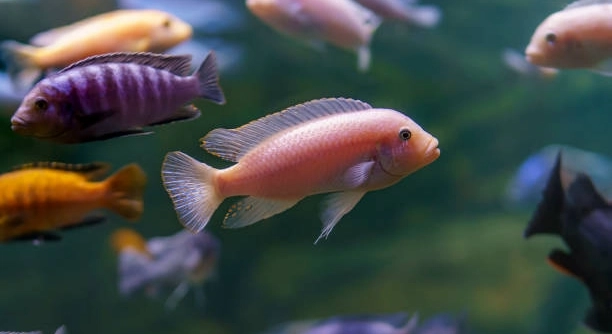
Caring for cichlids can be rewarding, but sometimes these fish may die without any obvious reason. Observing your aquarium closely and understanding their environment is key to keeping them healthy and thriving.
Unexplained cichlid deaths often result from a combination of water quality issues, disease, poor diet, stress, incompatible tank mates, genetic factors, or sudden environmental changes. Identifying and addressing these causes promptly is essential for maintaining a stable aquatic habitat.
Recognizing these factors early can help prevent future losses and ensure your cichlids remain vibrant and active in their home.
Poor Water Quality
Poor water quality is one of the most common reasons cichlids die unexpectedly. High levels of ammonia, nitrites, or nitrates can quickly stress fish and damage their gills. Even small fluctuations in pH or temperature can affect their immune system. Regular water testing and partial water changes are necessary to maintain a stable environment. Overfeeding or decaying food can worsen water conditions, so monitoring feeding habits is essential. Using a reliable filtration system and cleaning the tank regularly helps prevent harmful chemical buildup. Sudden changes in water chemistry, such as adding untreated tap water, can also shock cichlids. Observing your fish for signs of stress like gasping at the surface or clamped fins can help detect water issues early. Keeping water parameters consistent ensures that your cichlids remain healthy and less prone to disease or sudden death.
Maintaining clean, balanced water reduces stress and keeps cichlids active and vibrant in the aquarium.
Proper water management includes testing weekly, adjusting pH carefully, and avoiding rapid changes. Consistent routines create a safe environment and lower the risk of unexplained deaths.
Disease and Parasites
Diseases and parasites can strike without warning, weakening cichlids rapidly. Common infections include bacterial, fungal, and parasitic infestations.
Illness in cichlids often begins subtly. Signs like reduced appetite, unusual swimming, or small spots on the body may appear before serious symptoms develop. Introducing new fish without quarantine increases the risk of spreading disease. Tank hygiene, proper diet, and monitoring behavior are essential for prevention. Infected fish require prompt treatment, which may involve medicated food or water treatments depending on the illness. Some parasites are internal, making them harder to detect until advanced stages. Early detection is critical, as delayed action can lead to widespread tank infections. Providing stress-free conditions, stable water parameters, and a balanced diet supports the immune system, reducing susceptibility. Additionally, isolating sick fish can prevent the disease from affecting the entire population. Understanding the signs of illness and acting quickly can save many cichlids from unexplained deaths and ensure a healthier, more stable aquarium environment.
Poor Diet
Feeding cichlids an unbalanced diet can quickly weaken them. Lack of proper nutrients affects growth, immunity, and energy levels. Overfeeding or relying only on flakes can lead to deficiencies and poor health, increasing the risk of sudden death in the aquarium.
A varied diet is essential for cichlids. Incorporating high-quality pellets, frozen foods, and occasional live foods provides necessary proteins, vitamins, and minerals. Avoid feeding only one type of food, as it can cause malnutrition and organ stress. Some cichlids require specific dietary supplements to thrive. Monitoring how much and how often they eat prevents overfeeding, which can contaminate water and create harmful bacteria. Balanced nutrition strengthens their immune system and supports long-term health, reducing vulnerability to disease or environmental stress. Proper feeding ensures they remain active, colorful, and less prone to sudden deaths caused by dietary deficiencies.
Observing their eating habits closely can reveal early signs of health issues. Adjusting diet according to species needs helps maintain vitality, immunity, and consistent growth, preventing malnutrition and unexpected fatalities in the aquarium.
Stress and Tank Environment
Stress significantly impacts cichlid health. Overcrowding, aggressive tank mates, or constant disturbances can lead to weakened immunity and unexplained deaths. Maintaining a calm environment is essential for stability and survival.
Stress in cichlids often manifests as hiding, rapid breathing, or erratic swimming. Poor tank setup, including insufficient hiding spots or lack of territory markers, can heighten tension. Aggressive species placed together without careful planning can injure or intimidate others, leading to chronic stress. Sudden changes, like moving decorations or abrupt temperature shifts, further disrupt their routine. Minimizing stress involves providing adequate space, proper tank mates, and stable environmental conditions. Plants, rocks, and shelters create territories, allowing fish to feel secure. Regular maintenance, gentle handling, and observing interactions help identify and reduce stress sources. Lower stress improves immunity, behavior, and survival, reducing the likelihood of unexplained deaths.
Incompatible Tank Mates
Placing aggressive or overly territorial fish with peaceful cichlids can lead to injuries and constant stress. Conflicts over space or food may weaken weaker fish, making them more vulnerable to disease and sudden death in the aquarium.
Even fish with similar sizes can clash if personalities differ. Careful planning of tank mates and observing interactions is key. Separating incompatible species or providing ample hiding spots helps reduce aggression and maintain harmony.
Genetic Factors
Some cichlids carry hereditary weaknesses that make them more susceptible to disease or organ failure. Selective breeding may unintentionally increase these vulnerabilities, leading to unexpected deaths despite proper care.
Sudden Environmental Changes
Abrupt shifts in temperature, lighting, or water chemistry can shock cichlids. Even short-term exposure to unfavorable conditions can cause stress, weakened immunity, or death.
FAQ
Why do my cichlids keep dying even though I maintain the tank?
Even with regular maintenance, small issues can build up unnoticed. Water parameters may fluctuate, or hidden diseases and parasites can weaken fish. Overfeeding, unbalanced diet, and stress from tank mates can also contribute. Observing behavior, testing water, and ensuring proper nutrition helps reduce unexplained deaths.
How can I detect diseases early in cichlids?
Look for changes in appetite, unusual swimming, clamped fins, spots, or discoloration. Sudden lethargy or hiding often signals illness. Quarantining new fish and monitoring interactions prevents spreading. Regular observation and early intervention improve survival chances.
What is the best diet for cichlids?
A mix of high-quality pellets, frozen foods, and occasional live foods provides essential nutrients. Species-specific supplements may be necessary. Avoid feeding only flakes or overfeeding, as this can cause malnutrition, stress, and water quality issues.
How often should I test water parameters?
Weekly testing for ammonia, nitrites, nitrates, and pH is recommended. Frequent monitoring catches small changes before they become dangerous. Temperature should be checked daily to prevent sudden shifts that stress fish. Using reliable test kits ensures accurate results.
Can tank size affect cichlid health?
Yes, overcrowding increases stress, aggression, and the risk of disease. Cichlids need space to establish territories. Providing adequate room and hiding spots reduces tension and improves overall health. Larger tanks also dilute toxins, improving water quality.
How do I reduce stress in my cichlids?
Avoid sudden changes in water, temperature, or decorations. Select compatible tank mates and provide hiding spaces. Maintaining a stable environment and minimizing disturbances helps fish feel secure, strengthening their immunity and reducing unexplained deaths.
Are some cichlids more prone to death than others?
Genetic factors play a role. Selective breeding can make certain strains more vulnerable to disease or organ issues. Understanding species-specific needs and avoiding inbred populations lowers risks. Healthy breeding practices and careful selection improve survival rates.
What should I do if a fish dies suddenly?
Remove the fish immediately and test water quality. Examine remaining fish for signs of illness. Consider quarantining new or sick fish and adjust care routines as needed. Proper observation and preventive measures help protect the rest of the aquarium.
Can parasites cause unexplained deaths?
Yes, internal and external parasites can harm cichlids without obvious signs at first. Regular health checks, proper quarantine procedures, and maintaining clean water reduce the risk. Early detection and treatment are critical to prevent tank-wide problems.
Is overfeeding really harmful?
Overfeeding produces uneaten food, which decomposes and pollutes water. Excess nutrients can promote bacteria and algae growth, stress fish, and increase disease susceptibility. Feed small, controlled amounts and remove leftovers promptly to maintain a healthy tank.
How important is tank decoration for cichlids?
Decorations provide hiding spaces and territorial markers, which reduce aggression and stress. Rocks, plants, and caves mimic natural habitats. Without proper structure, fish may fight or feel insecure, weakening immunity and increasing the likelihood of death.
Can water changes alone prevent deaths?
Water changes are crucial but not enough by themselves. Consistent testing, balanced diet, proper tank mates, and stress reduction are equally important. A comprehensive approach ensures cichlids remain healthy and resilient.
How do I safely introduce new cichlids?
Quarantine new fish for at least two weeks to monitor for illness. Gradually acclimate them to tank water and ensure compatibility with existing fish. Careful introduction prevents disease and reduces stress on the community.
Are there signs my cichlid is about to die?
Signs include extreme lethargy, loss of appetite, gasping at the surface, unusual swimming, clamped fins, or sudden hiding. Observing these early allows intervention, which may save the fish or prevent tank-wide issues.
Can diet prevent diseases?
Proper nutrition strengthens immunity and reduces vulnerability to infection. Including a variety of foods, vitamins, and supplements tailored to species supports long-term health and helps cichlids resist stress and illness.
How do I maintain stable water conditions?
Use reliable filters, perform regular partial water changes, avoid sudden chemical or temperature changes, and monitor parameters consistently. Stability reduces stress and minimizes risks of unexplained deaths, supporting overall fish health and activity levels.
Is it normal for cichlids to hide often?
Hiding is normal occasionally, but frequent or prolonged hiding can indicate stress, illness, or poor tank conditions. Adequate space, hiding spots, compatible tank mates, and proper water quality help fish feel secure and reduce health risks.
Can environmental changes cause sudden deaths?
Yes, abrupt shifts in temperature, lighting, or water chemistry can shock cichlids. Even short exposure to unfavorable conditions can trigger stress, weakened immunity, or fatality. Preventing sudden changes is critical for maintaining stable, healthy fish.
How do I prevent aggression in the tank?
Plan tank mates carefully, provide ample space and hiding spots, and separate overly aggressive fish if needed. Stable environments and proper decor help establish territories and reduce stress-related injuries or deaths.
What is the most common cause of unexplained deaths?
A combination of poor water quality, stress, diet issues, disease, parasites, incompatible tank mates, and genetic factors usually leads to unexpected deaths. Addressing all aspects of care is essential for preventing sudden losses in cichlids.
Caring for cichlids requires attention to multiple factors that affect their health. Water quality, diet, tank environment, and stress levels all play a role in whether these fish thrive or experience sudden death. Even when a tank looks clean and well-maintained, subtle issues like minor pH fluctuations, hidden parasites, or nutrient deficiencies can have a significant impact. Regular observation is essential. Watching how your fish swim, eat, and interact provides valuable insight into their well-being. Simple habits, such as testing water weekly, performing partial water changes, and removing uneaten food promptly, make a meaningful difference in preventing problems. Maintaining a stable environment reduces stress and allows cichlids to focus energy on growth and immune defense instead of coping with unfavorable conditions.
A balanced diet is equally important. Cichlids need a variety of foods that provide proteins, vitamins, and minerals for proper development. Feeding only flakes or relying on one type of food can lead to malnutrition, weakened immunity, and organ stress. Overfeeding is also harmful because leftover food can decompose and pollute the water. Including frozen foods, high-quality pellets, and occasional live foods ensures nutritional needs are met. For certain species, additional supplements may be required. Monitoring feeding habits and adjusting quantities based on appetite and activity level helps maintain optimal health. By combining proper nutrition with clean water and a stable tank environment, cichlids are less likely to fall prey to stress or disease that could cause unexplained deaths. Observing their behavior during feeding can provide early warning signs of health issues, allowing prompt intervention.
Stress management and tank setup play a large role in preventing unexplained deaths. Overcrowded tanks, aggressive or incompatible species, and lack of hiding spaces increase tension and weaken fish. Providing adequate space, hiding spots, and stable conditions helps fish feel secure and supports overall immunity. Abrupt environmental changes, such as sudden shifts in temperature, lighting, or water chemistry, can shock cichlids and lead to rapid decline. Quarantining new fish before introduction and carefully monitoring interactions also reduce the risk of disease and injury. Understanding the specific needs of the species in your care and maintaining consistency in all aspects of tank management ensures healthier, longer-living fish. By addressing water quality, diet, stress, and disease prevention together, you create a stable environment where cichlids can thrive, minimizing the chances of sudden, unexplained deaths.

Hello,
If you enjoy the content that we create, please consider saying a "Thank You!" by leaving a tip.
Every little bit helps us continue crafting quality advice that supports the health, happiness, and well-being of pets around the world, for pets of all shapes, sizes, and species.
We really appreciate the kindness and support that you show us!