
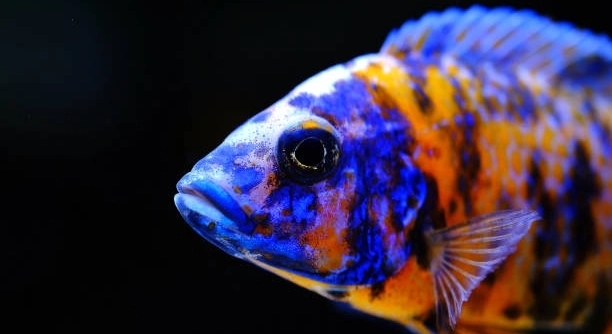
Convict cichlids are small, active fish that many hobbyists enjoy keeping in home aquariums. Their bold behavior and vibrant stripes make them stand out, but some owners notice a tendency for nipping or biting.
Convict cichlids do bite, especially when they feel threatened or are protecting their territory. This behavior is natural and instinctual, often triggered by aggression during breeding, food competition, or sudden disturbances in their environment.
Learning how to manage their behavior can make your aquarium experience much more enjoyable. Proper tank setup and understanding their instincts are key to preventing frequent biting.
Why Convict Cichlids Bite
Convict cichlids are naturally territorial fish. When they feel their space is threatened, they often bite to defend it. This behavior is most noticeable during breeding, when they guard their eggs or fry. Even small intrusions into their area, such as another fish swimming too close, can trigger nipping. Aggression is not always extreme, but it can be alarming for new aquarium owners. Their bites are usually minor, but repeated biting can stress smaller fish and cause injury. Observing their patterns helps you predict when they might lash out. Providing enough space, hiding spots, and visual barriers reduces tension. These fish are more likely to coexist peacefully if their environment mimics natural conditions. Aggression often decreases when they are well-fed and not competing for limited resources. Monitoring tank interactions is essential, as convict cichlids react strongly to changes in water flow, lighting, and decoration placement.
Proper tank setup and observation can prevent serious incidents. Understanding their triggers is key.
Adjusting tank layout and managing population density makes a significant difference. Hiding spots, separate territories, and keeping compatible species reduce biting. Watching for signs of stress ensures all fish remain healthy.
How to Manage Biting Behavior
Managing biting starts with understanding their instincts. Convict cichlids are naturally aggressive, so preparation is essential.
Providing plenty of space, adding plants or rocks for hiding, and maintaining consistent feeding schedules are effective strategies. Avoid sudden changes in the tank that might trigger aggression. Monitoring interactions between fish regularly helps prevent escalation.
Creating a peaceful environment requires balancing tank size, population, and decoration. Larger tanks with clear divisions allow fish to establish their own territories without frequent confrontation. Visual barriers such as plants, rocks, or ceramic caves give each fish a sense of security and reduce stress-related aggression. Keeping compatible species together is also important, as aggressive or passive fish can trigger or intensify biting. Feeding strategies matter too; consistent, sufficient feeding reduces competition for food. Removing injured fish temporarily can prevent further attacks while healing occurs. By observing behavior and adjusting tank conditions accordingly, you can significantly minimize biting, creating a more harmonious aquarium where convict cichlids coexist safely with other tank mates.
Signs Your Convict Cichlid Is About to Bite
Restlessness, flaring fins, and chasing other fish are clear signs. They may hover near tank entrances or guard specific spots more aggressively. Watching their body language helps prevent bites before they happen.
Convict cichlids often display warning signs before biting. They may flare their gill covers, puff up their bodies, or swim rapidly toward another fish. Aggression usually peaks during breeding or feeding times. Noticing these behaviors early allows you to intervene, such as separating fish or adding more hiding spaces. Ignoring these signs can lead to injuries or constant stress for other tank mates. Consistent observation is essential to keep the tank peaceful.
Changes in swimming patterns, frequent chasing, and guarding favorite areas indicate heightened aggression. Providing visual barriers and adequate space often reduces these behaviors. Overcrowded tanks worsen biting tendencies, so monitoring numbers is important. Adjusting tank conditions can make a big difference in overall fish harmony.
Handling a Bite
Immediate care is essential if a fish is bitten. Clean the wound and monitor for infection or stress signs.
Bites can cause physical damage and stress, especially for smaller or less aggressive fish. Rinsing the injured area with aquarium-safe treatments prevents infection. Moving the bitten fish to a separate quarantine tank allows it to heal without further attacks. Observe the aggressor to understand triggers and adjust the environment. Feeding both fish properly and maintaining clean water reduces tension and supports recovery.
Preventing future bites requires adjusting the tank environment. Add hiding spots, rearrange decorations, and ensure each fish has space to establish its territory. Consistent monitoring helps catch aggression early. If bites continue, separating aggressive individuals permanently may be necessary. Proper management and care create a safer, calmer environment for all fish in the tank.
Common Triggers for Biting
Overcrowding often leads to stress and increased aggression. Limited space makes convict cichlids feel threatened, prompting frequent biting incidents.
Changes in tank decorations or sudden movements can also trigger bites. Even minor disturbances may provoke defensive behavior in territorial fish.
Feeding and Biting
Improper feeding routines can worsen aggression. If food is scarce or unevenly distributed, convict cichlids compete aggressively, nipping other fish. Ensuring consistent feeding times and sufficient portions helps reduce this competition. High-quality food and occasional treats can also keep them satisfied, lowering the likelihood of bites.
Tank Setup Tips
Adequate hiding spots, plants, and rocks help create separate territories. Visual barriers reduce stress and limit conflicts.
Providing enough space and consistent maintenance encourages calmer behavior. Careful arrangement of the tank allows each fish to feel secure, minimizing biting incidents over time.
FAQ
Do convict cichlids bite humans?
Convict cichlids rarely bite humans, but it can happen if they feel threatened or are defending territory. Their bites are usually minor and not dangerous. Avoid sticking hands directly into the tank during aggressive periods or near breeding sites to prevent accidental nips.
Why do convict cichlids bite each other?
Biting among convict cichlids is common due to their territorial nature. They often establish personal space, especially during breeding or feeding. Overcrowding, limited hiding spots, and competition for food can trigger more frequent aggression between tank mates.
How can I tell if a bite is serious?
A serious bite shows visible wounds, bleeding, or torn fins. Persistent chasing or repeated nipping can stress or injure fish. Minor bites may leave small marks, but serious injuries require isolation and proper care to prevent infection.
Can tank size affect biting behavior?
Yes, smaller tanks increase aggression. Limited space prevents fish from establishing territories and leads to frequent confrontations. Larger tanks with distinct areas, hiding spots, and visual barriers reduce conflict and make fish less likely to bite each other.
Do convict cichlids bite more during breeding?
Yes, breeding increases aggression. Parents guard eggs and fry intensely, biting any perceived intruders. Even other fish that are normally peaceful may be attacked. Providing additional hiding spots or separating aggressive pairs during breeding can help reduce bites.
What environmental changes trigger biting?
Sudden changes in water temperature, lighting, or tank layout can stress convict cichlids. Moving decorations or rearranging plants may trigger defensive biting. Keeping conditions consistent and making changes gradually helps minimize aggressive responses.
Does diet influence biting?
Feeding routines and quality of food affect aggression. Hungry or underfed cichlids are more likely to fight over food. Providing sufficient, balanced meals and distributing food evenly in the tank reduces competition and nipping incidents.
How can I prevent bites in a community tank?
Separate aggressive fish when necessary and ensure compatible species. Adding visual barriers, plants, and rocks creates space for each fish to establish territory. Regular observation and intervention during signs of aggression also prevent bites from escalating.
Is it safe to touch the fish after a bite?
Always handle with care. Minor bites usually heal quickly, but washed hands and clean equipment reduce the risk of infection. If a fish is injured, consider moving it to a quarantine tank for proper healing without further stress.
When should I consult a professional?
If bites cause severe injury, persistent stress, or unusual behavior, a veterinarian or experienced aquarist can advise. Professional guidance helps address underlying aggression, environmental issues, and ensures the long-term health of all fish in the tank.
Do convict cichlids bite other species?
Yes, they may bite smaller or slower species, especially if space is limited or during feeding. Choosing compatible tank mates and providing sufficient territory prevents frequent cross-species aggression. Observation is key to maintaining harmony in a mixed tank.
Can behavior change over time?
Yes, convict cichlids may become calmer as they establish territories and adapt to tank conditions. Proper setup, regular feeding, and minimal disruptions encourage more peaceful interactions over time. Patience and consistent care are essential for long-term success.
What signs indicate reduced aggression?
Less chasing, relaxed fins, and decreased flaring indicate calmer behavior. Fish spend more time exploring and less time guarding areas. Providing consistent care, adequate space, and a stable environment supports this positive change and reduces biting incidents.
Are certain decorations better to prevent bites?
Dense plants, rocks, and caves help separate territories and reduce visibility between fish. Avoiding wide-open spaces where fish feel exposed can lower stress and prevent defensive biting. Thoughtful decoration placement improves overall tank harmony.
Can water quality affect biting?
Poor water quality increases stress, which can heighten aggression. Regular water changes, maintaining proper pH, and monitoring ammonia, nitrites, and nitrates support healthy behavior. Calm, clean water helps convict cichlids feel secure and reduces the likelihood of bites.
Convict cichlids are lively and interesting fish, but their natural territorial behavior means they can bite. This biting is usually a form of communication, signaling boundaries or stress, rather than an attempt to harm. Understanding their instincts and watching their behavior closely helps prevent bites from escalating. These fish often flare their fins, chase other fish, or guard certain areas when they feel threatened. Recognizing these warning signs is important, especially in a home aquarium where space is limited. By observing how they interact with tank mates and their environment, you can predict when they are likely to act aggressively and take steps to reduce conflict. Even though bites can look alarming, they are a normal part of how convict cichlids interact with each other and maintain their territories.
Managing their behavior starts with creating a safe and comfortable environment. Providing enough space for each fish is essential, as overcrowding is one of the main triggers for biting. Adding hiding spots, plants, rocks, or decorations helps create distinct areas where each fish can feel secure. This reduces stress and allows them to establish personal territories without frequent confrontations. Consistent feeding routines and a balanced diet also play a role in lowering aggression. Hungry or underfed fish are more likely to compete aggressively for food, which can lead to repeated biting incidents. Monitoring water quality, including temperature, pH, and cleanliness, ensures a stable environment. Convict cichlids respond to sudden changes or poor conditions with stress, which often increases aggressive behavior. Small adjustments, like gradual changes to lighting or tank layout, can make a significant difference in keeping the fish calm and reducing biting.
Even with careful management, some biting may still occur, especially during breeding or when fish are establishing dominance. It is important to handle bites calmly and take steps to prevent injury. Minor bites usually heal on their own, but larger wounds may require isolation and treatment to prevent infection. Observing tank dynamics and adjusting the environment when needed helps maintain harmony. Over time, convict cichlids often adapt to their surroundings, establishing stable territories and showing less aggression. Patience and consistent care are key to creating a peaceful aquarium. Understanding their behavior and providing proper conditions allows these fish to thrive while minimizing biting, making them enjoyable and engaging pets in any home aquarium.

Hello,
If you enjoy the content that we create, please consider saying a "Thank You!" by leaving a tip.
Every little bit helps us continue crafting quality advice that supports the health, happiness, and well-being of pets around the world, for pets of all shapes, sizes, and species.
We really appreciate the kindness and support that you show us!