
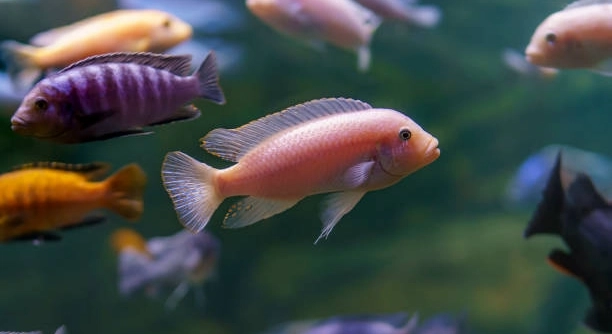
Have you ever noticed your convict cichlid swimming in patterns or following your movements across the tank? These lively fish often display behaviors that hint at intelligence and responsiveness. Observing them closely can be both fascinating and rewarding.
Convict cichlids can be trained to recognize certain cues, respond to feeding routines, and interact with their environment. Consistent practice, patience, and clear signals are key factors in successfully encouraging these behaviors in captive fish.
Learning how to train convict cichlids can improve your bond and make aquarium care more engaging and enjoyable over time.
Understanding Convict Cichlid Behavior
Convict cichlids are naturally curious and territorial fish. They often explore their surroundings, recognize patterns, and respond to changes in the tank. Observing their body language, such as fin movements or swimming speed, can reveal how comfortable or stressed they are. They tend to establish a routine if the environment remains consistent, responding well to predictable feeding times and placement of decorations or hiding spots. Their intelligence allows them to learn from repeated experiences, making them capable of distinguishing between familiar and unfamiliar stimuli. Tank mates, water conditions, and feeding practices all influence their behavior. Watching closely over time helps identify signals that indicate readiness for training. Rewarding positive responses with food or attention encourages them to repeat certain behaviors. Patience and consistency are essential, as rushing can lead to stress or aggression. Understanding their natural instincts is the first step to effective interaction and training.
Convict cichlids respond best to gentle, repeated cues paired with rewards, fostering predictable and calm behavior.
Training can also include simple recognition exercises, such as following your hand or swimming to a designated area for feeding. By starting with small, manageable tasks, you build their confidence and reduce frustration. Fish remember positive experiences and gradually associate your actions with rewards. Consistency in timing, signals, and reinforcement strengthens this learning process. Over time, they may perform more complex behaviors, like navigating obstacles or responding to commands, showing both adaptability and memory retention. Their intelligence surprises many, especially when they start anticipating feeding or reacting to visual cues in the tank. Using visual markers, such as a colored object or target, can guide them toward specific actions. Environmental enrichment, like rearranged rocks or new hiding spaces, encourages exploration and supports mental stimulation, which enhances training outcomes. With time, observation, and careful reinforcement, convict cichlids can become more interactive and responsive companions in the aquarium.
Methods to Train Convict Cichlids
Starting with simple actions is most effective for training these fish. Small, clear signals paired with food rewards help them understand expectations.
Feeding-based training is the easiest method for convict cichlids. Begin by associating a consistent cue, such as tapping the tank or showing a small object, with mealtime. Repeating this cue daily helps the fish link the action with a positive outcome. Next, you can encourage movement toward a specific area of the tank. Use gentle guidance and reward compliance immediately. Over weeks, the fish may start recognizing the cue without needing direct prompting. Patience is critical, as each fish learns at its own pace. Avoid sudden changes in routine, as these can stress the fish and hinder learning. Environmental enrichment, like rearranged rocks or visual markers, keeps them mentally stimulated. This method not only trains them but also strengthens observation skills and enhances interaction. Over time, convict cichlids may perform more complex behaviors and respond reliably to repeated cues, making tank care more engaging and predictable.
Common Training Mistakes
Rushing training sessions often stresses convict cichlids, making them less responsive. Inconsistent cues or rewards can confuse the fish and slow progress. Avoid overhandling or changing tank setups too quickly.
Patience is essential when working with convict cichlids. They may ignore cues at first or show signs of stress, such as hiding or aggressive behavior. Short, consistent sessions are better than long, infrequent attempts. Changing the location of feeding spots or decorations mid-training can disrupt their learning. Recognizing their individual temperament helps tailor exercises to their comfort level. Over time, predictable routines and clear signals foster more reliable responses, and fish begin associating actions with rewards naturally.
Another common mistake is using inappropriate rewards or neglecting environmental enrichment. Convict cichlids respond best to small food treats and visual cues. If the reward is inconsistent or delayed, they may not connect it to the desired action. Ensuring the tank has enough space and hiding spots allows them to explore without feeling threatened, reducing stress. Gradual challenges, like moving a target slowly or introducing a new object, help maintain interest. Observing responses closely and adjusting training techniques strengthens understanding. By avoiding these pitfalls, training becomes smoother, more effective, and more enjoyable for both you and the fish.
Tools and Techniques
Simple tools like feeding tongs, colored markers, or small floating objects can guide convict cichlids effectively. Consistency in using these tools is key for recognition and learning.
Using visual and physical cues improves training efficiency. Floating objects or colored markers serve as targets for the fish to approach or follow. Feeding tongs can help deliver precise rewards while maintaining distance to avoid startling them. Repeating these cues in short, frequent sessions reinforces learning and builds routine. Observing their reactions helps determine the best timing and type of reward. Gradual introduction of new objects or exercises prevents stress while encouraging exploration. Over time, these methods make interactions more predictable and engaging, supporting cognitive growth and positive behavior reinforcement.
Benefits of Training Convict Cichlids
Training convict cichlids encourages mental stimulation and reduces boredom. Interactive exercises help them stay active, promoting healthier behavior patterns and stronger responses to environmental changes.
It also improves observation skills for the caretaker. Noticing subtle reactions and cues enhances understanding of their needs and preferences, leading to more effective tank management.
Feeding and Reward Strategies
Using small, consistent food rewards reinforces desired behaviors effectively. Overfeeding should be avoided to prevent health issues, while timed rewards help create predictable routines. Positive reinforcement strengthens learning and encourages repeated compliance. Consistency in timing, type of reward, and cue ensures the fish associates the action with the outcome. Visual cues, like colored markers, and gentle hand movements can guide them toward targets or specific areas in the tank. Gradually increasing the complexity of tasks keeps them engaged. Patience and observation are critical for adjusting strategies to match each fish’s temperament, supporting successful training outcomes.
Patience and Consistency
Short, regular sessions yield better results than long, infrequent attempts. Maintaining a steady routine helps fish learn efficiently and comfortably.
FAQ
Can convict cichlids learn tricks like other pets?
Yes, convict cichlids can learn simple tricks. They respond well to repeated cues and food rewards. While they won’t perform complex behaviors like dogs or cats, they can recognize hand movements, swim toward targets, and follow predictable routines. Consistency is key.
How long does it take for them to learn a behavior?
Learning time varies with each fish. Some may respond within a few days, while others take weeks. Short, consistent training sessions of five to ten minutes daily work best. Observing their responses and adjusting the approach helps speed up the process without causing stress.
What rewards work best for training?
Small, high-quality food treats are most effective. Freeze-dried or live food often works well because it attracts their attention. Timing matters: rewards should be given immediately after the desired behavior so the fish can associate the action with the reward.
Is it stressful for them to be trained?
Training can be stressful if sessions are too long or cues are inconsistent. Keeping sessions short, predictable, and gentle reduces stress. Environmental stability, like proper water conditions and hiding spots, also ensures the fish remain comfortable while learning.
Can training improve their overall behavior?
Yes, training encourages mental stimulation, reduces boredom, and decreases aggression or destructive habits. Predictable routines and interactive exercises help them feel secure, making them more responsive to caretakers and more manageable within the tank environment.
Do they respond to visual or auditory cues better?
Convict cichlids respond more reliably to visual cues, like colored objects, hand movements, or floating targets. Auditory cues, like tapping the tank, can work but are less consistent. Combining cues with food rewards strengthens learning and helps them remember behaviors more effectively.
Is it safe to use hands in the tank during training?
Using hands carefully is safe if done gently. Avoid sudden movements to prevent startling them. Hand feeding or guiding can help build recognition, but always ensure your movements are slow, consistent, and paired with rewards.
Can they recognize individual caretakers?
Yes, convict cichlids can recognize individuals who regularly feed or interact with them. Over time, they may swim toward the person performing familiar routines, showing signs of anticipation for feeding or interaction. This recognition supports training consistency.
What mistakes should be avoided during training?
Common mistakes include overfeeding, long or irregular sessions, inconsistent cues, and frequent tank rearrangements. Avoid forcing behaviors or introducing sudden changes. Observing their reactions closely and maintaining steady routines ensures learning is positive and stress-free.
Can environmental enrichment help with training?
Absolutely. Rearranging rocks, adding hiding spots, or using visual markers encourages exploration and mental stimulation. Enriched environments keep them engaged, reduce stress, and enhance responsiveness to cues during training.
Final Thoughts
Training convict cichlids takes patience, consistency, and attention to their behavior. These fish are naturally curious and intelligent, but they also respond to routine and clear signals. Understanding their habits and body language is essential before beginning any training. Watching how they react to feeding times, tank rearrangements, or your movements can reveal a lot about their comfort level. Short, frequent training sessions are more effective than long, infrequent ones because the fish can focus better and are less likely to become stressed. Using gentle cues paired with small food rewards helps them connect actions with outcomes. Over time, even simple behaviors like swimming toward a hand or following a target become reliable. Creating a predictable environment, with stable water conditions and adequate hiding spots, also supports learning. Stress or sudden changes in the tank can interrupt their training, so maintaining consistency is key.
The methods used to train convict cichlids are straightforward but require dedication. Visual cues, small treats, and consistent routines work best. Gradually introducing new tasks helps the fish stay engaged without feeling overwhelmed. Rewarding positive responses immediately encourages them to repeat the behavior. Overfeeding should be avoided, as it can cause health issues and reduce their responsiveness to rewards. Observing each fish individually is important because their learning speed and temperament vary. Some may pick up behaviors quickly, while others need more time. Recognizing these differences and adjusting techniques ensures progress remains stress-free and enjoyable. Training is not just about teaching tricks; it also helps improve mental stimulation, reduces boredom, and strengthens the bond between you and the fish. Regular interaction builds familiarity, making the fish more predictable and responsive to cues.
Convict cichlids may never perform advanced tricks, but simple training exercises can make caring for them more engaging. The key is balancing patience, consistency, and positive reinforcement. Environmental enrichment, like adding visual markers or rearranging rocks, encourages exploration and cognitive activity. Monitoring their behavior and responding appropriately ensures that training is a positive experience for both the fish and the caretaker. Gradually, these practices help convict cichlids become more interactive, confident, and attentive to signals in the tank. Consistent routines, short training sessions, and appropriate rewards make learning achievable and satisfying. Ultimately, investing time in training not only improves their behavior but also enhances your overall enjoyment of caring for them. With patience and careful observation, even small achievements in training can be rewarding and demonstrate the intelligence of these fascinating fish.

Hello,
If you enjoy the content that we create, please consider saying a "Thank You!" by leaving a tip.
Every little bit helps us continue crafting quality advice that supports the health, happiness, and well-being of pets around the world, for pets of all shapes, sizes, and species.
We really appreciate the kindness and support that you show us!