
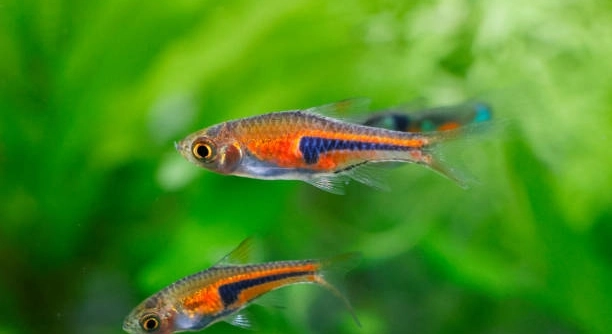
Rasboras and Corydoras are popular choices for community aquariums because of their peaceful nature. Many hobbyists enjoy keeping these species together to create a lively and harmonious freshwater tank environment.
Rasboras can generally live peacefully with Corydoras due to their non-aggressive behavior and complementary activity levels. Both species occupy different areas of the tank, reducing territorial conflicts and promoting a balanced, stress-free aquatic habitat.
Creating a compatible aquarium requires attention to diet, water conditions, and tank layout to ensure both species thrive comfortably together.
Understanding Rasboras’ Behavior
Rasboras are small, active fish that prefer swimming in schools. They are generally calm and avoid confrontation, which makes them compatible with other peaceful species. These fish are surface and mid-level swimmers, meaning they spend most of their time exploring open water. Their schooling instinct provides a sense of security, reducing stress and helping them thrive in a community tank. They are sensitive to water quality, so maintaining stable conditions is essential. Rasboras are omnivores and will accept a variety of foods, from flake to frozen options, which makes feeding straightforward. When observing them, you may notice their curious nature, as they investigate plants, decorations, and each other. They do not disturb bottom-dwellers, which is a key reason they pair well with Corydoras. With proper care, Rasboras add movement, color, and balance, complementing the tank’s dynamics without introducing aggression or tension.
Rasboras’ calm temperament and schooling behavior make them easy to manage in a mixed-species aquarium.
These small fish are ideal for tanks where harmony is a priority. Their constant motion brings life without threatening slower or bottom-dwelling companions. Rasboras respond well to consistent feeding schedules and clean water, ensuring they remain healthy and active. Observing a school of Rasboras can be calming, and their unobtrusive nature allows other species, like Corydoras, to thrive alongside them. By maintaining a stable environment with plenty of hiding spots and moderate lighting, Rasboras will display natural behaviors and interact safely with their tank mates.
Corydoras’ Compatibility with Other Fish
Corydoras are gentle bottom-dwellers that spend most of their time scavenging for leftover food.
They coexist well with small, non-aggressive species because they are peaceful and social.
Corydoras are social fish that thrive in groups of three or more. They prefer soft substrate to protect their sensitive barbels while foraging. In a community tank, they rarely compete for space or food, as they occupy the lower levels while other fish swim above. Corydoras are adaptable to various water conditions, but consistent temperature and pH levels are important for their well-being. They enjoy hiding spots such as plants, rocks, and driftwood, which reduce stress and provide security. Feeding should include sinking pellets or frozen foods, ensuring all fish receive proper nutrition. When combined with Rasboras, Corydoras contribute to a balanced tank by managing leftover food and adding movement to the bottom layer. Their peaceful nature allows them to integrate seamlessly, promoting a healthy and harmonious aquarium environment for all species.
Tank Setup for Rasboras and Corydoras
A well-planned tank ensures Rasboras and Corydoras thrive together. Proper substrate, hiding spots, and open swimming areas reduce stress and support natural behaviors for both species.
A sandy or fine gravel substrate is ideal, protecting Corydoras’ sensitive barbels while allowing them to forage freely. Rasboras benefit from open mid-to-upper swimming spaces, so keeping plants and decorations spaced out is important. Floating plants provide shade and mimic natural habitats, helping both species feel secure. Adequate filtration and regular water changes maintain clean water and stable conditions, which are essential for their health. Balanced lighting and moderate flow create a comfortable environment while enhancing the tank’s visual appeal.
Arranging plants and décor thoughtfully allows Rasboras to school without obstruction and gives Corydoras enough bottom space to scavenge. Hiding spots reduce stress during rest periods, while open areas encourage natural swimming and social behaviors. Both species will adjust quickly to this layout.
Feeding Habits and Nutrition
Rasboras and Corydoras have different feeding levels, which prevents competition in a shared tank.
Rasboras are mid-to-top feeders, thriving on flakes, micro-pellets, and occasional frozen foods. They appreciate varied diets, which help maintain their color and activity. Corydoras are bottom feeders, consuming sinking pellets, wafers, and leftover food. Feeding schedules should be consistent, with care taken to ensure both species receive adequate nutrition. Uneaten food should be removed to prevent water quality issues. Observing their feeding behaviors helps ensure all fish are eating properly and remain healthy.
Providing a balanced diet supports growth, coloration, and energy levels for both species. Rasboras need smaller portions spread across the water column, while Corydoras require sinking foods for proper intake. Supplementing with frozen or live foods encourages natural foraging instincts, benefiting overall well-being. Overfeeding must be avoided to maintain water quality and prevent obesity. Both species thrive on high-quality foods, and careful monitoring of feeding routines ensures a peaceful, well-fed community tank without aggression or stress.
Water Conditions and Temperature
Rasboras and Corydoras prefer similar water conditions. Both thrive in slightly acidic to neutral pH and temperatures between 72°F and 78°F. Consistency is key to prevent stress and promote healthy behavior in both species.
Regular water testing ensures ammonia, nitrite, and nitrate levels remain safe. Filtration and partial water changes help maintain stable conditions. Gentle water flow suits both species, preventing exhaustion or stress. Monitoring temperature and chemistry regularly keeps the tank balanced and avoids sudden changes that could affect health.
Social Dynamics in a Shared Tank
Rasboras are schooling fish, while Corydoras prefer groups. Both species display minimal aggression, reducing the risk of conflict in a community tank. Proper group sizes are essential to maintain social stability and natural behaviors.
Maintaining at least six Rasboras and three Corydoras ensures each fish feels secure. Overcrowding can increase stress, while too few can cause anxiety. Observation of interactions helps identify any signs of tension or illness early. Providing open swimming areas and sufficient hiding spots supports positive social dynamics and peaceful coexistence.
Common Issues to Watch
Occasional stress can occur due to poor water quality, overcrowding, or incompatible tank mates. Monitoring both species regularly helps prevent health problems.
FAQ
Can Rasboras and Corydoras live in the same tank without fighting?
Yes, Rasboras and Corydoras can coexist peacefully due to their non-aggressive temperaments. Rasboras swim in the mid-to-upper water levels, while Corydoras stay near the bottom. This separation reduces competition for space and prevents territorial disputes, making it easier for both species to thrive together.
How many Rasboras and Corydoras should I keep in one tank?
Rasboras should be kept in groups of at least six to maintain their schooling behavior, which provides security and reduces stress. Corydoras do best in groups of three or more. Maintaining proper group sizes allows both species to exhibit natural behaviors and encourages social interactions without tension.
What type of substrate works best for both species?
A soft sandy substrate is ideal, especially for Corydoras, whose barbels are sensitive to rough surfaces. Rasboras are not affected by the substrate type, but having soft sand allows Corydoras to forage naturally without injury. Avoid sharp gravel to prevent harm.
What water parameters are suitable for Rasboras and Corydoras?
Both species thrive in slightly acidic to neutral water, with a pH range of 6.5 to 7.5. Temperature should be stable between 72°F and 78°F. Regular testing of ammonia, nitrites, and nitrates ensures a healthy environment. Consistent water quality is essential for preventing stress and disease.
Do Rasboras and Corydoras require special diets?
Rasboras are mid-to-top feeders that eat flakes, micro-pellets, and occasional frozen foods. Corydoras are bottom feeders that consume sinking pellets and leftover food. Offering a variety of foods ensures proper nutrition for both species and prevents aggression during feeding.
Can they reproduce in a community tank?
Yes, both species can breed under favorable conditions. Rasboras usually lay eggs on plants or tank walls, while Corydoras deposit eggs on smooth surfaces. Providing hiding spots and clean water encourages natural breeding behaviors and protects the eggs from being eaten by other fish.
What decorations or plants are recommended?
Rasboras appreciate open swimming areas with mid-level plants, while Corydoras benefit from hiding spots near the bottom, such as rocks, driftwood, or dense plant clusters. Floating plants offer shade and make the environment feel secure for both species. Proper placement reduces stress and encourages natural behaviors.
How often should I perform water changes?
Weekly partial water changes of 20-30% help maintain clean water and stable parameters. Both species are sensitive to poor water quality, so regular maintenance prevents ammonia or nitrite spikes, keeping the fish healthy and active. Monitoring water parameters during changes is also recommended.
Are there common signs of stress in Rasboras and Corydoras?
Signs include reduced activity, hiding more than usual, loss of color, or irregular swimming patterns. Rasboras may stop schooling, while Corydoras may stay at the bottom without foraging. Early detection and corrective action, such as adjusting water conditions or tank layout, help prevent serious health issues.
Can these fish live with other species?
Yes, they do well with other peaceful, small fish. Aggressive or territorial species should be avoided, as they may stress Rasboras or Corydoras. Compatibility depends on temperament, size, and swimming level. Observing interactions when introducing new species ensures a harmonious community tank.
What should I do if water conditions fluctuate?
Gradual adjustments are safer than sudden changes. Use a heater or cooler to stabilize temperature, and test pH and hardness frequently. Both Rasboras and Corydoras are sensitive to abrupt shifts, so careful monitoring and slow corrections prevent stress and health problems.
How do I encourage natural behaviors in the tank?
Providing proper hiding spots, open swimming areas, and a balanced diet helps both species display natural behaviors. Corydoras will forage at the bottom, and Rasboras will school in mid-water. Adequate tank space and environmental enrichment reduce stress and improve overall well-being.
Are they sensitive to light and tank placement?
Moderate lighting suits both species. Too bright light can stress Rasboras, while Corydoras prefer shaded areas. Floating plants or partially covered tanks create a natural environment, allowing fish to choose where to swim and rest comfortably. Proper placement promotes calm behavior and reduces stress.
How long do Rasboras and Corydoras typically live?
With proper care, Rasboras live around 4-6 years, while Corydoras can live 5-10 years. Stable water conditions, good nutrition, and a stress-free environment contribute to longevity. Regular observation ensures any health issues are addressed early, helping both species reach their full lifespan.
Is it necessary to monitor their interactions constantly?
Regular observation is important, especially after introducing new fish or making changes to the tank. While they are peaceful species, monitoring helps detect early signs of stress or aggression, allowing timely adjustments to tank conditions, group sizes, or layout.
Rasboras and Corydoras are two species that generally coexist well in community aquariums. Their peaceful temperaments and complementary behaviors make them ideal tank mates. Rasboras occupy the mid-to-upper levels of the water, swimming in schools and adding movement and color to the tank. Corydoras, on the other hand, remain near the bottom, scavenging for leftover food and exploring the substrate. This natural separation of swimming levels reduces conflicts and allows both species to feel secure in their environment. When their habitat is well-maintained, with stable water conditions and sufficient hiding spaces, these fish tend to exhibit calm, natural behaviors, contributing to a harmonious aquarium that is enjoyable to watch.
Proper tank setup plays a key role in ensuring a peaceful coexistence between Rasboras and Corydoras. Soft sandy substrates are recommended for Corydoras, as they protect their delicate barbels during foraging. Open swimming areas should be available for Rasboras, with mid-level plants providing cover and security. Floating plants can also help simulate a natural environment, giving fish the choice of shaded areas. Maintaining clean water with consistent pH and temperature levels is crucial, as both species are sensitive to fluctuations. Feeding practices should be adapted to their differing habits: Rasboras require mid-to-top feeding, while Corydoras need sinking pellets to reach the bottom. Providing a balanced diet and monitoring feeding ensures both species remain healthy, active, and stress-free.
Observing the fish regularly helps maintain a stable, thriving community tank. Watching how Rasboras school and Corydoras forage provides insight into their health and comfort. Early detection of stress signs, such as hiding, color loss, or unusual swimming patterns, allows for timely adjustments to water conditions or tank layout. Consistent care, including partial water changes and monitoring for uneaten food, supports long-term health. With careful attention to water quality, diet, and tank design, Rasboras and Corydoras can coexist peacefully for years, creating a lively and balanced aquarium environment. This combination of species highlights how thoughtful planning and proper care can make community tanks both visually appealing and harmonious.

Hello,
If you enjoy the content that we create, please consider saying a "Thank You!" by leaving a tip.
Every little bit helps us continue crafting quality advice that supports the health, happiness, and well-being of pets around the world, for pets of all shapes, sizes, and species.
We really appreciate the kindness and support that you show us!