
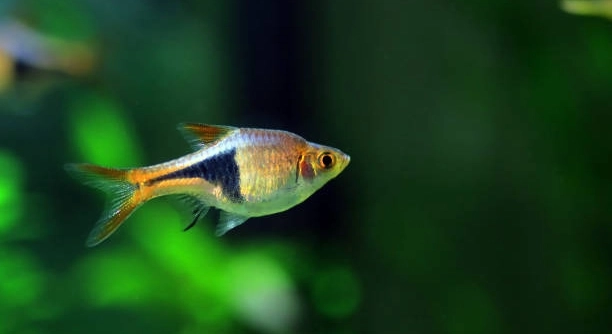
Rasboras are small, peaceful fish often found in home aquariums. Many aquarists wonder about their water preferences and how flow affects their behavior and overall health in a tank environment. Their comfort matters for long-term well-being.
Rasboras generally prefer calm to moderately flowing water rather than fast currents. Excessive water movement can stress them, disrupt natural swimming patterns, and make feeding more difficult. Maintaining gentle water flow promotes a healthier and more natural environment for these fish.
Observing how they respond to water flow can reveal important insights into their habits and comfort levels in your aquarium. Proper flow helps ensure they thrive naturally.
Understanding Rasboras’ Natural Habitat
Rasboras are native to slow-moving rivers and streams in Southeast Asia. Their natural waters are often calm, with gentle ripples rather than strong currents. In aquariums, mimicking these conditions is important. I’ve noticed that when my rasboras are in tanks with moderate flow, they swim freely, explore plants, and interact with each other without signs of stress. Strong currents, on the other hand, make them hide more often and expend extra energy just trying to stay in place. Providing a planted tank with calm areas and slight water movement helps them feel secure. Floating plants or driftwood can naturally reduce strong water flow. It’s also helpful to adjust filter outputs or add flow diffusers. Observing how they cluster or swim in response to different flow speeds gives clear guidance on what suits them best. Consistency in water flow ensures they remain healthy over time.
Their preference for gentle currents shows that comfort in the aquarium directly impacts activity and health.
Knowing the natural habitat and behavior of rasboras allows aquarists to create a tank that supports both their well-being and natural swimming habits. Watching how they interact with plants, surfaces, and each other can reveal whether the current is suitable. Adjusting flow to mimic their slow-moving streams makes feeding easier and reduces stress. Over time, calm water conditions encourage natural schooling, where they swim together in synchronized patterns. Incorporating areas of varied flow also helps them exercise without overwhelming them.
Adjusting Water Flow in Your Tank
Proper flow balance keeps rasboras healthy and reduces stress.
To adjust water flow, start by observing how your rasboras react to your filter output. If they struggle against the current or hide frequently, reduce the flow. Adding decorations, rocks, or plants can help break strong currents into gentler streams. Some filters allow speed adjustment or the use of diffusers to create uniform, moderate water movement. I found that arranging plants near the filter outlet creates natural calm zones where rasboras can rest. Gentle flow also helps circulate oxygen without tiring them. Avoid placing strong powerheads directly in their swimming paths, as this can discourage activity and schooling. Regular monitoring is important, as tank population, plant growth, and filter changes can alter flow over time. Ensuring balance in movement creates a tank environment where rasboras can thrive naturally while maintaining energy levels and displaying healthy behaviors consistently.
Signs of Stress from Fast Currents
Rasboras that are stressed by strong water flow often hide, stay near the bottom, or gasp at the surface. They may lose their bright colors and avoid swimming in open areas. Recognizing these signs early helps prevent long-term health issues.
When my rasboras were placed in a tank with strong currents, I noticed they struggled to maintain position. They spent most of their time pressed against decorations or clinging to plant leaves. Their usual schooling patterns broke down, and some appeared lethargic. Over time, this kind of stress can lead to weakened immune systems, making them more prone to illness. Adjusting the filter to reduce flow immediately improved their behavior, with more active swimming and restored color. Observing these subtle cues is essential for any tank owner wanting healthy, stress-free fish.
Creating gentle zones with plants and decorations allows rasboras to escape strong flow. I often position floating plants near the filter outlet, giving them calmer water areas while maintaining overall tank circulation. This small adjustment makes a noticeable difference in their energy levels and natural swimming patterns.
Benefits of Moderate Flow
Moderate water flow promotes oxygen distribution without overexerting rasboras. They swim naturally, maintain schooling behavior, and interact with their environment more actively.
I’ve seen that when water moves gently, rasboras explore the entire tank, weaving through plants and drifting in open spaces. They feed more efficiently, as food doesn’t scatter quickly with fast currents. Gentle movement also supports filtration and prevents stagnation, which can otherwise lead to waste buildup. Creating a balanced flow involves adjusting the filter, adding driftwood, and strategically placing plants to diffuse strong currents. With moderate flow, rasboras display healthier colors, stress levels decrease, and natural behaviors like schooling and foraging are more consistent.
Consistent, moderate flow also encourages breeding behaviors in rasboras. Calm areas allow them to lay eggs safely, while flowing water ensures debris and waste are carried away. I found that when currents are too strong, spawning rarely occurs, and fry survival drops. Maintaining the right balance helps sustain both adult fish and offspring health, creating a more stable tank ecosystem over time. Watching their behavior closely makes it easier to fine-tune the flow for optimal results.
Choosing the Right Filter
A filter that provides adjustable flow is ideal for rasboras. It allows you to create gentle currents that mimic their natural habitat while keeping the water clean and oxygenated.
Positioning the filter outlet carefully can reduce direct strong currents. Using sponges or flow diffusers softens the water movement, giving rasboras areas to rest and swim comfortably without struggle.
Plants and Decorations for Flow Control
Dense plants, driftwood, and rocks help break strong currents into gentler streams. They create hiding spots and calm zones for rasboras. I always arrange taller plants near the filter output, which allows the water to flow around them naturally while maintaining tank circulation.
Monitoring Rasbora Behavior
Observing how rasboras swim and interact shows if the water flow is suitable. Lethargic or stressed fish indicate the need for adjustments.
Adjusting Flow Over Time
As plants grow or the tank population changes, water flow can shift. Regular monitoring and minor adjustments ensure rasboras stay comfortable and healthy, maintaining natural swimming and schooling patterns.
FAQ
Do rasboras need fast-flowing water to stay healthy?
Rasboras do not require fast-flowing water to remain healthy. They naturally come from slow-moving streams and rivers where currents are gentle. In my experience, providing moderate or calm water flow allows them to swim comfortably, maintain schooling behavior, and display bright colors without stress. Too strong a current can tire them quickly, disrupt feeding, and reduce their overall activity.
How can I tell if my rasboras are stressed by water flow?
Signs of stress include hiding frequently, staying at the bottom, or clustering near plants. Some may gasp at the surface or show faded colors. I noticed that when my tank’s filter output was too strong, my rasboras stopped schooling properly and spent most of their time avoiding open areas. Observing their behavior closely helps determine if adjustments are needed.
What is the best way to reduce strong currents in a tank?
Using a sponge or flow diffuser over the filter output softens water movement effectively. Positioning decorations, driftwood, or tall plants near the filter outlet also helps break the current into gentler streams. I often place floating plants to create calm zones while maintaining proper tank circulation, which keeps the fish comfortable and water oxygenated.
Do rasboras prefer planted tanks?
Yes, planted tanks provide shelter, resting spots, and areas where water flow is naturally reduced. I always include tall plants near the filter and floating plants to diffuse water movement. Plants encourage natural behaviors like exploring, schooling, and foraging, while also improving water quality by absorbing nutrients and reducing waste buildup.
How much water flow is too much for rasboras?
If rasboras struggle to swim against the current or spend most of their time pressed against decorations, the flow is too strong. I’ve found that moderate currents that allow free swimming but do not push them around are ideal. Adjusting the filter or creating barriers with plants and driftwood ensures the flow stays within comfortable levels.
Can water flow affect feeding?
Yes, strong currents scatter food quickly, making it difficult for rasboras to eat. Gentle water movement allows them to catch flakes or pellets more easily. I noticed that after reducing my tank’s flow, feeding became more efficient, and all fish were able to get their share without fighting the current.
Does moderate flow impact breeding?
Moderate flow creates safe areas for laying eggs while preventing debris accumulation. Strong currents can prevent spawning or wash eggs away. In my tank, providing calm areas with gentle water movement encouraged natural breeding behaviors and increased fry survival. Placement of plants and decorations helps create these ideal zones.
How often should I adjust water flow?
Water flow should be monitored regularly, especially as plants grow or the tank population changes. Minor adjustments may be needed over time to maintain suitable conditions. I check my tank weekly to ensure that currents remain gentle and calm zones are preserved for the rasboras’ comfort.
Are there specific filter types better for rasboras?
Filters with adjustable output or sponge filters are ideal. They allow control over water flow without sacrificing filtration. I prefer filters where I can reduce speed or use diffusers, which lets me maintain circulation without stressing the fish. Properly positioned filters combined with decorations create a balanced environment for swimming and resting.
Can rasboras adapt to stronger currents?
They can tolerate moderate changes in flow but generally thrive in calm to moderately flowing water. Over time, sustained strong currents may lead to stress and health issues. I’ve observed that when currents are reduced gradually, rasboras regain their energy, coloration, and schooling behavior, showing that they respond positively to more suitable flow conditions.
Do tank size and population affect water flow needs?
Yes, larger tanks or heavily stocked tanks may require adjustments to maintain gentle flow throughout. I make small changes to filter placement or add plants to diffuse currents evenly. Balanced flow ensures all fish can swim comfortably and reduces competition or stress caused by uneven currents.
How important is observation for maintaining proper flow?
Observation is key. Watching how rasboras swim, feed, and interact helps identify if flow is suitable. I spend time noting whether they are schooling, exploring plants, or avoiding open areas. Simple adjustments based on these observations make a significant difference in their overall health and comfort.
Can decorations replace flow adjustments?
Yes, strategic placement of plants, driftwood, and rocks can redirect or reduce strong currents without altering the filter. In my tank, arranging these items near the filter outlet created calm pockets for resting and swimming, which helped maintain a balanced environment while keeping circulation adequate.
Is it necessary to mimic natural habitats exactly?
While exact replication isn’t required, mimicking gentle flow conditions, providing plants, and creating calm zones benefits rasboras. I focus on their comfort and natural behavior rather than recreating every detail of their native streams. This approach keeps them healthy, active, and stress-free over the long term.
Rasboras are small, peaceful fish that thrive in environments where water flow is gentle to moderate. Their natural habitat consists of slow-moving streams and rivers, so strong currents can cause stress and disrupt their normal behaviors. In my experience keeping them, tanks with too much water movement result in fish that hide more often, avoid open spaces, and expend unnecessary energy just to maintain position. Providing calm areas and gentle circulation helps them swim freely, explore plants, and interact with other fish naturally. Observing how they behave in different flow conditions can give clear guidance on what works best for your aquarium setup.
Adjusting water flow is not difficult, but it requires attention and some trial and error. Filters with adjustable outputs, sponge filters, or flow diffusers allow precise control over water movement. Adding decorations, driftwood, or dense plant clusters near the filter outlet can break strong currents into softer streams. Floating plants and tall rooted plants help diffuse water while creating safe zones for resting or hiding. In my own tank, making small adjustments to filter flow and rearranging plants drastically improved rasboras’ activity levels and coloration. Gentle flow not only keeps them comfortable but also helps distribute oxygen evenly and supports efficient filtration. Over time, these small changes can make a noticeable difference in the health and behavior of your fish.
Watching rasboras in a well-balanced tank shows how water flow impacts their overall well-being. Moderate flow encourages schooling, natural swimming patterns, and efficient feeding. Calm areas allow them to rest without fatigue and can even support breeding behaviors by providing safe zones for eggs. Strong currents, in contrast, can lead to stress, weaker immune systems, and reduced activity, making them more susceptible to illness. Maintaining the right balance involves regular observation, adjusting flow as plants grow, and ensuring the filter output matches tank size and population. Creating an environment that meets these needs ensures that rasboras remain healthy, active, and visually vibrant over the long term, allowing you to enjoy their peaceful presence in your aquarium.

Hello,
If you enjoy the content that we create, please consider saying a "Thank You!" by leaving a tip.
Every little bit helps us continue crafting quality advice that supports the health, happiness, and well-being of pets around the world, for pets of all shapes, sizes, and species.
We really appreciate the kindness and support that you show us!