
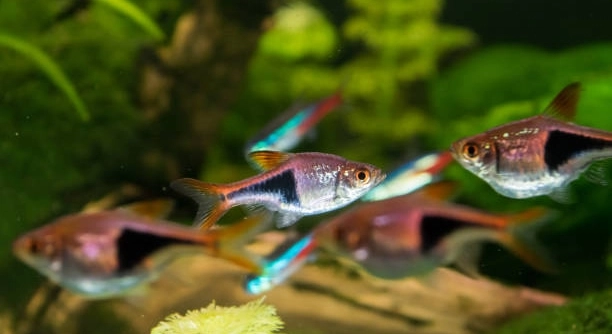
Rasboras are small, peaceful fish that brighten up any aquarium with their lively movements and colors. Caring for them properly ensures they remain healthy and active, making your aquarium a pleasant and thriving environment.
Recognizing early signs of illness in rasboras is essential for their well-being. Common indicators include abnormal swimming patterns, loss of appetite, discoloration, labored breathing, fin damage, bloating, and unusual behavior. Prompt detection allows timely intervention and treatment.
Knowing these warning signs will help you maintain a healthy environment and prevent minor issues from becoming serious problems. Proper attention ensures your rasboras stay vibrant and lively.
Loss of Appetite
When rasboras stop eating, it is often one of the first signs that something is wrong. Reduced appetite can stem from stress, poor water quality, or internal parasites. Observing their feeding habits daily helps identify changes early. Sometimes, the fish may nibble at food but quickly lose interest, which can indicate digestive issues or discomfort. In some cases, the problem might be environmental, such as sudden temperature changes or overcrowding. Offering a variety of foods, including live or frozen options, can encourage them to eat. Monitoring how quickly they consume food and noting any leftover pieces can give clues about their health. If appetite loss persists for more than a day or two, it is important to take action. Testing water parameters and adjusting conditions can often resolve the issue. In more severe cases, medications might be necessary to restore appetite and overall health.
Loss of appetite often signals underlying health issues that require prompt attention.
Maintaining consistent feeding routines, monitoring water quality, and observing behavior closely are key. Providing nutrient-rich foods and adjusting the tank environment can help your rasboras recover. Prompt intervention reduces the risk of more serious illnesses and ensures your fish remain active and healthy.
Abnormal Swimming Patterns
Erratic swimming, such as darting, spinning, or floating near the surface, indicates stress or illness in rasboras.
Abnormal swimming is usually linked to infections, parasites, or water quality problems.
Rasboras are naturally calm swimmers, so sudden changes in movement are concerning. Observing when and how these patterns occur can help identify the cause. For example, swimming near the surface may signal oxygen deficiency, while spinning or tilting could point to internal parasites or swim bladder issues. Poor water conditions, including high ammonia or nitrate levels, also contribute to abnormal movement. Stress factors like overcrowding or sudden lighting changes can trigger unusual swimming behavior. It is important to test the water regularly, maintain stable temperatures, and avoid sudden changes in the tank. Isolating affected fish in a separate tank can prevent potential spread of disease. Consistently monitoring your rasboras ensures early detection, allowing timely treatment and a return to normal, healthy behavior.
Would you like me to continue with the next sections following the same structure?
Discoloration
Discoloration in rasboras can indicate stress, poor water conditions, or disease. Fading colors or dark spots often appear before other symptoms and should not be ignored.
Rasboras display bright colors when healthy, and any change is noticeable. Pale or dull scales can result from prolonged stress, inadequate nutrition, or internal infections. Fungal or bacterial infections may cause dark patches, while poor water quality can make colors appear washed out. Observing changes in color alongside other symptoms, like lethargy or fin damage, helps pinpoint the issue. Correcting water parameters and providing a balanced diet can restore vibrancy in many cases. Prompt treatment is necessary when discoloration is accompanied by behavioral changes or visible lesions, as these may indicate more serious illness.
Consistent monitoring of tank conditions and regular feeding with varied, nutrient-rich food helps maintain natural coloration. Acting quickly at the first sign of color change can prevent escalation into severe health problems.
Fin Damage
Torn, frayed, or clamped fins are a clear sign of distress or illness in rasboras.
Fin damage often results from bacterial infections, poor water quality, or aggressive tank mates.
Rasboras rely on healthy fins for swimming and balance, so damage affects their mobility and comfort. Infections usually cause edges to appear ragged or discolored. Sharp decorations or overcrowded tanks can physically injure fins, while fin rot from bacteria or fungus worsens if untreated. Observing whether multiple fish are affected can help determine if the issue is environmental or contagious. Isolating affected fish and treating with appropriate medication supports recovery. Keeping the tank clean, avoiding overcrowding, and maintaining stable water conditions reduce the risk of fin problems. Early attention ensures your rasboras regain normal swimming and prevent further complications.
Regular inspection and gentle handling are key. Healthy fins reflect overall fish well-being and a properly maintained aquarium environment.
Labored Breathing
Labored breathing in rasboras is a serious indicator of stress or illness. Rapid gill movement, gasping at the surface, or staying near filters signals low oxygen or infection.
Water quality issues, high ammonia, or nitrite levels often cause breathing difficulties. Parasites or gill disease may also be responsible.
Bloating
Bloating occurs when rasboras’ bodies swell unusually, often signaling internal problems.
Overfeeding, constipation, or internal parasites commonly cause bloating. Swollen bellies can affect swimming and make the fish uncomfortable. Immediate attention, including adjusting diet and water conditions, helps prevent worsening of the condition and supports recovery.
Unusual Behavior
Rasboras that isolate themselves, hide excessively, or act lethargic are showing signs of distress. Observing behavior changes early allows for quicker intervention and care.
FAQ
How can I prevent my rasboras from getting sick?
Maintaining clean water is the most important step. Regularly test for ammonia, nitrites, and nitrates, and perform partial water changes weekly. Keep the tank well-aerated and avoid overcrowding. Providing a varied diet with high-quality flakes, frozen, or live foods supports immune health. Avoid sudden temperature changes and monitor the fish for early signs of stress or illness.
What should I do if I notice fin damage?
First, isolate affected fish in a quarantine tank to prevent the spread of infection. Check water quality and correct any imbalances. Use appropriate antibacterial or antifungal treatments if necessary. Remove sharp decorations in the main tank that could injure fins. Monitor healing, and continue feeding a nutritious diet to support recovery.
Why is my rasbora swimming abnormally?
Erratic swimming is often caused by stress, parasites, or poor water conditions. Check temperature, oxygen levels, and chemical parameters in the tank. Swim bladder issues may affect buoyancy, causing the fish to float, spin, or sink. If parasites are suspected, treatments with antiparasitic medications can help. Observing patterns and responding early improves the chance of recovery.
How do I handle discoloration in rasboras?
Fading or darkening of colors usually indicates stress, disease, or poor nutrition. Test water quality and adjust conditions as needed. Ensure a balanced diet rich in vitamins and proteins. If discoloration persists, inspect for fungal, bacterial, or parasitic infections and treat accordingly. Maintaining stable tank conditions prevents recurring issues.
What causes bloating in rasboras?
Bloating is often linked to overfeeding, constipation, or internal parasites. Feed smaller portions and remove uneaten food promptly. Offering daphnia or peas can relieve constipation. For parasite-related bloating, medications designed for internal infections may be necessary. Regular monitoring of diet and behavior reduces the risk of bloating and associated complications.
Why are my rasboras breathing heavily?
Labored breathing can result from low oxygen, ammonia spikes, or gill disease. Ensure proper aeration and circulation in the tank. Test water for harmful chemicals and maintain proper filtration. If gill parasites or bacterial infections are suspected, use appropriate treatments. Prompt action helps prevent long-term damage and stress.
Is unusual behavior always a sign of illness?
Not always, but sudden isolation, lethargy, or hiding can indicate stress or disease. Monitor tank conditions, diet, and interactions with other fish. If unusual behavior persists or is accompanied by physical symptoms, it is important to intervene with water adjustments, isolation, or treatment. Observing patterns over time helps determine the cause and prevent worsening conditions.
How quickly should I act when noticing symptoms?
Immediate action is essential. Early intervention improves recovery chances and prevents disease spread. Test water parameters, isolate affected fish if needed, and apply treatments as recommended. Consistent observation and maintenance ensure a healthier, more resilient tank environment for your rasboras.
Can diet prevent most health issues?
A balanced, varied diet strengthens the immune system and supports overall health. Include high-quality flakes, frozen or live foods, and occasional vegetable matter. Avoid overfeeding, as leftover food can degrade water quality, leading to illness. Diet alone cannot prevent all diseases, but it significantly reduces vulnerability and improves recovery outcomes.
How often should I check my rasboras for illness?
Daily observation is ideal. Watch feeding habits, swimming behavior, breathing, and coloration. Noticing changes early allows timely intervention. Combine this with weekly water testing and monthly tank maintenance for the best results. Preventive care is always easier than treating advanced illness.
Rasboras are delicate yet resilient fish that bring life and color to an aquarium when cared for properly. Observing them closely and maintaining a clean, stable environment is crucial to their well-being. Even minor changes in behavior, swimming patterns, or appetite can signal the onset of illness, and addressing these signs promptly can prevent more serious health problems. Consistent care, including regular water testing, partial water changes, and appropriate feeding, creates a safe and healthy habitat where rasboras can thrive. Paying attention to water parameters such as temperature, pH, and chemical levels helps reduce stress and supports their natural immune response, which is essential for preventing diseases.
Monitoring your rasboras’ physical appearance is equally important. Changes in coloration, bloating, or fin damage are often the first visible signs of distress. These symptoms may result from environmental stressors, infections, or nutritional deficiencies. Providing a balanced diet with high-quality flakes, live, or frozen food ensures your fish receive the nutrients necessary for strong immunity and overall vitality. Beyond nutrition, the tank setup itself influences health. Avoid overcrowding and remove sharp decorations that could injure fins. Ensuring proper aeration and filtration helps maintain oxygen levels and water quality, reducing the risk of respiratory issues. Paying close attention to these factors allows early detection and intervention, which significantly improves recovery chances and prevents the spread of illness within the aquarium.
Understanding rasbora behavior and health patterns allows you to respond effectively to any problems that arise. Unusual behaviors such as hiding, lethargy, or erratic swimming often indicate stress or disease and should never be overlooked. By observing these behaviors daily, you can identify subtle changes before they develop into serious conditions. When signs of illness appear, isolating affected fish and providing targeted treatment is essential to ensure recovery and protect other tank inhabitants. Maintaining a routine for feeding, cleaning, and water testing establishes a stable environment, which is one of the most reliable ways to prevent illness. Ultimately, attentive care, regular observation, and timely intervention work together to keep rasboras healthy, vibrant, and active, ensuring that your aquarium remains a lively and thriving ecosystem for these small, colorful fish.

Hello,
If you enjoy the content that we create, please consider saying a "Thank You!" by leaving a tip.
Every little bit helps us continue crafting quality advice that supports the health, happiness, and well-being of pets around the world, for pets of all shapes, sizes, and species.
We really appreciate the kindness and support that you show us!