
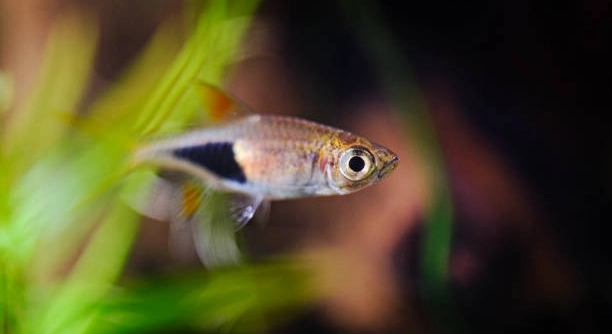
Are your rasbora tanks feeling a bit dull or unbalanced lately? Many aquarium enthusiasts notice that their fish don’t interact as actively as they should, affecting both the tank’s visual appeal and the health of the inhabitants.
Improving rasbora tank dynamics involves careful attention to their environment, including proper stocking levels, plant placement, water flow, and hiding spots. These adjustments enhance natural schooling behavior and reduce stress, leading to a more harmonious and active community.
Small changes in tank setup can create a lively, engaging environment for your rasboras. The following tricks will help transform your aquarium into a thriving aquatic space.
Choosing the Right Tank Size
A properly sized tank is essential for maintaining healthy rasbora behavior. Small tanks restrict swimming space and can stress the fish, leading to reduced activity and weaker schooling. A larger tank allows them to form natural schools, explore freely, and display vibrant colors. For most rasbora species, a minimum of 20 gallons is recommended, but bigger is always better. The tank should also provide sufficient horizontal space rather than just height, as rasboras are active swimmers that prefer gliding across the middle sections of the aquarium. Additionally, consider the number of fish you plan to keep. Overstocking can lead to poor water quality, aggressive behavior, and stunted growth. Pairing the right tank size with regular maintenance routines, such as water changes and filter cleaning, will support long-term health. Selecting the proper tank is one of the simplest ways to improve your fish’s overall activity and reduce stress levels significantly.
Proper tank dimensions ensure that rasboras can swim comfortably and interact naturally. A roomy tank fosters both activity and color.
Maintaining a tank that accommodates the number of rasboras you keep is crucial. A tank that is too small will restrict movement, causing tension within the group. Sufficient space helps fish school properly, avoid collisions, and display their natural behaviors. It also allows for more plants, décor, and hiding areas, which can reduce stress. A balanced environment encourages healthier fish, fewer diseases, and a visually appealing setup. Regular water testing ensures quality and stability, complementing the larger tank’s benefits.
Planting for Comfort and Exploration
Adding plants provides both hiding spots and swimming lanes for rasboras. Tall plants in the background and shorter plants in the middle or front create depth and natural barriers. This setup mimics their natural habitat, offering security while encouraging movement. Rasboras are naturally shy and appreciate places to retreat, which reduces stress and prevents erratic behavior. Using a mix of floating and rooted plants helps maintain stable water conditions and can break strong currents from filters, creating gentle zones for rest. Live plants also improve water quality by absorbing nitrates and providing oxygen, contributing to a healthier aquarium. Strategic plant placement encourages schooling and coordinated swimming patterns, making the tank appear more dynamic. This approach also supports breeding behavior, as plants offer safe areas for fry to hide. When planting, avoid overcrowding, as excessive foliage can limit swimming space and block sightlines, which could reduce social interaction.
Plants create a comfortable environment and improve water conditions. They help rasboras feel safe and move naturally.
Choosing a mix of tall and short plants enhances both aesthetics and function. Tall background plants give vertical cover, while shorter foreground species allow unobstructed swimming paths. Floating plants can diffuse strong light and reduce stress. Proper spacing prevents overcrowding, supporting schooling behavior and reducing conflicts. Integrating live plants encourages a healthier, self-sustaining environment. By mimicking natural habitats, the tank becomes more stimulating for the fish, promoting exploration and social interaction. Well-placed plants create resting areas and reduce aggressive tendencies, making the aquarium lively yet calm. Regular trimming and maintenance ensure plants continue to provide benefits without overwhelming the tank. This balance of coverage and open space is key to improving overall tank dynamics.
Maintaining Stable Water Conditions
Stable water parameters are essential for healthy rasboras. Sudden changes in temperature, pH, or hardness can stress the fish, reduce activity, and make them more prone to disease. Monitoring and adjusting water regularly helps maintain a balanced environment.
Keeping water conditions consistent requires regular testing and adjustments. Rasboras are sensitive to fluctuations, so gradual changes are necessary when correcting parameters. Temperature should be steady, ideally between 72–78°F, while pH should remain slightly acidic to neutral. Regular partial water changes help maintain low nitrate levels and overall cleanliness. Using a reliable filter and monitoring chemical levels ensures the aquarium remains stable, allowing rasboras to swim actively and school naturally. This approach reduces stress, improves immunity, and supports vibrant coloration, contributing to a dynamic and healthy tank environment.
Proper filtration and routine water changes complement monitoring efforts. Filters remove waste and debris while maintaining circulation, which encourages natural movement. Partial water changes prevent toxin buildup and keep the tank clean. Together, these practices create a balanced, low-stress environment where rasboras can thrive, display social behaviors, and remain visually appealing. Maintaining stability in the aquarium not only supports fish health but also enhances tank aesthetics.
Creating Open Swimming Spaces
Rasboras need clear areas to swim freely alongside planted zones. Open spaces allow natural schooling behavior and reduce territorial stress among fish.
Designing the tank with open zones requires careful placement of décor and plants. Avoid overcrowding, leaving enough horizontal space for active swimming. Rasboras move in coordinated patterns, and unblocked areas let them glide effortlessly. Providing these spaces prevents collisions, promotes social cohesion, and allows the fish to exhibit natural behaviors. Floating plants or small clusters can create gentle partitions without restricting movement, maintaining a balance between safety and freedom. Open spaces also improve water circulation, ensuring even temperature and oxygen distribution. This simple arrangement fosters both activity and calmness.
Balancing open areas with plant clusters encourages exploration while providing security. The contrast between wide swimming paths and sheltered spots reduces stress and enhances schooling. Proper spacing promotes interaction, natural behaviors, and a visually dynamic tank. This setup supports both health and aesthetics, making the aquarium lively yet orderly. Open swimming zones are a small but significant adjustment that directly impacts rasbora behavior and overall tank harmony.
Proper Schooling Numbers
Rasboras feel more secure and display natural behaviors when kept in groups of six or more. Smaller numbers can lead to stress and erratic swimming patterns, reducing overall tank harmony.
A well-sized school allows coordinated movement and strengthens social bonds. Larger groups help fish feel confident and reduce hiding behaviors, keeping the tank active and lively.
Balanced Diet
Feeding a varied diet supports energy levels and vibrant colors. Rasboras thrive on high-quality flakes, micro pellets, and occasional live or frozen foods like brine shrimp or daphnia.
A balanced diet ensures healthy growth and activity. Overfeeding can pollute the water, while underfeeding reduces energy for swimming and schooling. Monitoring portions and feeding schedules maintains both fish health and water quality.
Gentle Water Flow
Rasboras prefer calm to moderate water currents. Strong currents can stress them and interfere with schooling behavior, while gentle flow encourages natural swimming patterns and exploration.
FAQ
How many rasboras should I keep together?
Rasboras are schooling fish, and keeping at least six together is ideal. Smaller groups can lead to stress and erratic behavior. Larger groups encourage natural movement, improve social interaction, and make the tank look more active. Schools also help fish feel secure and reduce hiding tendencies.
What tank size is best for rasboras?
A minimum of 20 gallons is recommended for most rasbora species. Horizontal space is especially important since they swim in the middle of the tank. Bigger tanks allow for more fish, plants, and open swimming zones, reducing stress and supporting healthier behavior.
What water conditions do rasboras prefer?
Rasboras thrive in stable water with temperatures between 72–78°F and slightly acidic to neutral pH. Consistency is key. Sudden changes can stress the fish and make them more vulnerable to disease. Regular testing and partial water changes help maintain balanced conditions.
Do rasboras need live plants?
Live plants are not strictly necessary but highly beneficial. They provide hiding spots, improve water quality, and help create a natural environment. Plants also encourage schooling and allow the fish to display natural behaviors while reducing stress. A mix of tall, short, and floating plants works best.
How often should I feed rasboras?
Feed small amounts two to three times daily. Overfeeding can pollute the water, while underfeeding reduces energy and color vibrancy. A varied diet including flakes, micro pellets, and occasional frozen or live foods keeps fish healthy and active.
Can rasboras live with other fish?
Yes, rasboras are peaceful and compatible with other non-aggressive species. Avoid large, aggressive fish that may stress or eat them. Community tanks with similar-sized fish encourage social behavior and reduce conflicts, maintaining a calm environment.
Why are my rasboras hiding constantly?
Excessive hiding usually indicates stress. Causes can include poor water conditions, overcrowding, or insufficient hiding spots. Check water quality, adjust stocking numbers, and ensure there are plants or décor for security. Healthy, unstressed rasboras will swim actively and school naturally.
What is the best way to arrange décor and plants?
Create open swimming zones while keeping plants or décor along the edges. This provides both security and freedom of movement. Tall plants in the background and shorter plants in the middle or foreground allow natural schooling and exploration. Avoid overcrowding to maintain balance.
Do rasboras need strong water currents?
No, gentle to moderate flow is ideal. Strong currents can stress rasboras and interfere with schooling. Position filters or powerheads to create mild circulation, mimicking natural conditions while allowing the fish to swim comfortably and display normal behavior.
How can I encourage natural schooling behavior?
Provide adequate group sizes, open swimming areas, and consistent water conditions. Avoid overcrowding and sudden changes in the environment. Balanced décor, gentle water flow, and secure plant placement help fish feel safe, promoting synchronized swimming and active social interaction.
Are there signs of illness I should watch for?
Watch for lethargy, faded colors, loss of appetite, or abnormal swimming. Fin damage, spots, or swelling can indicate disease. Prompt attention, quarantine if needed, and maintaining water quality help prevent serious problems. Healthy fish are active, colorful, and interact regularly with their schoolmates.
Can rasboras breed in a community tank?
Breeding is possible, but rasboras often prefer isolated or heavily planted areas for spawning. Provide fine-leaved plants or spawning mops, and maintain stable water conditions. Remove adults after eggs are laid to prevent them from eating the fry, ensuring better survival rates.
How often should I clean the tank?
Perform partial water changes of 20–30% weekly. Remove debris and vacuum the substrate without disturbing plants. Clean filters as needed, but avoid replacing all media at once to preserve beneficial bacteria. Regular maintenance ensures healthy water quality and stable conditions.
What lighting conditions do rasboras prefer?
Moderate lighting is best. Too bright can stress them, while too dim may limit plant growth and reduce coloration. A consistent day-night cycle encourages natural activity, enhances color, and supports plant health, creating a balanced and pleasant environment.
How do I prevent aggression in the tank?
Maintain proper group sizes, avoid overcrowding, and choose compatible tank mates. Provide enough swimming space and hiding areas. Balanced water parameters and consistent care reduce stress, which in turn minimizes aggressive behaviors among rasboras and other fish in the tank.
Can I keep different rasbora species together?
Yes, many species are compatible, but check size, temperament, and water requirements. Similar species are more likely to school together harmoniously. Mixing incompatible species can lead to stress, chasing, or poor schooling, so careful selection is important for a cohesive tank.
How do I improve coloration in rasboras?
Provide a balanced diet with high-quality food, stable water parameters, and adequate lighting. Stress-free conditions and natural décor enhance colors. Healthy rasboras with proper nutrition and environment will display vibrant, lively hues while swimming actively in schools.
Is it necessary to have a heater in the tank?
Yes, most rasbora species require a stable temperature within 72–78°F. A reliable heater ensures consistent warmth, supporting immune function, energy levels, and natural behavior. Sudden temperature drops can lead to stress or illness, so a heater is essential for tropical setups.
How do I reduce stress in rasboras?
Maintain stable water, proper group sizes, gentle currents, adequate plants, and open swimming areas. Avoid sudden changes or aggressive tank mates. A calm, well-structured environment promotes natural behaviors, reduces hiding, and encourages schooling, keeping rasboras healthy and active.
What should I do if water parameters fluctuate?
Make gradual adjustments and monitor closely. Sudden changes can harm fish. Use buffers, conditioners, or equipment to stabilize pH, hardness, or temperature. Consistency is key for rasbora health, allowing them to swim naturally and maintain normal behavior patterns.
Can rasboras recognize their tank mates?
Yes, schooling behavior indicates recognition of familiar fish. They rely on visual cues to coordinate movements. Proper group size and stable environment strengthen social bonds, leading to cohesive schools and more dynamic, harmonious tank activity.
Are rasboras sensitive to noise or vibrations?
Rasboras can be startled by excessive noise, sudden vibrations, or tapping on the glass. Minimizing disturbances helps reduce stress and encourages natural swimming patterns. A quiet, stable environment allows fish to interact normally and display their full colors.
How long do rasboras live?
Most species live 3–5 years with proper care. Stable water conditions, a balanced diet, and low-stress environments contribute to longevity. Regular maintenance and attentive care ensure rasboras remain healthy, active, and vibrant throughout their lifespan.
What is the best substrate for rasbora tanks?
Fine gravel or sand works well, supporting plant roots and providing a natural look. Avoid sharp substrates that can injure delicate fins. Substrate choice also influences water flow, plant growth, and hiding spaces, contributing to overall tank dynamics.
Can rasboras tolerate cooler water?
Some species can tolerate slightly cooler temperatures, but most tropical rasboras prefer warmth. Maintaining a stable temperature is more important than exact degrees. Sudden drops can stress fish, reduce activity, and make them vulnerable to disease, so heaters are recommended.
How do I introduce new rasboras to the tank?
Acclimate slowly using a drip or floating method to reduce shock. Observe for signs of stress or aggression. Adding new fish gradually ensures the existing school remains cohesive and the newcomers adjust safely to the environment.
Is it necessary to quarantine new fish?
Yes, quarantining for 2–3 weeks helps prevent disease introduction. Observe behavior, check for parasites, and treat if needed. A quarantine period protects both new and existing rasboras, maintaining a healthy, stable tank environment.
How can I encourage active behavior during the day?
Provide open swimming areas, moderate lighting, and stable water conditions. Balanced diets and minimal disturbances also promote activity. Rasboras naturally school during daylight, so a well-structured environment encourages coordinated swimming and exploration.
What tank décor is best for rasboras?
Use plants, driftwood, and smooth rocks to create hiding spots and swimming lanes. Avoid sharp objects. A mix of open space and shelter supports natural behaviors, schooling, and stress reduction, enhancing overall tank dynamics.
How often should I trim plants?
Trim regularly to prevent overcrowding and maintain open swimming paths. Removing dead leaves improves water quality. Balanced plant care supports both aesthetics and fish health, keeping the tank dynamic and active.
Can rasboras coexist with shrimp or snails?
Yes, peaceful invertebrates like shrimp and snails are generally compatible. They do not compete aggressively and can help clean the tank. Ensure enough hiding spaces for shrimp to avoid stress from active fish.
What is the best way to handle stressed rasboras?
Identify the cause, such as water issues, overcrowding, or aggressive tank mates. Adjust conditions gradually, provide hiding spots, and maintain consistent care. Calm environments restore natural behavior and reduce risk of illness.
Do rasboras need supplemental aeration?
Not usually if the tank is well-planted and properly filtered. Gentle water flow and surface agitation are sufficient. Supplemental aeration can help in crowded tanks or during high temperatures to maintain oxygen levels.
How do I prevent disease outbreaks?
Maintain clean water, stable conditions, and a balanced diet. Quarantine new fish and avoid overcrowding. Early detection and treatment minimize impact, keeping rasboras healthy and active.
Can rasboras adapt to different tank setups?
Yes, they are adaptable but prefer conditions close to their natural habitat. Stable water, appropriate schooling numbers, gentle flow, and plants are key. Drastic changes can stress the fish and reduce activity, so gradual adjustments are best.
What temperature range is safest for breeding?
Keep water between 75–78°F with stable pH and hardness. A calm, planted environment encourages spawning, and removing adults after eggs are laid improves fry survival. Consistency supports healthy development.
How can I tell if my rasboras are happy?
Active schooling, bright coloration, regular feeding, and minimal hiding indicate good health. Confident swimming and interaction with tank mates show they feel secure and comfortable in their environment.
Is it safe to use tap water for rasboras?
Yes, if treated with a water conditioner to remove chlorine or chloramines. Testing for hardness and pH ensures suitability. Conditioned tap water provides a safe, balanced environment for healthy rasboras.
How much light is ideal for a rasbora tank?
Moderate lighting supports plant growth and natural fish behavior. Avoid harsh, direct light that stresses the fish. A consistent day-night cycle encourages activity, healthy coloration, and normal schooling patterns.
Can rasboras live in a community tank with tetras?
Yes, most small, peaceful tetras are compatible. Both species enjoy schooling behavior and similar water conditions. Avoid aggressive or much larger fish that can intimidate or harm rasboras.
Should I cover the tank?
A lid helps prevent jumping, maintains temperature, and reduces evaporation. Rasboras may jump if startled or stressed, so a secure cover ensures safety while maintaining environmental stability.
Do rasboras need a specific diet to enhance color?
High-quality flakes or pellets with carotenoids, plus occasional live or frozen foods, support vibrant coloration. Consistent feeding and balanced nutrition keep fish healthy, active, and visually appealing.
How do I reduce algae growth in a rasbora tank?
Maintain proper lighting, regular water changes, and avoid overfeeding. Live plants compete with algae for nutrients, helping reduce its spread. Proper tank balance prevents excessive algae while keeping fish and plants healthy.
Can rasboras live in brackish water?
No, they are freshwater fish. Slightly soft to moderately hard freshwater is ideal. Introducing salt or brackish conditions can harm their health and behavior.
What is the ideal pH for rasboras?
Slightly acidic to neutral, around 6.5–7.0, is preferred. Stable pH is more important than exact numbers. Sudden shifts stress the fish and can lead to illness or reduced activity.
How do I introduce plants without disturbing the fish?
Plant slowly, placing them along the edges first. Avoid sudden rearrangements that block swimming paths. Gentle introduction minimizes stress and maintains natural schooling behavior.
Can rasboras recognize feeding times?
Yes, they can associate routine feeding with cues like light changes or movement near the tank. Consistent schedules encourage activity and coordinated swimming during feeding periods.
Are there signs of overcrowding?
Signs include aggressive chasing, frequent hiding, poor growth, and elevated nitrate levels. Maintaining proper school size and tank volume prevents stress and supports healthy dynamics.
How do I remove uneaten food safely?
Use a siphon or net to remove debris after feeding. Uneaten food decomposes quickly, affecting water quality and stressing rasboras. Prompt removal keeps the tank clean and reduces disease risk.
Can rasboras tolerate other schooling fish?
Yes, similar-sized, peaceful schooling fish coexist well. Mixing species is possible if water requirements match and space allows, ensuring healthy social interactions without stress.
Do rasboras need hiding places even in a large tank?
Yes, plants or décor provide security. Hiding spots reduce stress, prevent bullying, and encourage natural behaviors. Even in spacious tanks, shelter contributes to overall well-being and active schooling.
How do I acclimate new fish?
Float the bag in the tank for 15–20 minutes, gradually mix tank water, and release slowly. This reduces shock, allowing rasboras to adjust to temperature, pH, and hardness safely.
What is the lifespan of a healthy rasbora?
With proper care, most species live 3–5 years. Stable conditions, proper diet, and low-stress environments support longevity, vibrant colors, and active behavior throughout their life.
Can rasboras live without plants?
Yes, but plants improve comfort, security, and water quality. Without plants, fish may stress more and display less natural behavior. Adding décor or artificial plants can partially compensate.
How do I reduce stress during maintenance?
Perform water changes gently, avoid sudden rearrangements, and minimize noise or vibrations. Keeping a calm environment allows rasboras to maintain natural behaviors and reduces illness risk.
Do rasboras need a dark resting period?
Yes, consistent day-night cycles are important. Darkness allows rest, reduces stress, and supports natural behavior, enhancing activity and color during daylight hours.
What should I do if rasboras stop schooling?
Check water quality, group size, and tank layout. Ensure gentle flow, proper feeding, and adequate space. Restoring optimal conditions encourages normal schooling behavior and reduces stress.
Can rasboras coexist with goldfish?
No, goldfish are much larger and produce more waste, which can harm water quality and stress rasboras. Stick to small, peaceful community species.
Is it safe to use decorations with sharp edges?
Avoid sharp decorations. Rasboras have delicate fins, and rough surfaces can cause injury or infection. Smooth décor ensures safety and allows free swimming.
How can I monitor stress levels in rasboras?
Watch for hiding, clamped fins, faded color, and erratic swimming. Active, schooling, and vibrant fish indicate low stress and a healthy environment.
Do rasboras need a specific temperature at night?
Maintain the same stable temperature day and night. Slight drops are acceptable but avoid sudden changes. Consistent warmth supports health, energy, and normal schooling patterns.
Can I mix dwarf and larger rasboras together?
Yes, if space allows and water conditions are compatible. Ensure smaller fish are not bullied and have open swimming areas to reduce stress and support schooling.
Are rasboras sensitive to chemicals in tap water?
Yes, chlorine and chloramine are harmful. Always use a water conditioner before adding tap water to the tank to protect their health and behavior.
How can I tell if my rasboras are thriving?
They swim actively in groups, display bright colors, eat readily, and interact with tank mates. Healthy behavior includes coordinated schooling, exploration, and minimal hiding.
Do rasboras require aeration during winter?
Only if oxygen levels drop or water is colder. In heated, well-planted tanks, standard filtration is usually sufficient. Aeration can help maintain oxygen balance when necessary.
Can rasboras adapt to low-light setups?
Yes, but moderate lighting supports coloration, plant growth, and activity. Low-light conditions may reduce visibility, natural behavior, and plant health.
How do I prevent chasing or bullying in the tank?
Maintain proper school sizes, avoid overcrowding, provide hiding spots, and choose compatible tank mates. Gentle water flow and stable conditions reduce aggression.
Should I remove algae manually?
Yes, scraping or using algae-eating species prevents excessive buildup. Controlling algae supports plant growth, water quality, and aesthetics while keeping the tank healthy for rasboras.
Are rasboras sensitive to vibrations from outside the tank?
Yes, vibrations can startle them and disrupt schooling. Place the tank on a stable surface and avoid tapping or banging to maintain a calm environment.
Can rasboras live in soft or hard water?
They prefer slightly soft to moderately hard water. Sudden changes can stress them, so maintain consistent hardness levels suitable for their species.
How often should I test water parameters?
Weekly testing for pH, ammonia, nitrites, and nitrates is recommended. Frequent monitoring helps detect problems early and maintain a stable, healthy environment.
Do rasboras recognize individual tank mates?
Yes, schooling behavior relies on recognizing familiar fish. Consistent groups strengthen social bonds, coordination, and natural movement patterns.
How can I prevent stress during tank rearrangements?
Move décor gradually, maintain open swimming spaces, and avoid sudden changes. Gentle adjustments reduce stress and encourage continued natural behavior.
Is it necessary to have a substrate for rasboras?
Substrate is optional but recommended. Sand or fine gravel supports plant roots, creates hiding spots, and contributes to a natural tank environment, enhancing overall dynamics.
Can rasboras tolerate small water parameter fluctuations?
Minor, gradual changes are usually tolerated. Rapid or extreme shifts in temperature, pH, or hardness can cause stress, illness, or reduced activity.
Should I separate aggressive individuals?
Yes, remove or isolate any fish showing persistent aggression. Ensuring a peaceful environment is crucial for healthy schooling and stress-free behavior.
Do rasboras need aeration at night?
Not typically. Standard filtration and gentle circulation provide sufficient oxygen. Additional aeration may be needed only in heavily stocked or warm
Caring for rasboras requires attention to both their environment and social needs. A well-maintained tank with stable water conditions, appropriate temperature, and proper filtration is essential for healthy, active fish. Rasboras thrive when stress is minimized, which means avoiding sudden changes in water parameters, maintaining proper school sizes, and providing both open swimming areas and places to hide. These measures help support natural behaviors such as schooling, exploring, and resting. Observing your fish regularly allows you to notice subtle changes in behavior or appearance, which can indicate stress or illness. Addressing these issues promptly ensures long-term health and helps maintain a balanced tank dynamic. Even small adjustments, like repositioning plants, changing the flow of water, or adjusting feeding schedules, can have a noticeable impact on the overall behavior and vitality of the fish. Over time, these consistent practices lead to a tank that feels lively and cohesive, with fish interacting naturally and confidently.
Diet and nutrition play a key role in rasbora health and activity. Providing a balanced diet of high-quality flakes or pellets, along with occasional live or frozen foods, ensures that the fish receive necessary nutrients to maintain energy, vibrant colors, and robust immune systems. Feeding should be done in controlled portions to prevent overfeeding, which can pollute the water, or underfeeding, which may cause lethargy and stress. Offering variety encourages natural feeding behavior and keeps the fish engaged. A healthy diet, combined with clean, well-oxygenated water and stable conditions, allows rasboras to display their natural schooling patterns and interact with each other without conflict. Paying attention to these details not only benefits the individual fish but also enhances the overall appearance and harmony of the tank. Over time, consistent care in these areas reduces common issues such as aggression, hiding, or erratic swimming and contributes to a visually appealing, dynamic aquatic environment.
Tank design and maintenance are equally important in shaping the behavior and comfort of rasboras. Plants, décor, and substrate should be arranged to create a balance between open swimming zones and secure hiding spots. Tall background plants, mid-level foliage, and floating plants can help create depth and reduce stress, while still leaving room for coordinated schooling. Regular maintenance, including partial water changes, filter cleaning, and careful trimming of plants, ensures that the tank environment remains stable and healthy. Proper lighting, gentle water flow, and consistent feeding schedules further contribute to a calm, structured environment where rasboras can thrive. By paying attention to these factors, you create a habitat that supports the fish’s physical health, encourages natural behavior, and improves overall tank dynamics. Consistent care, combined with thoughtful tank setup, allows rasboras to live longer, more active lives, while providing an attractive and harmonious aquarium for observation and enjoyment. A focus on stability, nutrition, and environmental design ultimately results in a thriving, lively tank where both the fish and the aquarium itself are at their best.

Hello,
If you enjoy the content that we create, please consider saying a "Thank You!" by leaving a tip.
Every little bit helps us continue crafting quality advice that supports the health, happiness, and well-being of pets around the world, for pets of all shapes, sizes, and species.
We really appreciate the kindness and support that you show us!