
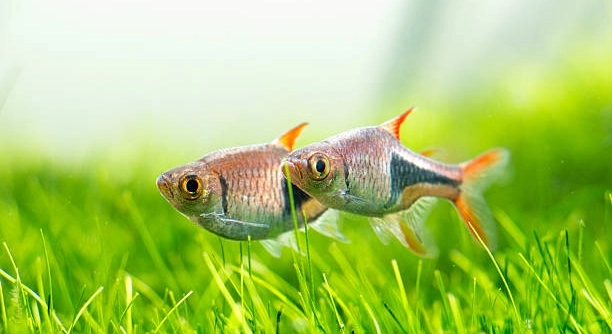
Rasboras are popular freshwater fish known for their vibrant colors and peaceful nature. Many aquarists enjoy keeping them in community tanks, appreciating their active swimming patterns and calm temperament among other small fish species.
Rasboras can tolerate slight drops in temperature, but sudden or extreme changes may stress them. Gradual adjustments within a stable range allow their metabolism to adapt, ensuring proper health and continued normal activity in cooler waters.
Maintaining stable conditions is essential, and understanding their limits will help keep your rasboras thriving in any aquarium environment.
Understanding Rasboras’ Temperature Needs
Rasboras thrive in warm, tropical waters and are sensitive to sudden changes in temperature. Keeping their environment stable is key to preventing stress. They prefer a temperature range between 72°F and 78°F. Small drops in temperature can be tolerated if they occur gradually, but rapid decreases may impact their metabolism, appetite, and activity. These fish rely on consistent conditions to maintain their natural behavior. Aquarists often notice changes in swimming patterns or color intensity when temperatures fluctuate too much. Proper monitoring using a reliable aquarium thermometer helps ensure a stable habitat. Adjustments should be made slowly, over several days, allowing the fish to acclimate without shock. Heating or cooling devices can help maintain steady temperatures, but overcorrection should be avoided. Observing the fish regularly gives insight into their comfort level, making it easier to detect early signs of stress.
Maintaining a stable temperature encourages healthy behavior and reduces the risk of illness.
Gradual acclimation is safer than sudden changes. Introducing cooler water slowly allows rasboras to adjust without significant stress. Using a drip acclimation method or mixing small amounts of cooler water over time helps them adapt. Sudden temperature swings can weaken their immune system, leading to potential infections. Additionally, stable water conditions support proper feeding, reproduction, and overall activity. By carefully monitoring temperature and observing their behavior, you can create a comfortable environment that mimics their natural habitat while preventing unnecessary stress. Consistency is the key to keeping these delicate fish healthy and active.
Signs Rasboras Are Adjusting
Watch for changes in swimming patterns or appetite, as these can indicate their response to cooler temperatures.
Rasboras may become less active initially when the water cools. They could swim more slowly, spend more time near the bottom, or reduce social interactions. These signs generally indicate their metabolism is adjusting. Once they acclimate, activity levels usually return to normal, and their colors regain brightness. Monitoring feeding behavior is also important, as a decrease in appetite can signal stress. Ensuring other water parameters like pH and hardness remain stable will help minimize additional strain. Observing these subtle changes allows you to respond quickly, providing a supportive environment that encourages healthy adjustment over time.
Gradual temperature changes give rasboras the best chance to thrive without compromising their health. Starting with small adjustments, such as lowering water by one or two degrees per day, helps the fish acclimate naturally. Supporting their environment with proper filtration, aeration, and regular water checks reduces additional stress. If signs of lethargy or color fading persist beyond a few days, reviewing other water parameters is necessary. Stress can make fish more vulnerable to disease, so maintaining clean water and stable temperatures is critical. Patience is important, as rasboras can take a week or longer to fully adapt. By following careful acclimation practices, you can ensure they remain healthy, active, and visually vibrant in cooler conditions.
Gradual Acclimation Techniques
Lowering water temperature slowly helps rasboras adjust without stress. Sudden changes can shock their system, affecting appetite and activity.
One effective method is to reduce the water temperature by one or two degrees Fahrenheit per day. Using a separate container to mix cooler water with the tank water gradually allows the fish to adapt safely. Drip acclimation can also work well, especially for small groups. Monitoring behavior during this process is important. If the fish show signs of stress, slowing the adjustment is necessary. Maintaining stable other parameters, such as pH and hardness, supports a smoother transition.
Keeping changes slow ensures their metabolism can adapt naturally. Using a thermometer to check daily changes helps prevent accidental drops. Combining proper filtration and aeration reduces additional stress during acclimation. Avoid rapid adjustments even if the water feels only slightly cooler. Over time, the fish regain normal activity levels and maintain vibrant colors. Gradual acclimation strengthens their resilience to minor future temperature fluctuations, creating a stable, healthy environment. Observing their behavior closely ensures you respond to any issues immediately, keeping the transition safe.
Monitoring Behavior and Health
Activity levels and feeding habits are reliable indicators of how well rasboras are coping with cooler temperatures. Subtle changes can reveal stress early.
If the fish become less active, spend more time at the bottom, or reduce schooling behavior, these are signs their metabolism is adjusting. Appetite may decrease temporarily, but regular feeding should resume once acclimation progresses. Watching color intensity helps gauge stress—dull colors can indicate discomfort. Maintaining clean water and consistent parameters is crucial to prevent secondary health issues. Documenting observations over several days allows you to track progress and identify trends. Quick intervention is necessary if lethargy or unusual behavior persists.
Regular monitoring supports long-term health. Healthy rasboras remain active, swim in groups, and feed normally. Water quality, stable temperatures, and proper nutrition all contribute to their recovery and comfort. Addressing any abnormalities early prevents illness. Using a log or journal to track behavior and feeding patterns helps detect small changes before they become problems. Supporting their immune system with balanced feeding and stress-free conditions ensures resilience. Over time, consistent care strengthens their adaptation, making them more robust in cooler conditions. This attention to detail maintains a thriving aquarium environment for all your fish.
Ideal Temperature Range
Rasboras do best between 72°F and 78°F. Staying within this range keeps their metabolism stable and activity levels normal.
Temperatures below 70°F can slow them down, while higher than 80°F may stress their system. Gradual adjustments help them remain healthy.
Adjusting Tank Equipment
Using heaters or chillers allows precise control of water temperature. Regular checks ensure the environment stays stable. Maintaining consistent conditions prevents stress and supports normal feeding and activity patterns.
Signs of Stress
Lethargy, loss of color, and reduced appetite indicate stress. Observing these signs early allows quick action to correct conditions.
FAQ
How long can rasboras tolerate cooler temperatures?
Rasboras can tolerate slightly cooler temperatures for short periods, usually a few days, if the change is gradual. Sudden drops can stress them, impacting appetite and activity. Maintaining consistent temperature is key for their health and overall well-being.
What is the safest way to lower the tank temperature?
The safest method is gradual adjustment. Reduce the temperature by one or two degrees Fahrenheit per day. Using a separate container to mix cooler water slowly or a drip acclimation method helps prevent shock. Patience is essential during this process.
Can rasboras survive in temperatures below 70°F?
They may survive for short periods, but metabolism slows, activity decreases, and appetite may drop. Extended exposure can lead to stress and vulnerability to disease. Close monitoring and gradual adjustments are necessary if cooler temperatures are unavoidable.
How do I know if my rasboras are stressed by cold water?
Signs include lethargy, loss of color, spending more time at the bottom, and reduced schooling. Appetite changes are also common. Observing behavior and swimming patterns daily helps detect stress early.
Can heating or cooling devices harm rasboras?
Improper use can cause sudden temperature swings, which are harmful. Always monitor devices with a thermometer, avoid overcorrection, and ensure gradual changes. Stable conditions are more important than reaching exact numbers quickly.
Should I change feeding habits in cooler water?
Yes. Feed smaller portions more frequently if metabolism slows. Avoid overfeeding, as uneaten food can decay and reduce water quality, adding stress to the fish. Monitor appetite carefully during acclimation.
Do rasboras need extra care in winter?
Yes. Rooms tend to cool, so monitoring the tank temperature is important. Gradual adjustments and stable water parameters help prevent stress. Additional aeration may support oxygen levels if water temperature drops slightly.
Can mixing species affect their tolerance to cooler temperatures?
Yes. Some species tolerate cooler water better than rasboras. Mixing sensitive fish with hardier species may create competition for warmth or stress-sensitive fish. Keep similar-temperature-tolerant species together for smoother acclimation.
How long does it take for rasboras to fully adjust to cooler temperatures?
Adjustment usually takes several days to a week. Gradual changes allow metabolism to adapt. Behavior should normalize, and colors should regain vibrancy once they are fully acclimated. Monitor closely during this period for any signs of stress.
Are there long-term effects of repeated temperature fluctuations?
Repeated fluctuations can weaken the immune system, reduce lifespan, and increase susceptibility to disease. Consistent, stable conditions support healthy growth and behavior. Avoid frequent or sudden changes to maintain long-term health.
Can rasboras breed in cooler water?
Breeding is less likely in cooler temperatures. Their reproductive activity decreases as metabolism slows. Maintaining optimal temperature is necessary for successful spawning and egg development. Cooler water may delay or prevent breeding entirely.
Is it safe to use ice to cool the tank?
No. Adding ice causes sudden temperature drops, which can shock the fish. If cooling is needed, use gradual methods like chillers or mixing cooler water slowly. Sudden drops are stressful and potentially dangerous.
What water parameters should I monitor along with temperature?
pH, hardness, and ammonia levels are important. Stable temperature combined with proper water quality ensures a healthy environment. Sudden changes in any parameter can compound stress from cooler temperatures.
How do I help rasboras regain energy after a temperature drop?
Maintain stable water conditions, feed small, high-quality portions, and ensure aeration. Gradual warming to optimal temperature, if safe, can help metabolism recover. Observing behavior helps gauge recovery.
Can adult and juvenile rasboras handle temperature changes differently?
Yes. Juveniles are generally more sensitive to temperature changes. Extra care is needed when acclimating young fish. Adults tolerate minor fluctuations better, but gradual adjustments are still necessary for both.
Is it necessary to adjust lighting when temperature drops?
Not directly, but stable lighting supports normal behavior and feeding. Drastic changes in lighting combined with temperature stress can further affect their activity and color. Consistency is key.
How can I prevent stress during temperature adjustments?
Keep changes slow, monitor behavior, maintain water quality, and avoid overcrowding. Providing hiding spots and stable conditions reduces stress and supports healthy adaptation.
Can rasboras adapt permanently to slightly cooler water?
They can tolerate minor long-term drops if conditions remain stable. However, significant deviations from their preferred range may affect metabolism, growth, and overall health over time. Gradual adaptation and careful monitoring are essential.
What are the most common mistakes when adjusting tank temperature?
Rapid changes, neglecting other water parameters, overfeeding, and failing to observe fish behavior are common errors. All adjustments should be slow, controlled, and combined with careful monitoring to ensure safety.
Are there signs that indicate permanent damage from temperature stress?
Persistent lethargy, faded colors, prolonged loss of appetite, or recurring illness may indicate long-term effects. Immediate action is required to stabilize the environment and support recovery.
How often should I check the tank during acclimation?
Daily monitoring is ideal. Observe temperature, behavior, and feeding patterns. Frequent checks allow timely adjustments, preventing prolonged stress and supporting gradual adaptation.
Do rasboras require different care in community tanks during cooler temperatures?
Yes. Sensitive species may need separate acclimation. Ensure compatible species and stable conditions to prevent stress, aggression, or competition for resources during temperature adjustments.
What is the best way to document their adaptation progress?
Keep a simple log of temperature changes, feeding behavior, activity levels, and color intensity. Tracking patterns over time helps identify stress and evaluate acclimation success.
Can stress from cooler temperatures lead to disease?
Yes. Stress weakens the immune system, making rasboras more prone to infections like fin rot or fungal growth. Maintaining stable conditions reduces disease risk.
Is it necessary to consult a specialist for severe temperature issues?
If fish show prolonged lethargy, loss of appetite, or unusual behavior despite gradual adjustments, consulting an aquatics specialist is recommended. Early professional advice can prevent permanent damage.
How do I balance temperature adjustments with other tank maintenance?
Perform regular water changes, monitor parameters, and avoid overfeeding. Combine routine care with gradual temperature shifts to maintain a stable and healthy environment.
What equipment is essential for safe temperature management?
Reliable thermometer, adjustable heater or chiller, and proper filtration are critical. Backup power or monitoring tools can prevent sudden fluctuations and ensure consistent conditions.
Are there natural ways to support rasboras during cooler periods?
Providing plants, hiding spots, and a calm environment helps reduce stress. Stable lighting and consistent feeding routines also support their well-being during temperature adjustments.
Can rasboras adapt better in planted tanks?
Yes. Plants provide shelter and help stabilize water parameters. This creates a less stressful environment, aiding in gradual acclimation to cooler temperatures.
Is observation more important than exact temperature control?
Both are important, but watching behavior gives early signs of stress. Even with precise control, fish may react differently, making observation critical.
How do I resume normal care after acclimation?
Once activity, appetite, and color return to normal, maintain stable conditions. Gradually return to standard feeding routines and continue regular water monitoring to support ongoing health.
Can gradual acclimation be applied multiple times?
Yes, but avoid frequent temperature swings. Only make adjustments when necessary, using slow, controlled changes to prevent cumulative stress.
What is the safest temperature range for long-term comfort?
72°F to 78°F is ideal for long-term health. Minor fluctuations within this range are manageable, but stability ensures their metabolism, activity, and immune system remain strong.
How do I differentiate between temporary stress and serious health issues?
Temporary stress often resolves within a few days with stable conditions. Persistent lethargy, color loss, or appetite changes may indicate a deeper issue requiring intervention.
Are there signs rasboras are thriving in cooler water?
Active swimming, normal schooling, regular feeding, and vibrant color indicate successful acclimation. Stability in behavior and appearance shows they are coping well.
Can rasboras teach me about aquarium management?
Observing their responses highlights the importance of gradual changes, stable parameters, and attentive care. These lessons apply to maintaining a healthy tank environment overall.
Is water circulation important during temperature adjustments?
Yes. Proper circulation ensures even distribution of heat or cooler water. It prevents cold or hot spots that could stress the fish.
Can rasboras recover fully from minor temperature shock?
With proper care, gradual stabilization, and attention to water quality, they usually recover. Persistent monitoring ensures their health returns to normal.
What final precautions should I take during winter months?
Monitor indoor temperatures, maintain heaters or chillers, provide stable lighting, and continue daily observation. These steps reduce stress and support long-term health.
How do I combine temperature management with feeding schedules?
Feed smaller, frequent portions if metabolism slows. Avoid overfeeding, maintain clean water, and track appetite to ensure proper nutrition during acclimation.
Are there specific rasbora species more sensitive to cooler temperatures?
Yes. Some varieties, like the harlequin rasbora, are more sensitive than others. Research species-specific tolerance before making adjustments.
Can over-aeration stress the fish during temperature changes?
Excessive aeration can create strong currents, which may stress the fish. Balance oxygenation with gentle flow to maintain comfort.
Is patience more important than equipment precision?
Yes. Gradual changes and careful observation often matter more than perfectly controlled devices. Fish respond better to slow, consistent adjustments.
What is the long-term benefit of proper temperature acclimation?
Rasboras remain healthy, active, and vibrant. Proper acclimation strengthens their immune system, reduces stress-related illness, and supports normal behavior for years.
How can I simplify acclimation for multiple tanks?
Apply the same gradual methods, monitor each tank individually, and maintain logs. Consistency across tanks ensures all fish adapt safely.
What should I do if acclimation is not successful?
Reassess water parameters, slow the adjustment further, and consider separating sensitive fish. Consulting a specialist may be necessary if problems persist.
How important is community tank composition during cooler periods?
Compatible species reduce stress and competition. Avoid mixing sensitive fish with hardier species during temperature adjustments to prevent added strain.
Can diet improve resilience to temperature changes?
Yes. High-quality, balanced diets support the immune system and energy levels, helping fish handle gradual temperature shifts more effectively.
Is observing color a reliable stress indicator?
Yes. Faded or dull colors often indicate discomfort or stress. Consistent monitoring helps detect problems before they escalate.
How does water hardness affect temperature tolerance?
Stable hardness supports overall health. Fluctuating hardness combined with cooler temperatures can amplify stress, so maintaining balance is important.
Can rasboras teach patience to aquarium keepers?
Yes. Their sensitivity to gradual changes reinforces careful, attentive management, helping develop patience and observation skills in caretakers.
Is acclimation different for indoor vs. outdoor tanks?
Outdoor tanks may face larger fluctuations. Gradual, controlled methods are essential to prevent sudden temperature swings and ensure fish safety.
How do I balance multiple care factors during temperature adjustments?
Monitor behavior, feeding, water quality, and temperature simultaneously. Consistency across all factors ensures smooth adaptation and reduces stress risks.
Are minor temperature drops always harmful?
Not always. Slow, controlled drops within their tolerance range are manageable. Stress occurs when changes are rapid or combined with poor water conditions.
Can rasboras recover from mild stress without intervention?
Yes. Stable conditions, proper feeding, and gentle handling usually allow recovery. Early detection and care improve outcomes.
How can I support rasboras’ immune system during acclimation?
Provide high-quality food, maintain stable water parameters, and reduce environmental stress. These measures strengthen their ability to adapt safely.
Does tank size affect temperature adaptation?
Larger tanks maintain temperature more evenly, reducing stress. Smaller tanks may experience faster fluctuations, requiring closer monitoring and slower adjustments.
What is the overall key to successful temperature acclimation?
Gradual changes, consistent observation, stable water parameters, and patient care ensure rasboras adjust safely and remain healthy long-term.
Can rasboras act as indicators of tank health during seasonal changes?
Yes. Their behavior, color, and appetite reflect overall tank stability, highlighting the importance of careful temperature and water management.
How do I integrate acclimation with regular tank maintenance?
Perform routine water checks, partial water changes, and cleaning while making slow temperature adjustments. Balanced care prevents compounded stress.
Is it better to adjust temperature daily or weekly?
Daily small adjustments are safer. Weekly large changes can shock the fish and cause stress-related issues.
What should I do if a temperature drop coincides with illness?
Stabilize the environment first, isolate sick fish if needed, and consult a specialist. Avoid further stress until recovery begins.
Can rasboras thrive long-term in slightly cooler conditions?
They can, if temperature is stable, changes are gradual, and water quality remains high. Careful monitoring supports long-term health.
How do I maintain motivation during long acclimation periods?
Tracking progress, observing subtle improvements, and noting restored behavior or color can reinforce patience and dedication to their care.
Are there any tools to simplify observation during acclimation?
Thermometers, journals, and aquarium cameras help monitor changes and behavior, making adaptation easier to manage efficiently.
Can plants or decorations help reduce stress?
Yes. Hiding spots and plants provide security, which helps fish cope with gradual environmental changes.
How do I adjust acclimation if multiple species are in the tank?
Consider each species’ tolerance. Gradually adjust water for all or separate more sensitive fish to prevent stress or competition during the process.
Is temperature management more critical than feeding during acclimation?
Yes. Stable temperature supports metabolism, feeding, and immune function. Proper diet complements acclimation but cannot compensate for rapid temperature changes.
How do I evaluate acclimation success?
Consistent activity, vibrant color, normal appetite, and social behavior indicate successful adjustment. Ongoing monitoring ensures continued health.
Can repeated acclimation increase tolerance over time?
Yes, if changes are gradual and conditions remain stable. Fish become more resilient but still require careful management to avoid stress.
Are there signs acclimation is complete?
Normal swimming, bright colors, regular feeding, and active schooling indicate full adaptation to new temperature conditions.
How do I prevent mistakes during acclimation?
Plan adjustments carefully, monitor behavior, maintain water quality, and avoid sudden changes. Patience and observation are essential.
Can acclimation mistakes be reversed?
Yes, if addressed quickly. Return to stable conditions, provide supportive care, and slow further adjustments to allow recovery.
Does water circulation affect temperature adaptation?
Yes. Proper circulation ensures even temperature distribution and prevents localized cold or hot spots that stress the fish.
How long should acclimation logs be kept?
Keeping logs for at least the first two weeks helps track patterns and detect early stress signs. Longer logs can support long-term care.
Can rasboras fully recover from stress with proper care?
Yes. With gradual stabilization, attentive care, and clean water, they usually regain normal behavior, color, and appetite over time.
Are there external factors that impact acclimation success?
Yes. Room temperature, sunlight exposure, and nearby heating or cooling devices can influence tank stability. Controlling the environment supports safer acclimation.
What final practices ensure long-term success?
Maintain gradual adjustments, stable parameters, attentive observation, proper feeding, and a calm environment. These practices create a thriving habitat for rasboras.
Rasboras are delicate yet resilient fish that can adapt to cooler temperatures if changes are made carefully. Sudden shifts in water temperature can stress them, affecting their metabolism, behavior, and overall health. Gradual adjustments, paired with stable water parameters, give these fish the best chance to adapt safely. Observing their activity, appetite, and coloration provides clear indicators of how well they are coping. Even small signs, such as slower swimming or reduced schooling, can suggest they need more time to acclimate. Consistency in care is essential, as frequent fluctuations or abrupt changes can lead to prolonged stress or illness. By taking the time to monitor their responses, aquarists can ensure a smoother transition and maintain a healthy, thriving tank environment for rasboras over the long term.
Temperature management is only one part of maintaining a healthy habitat. Alongside careful acclimation, water quality, feeding routines, and tank setup play equally important roles. Maintaining stable pH, hardness, and clean water helps reduce additional stress that can occur during temperature changes. Feeding high-quality, balanced food in appropriate portions supports their metabolism and strengthens their immune system, which is particularly important during periods of adjustment. Providing hiding spots and plants can also create a sense of security, allowing the fish to feel more comfortable as they acclimate. Even with gradual changes, close observation is necessary to catch any early signs of illness or prolonged stress, so corrective measures can be taken immediately.
Long-term success with rasboras in cooler water depends on patience, observation, and careful maintenance. They may take several days to fully adjust, and during this period, it is important to monitor their behavior closely. Once they resume normal swimming, schooling, and feeding, it indicates that they have successfully adapted. Consistent care, combined with gradual temperature adjustments, helps prevent health issues and supports their natural activity and coloration. While rasboras prefer warmer water, slight and controlled reductions in temperature can be managed without permanent harm. By understanding their needs and responding thoughtfully, aquarists can create a stable, healthy environment that allows rasboras to thrive and remain active and vibrant, even when water temperatures are slightly cooler than their natural preference.

Hello,
If you enjoy the content that we create, please consider saying a "Thank You!" by leaving a tip.
Every little bit helps us continue crafting quality advice that supports the health, happiness, and well-being of pets around the world, for pets of all shapes, sizes, and species.
We really appreciate the kindness and support that you show us!