
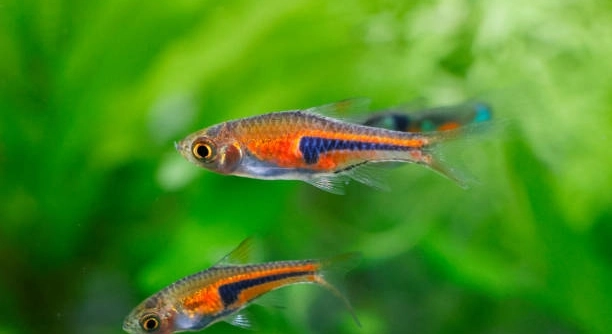
Harlequin Rasboras are small, lively fish that brighten up any freshwater aquarium. Their shimmering bodies and distinctive black triangular patch make them popular among fish enthusiasts. Many owners enjoy watching their social behavior and daily routines.
Harlequin Rasboras display playful tendencies, especially in groups. They often swim actively, chase each other, and explore their surroundings. Their behavior is influenced by social interaction, water conditions, and tank enrichment, making play a natural aspect of their activity.
Observing their interactions can reveal surprising behaviors and help you create a more engaging environment. Small changes in the tank can enhance their activity and overall happiness.
Understanding Harlequin Rasboras’ Playful Nature
Harlequin Rasboras are naturally active and curious. In a properly set-up tank, they swim together in tight schools, often darting around plants, decorations, and open spaces. Their triangular black patch adds charm, making each movement noticeable. Play behavior can include chasing each other, investigating new items, or even lightly nudging tank mates. Observing them over time shows distinct personalities; some fish may be bolder and more adventurous, while others prefer to linger in familiar areas. Providing a stimulating environment, like floating plants, gentle currents, and hiding spots, encourages natural behavior and reduces stress. Harlequin Rasboras are not solitary; their activity levels increase when in groups of six or more. Watching them interact can be calming and rewarding, giving insight into their social dynamics. Tank size, water quality, and consistent feeding schedules all influence how playful they appear. Small changes in tank layout can spark curiosity and movement throughout the day, keeping them mentally and physically active.
Play behavior helps them stay healthy, both mentally and physically, encouraging natural activity and reducing boredom.
Keeping them engaged requires attention to tank setup. Objects like smooth rocks, live plants, and gentle currents encourage exploration. Avoid overcrowding to maintain a stress-free environment. Social interaction among the group is key, as they naturally swim in coordinated patterns. Small changes like repositioning plants or adding new decorations can spark playful activity. Consistent feeding routines also create predictable moments they look forward to, enhancing engagement.
Encouraging Safe Play in the Tank
Playful behaviors can sometimes appear rough, but they are usually harmless signs of health and vitality.
You can support their activity by observing daily patterns and introducing safe stimulation. Floating or rooted plants provide hiding and exploring areas, while gentle water flow encourages swimming without stress. Using small decorations or rearranging existing structures keeps their environment interesting. Avoid sharp edges that could injure delicate fins, and monitor interactions to ensure no single fish becomes overly dominant. Maintaining stable water parameters, including temperature and pH, also promotes consistent energy levels. Food enrichment, like occasional live or frozen treats, can encourage natural chasing and foraging behaviors. Over time, you’ll notice which fish are more active and which prefer quieter corners. Respecting individual differences is important, as not every Harlequin Rasbora will respond the same way. By combining environmental variety, social interaction, and proper care, you can foster a safe, playful atmosphere that keeps the fish healthy, engaged, and visually appealing.
Signs Your Harlequin Rasboras Are Enjoying Play
Active swimming in groups, chasing each other, and exploring plants are clear signs of playful behavior. They often nibble at decorations lightly or hover around new objects, showing curiosity and energy.
Harlequin Rasboras demonstrate happiness through movement and social interaction. When they swim in coordinated schools, dart around open spaces, or explore new decorations, it indicates they feel secure and engaged. Playful activity often includes short bursts of speed, gentle nudging of tank mates, and circling specific areas repeatedly. These behaviors are normal and healthy, reflecting both mental stimulation and physical exercise. Regular observation can help identify individual personalities, as some fish are bolder and more adventurous while others remain cautious.
Consistent play is influenced by a well-maintained tank. Proper water temperature, clean conditions, and a balanced diet encourage natural behavior. A spacious aquarium with hiding spots, plants, and small decorations enhances exploration. Introducing minor changes periodically keeps their environment stimulating, preventing boredom. Social interaction is essential; isolated fish may become less active and show stress signs. Watching their playful moments can be rewarding, giving insight into their health and temperament.
How to Safely Encourage Play
Providing safe spaces and enrichment items promotes activity without stress or injury.
Adding live plants, smooth decorations, and gentle currents encourages exploration and interaction. Rearranging objects occasionally can spark curiosity, while maintaining stable water conditions ensures comfort. Food enrichment, like live or frozen treats, motivates natural chasing and foraging behaviors. Avoid overcrowding, sharp objects, or strong currents that may harm delicate fins. Monitor social dynamics to prevent aggression, giving every fish room to move freely. Consistency in care supports playful behavior, making them active, healthy, and visually engaging companions in the tank.
Variety in the tank keeps Harlequin Rasboras mentally and physically stimulated. Plants of different heights, floating and rooted, create hiding spots and exploration zones. Smooth stones, driftwood, and gentle water flow add interest without risking injury. Offering occasional live or frozen foods encourages natural hunting instincts and adds excitement to their routine. Observing daily patterns allows you to identify which fish are more active and which prefer quieter corners, helping adjust the environment accordingly. Small, gradual changes maintain safety and engagement, ensuring each fish enjoys their space while remaining healthy and active over time.
Creating a Comfortable Environment
A calm, stable tank encourages Harlequin Rasboras to be active and playful. Clear water, consistent temperature, and minimal sudden changes reduce stress, allowing natural behaviors to emerge.
Providing plants, smooth decorations, and gentle currents gives them areas to explore safely. Space and structure make play more engaging.
Encouraging Group Interaction
Harlequin Rasboras are social fish and thrive in groups of six or more. Swimming together, chasing each other, and coordinating movements are signs of healthy interaction. Smaller groups or isolation can reduce activity and playfulness, so maintaining a proper school is essential for natural behavior.
Avoiding Stressful Triggers
Sudden loud noises, strong water currents, or overcrowded conditions can make Harlequin Rasboras hide or become inactive. A stable, calm environment helps maintain their playful nature.
How many Harlequin Rasboras should I keep together?
Harlequin Rasboras are naturally social and feel most comfortable in groups. Keeping at least six together helps them swim in coordinated patterns and display natural playful behaviors. Smaller groups can lead to stress, reduced activity, or hiding, while larger groups create more lively interactions and dynamic movement.
What tank size is best for their activity?
A minimum of 20 gallons is ideal for a small school of Harlequin Rasboras. A larger tank allows them to explore, swim freely, and interact without overcrowding. Open swimming areas combined with plants and decorations create a stimulating environment that encourages playful behavior while maintaining water quality.
Can Harlequin Rasboras live with other fish?
Yes, they are peaceful and can coexist with other non-aggressive species. Tank mates should be similarly sized and not overly territorial. Avoid large or aggressive fish, as they can stress or harm Rasboras, reducing their activity levels and willingness to engage in playful behaviors.
How do I know if my Rasboras are happy?
Active swimming, chasing each other, and exploring decorations are signs of happiness. Healthy Rasboras maintain vibrant colors, coordinated schooling, and show curiosity toward new tank features. Inactivity, hiding, or dull colors may indicate stress, poor water quality, or illness that can interfere with play.
What types of tank decorations encourage play?
Smooth rocks, driftwood, and live plants create hiding spots and exploration zones. Floating plants or areas with gentle currents encourage swimming and chasing behaviors. Avoid sharp or rough surfaces that could injure delicate fins. Rearranging decorations occasionally sparks curiosity and keeps their environment engaging.
How often should I feed them to encourage activity?
Feeding two to three times daily with small portions maintains energy without overfeeding. A mix of high-quality flakes, pellets, and occasional live or frozen foods encourages chasing and foraging behaviors, which naturally stimulate playful activity and mental engagement.
Can stress affect their playfulness?
Yes, Harlequin Rasboras become less active when stressed. Sudden noises, overcrowding, unstable water parameters, or aggressive tank mates reduce exploration and social interaction. Maintaining calm conditions, proper schooling, and regular maintenance helps them remain active and playful.
Is it normal for some Rasboras to be less active?
Individual personalities vary; some fish are bolder while others are naturally more reserved. Providing a balanced environment, hiding spots, and opportunities for safe interaction allows even shy fish to engage in playful behaviors at their own pace.
Do they need any special water conditions for activity?
They prefer slightly acidic to neutral water (pH 6.0–7.5) and temperatures between 72–79°F. Consistent water quality with low ammonia, nitrites, and nitrates is crucial. Stable conditions prevent stress and encourage natural swimming and playful interactions among the group.
How can I safely introduce new fish to the tank?
Quarantine new fish for at least two weeks to avoid disease. Introduce them gradually to prevent stress for both existing and new Rasboras. Observing interactions ensures that the group dynamic remains healthy, and playful behaviors continue without aggressive disruptions.
Can play help me monitor their health?
Yes, changes in activity levels often indicate health issues. Reduced swimming, hiding, or loss of curiosity may signal illness, poor water conditions, or nutritional deficiencies. Observing daily behaviors allows early detection and timely care, keeping the Rasboras healthy and active.
How do I maintain their playful nature long-term?
Regular tank maintenance, consistent feeding, social interaction, and environmental enrichment all contribute to ongoing playful behavior. Rotating decorations, introducing safe plants, and monitoring water quality ensures that Harlequin Rasboras remain stimulated, healthy, and happy in their aquatic environment.
This FAQ provides practical guidance to keep Harlequin Rasboras active and engaged, focusing on social needs, tank setup, feeding, and health monitoring to support their natural playful behavior.
Harlequin Rasboras are small, lively fish that bring energy and charm to any freshwater tank. Their natural curiosity and social behavior make them enjoyable to watch, especially when kept in groups of six or more. These fish thrive in calm, stable environments where water quality, temperature, and tank conditions are carefully maintained. A tank that provides space for swimming, along with hiding spots created by plants and smooth decorations, encourages their natural behavior. Observing a group of Rasboras swimming in unison or exploring a new plant can be both relaxing and rewarding. Their playful tendencies are not just entertaining—they are a sign that the fish are healthy and comfortable in their environment. By understanding their social and environmental needs, you can help them express these natural behaviors safely and confidently.
Maintaining a stimulating tank is key to encouraging playful activity. Small, regular changes to the tank layout or introducing safe, smooth decorations can spark curiosity without causing stress. Live plants, driftwood, and gentle water currents allow the Rasboras to explore freely, chase one another, and interact socially. Feeding practices also play a role in their engagement. Offering a balanced diet with high-quality flakes, pellets, and occasional live or frozen treats promotes natural foraging and chasing behaviors. Watching these interactions over time provides insight into each fish’s personality. Some Rasboras are bold and adventurous, swimming openly and exploring every corner, while others are more reserved and cautious. Respecting these differences ensures that all fish feel safe and remain active, helping maintain harmony and natural behavior in the group.
Playful behavior in Harlequin Rasboras also serves as an indicator of overall health and wellbeing. When they are active, curious, and engaging with their environment, it is a good sign that water conditions are stable and that they are receiving proper care. On the other hand, inactivity, hiding, or loss of appetite may signal stress or health issues that need attention. By carefully observing their movements, interactions, and reactions to changes in the tank, you can respond promptly to any problems. Creating a tank that supports both physical and mental stimulation allows these small fish to thrive, providing ongoing enjoyment and satisfaction. Maintaining proper group size, environmental enrichment, and consistent care will ensure that Harlequin Rasboras remain healthy, active, and happy for years to come.

Hello,
If you enjoy the content that we create, please consider saying a "Thank You!" by leaving a tip.
Every little bit helps us continue crafting quality advice that supports the health, happiness, and well-being of pets around the world, for pets of all shapes, sizes, and species.
We really appreciate the kindness and support that you show us!