
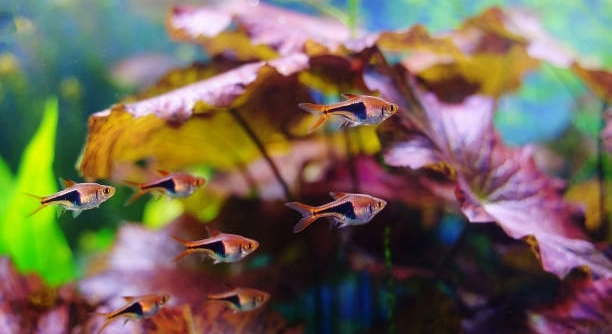
Rasboras are small, active fish that often brighten home aquariums with their movement and color. Observing their behavior can be rewarding, especially when trying to understand how they interact with their environment outside the tank.
Rasboras do respond to vibrations outside the tank. Sudden or repeated disturbances can cause them to dart, change swimming patterns, or cluster together. Their sensitivity to external stimuli reflects their natural survival instincts and ability to detect potential threats.
Recognizing how these fish react to outside vibrations can help maintain a calm environment and support their overall well-being in the aquarium.
How Vibrations Affect Rasboras
Rasboras are highly sensitive to their surroundings, and vibrations outside the tank can influence their behavior in noticeable ways. When there are sudden knocks, footsteps, or movement near the aquarium, these fish may respond by darting quickly or forming tight schools. This is not a sign of illness but an instinctive reaction to potential threats. Even subtle vibrations from appliances, doors, or tapping on the glass can create stress, causing changes in swimming patterns. Over time, frequent disturbances may make rasboras more cautious, reducing their normal activity levels. Observing these reactions can help you identify which environmental factors are affecting them. Creating a stable and quiet space around the tank allows rasboras to swim comfortably and display natural behaviors. Adjusting placement of the tank or using soft padding under it can reduce vibration transmission, supporting a calmer environment for these small, lively fish to thrive naturally and maintain their typical social interactions.
Minimizing external disturbances can significantly improve rasboras’ comfort and reduce stress-related behavior, promoting healthier, more active fish over time.
Understanding how rasboras perceive vibrations also helps in maintaining their overall health. Stress can lead to weaker immune responses, making them more susceptible to diseases. Regular observation allows you to identify triggers and make adjustments, such as moving the aquarium away from high-traffic areas or limiting tapping on the glass. Adding decorations or plants can also absorb some vibrations while providing hiding spaces, which makes the fish feel safer. Proper placement, combined with a consistent feeding routine and clean water, ensures that rasboras remain active and exhibit natural schooling behavior. Over time, they adapt to a more controlled environment, allowing for observation of their playful movements and interactions. Small adjustments in tank location, careful handling, and attention to environmental noise can create a stable habitat, encouraging natural behaviors and enhancing their vibrant presence in the aquarium.
Creating a Calm Environment for Rasboras
A stable environment helps rasboras feel secure and reduces stress caused by vibrations or sudden movement.
Simple measures can make a big difference in keeping rasboras calm. Choosing a quiet area of the room, away from heavy foot traffic, doors, or appliances, can limit disturbances. Adding soft substrate, plants, and decorations helps absorb vibrations while giving fish places to explore and hide. Maintaining consistent lighting and water conditions reduces environmental stress further. Observing their behavior after changes allows you to see improvements in swimming patterns and activity levels. Over time, rasboras become more comfortable and display their natural schooling behavior, making the tank more enjoyable to watch. Regular maintenance, gentle handling, and careful attention to tank placement all contribute to a calm, healthy environment where these fish can thrive safely.
Common Sources of Vibrations
Footsteps, door slams, and nearby appliances often transmit vibrations to the aquarium. Even minor knocks on the glass can startle rasboras, causing sudden bursts of movement or clustering in corners, which indicates heightened stress levels.
Rasboras are highly responsive to environmental changes, and repeated exposure to vibrations can affect their long-term behavior. Constant disturbances may make them hesitant to swim freely, forcing them to stay close to hiding spots. Over time, this can reduce their natural activity and schooling patterns. Observing how they react to different areas around the tank helps identify which vibrations are most disruptive. Simple changes, like moving the tank away from heavy traffic zones or cushioning the stand, can significantly improve their comfort.
Tank placement, surrounding furniture, and household activity levels all influence how much vibration reaches the fish. Small adjustments, such as using a sturdy stand, soft padding, or relocating noisy appliances, help minimize disturbances. Over time, these changes create a more stable environment, encouraging rasboras to swim naturally, explore the tank, and interact as they would in calmer settings, promoting both their physical and behavioral well-being.
How to Reduce Vibrations
Strategic placement of the tank and using soft padding can greatly reduce vibrations and stress, allowing rasboras to swim freely without constant startle responses.
Maintaining a calm environment requires attention to both the tank’s location and its immediate surroundings. Positioning the aquarium away from high-traffic areas, doors, and appliances limits external disturbances. Using a thick, stable stand or placing a soft mat underneath absorbs some of the vibrations that do reach the tank. Additionally, arranging plants, rocks, or decorations inside provides secure hiding spots, helping fish feel safer. Regularly observing their behavior allows you to gauge the effectiveness of these adjustments. Over time, rasboras adapt to reduced vibration levels, swimming more actively, schooling naturally, and displaying relaxed behaviors. Consistent care and attention to environmental factors ensure a healthy, stress-free habitat where rasboras can thrive, making the tank a more enjoyable and lively feature in the room.
Signs of Stress in Rasboras
Rapid darting, clinging to tank corners, and frequent hiding are common signs that rasboras are stressed by vibrations. These behaviors indicate that the fish are reacting to environmental disturbances rather than illness.
Loss of color, reduced feeding, or sluggish swimming can also signal ongoing stress. Continuous exposure to vibrations may affect their overall health and well-being, making it important to address sources of disturbance promptly.
Monitoring Behavior Changes
Keeping track of rasboras’ daily activity helps identify patterns related to external vibrations. Noting when and how they react allows adjustments to tank placement or surroundings to improve comfort and reduce stress.
The Role of Tank Decorations
Plants, rocks, and other decorations provide both hiding spaces and a buffer against minor vibrations. These elements can help rasboras feel secure while reducing stress and encouraging natural swimming and schooling behavior.
FAQ
Do Rasboras get stressed easily from vibrations?
Yes, rasboras are naturally sensitive to movement in their environment. Sudden noises or vibrations, such as footsteps, closing doors, or appliances, can startle them. Stress can appear as rapid swimming, clustering in one area, or hiding behind decorations. Minimizing external disturbances helps maintain their calm.
Can regular household activity harm rasboras?
Normal activity like occasional walking or talking near the tank rarely causes long-term harm. However, repeated exposure to strong or constant vibrations can affect their behavior, making them more cautious and less active. Providing a stable, low-traffic location for the tank reduces these effects.
Do all types of rasboras react the same way?
Different species of rasboras have varying sensitivity levels. Some may react quickly to minor vibrations, while others show minimal response. Observing the specific behavior of your fish is essential to identify which species need extra care regarding external disturbances.
How can I tell if vibrations are affecting their health?
Behavioral changes, like reduced swimming, lack of appetite, or pale coloration, can indicate stress from vibrations. Regularly monitoring their activity and feeding habits helps detect issues early. Addressing environmental factors promptly can prevent long-term health consequences.
Will decorations really help reduce stress?
Yes, adding plants, rocks, and other hiding spaces provides comfort and buffers minor vibrations. These additions create a sense of security and encourage natural behaviors, allowing the fish to feel less exposed to disturbances. Dense or strategically placed decorations are most effective.
Should I move the tank to a quieter room?
If the current location is near high-traffic areas, appliances, or doors, moving the tank to a quieter spot can significantly reduce stress. Even small adjustments, like rotating the tank or placing a soft mat underneath, can help dampen vibrations.
Is it normal for rasboras to cluster when stressed?
Yes, clustering is a natural response to perceived threats. When vibrations occur, rasboras often swim together tightly for security. Observing clustering during disturbances is normal, but constant clustering may indicate ongoing stress that needs attention.
Do vibrations affect their feeding habits?
Stress from vibrations can temporarily reduce appetite. Fish may hide instead of eating, or they may be slower to respond to food. Ensuring a calm environment helps maintain normal feeding behavior and overall health.
Can I use a vibration-absorbing stand or mat?
Yes, placing the tank on a sturdy stand or adding a soft mat underneath can absorb some vibrations. These adjustments help reduce stress, making the fish feel more secure and allowing natural swimming and schooling behavior.
How long does it take for rasboras to adapt to a calmer environment?
Adaptation varies by species and individual fish. Some rasboras respond within a few days, while others may take weeks to fully regain normal activity levels. Consistency in reducing disturbances, combined with proper care, accelerates their return to natural behavior.
Will water movement inside the tank mask external vibrations?
Water movement can help diffuse minor vibrations, but it does not eliminate the effects entirely. Filtration, gentle currents, and strategic placement of decorations provide additional security and comfort, reducing stress from environmental disturbances.
Are younger rasboras more sensitive than older ones?
Younger fish tend to be more reactive to sudden changes in their environment, including vibrations. Their nervous systems are still developing, making them more prone to startle responses. Gradually exposing them to low-level activity while providing hiding spots can improve tolerance.
Does tank size influence their reaction to vibrations?
Smaller tanks transmit vibrations more directly, so fish may react more noticeably. Larger tanks can buffer some disturbances, but sensitive species will still respond. Using padding under the stand or adding dense plants helps reduce the impact regardless of tank size.
Can music or low noise affect them?
Soft background noise generally does not stress rasboras. However, loud or sudden sounds, especially bass-heavy music, can create vibrations that startle the fish. Monitoring their reactions and adjusting the volume or placement of speakers helps minimize stress.
Is it necessary to monitor their behavior daily?
Daily observation is recommended to ensure rasboras remain healthy and stress-free. Noticing changes in swimming, schooling, or feeding allows early intervention to address environmental factors and maintain a stable, comfortable habitat.
What else can I do to reduce stress from vibrations?
Beyond placement and decorations, limiting tapping on the glass, reducing foot traffic near the tank, and using consistent lighting schedules all help. Maintaining clean water and a proper feeding routine also supports overall health and resilience to environmental stressors.
How do I know if they are fully comfortable again?
Signs of comfort include normal schooling patterns, active swimming, regular feeding, and vibrant coloration. Reduced clustering and exploratory behavior indicate the fish feel secure, suggesting that the environment is effectively calm and supportive.
Are rasboras affected by vibrations at night?
Yes, vibrations can disturb them at any time. Nighttime disturbances from appliances or household movement may interrupt rest periods, causing stress. Keeping the room quiet and minimizing sudden activity during night hours supports a stable, calm environment for the fish.
Do tank mates influence their reaction to vibrations?
Tank mates can either amplify or reduce stress responses. Calm, non-aggressive companions may help rasboras feel more secure, while highly reactive fish may increase overall alertness. Observing interactions between species helps create a balanced, less stressful aquarium environment.
Can I prevent all stress from vibrations?
Completely eliminating stress is difficult, but minimizing frequent or strong vibrations significantly improves their well-being. Thoughtful tank placement, secure furniture, decorations, and careful household activity management all contribute to a calmer, healthier habitat for rasboras.
Final Thoughts
Rasboras are small, delicate fish that respond strongly to their environment. Vibrations outside the tank can cause noticeable changes in their behavior, from sudden darting to clustering together. These reactions are not signs of illness but are instinctive responses to potential threats. By observing how they respond to movement and disturbances around the aquarium, you can better understand their needs and provide a more comfortable environment. Even small changes, like moving the tank away from doors or appliances, can significantly reduce stress. Their sensitivity makes them fascinating to watch, as each movement and reaction provides insight into their natural instincts and social behaviors.
Creating a calm and stable environment for rasboras involves more than just avoiding sudden disturbances. Adding decorations such as plants, rocks, or other hiding spaces helps buffer vibrations while giving the fish areas to explore and feel safe. Soft padding under the tank or using a sturdy stand can further reduce the transmission of vibrations from floors or furniture. Observing their behavior after these adjustments allows you to see which changes are most effective. Regular monitoring ensures that any signs of stress, such as reduced feeding, pale coloration, or unusual swimming patterns, are noticed and addressed promptly. Over time, these measures help rasboras maintain their natural activity and schooling behaviors, which are essential for their well-being.
Maintaining their health also requires attention to other environmental factors alongside minimizing vibrations. Consistent water quality, appropriate feeding routines, and proper tank maintenance all contribute to creating a stress-free habitat. Even when vibrations cannot be fully eliminated, rasboras can adapt if other aspects of their environment are stable and secure. Understanding their responses and making thoughtful adjustments helps ensure they remain active, healthy, and vibrant. By paying close attention to both behavior and surroundings, you create a supportive home that allows rasboras to thrive, swim naturally, and display the lively behaviors that make them such engaging aquarium fish.

Hello,
If you enjoy the content that we create, please consider saying a "Thank You!" by leaving a tip.
Every little bit helps us continue crafting quality advice that supports the health, happiness, and well-being of pets around the world, for pets of all shapes, sizes, and species.
We really appreciate the kindness and support that you show us!