
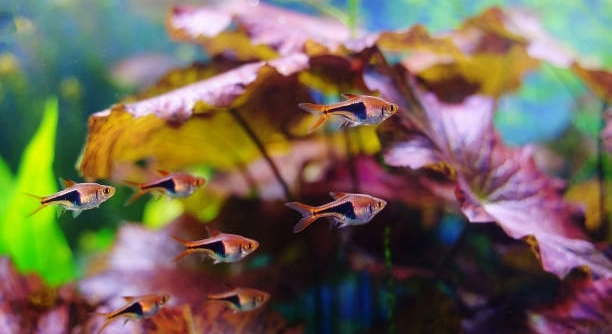
Have you ever watched your rasbora and noticed subtle changes that suggest breeding readiness, such as behavior shifts or physical cues, especially when conditions feel stable and calm within the aquarium environment for attentive keepers?
Rasboras are ready to breed when environmental stability triggers physiological maturity, reflected through intensified coloration, increased courtship behavior, and synchronized movement. These indicators commonly coincide with optimal water parameters, consistent feeding, and reduced stress, creating favorable conditions for successful spawning.
Recognizing these early signals helps create supportive conditions and improves the likelihood of healthy, well-timed breeding outcomes in home aquariums.
Visible Physical Changes
I noticed physical changes are often the first clear signs of breeding readiness in rasboras kept in stable tanks. Colors appear deeper and more defined, especially along the body stripe and fins. Females usually develop a rounder belly as eggs mature, while males remain slimmer and more vibrant. Fins may look slightly extended and well maintained due to increased activity. These changes do not happen overnight and are easiest to spot when observing fish daily. Lighting and clean water make these details more noticeable. A consistent diet rich in quality flakes and live foods also supports these visible shifts. When these physical traits appear together, they often indicate that internal conditions are aligning for reproduction rather than general growth or temporary excitement. Careful note taking helps track patterns and prevents confusing normal health improvements with genuine reproductive development over time in a calm, predictable aquarium setting for observant keepers daily.
I personally rely on these visual cues before adjusting breeding conditions. They provide reassurance that the fish are healthy, mature, and responding positively to their environment rather than reacting to stress or sudden changes. This approach reduces unnecessary interference and supports steady observation over time with confidence and patience daily.
Physical indicators work best when paired with consistent tank conditions. Stable temperature, gentle filtration, and regular water changes prevent misleading signs linked to stress. I have learned that sudden color changes without behavioral consistency often fade quickly. True readiness shows persistence over several days. Watching fish during feeding times also helps confirm energy levels. When appearance and environment support each other, breeding preparation becomes easier to recognize and manage responsibly without rushing the process. Patience allows natural rhythms to unfold while maintaining fish welfare as the primary focus throughout the entire observation period in home aquariums with minimal disruption possible.
Behavioral Shifts and Tank Interaction
Behavior often changes before spawning begins. Increased chasing, synchronized swimming, and focused attention between pairs signal readiness. These actions appear calm rather than aggressive and repeat regularly, especially during quieter periods of the day. I usually notice this after lights turn on and feeding routines remain unchanged each morning daily.
These behavioral patterns reflect hormonal alignment and comfort within the tank environment. Rasboras preparing to breed show reduced fear responses and greater interest in specific tank areas, often near plants or spawning surfaces. Movement becomes purposeful rather than scattered. I pay close attention to repeated interactions between the same individuals, as random chasing lacks consistency. Courtship displays are subtle and easy to miss without routine observation. Maintaining a calm setting supports these behaviors. Sudden noise, lighting changes, or rearranging decor can interrupt progress. A predictable schedule helps reinforce stability. When behaviors continue steadily for several days, it suggests readiness rather than temporary stimulation. At this stage, minimal intervention is best. Allowing fish to proceed naturally improves outcomes and reduces stress. Observation, restraint, and consistency work together to support healthy breeding behavior while preserving balance within the aquarium. I find this period rewarding because it confirms that care practices are effective. Clean water, gentle flow, and stable temperatures quietly guide fish behavior. Trusting this process avoids unnecessary adjustments and supports long term tank health. Over time, consistent observation builds confidence and improves understanding of subtle breeding indicators without adding stress to fish or disrupting established routines within the aquarium system overall.
Increased Spawning Interest
Rasboras ready to breed often spend more time near plants, fine leaves, or smooth surfaces. I notice repeated passes over the same area, gentle nudging, and brief pauses. This focus signals preparation rather than casual exploration within a stable aquarium conditions remain calm and consistent daily for attentive observers nearby.
When spawning interest increases, movement patterns change in noticeable ways. Fish slow down near chosen areas and return repeatedly throughout the day. I watch for gentle circling and side by side swimming that stays peaceful. These actions differ from feeding excitement because they persist even after meals. Plants with soft leaves become focal points, and fish may lightly brush against them. This behavior reflects readiness and comfort rather than stress. Stable water parameters allow these patterns to continue without interruption. I avoid cleaning or rearranging the tank during this phase to prevent disruption and unnecessary stress responses for breeding success.
Spawning surfaces matter because rasboras release eggs that require protection and gentle surroundings. I prefer using live plants or spawning mops to support attachment. Fine textures reduce egg loss and limit disturbance from tank mates. Fish often test these surfaces days before spawning occurs. This testing looks repetitive and calm. Lighting also influences this stage. Softer light encourages longer interaction periods. Maintaining cleanliness without heavy interference keeps surfaces suitable. When fish repeatedly return to the same textures, it suggests preparation is complete. At this point, consistent observation matters more than adjustments or added equipment and patience supports healthy outcomes overall.
Water Conditions and Timing
Water conditions strongly influence breeding readiness and timing. Slight temperature increases combined with clean, soft water often encourage spawning behavior. I monitor parameters closely and keep changes gradual. Sudden shifts can interrupt progress. Regular water changes support consistency. When conditions remain stable for several weeks, fish respond with calmer movement and clearer pairing patterns that signal readiness rather than random activity during consistent daily care routines without unnecessary intervention or stress from external disturbances nearby.
Timing develops naturally when water quality, lighting, and feeding align. I avoid forcing changes and instead watch how fish respond over time. Small weekly water changes mimic seasonal shifts without shock. Feeding high quality foods in modest portions supports egg development and energy levels. Consistency matters more than intensity. Lights turning on and off at the same time each day help regulate behavior. When these factors align, breeding behavior appears steady and predictable. Rushing adjustments often delays results. I have learned that patience paired with routine produces better outcomes. Observing rather than intervening allows fish to progress at their own pace while maintaining overall tank balance and long term stability. This approach reduces stress and supports reliable spawning success over extended observation periods in aquariums.
Changes in Feeding Behavior
Rasboras ready to breed often show reduced interest in food without losing body condition. I notice shorter feeding responses and slower eating. This change appears calm and consistent, not linked to illness. Energy shifts toward interaction and spawning preparation instead of constant foraging behavior over time during stable tank conditions.
This feeding shift usually lasts several days before spawning. I continue offering small portions to avoid stress. Healthy fish maintain color and movement despite eating less. When appetite drops suddenly with lethargy, I pause breeding plans and reassess water quality and overall tank stability to ensure long term health balance.
Consistent Pairing Patterns
Consistent pairing becomes noticeable as breeding approaches. I see the same two fish swimming together repeatedly, separating from the group without isolation. Their movement stays synchronized and relaxed. This pairing is voluntary and calm. Other fish are tolerated nearby. I avoid removing tank mates too early because this behavior needs time to stabilize. Sudden separation can disrupt bonding. When pairs remain consistent across multiple days and lighting cycles, it suggests readiness. Observation during quiet hours matters most. These moments reveal natural alignment that feeding time can hide. Patience allows true pairing behavior to become clear without interference in stable aquariums.
Overall Tank Calmness
Calmer tank dynamics often appear before spawning. I notice fewer random chases and more orderly movement. Fish respect personal space and react less to external activity. This calm reflects comfort and readiness. Maintaining steady routines supports this phase and prevents unnecessary disruption during sensitive periods within home aquarium environments overall.
How do I know if my rasbora is male or female?
Males are usually slimmer with brighter, more vibrant colors. Females appear rounder, especially around the belly, due to developing eggs. I often look at the stripe along their body; it is more pronounced in males. Observing these differences over several days helps me confirm identification without stressing the fish.
What water parameters support breeding?
Soft, slightly acidic water works best. I keep temperature stable, usually a few degrees warmer than normal, and monitor pH closely. Regular water changes maintain cleanliness and consistency. Rapid changes often cause stress, delaying readiness. Gentle filtration and calm currents are important to avoid disturbing eggs once spawning begins.
How can I encourage spawning behavior?
Feeding high-quality foods like live or frozen micro-worms and daphnia increases energy levels and stimulates breeding instincts. I maintain a consistent light schedule and leave decorations and plants untouched. Fish respond better when they feel safe and comfortable. Repetition in environment and feeding routines is key.
When do rasboras lay eggs?
Eggs are usually laid early in the day. I notice fish hovering near plants or spawning surfaces before lights fully turn on. Females deposit eggs slowly, while males swim nearby, fertilizing them. Observing the tank at these hours helps me avoid missing the process and ensures minimal disturbance to the fish.
What kind of spawning surfaces should I provide?
Fine-leaved plants, spawning mops, or smooth surfaces are ideal. I prefer dense foliage where eggs can stick and remain hidden. Bare tank areas usually discourage egg laying. Surfaces that allow gentle attachment reduce egg loss and protect developing embryos from being eaten or damaged by tank mates.
How long does it take for eggs to hatch?
Eggs typically hatch in 24 to 36 hours depending on temperature. I maintain stable conditions to prevent fungal growth or water shock. After hatching, fry are tiny and require infusoria or other microscopic foods before transitioning to larger options. Keeping the tank calm during this stage is crucial for survival.
Do I need to remove adult fish after spawning?
Yes, in most cases. Adult rasboras may eat eggs or fry if left in the same tank. I carefully transfer adults back to the main aquarium after spawning finishes. This ensures higher fry survival rates and reduces stress on both adults and offspring.
How often can rasboras breed?
Rasboras can breed multiple times per year if conditions remain ideal. I monitor water quality, temperature, and diet between spawning events. Overbreeding can stress fish, so I space attempts to maintain long-term health. Observing natural rhythms rather than forcing frequent breeding gives the best results.
What signs indicate eggs are fertilized?
Fertilized eggs appear clear or slightly translucent with a small white spot forming. Unfertilized eggs often turn cloudy or develop fungus. I watch closely for these differences during the first day after spawning. Healthy eggs maintain shape and clarity until hatching begins.
How do I care for newly hatched fry?
Fry are delicate and need calm water and tiny food sources like infusoria. I avoid strong currents and monitor temperature closely. Gradually introducing larger foods supports growth. Keeping the tank clean and observing daily ensures that survival rates remain high during these critical first weeks.
Can rasboras breed in community tanks?
Breeding in community tanks is possible but challenging. Adults may eat eggs, and fry may be stressed by other species. I often use a separate breeding tank to improve survival. This controlled environment reduces interference while still allowing natural behaviors to occur comfortably.
What mistakes should I avoid when breeding rasboras?
Sudden water changes, overfeeding, or disturbing spawning surfaces are common mistakes. I keep routines consistent and avoid handling fish during this period. Stress can delay or prevent spawning entirely. Patience and careful observation are more effective than forcing conditions. Consistency ensures healthy, viable eggs.
How do I know if breeding conditions are ideal?
Calm fish behavior, consistent pairing, reduced feeding, and focused attention on plants or spawning surfaces indicate readiness. I use these signs to confirm that environmental factors align. Stable water, proper lighting, and regular feeding routines support these behaviors naturally without interference.
Can rasboras breed year-round?
With stable, optimal conditions, they can. I maintain temperature, soft water, and a consistent diet to extend potential breeding periods. Seasonal variations are less critical in controlled tanks, but slight changes in light and water mimic natural cycles and often improve success.
How can I protect eggs from fungus?
Keeping water clean and slightly aerated reduces fungal growth. I remove dead or cloudy eggs promptly and avoid overcrowding. Some keepers use antifungal solutions sparingly, but I rely mostly on stable water conditions and careful monitoring for the best results.
What is the best way to track breeding progress?
Daily observation and notes help me identify readiness, spawning behavior, and egg development. I track physical changes, pair activity, and water parameters. Documenting these factors allows me to reproduce successful conditions in future attempts and catch any issues early.
How long should I wait between breeding attempts?
I usually wait several weeks to allow recovery. Fish need time to regain energy and body condition. Rushing attempts increases stress and reduces egg quality. Observing natural rhythms and maintaining consistent care ensures better outcomes for both adults and fry in long-term aquarium management.
Can environmental stress prevent breeding?
Yes, even minor disturbances like sudden noise, strong currents, or fluctuating temperatures can halt readiness. I maintain calm surroundings, consistent light, and minimal handling. Stable, stress-free conditions are essential for reproductive behaviors to appear and continue until spawning successfully occurs.
What is the role of diet in breeding success?
High-quality foods rich in protein and micronutrients support egg development and male vitality. I rotate live, frozen, and flake foods to keep energy levels consistent. Balanced nutrition enhances coloration, stamina, and interest in spawning without causing digestive issues or overfeeding.
How do I know fry are developing properly?
Fry should grow steadily, maintaining clear color and active swimming. I watch feeding responses and growth patterns closely. Uneven development often signals water issues or insufficient food. Regular observation ensures intervention before problems become critical, supporting healthier fry populations.
Are there signs that spawning failed?
Cloudy eggs, lack of repeated pairing, or sudden loss of interest in spawning surfaces usually indicate failure. I reassess water quality and adult health before attempting again. Careful monitoring helps me prevent repeated failures and supports better outcomes in future attempts.
How long until fry can join the main tank?
Typically, 6 to 8 weeks, depending on growth and size. I gradually acclimate them to water conditions and introduce them to larger foods. Ensuring they are strong and healthy before transfer reduces stress and improves survival rates in the main aquarium environment.
Breeding rasboras can be a rewarding experience, but it requires careful observation and patience. The key is to notice subtle changes in behavior, physical appearance, and interactions within the tank. Fish readiness is rarely sudden. Over time, patterns emerge that indicate when the environment, diet, and social dynamics support spawning. Paying attention to these details ensures that the breeding process proceeds smoothly and with minimal stress for the fish. Small adjustments, like maintaining stable water parameters or providing appropriate plants and surfaces for eggs, can make a significant difference. By observing rather than forcing changes, I have found that the fish often respond naturally, making the experience more predictable and manageable. Every tank and group of rasboras behaves slightly differently, so consistent observation is essential to understanding their specific needs.
Providing a consistent, calm environment is one of the most important factors for successful breeding. Rasboras respond positively to routine feeding, stable temperatures, and gentle water flow. Sudden disturbances, such as moving decorations, rapid temperature shifts, or overcrowding, can interrupt readiness or delay spawning. I make sure to monitor water quality closely and perform small, regular water changes to keep conditions optimal without creating stress. Lighting schedules also play a subtle role in maintaining a sense of stability. Fish seem to follow predictable patterns when the environment remains reliable, and these patterns help identify the best times for spawning and caring for eggs. Observing interactions between pairs and the behavior of other tank mates can also provide insight. Calm movement, repeated pairing, and reduced general chasing often indicate that the fish are ready to breed.
After eggs are laid, the care of both eggs and fry is equally important. Rasboras are small, delicate fish, and newly hatched fry require very specific attention to survive and grow. I provide a gentle flow of water, small, frequent feedings of microscopic food, and a clean environment to ensure strong development. Monitoring progress closely allows early detection of any issues, such as fungal growth on eggs or uneven fry growth, so corrective actions can be taken promptly. Over time, the fry grow into healthy, active fish that reflect the care given during these early stages. While breeding can take time and patience, it is also an opportunity to learn more about the behavior, biology, and preferences of the species. Following these steps creates a supportive, stable environment that helps rasboras thrive and successfully reproduce, ensuring long-term health and satisfaction in the aquarium.

Hello,
If you enjoy the content that we create, please consider saying a "Thank You!" by leaving a tip.
Every little bit helps us continue crafting quality advice that supports the health, happiness, and well-being of pets around the world, for pets of all shapes, sizes, and species.
We really appreciate the kindness and support that you show us!