
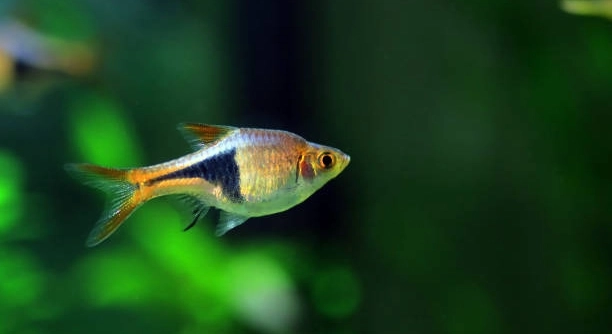
Upgrading a fish tank is an exciting step for any aquarist. New equipment, larger spaces, and improved water conditions can make a noticeable difference in your fish’s daily routine and overall wellbeing. Observing these changes can be fascinating.
After a tank upgrade, fish often show distinct behavior changes. They may become more active, explore new areas, adjust feeding patterns, interact differently with tank mates, or show signs of reduced stress and improved health, reflecting adaptation to enhanced conditions.
Recognizing these behavioral shifts can help you provide better care. Each change tells a story about your fish adjusting to its improved environment.
Interaction with Tank Mates
After a tank upgrade, fish often change how they interact with others. More space reduces aggression and territorial disputes, allowing fish to coexist more peacefully. Previously dominant fish may become less aggressive, while shy fish gain confidence and explore social dynamics. Social behaviors, such as schooling or pairing, become more visible and natural. Increased hiding spots and decorations give timid fish opportunities to retreat safely, promoting harmony. Fish may start following each other or engaging in synchronized swimming, which can indicate comfort and security. Observation of these interactions reveals how social hierarchies adjust after environmental changes. Tank upgrades that improve water quality, lighting, and layout also enhance communication cues, such as fin displays and color changes. These behaviors reflect psychological wellbeing and adaptation to improved conditions. By paying attention to these shifts, you can better support a stable community and maintain balanced dynamics.
Fish often show more natural social behaviors, indicating comfort with the upgraded environment.
Careful observation of tank interactions helps identify stress points and allows timely adjustments. Social patterns indicate overall health.
Observing fish behavior over time allows you to understand their social needs. Adjusting decorations and hiding spots can prevent conflict. Interaction changes may also reveal compatibility issues or preferred companions. Some species may bond more closely, while others remain independent. Clear water and appropriate lighting enhance visibility, making behaviors easier to monitor. Changes in activity levels and responses to other fish help determine if the tank setup is optimal. Maintaining a balanced environment supports growth, coloration, and natural instincts. By noting these patterns, you can fine-tune the habitat for all fish, ensuring safety, comfort, and wellbeing. Monitoring interactions ensures that the upgraded tank supports both social harmony and individual health.
Signs of Reduced Stress
Fish often show reduced stress after a tank upgrade, reflecting improved conditions. Increased space and cleaner water promote calmer behavior.
Visible signs of stress reduction include more consistent swimming, less hiding, and brighter coloration.
Reduced stress is linked to environmental stability and proper maintenance. Fish spend more time exploring and resting naturally, rather than exhibiting erratic movements or aggression. Water parameters, such as temperature, pH, and ammonia levels, directly impact stress levels. A well-structured tank with appropriate decor and flow patterns allows fish to establish territories and find shelter comfortably. Stress reduction also improves immune function, making fish less prone to illness. Monitoring behavior changes, such as regular feeding response and interaction with tank mates, helps confirm improved wellbeing. Adjusting lighting cycles and providing gentle water flow further supports calm behavior. By recognizing these indicators, caretakers can ensure the tank remains a healthy and secure habitat. Maintaining consistent care and observing responses ensures long-term health and enhances the overall quality of life for all fish.
Increased Curiosity
Upgraded tanks often spark curiosity in fish. New spaces, decorations, and hiding spots encourage exploration. Fish start inspecting corners, swimming through open areas, and interacting with objects they previously ignored.
Curiosity emerges as fish adjust to their upgraded environment. They investigate new structures, test water flow areas, and observe movements around the tank. This behavior shows mental stimulation and comfort with the changes. Fish may approach the glass more often, watch feeding activity closely, or investigate companions differently. Bright lighting and clear water make exploration easier, allowing natural instincts to surface. Over time, this curiosity strengthens confidence, reduces hiding behavior, and increases active engagement with the environment. Careful observation ensures that curiosity remains positive and does not lead to stress or overexertion.
Encouraging exploration supports both physical and mental health. Offering varied objects and spaces allows fish to satisfy their instincts safely. Observing these behaviors helps determine if the tank setup meets their needs and maintains engagement over time.
Coloration and Appearance Changes
Tank upgrades can lead to noticeable changes in fish coloration and physical appearance. Healthier environments allow natural pigments to intensify, resulting in brighter, more vivid colors. Proper lighting, improved water quality, and reduced stress all contribute to these changes, reflecting overall wellbeing.
Enhanced coloration is often accompanied by physical improvements such as stronger fins and smoother scales. Cleaner water and stable temperatures prevent deterioration of appearance and reduce the risk of infections. Fish that were previously dull or stressed may regain natural vibrancy over weeks. Nutritional adjustments, including high-quality food, can further support coloration. Behavioral changes, like increased activity and reduced hiding, often coincide with improved appearance. Monitoring these changes confirms that the tank conditions are optimal and that fish are thriving. Regular observation ensures that health issues are detected early, maintaining the benefits of the upgrade.
Bright colors and improved appearance signal that fish are thriving in the new environment. Maintaining consistent care, feeding, and water parameters supports continued growth and vitality. Observing these changes provides reassurance that the upgrade positively impacts both physical and psychological wellbeing. Coloration shifts can also indicate mood, health, and response to social interactions, making them valuable indicators for ongoing tank management. Fine-tuning lighting, diet, and habitat features ensures that fish retain their vibrancy, and these visual cues offer practical guidance for maintaining a healthy and balanced aquarium.
Resting and Hiding Patterns
Fish often adjust their resting and hiding habits after a tank upgrade. Larger spaces and more shelters encourage natural retreat behavior while reducing stress.
Some fish spend less time hidden and more time in open areas. Others take advantage of new shelters, balancing activity with rest to maintain comfort.
Increased Breeding Behavior
Upgraded tanks can trigger breeding behavior in fish. Improved water quality, stable temperatures, and adequate space create favorable conditions for reproduction. Fish may display courtship rituals, nest-building, or territorial behaviors associated with mating. Observing these actions confirms that the environment supports natural instincts.
Careful monitoring ensures breeding occurs safely. Providing separate areas or breeding tanks can protect eggs and fry from aggressive tank mates. Adjusting feeding routines with nutrient-rich food supports reproductive health. Water parameters such as pH, temperature, and cleanliness are essential to success. Recognizing these behaviors allows timely interventions, preventing stress or loss. Breeding activity reflects overall comfort, signaling that fish feel secure and healthy in the upgraded tank.
Water Surface Interaction
Fish may change how they interact with the water surface after upgrades. Enhanced oxygenation and cleanliness can encourage surface feeding and exploration.
FAQ
Why are my fish more active after a tank upgrade?
After a tank upgrade, fish often become more active due to increased space and improved conditions. Larger swimming areas reduce territorial stress and encourage exploration. Cleaner water and enhanced lighting stimulate natural behavior. Fish feel more secure and confident, which allows them to move freely and display natural activity patterns.
Why do some fish hide more despite the upgrade?
Even with a larger tank, some fish may hide more initially. This behavior is often due to personality or stress from the change. Providing ample hiding spots and gradually introducing new decorations helps them feel safe. Over time, most fish will adjust and begin exploring their environment.
Why has my fish’s feeding behavior changed?
Tank upgrades can alter feeding habits. Increased activity may require more frequent meals, while new tank layouts can change how food is distributed. Shy fish may take longer to approach food, and dominant fish may adjust to new territory. Observing feeding patterns ensures all fish receive proper nutrition.
Why is my fish’s coloration brighter?
Improved water quality, stable temperatures, and reduced stress enhance natural pigmentation. Fish also respond positively to proper nutrition and lighting. Brighter coloration is often a sign of health and comfort in the upgraded environment. Maintaining clean water and balanced diet helps preserve these changes.
Why do fish interact differently with tank mates now?
With more space and better conditions, social behaviors often shift. Territorial disputes decrease, shy fish gain confidence, and schooling or pairing behaviors become more visible. Observing these interactions helps ensure a balanced tank and allows timely adjustments to maintain harmony.
Why do some fish show breeding behaviors after a tank upgrade?
Improved environment and water conditions can trigger reproductive instincts. Courtship rituals, nest-building, and territorial behavior may appear. Providing adequate space, proper nutrition, and monitoring water parameters support safe breeding. Recognizing these behaviors ensures fish are reproducing in a healthy, stress-free environment.
Why has my fish started exploring the water surface more?
Enhanced oxygenation and cleaner water encourage surface exploration. Fish may investigate currents, hunt for floating food, or engage in natural behaviors previously limited by tank conditions. Observing these changes provides insight into comfort and activity levels.
How long does it take for fish to adjust to a tank upgrade?
Adjustment periods vary depending on species, temperament, and the scale of the upgrade. Some fish adapt within days, while others may take weeks. Consistent monitoring, gradual introduction of new elements, and maintaining stable water conditions speed up the transition.
Why do some fish appear less stressed after the upgrade?
Reduced stress results from more space, hiding areas, and stable water conditions. Fish spend more time swimming calmly, feeding consistently, and interacting positively. Stress reduction improves immune function, physical appearance, and overall health, reflecting a successful tank environment.
Can tank upgrades affect long-term health?
Yes. Proper upgrades improve water quality, reduce stress, encourage natural behaviors, and support feeding and social habits. These changes promote longevity, reduce disease risk, and allow fish to thrive in a balanced, enriched environment. Careful monitoring ensures ongoing benefits.
What should I observe to ensure my fish are adjusting well?
Track activity levels, feeding behavior, social interactions, coloration, and resting patterns. Notice any signs of stress, aggression, or illness. Monitoring these behaviors helps you make small adjustments, ensuring the upgrade supports both physical and psychological wellbeing.
How can I prevent negative effects after a tank upgrade?
Introduce changes gradually, provide hiding spots, monitor water quality, and maintain a consistent feeding routine. Observe fish closely and adjust conditions as needed. Gradual adaptation reduces stress and ensures the upgrade benefits all tank inhabitants.
Are all fish species affected the same way by tank upgrades?
No. Behavior changes depend on species, temperament, and social structure. Some fish may become more active, while others remain cautious. Understanding species-specific needs helps optimize tank setup and care routines, ensuring positive outcomes for all fish.
How do I know if the tank upgrade was successful?
Success is indicated by active, healthy, and stress-free fish. Natural behaviors like exploration, social interaction, proper feeding, vibrant coloration, and occasional breeding all reflect a well-adjusted environment. Regular observation and maintenance ensure continued success.
What adjustments may be needed after an upgrade?
Adjust feeding schedules, observe social dynamics, provide additional hiding spots, and monitor water parameters. Small changes can prevent stress, ensure nutrition, and maintain harmony. Continuous observation helps fine-tune the tank to meet evolving needs of the fish.
Final Thoughts
Upgrading a tank can have a significant impact on fish behavior and wellbeing. Larger spaces, improved filtration, and new decorations create an environment that better supports natural instincts. Fish often respond quickly, displaying increased activity, curiosity, and social interaction. These changes are not just for show—they reflect the fish feeling secure and comfortable in their surroundings. As a caretaker, observing these shifts provides important insight into how well the tank meets the needs of its inhabitants. It also highlights the role of environmental quality in maintaining both physical and psychological health. Proper water conditions, consistent temperature, and balanced nutrition all contribute to the positive outcomes that come with a well-executed upgrade. Over time, these improvements can result in stronger, healthier fish that exhibit more natural behaviors and thrive in their home. Watching fish adapt and grow more confident in a newly upgraded tank is often rewarding and reinforces the importance of thoughtful aquarium management.
Behavior changes after a tank upgrade are often gradual but noticeable. Increased exploration, interaction with tank mates, and changes in feeding habits can all indicate that fish are adjusting well. Some fish may initially remain cautious or hide more, but this behavior usually diminishes as they become accustomed to their expanded environment. Providing plenty of hiding spots and arranging decorations strategically allows all fish to feel safe while encouraging natural activity. Careful observation is key during this adjustment period, as it ensures that any signs of stress or imbalance can be addressed promptly. Adjustments such as altering feeding routines, monitoring water quality, or rearranging tank elements can help optimize the environment. Over time, fish that were once timid or inactive may become more confident, colorful, and engaged, demonstrating the long-term benefits of a thoughtfully upgraded tank. Maintaining a consistent care routine during this period ensures that the positive changes are sustained and that the tank continues to meet the needs of all inhabitants.
Upgrading a tank is not simply about aesthetics; it directly affects the health and behavior of fish. Natural behaviors, including schooling, foraging, resting, and breeding, are more likely to occur in a well-structured environment. Reduced stress and improved social interactions contribute to longevity and overall wellbeing. Observing changes in coloration, movement, and social patterns allows caretakers to assess the effectiveness of the upgrade and make adjustments where necessary. While each species may respond differently, careful attention to individual behaviors ensures that all fish benefit from the improvements. Over time, the combination of environmental enrichment, proper nutrition, and attentive care leads to a balanced, thriving aquarium. Upgrades offer both practical and psychological advantages, providing fish with an environment that closely resembles natural conditions and supports their full range of behaviors. In the long run, these improvements create a healthier, more engaging, and visually appealing tank, making the investment in upgrades worthwhile for both fish and caretaker.

Hello,
If you enjoy the content that we create, please consider saying a "Thank You!" by leaving a tip.
Every little bit helps us continue crafting quality advice that supports the health, happiness, and well-being of pets around the world, for pets of all shapes, sizes, and species.
We really appreciate the kindness and support that you show us!