
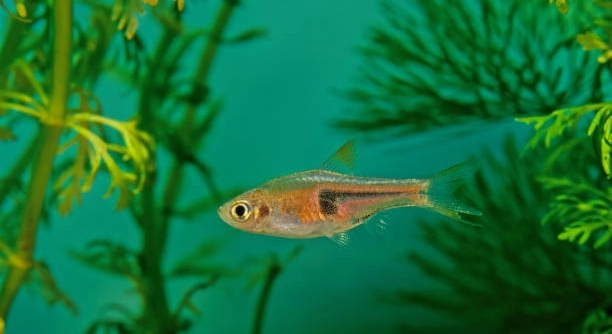
Acclimating rasboras to a new tank can be a delicate process that requires patience and attention. Even minor changes in water or environment can cause noticeable stress in these small, sensitive fish.
Stress in rasboras during acclimation often manifests through changes in behavior, appetite, and physical condition. Recognizing signs such as erratic swimming, fading colors, or hiding helps prevent long-term health issues and ensures a smooth transition into their new habitat.
Observing these subtle signs early can make a significant difference in your rasboras’ well-being. Proper care and awareness will support a healthier and more comfortable adjustment period for your fish.
Rapid Swimming and Darting
When rasboras swim quickly or dart around the tank, it is often a clear sign of stress. This behavior can indicate that they are feeling unsettled in their new environment or reacting to sudden changes in water temperature, pH, or other conditions. Sudden movements can also be a response to overcrowding or strong currents created by filters or pumps. Observing these patterns early is crucial because prolonged stress can weaken their immune systems, making them more susceptible to illness. It’s important to ensure the tank provides calm areas with plants or hiding spots to help them feel secure. Gradually adjusting water parameters and maintaining a stable environment reduces the chances of erratic swimming. Even small disturbances, such as tapping on the glass or sudden lighting changes, can trigger these behaviors. Regular monitoring and gentle handling are key to supporting your rasboras’ comfort.
Monitoring their swimming patterns daily can help identify stress before it leads to serious health problems.
Creating a calm tank environment includes maintaining stable water conditions and providing ample hiding spaces. Plants, small decorations, and gentle filtration reduce stress levels, allowing rasboras to adapt more comfortably. Minimizing sudden movements near the tank and avoiding abrupt changes in lighting or water temperature encourages natural behavior. Ensuring consistent feeding schedules and keeping a clean tank supports their overall health, helping them gradually settle in without unnecessary anxiety.
Loss of Appetite
A rasbora that suddenly refuses to eat is showing a clear sign of stress.
Loss of appetite is a common reaction to new surroundings, poor water quality, or improper acclimation practices. Stress disrupts their natural feeding instincts, which can quickly affect growth and energy levels. Even small, seemingly minor stressors can cause rasboras to hide more and ignore food. Observing feeding behavior closely helps identify which conditions might be causing discomfort. Providing high-quality, appropriate food in small portions encourages eating while avoiding overfeeding, which can further harm water quality.
Adjusting feeding strategies can help rasboras regain normal eating patterns. Offer familiar foods at consistent times and reduce distractions around the tank. If appetite does not return, reviewing water parameters and tank conditions becomes essential. Ensuring proper acclimation, stable temperatures, and minimal stressors allows rasboras to recover their feeding habits. In addition, introducing food gradually or using live or frozen options can trigger natural instincts. Consistency and patience are key. Over time, with attentive care, stressed rasboras can return to normal activity levels and healthy eating, ensuring long-term well-being and stability in their new environment.
Fading Colors
Rasboras losing their vibrant colors is a common stress indicator. Dull or pale hues often show that they are uncomfortable or overwhelmed in their new tank environment.
Color loss usually happens when fish are exposed to sudden changes in water temperature, pH, or poor water quality. Stress weakens their immune system, making them more vulnerable to disease. In some cases, overcrowding or aggressive tank mates can trigger fading colors. Providing hiding spots and gentle filtration allows them to regain confidence. Consistent, balanced feeding and stable water parameters help restore their natural pigmentation over time, signaling improved health and adaptation.
Prolonged color fading may point to ongoing stress factors in the tank. Monitoring water conditions and observing tank dynamics ensures rasboras regain their bright, healthy appearance.
Hiding Frequently
Constant hiding is a strong sign of stress in rasboras.
When rasboras spend most of their time hiding, it usually indicates fear or discomfort. This can result from new surroundings, sudden changes in lighting, or strong currents. Hiding reduces exposure to stressors but can also limit feeding, weakening their overall health. Providing plants, rocks, or other shelters creates safe zones, encouraging them to emerge gradually. Over time, consistent care, stable water parameters, and gentle interactions help rasboras feel secure, decreasing excessive hiding behavior.
Encouraging rasboras to explore involves reducing disturbances near the tank and ensuring calm water conditions. Gradual acclimation and predictable feeding times build confidence. Using natural decorations like plants and caves mimics their natural environment, making them feel safer. Observing behavior carefully allows timely intervention if stress persists. By combining proper acclimation, enriched tank design, and careful monitoring, rasboras can slowly reduce hiding tendencies and adapt comfortably to their new surroundings, promoting long-term health and stability.
Gasping at the Surface
Rasboras gasping at the surface often indicate low oxygen levels or poor water quality. This behavior can quickly become dangerous if not addressed.
It may also be a reaction to sudden changes in water temperature or high stress. Improving aeration and checking water parameters helps alleviate this issue.
Clamped Fins
Clamped fins are a common stress response in rasboras. When their fins remain close to their bodies, it usually signals discomfort or illness. This can result from poor water conditions, sudden temperature changes, or aggressive tank mates. Maintaining stable water parameters and providing safe hiding areas reduces stress, allowing fins to recover naturally.
Lethargy
When rasboras are unusually inactive, it is a strong indicator of stress. Lethargy often results from poor water quality, illness, or environmental changes. Ensuring stable conditions, proper nutrition, and minimal disturbances encourages normal activity levels and supports overall health.
FAQ
How long does it take for rasboras to acclimate?
Rasboras typically take several days to adjust to a new tank. Some may show signs of stress for a day or two, while others need a week or more. Keeping water parameters stable, maintaining calm surroundings, and providing hiding spots speeds up acclimation and reduces stress.
Why are my rasboras hiding all the time?
Hiding is usually a response to stress or fear. It can be caused by new surroundings, sudden changes in water conditions, or aggressive tank mates. Offering plants, rocks, or caves creates safe areas, helping them feel secure. Gradual adjustments and consistent care encourage them to explore more over time.
What causes rasboras to lose color?
Fading colors in rasboras often indicate stress or poor water conditions. Rapid changes in temperature, pH imbalances, or overcrowding can trigger dull colors. Stable water parameters, a balanced diet, and minimal disturbances allow their natural coloration to return. Healthy, unstressed rasboras gradually regain vibrancy.
How do I know if my rasboras are stressed?
Signs of stress include erratic swimming, hiding, loss of appetite, faded colors, clamped fins, gasping at the surface, and lethargy. Observing daily behavior and tracking changes in activity or appearance helps identify stress early. Prompt action, such as adjusting water conditions and providing shelter, can prevent long-term health issues.
Can stress affect rasbora health long-term?
Yes, prolonged stress weakens the immune system, making rasboras more vulnerable to illness. Chronic stress can lead to weight loss, slower growth, and susceptibility to infections. Monitoring water quality, providing a calm environment, and minimizing disturbances supports their long-term health and well-being.
What can I do to reduce stress during acclimation?
Introduce rasboras gradually to the new tank using the drip acclimation method or by floating their bag to equalize temperature. Avoid sudden water changes, provide hiding spaces, and keep light and noise levels low. Consistent feeding and monitoring water parameters help them adapt comfortably.
Is water temperature important for acclimation?
Yes, stable water temperature is critical. Sudden shifts can shock rasboras, causing stress and abnormal behavior. Gradually matching tank temperature with the water they arrive in, then maintaining a consistent range, ensures a smoother adjustment period and reduces health risks.
How often should I monitor water conditions?
Daily monitoring is ideal during the first week of acclimation. Check temperature, pH, ammonia, nitrite, and nitrate levels to ensure they remain within safe ranges. Early detection of fluctuations prevents stress and promotes healthy adaptation. Keeping a simple log can make it easier to track trends and adjust care.
Are hiding spots necessary in a new tank?
Yes, hiding spots are essential. Plants, decorations, or small caves give rasboras a sense of security. When fish feel safe, they are less stressed, eat better, and display natural behavior. Over time, this encourages them to explore, interact, and regain normal activity.
What should I feed stressed rasboras?
Provide small, frequent meals of high-quality flakes, pellets, or live/frozen foods suited for rasboras. Stress can reduce appetite, so offering familiar foods in gentle portions encourages eating. Avoid overfeeding, which can worsen water quality, and maintain consistent feeding times to support recovery.
How can I tell if stress is improving?
Improvement is shown by brighter colors, normal swimming, regular feeding, and reduced hiding. Lively activity and exploration indicate comfort in their environment. Monitoring these behaviors daily helps track progress and ensures interventions are working.
Can acclimation stress be prevented entirely?
While some stress is unavoidable, careful preparation minimizes it. Gradual acclimation, stable water parameters, calm surroundings, and proper tank setup greatly reduce the intensity of stress. Consistent observation and timely adjustments prevent most serious health impacts and promote a smooth transition.
What should I do if stress persists?
If stress signs continue after several days, review water quality, tank mates, and acclimation practices. Correct any imbalances, provide additional hiding spots, and consider consulting an experienced aquarist. Persistent stress may indicate underlying issues that require attention to protect long-term health.
Are all rasboras equally sensitive to stress?
Some species or individual fish are more sensitive. Smaller or younger rasboras may react more strongly to changes, while older or hardier individuals adapt faster. Observing each fish’s behavior allows tailored care, ensuring even the most sensitive rasboras adjust safely.
How does tank size affect stress?
Smaller tanks can increase stress due to limited space and higher sensitivity to water parameter fluctuations. Adequate tank size, proper filtration, and stable conditions provide enough room for swimming and hiding, which reduces stress and supports healthy behavior.
Can tank mates cause stress?
Yes, aggressive or larger fish can intimidate rasboras, leading to hiding, clamped fins, or erratic swimming. Choosing peaceful, compatible species and avoiding overcrowding helps maintain a calm environment. Observing interactions allows you to intervene before stress affects health.
How long should acclimation take before rasboras act normal?
Most rasboras begin showing normal behavior within a few days, but full adaptation can take a week or more. Patience, stable conditions, and gentle care ensure they regain appetite, coloration, and activity gradually. Tracking daily behavior confirms steady recovery and reduced stress.
Does lighting affect stress levels?
Harsh or sudden lighting can startle rasboras, causing hiding or erratic swimming. Gradual adjustment to new light levels, using dimmers, or providing shaded areas helps them feel secure. Proper lighting supports natural activity without adding unnecessary stress.
Are there signs that indicate illness rather than stress?
Some symptoms overlap, like clamped fins or lethargy, but visible spots, swelling, or rapid gill movement may indicate disease. Monitoring closely and addressing water quality, nutrition, and hygiene helps differentiate between stress and illness. Early intervention prevents worsening conditions.
Can stress affect breeding?
Yes, stressed rasboras may delay spawning, reduce fertility, or abandon eggs. Maintaining calm, stable conditions, proper nutrition, and safe tank environments is essential for encouraging natural breeding behavior and successful reproduction.
Is it normal for rasboras to hide after feeding?
Occasional hiding is natural, but frequent hiding post-feeding often signals stress or fear. Ensuring secure surroundings and reducing disturbances encourages normal feeding and exploration. Gradual acclimation helps rasboras feel safe enough to remain active after meals.
How does water quality relate to stress?
Poor water quality is a major cause of stress. High ammonia, nitrite, nitrate, or rapid pH changes disrupt fish physiology. Regular testing, partial water changes, and proper filtration maintain a healthy environment, minimizing stress and supporting overall health.
Can stress make rasboras aggressive?
Typically, stress causes withdrawal rather than aggression, but overcrowding or incompatible tank mates can lead to defensive behavior. Ensuring enough space, peaceful companions, and hiding spots reduces conflict and maintains harmony in the tank.
What is the best way to handle stressed rasboras?
Handle minimally to avoid adding stress. Focus on improving water quality, providing shelter, and offering nutritious food. Gentle observation is enough while they acclimate. Interventions should be gradual, allowing them to adapt safely to their environment without unnecessary disturbances.
How important is consistency in care?
Consistency is crucial. Regular feeding, stable water parameters, and predictable routines reduce stress. Sudden changes, even minor ones, can trigger discomfort. Maintaining steady care ensures rasboras adjust smoothly and maintain long-term health and vitality.
Can temperature swings be harmful?
Yes, rapid temperature changes shock rasboras, causing clamped fins, hiding, or gasping. Gradually adjusting water temperature and using a reliable heater or thermometer prevents stress and supports overall health during acclimation.
What role does tank decoration play in stress management?
Decorations provide visual barriers and hiding spots, reducing exposure to stressors. Plants, rocks, and caves create a sense of security, encouraging natural behavior and exploration. Thoughtful placement allows rasboras to move freely while feeling safe, which promotes adaptation and reduces stress.
Are younger rasboras more vulnerable to stress?
Yes, juvenile rasboras are more sensitive to changes in water quality, temperature, and tank dynamics. Extra care, slower acclimation, and secure hiding spots help them adapt without excessive stress, ensuring healthy growth and survival.
How can I tell if my water changes are causing stress?
If rasboras hide, gasp, or swim erratically after water changes, it may indicate stress. Performing partial, gradual changes and ensuring matched temperature and pH prevents sudden shock. Monitoring behavior helps identify and minimize stress from routine maintenance.
Is it normal for rasboras to dart suddenly?
Occasional darting is normal, but frequent or prolonged bursts indicate stress, fear, or water issues. Observing triggers such as light, movement, or tankmates helps identify the cause. Adjusting the environment reduces panic and restores calmer behavior.
Do rasboras react to external noise?
Yes, loud sounds or vibrations can startle rasboras, causing hiding or frantic swimming. Placing tanks in quiet areas and minimizing sudden disturbances helps maintain a calm environment and reduces stress.
How long should I monitor stressed rasboras?
During acclimation, daily observation is essential, especially for the first week. Watching for changes in swimming, feeding, and coloration helps detect stress early and allows prompt action to correct environmental or care-related issues.
Can stress cause death in rasboras?
Prolonged, unaddressed stress can weaken the immune system, making rasboras susceptible to disease and death. Early recognition of stress signs, maintaining stable conditions, and providing proper care greatly reduces the risk.
How can I improve water oxygenation to reduce stress?
Use air stones, gentle filtration, or surface agitation to maintain adequate oxygen levels. Well-oxygenated water supports normal respiration and reduces gasping, helping rasboras stay calm and healthy during acclimation.
Is quarantining new rasboras necessary?
Yes, quarantining for a couple of weeks prevents the introduction of diseases that can stress existing fish. Monitoring health in a separate tank ensures safe integration without affecting established tankmates.
What should I do if multiple stress signs appear simultaneously?
Address all environmental factors: water quality, temperature, tank mates, and hiding spaces. Correcting these elements gradually and observing behavior helps reduce multiple stress symptoms efficiently, promoting recovery and long-term health.
Can feeding live food reduce stress?
Offering live food can encourage natural hunting behavior and stimulate appetite in stressed rasboras. Small, frequent portions of appropriate live or frozen food support nutrition and recovery while maintaining water quality.
Does overstocking increase stress?
Yes, overcrowded tanks elevate stress due to competition for space and resources. Proper stocking ratios, sufficient hiding spots, and calm tankmates reduce tension, promoting healthy behavior and adaptation.
How do I know when acclimation is complete?
Rasboras swim normally, eat consistently, display bright colors, and explore their environment. Observing these behaviors over several days confirms they have adjusted fully, indicating reduced stress and a stable adaptation to the tank.
Can stress affect growth in young rasboras?
Yes, stress can slow metabolism, reduce appetite, and affect development. Maintaining stable water conditions, proper nutrition, and low-stress environments ensures healthy growth and prevents long-term issues in young fish.
Is it normal for rasboras to skip meals during acclimation?
Occasional skipped meals are common during early acclimation. Persistent refusal to eat may indicate stress, water issues, or illness. Providing high-quality food and stable conditions encourages gradual recovery of appetite.
How does filter strength impact stress?
Strong currents can overwhelm small rasboras, causing hiding or frantic swimming. Using gentle filtration or adjustable flow reduces stress and allows natural swimming patterns, supporting a calm and healthy environment.
Can stress cause fin damage?
Stress alone may not directly damage fins, but hiding, rubbing against objects, or panic swimming can lead to tears or fraying. Providing smooth surfaces, plants, and safe spaces prevents physical injury while reducing stress.
Are certain rasbora species more stress-prone?
Yes, smaller or more delicate species, like harlequin rasboras, are generally more sensitive to environmental changes than hardier types. Extra care with water stability, tank setup, and acclimation improves survival and reduces stress risks.
Does feeding frequency affect stress levels?
Regular, small meals maintain energy levels and reduce stress caused by hunger. Irregular feeding can increase anxiety and weaken health. Consistent routines support normal behavior, growth, and adaptation.
What are signs that acclimation is successful?
Normal swimming, bright coloration, consistent appetite, reduced hiding, and exploration indicate successful acclimation. These behaviors show rasboras have adjusted to their environment, with stress levels minimized and health stabilized.
Can sudden lighting changes trigger stress?
Yes, abrupt lighting shifts startle rasboras, causing hiding or erratic movements. Gradually adjusting brightness or providing shaded areas helps fish feel secure, maintaining calm behavior and reducing stress during acclimation.
Is tank location important for stress management?
Placing the tank in a quiet, low-traffic area reduces disturbances. Avoiding direct sunlight, loud appliances, and frequent vibrations minimizes stress, supporting healthy behavior and stable acclimation for rasboras.
How can I tell if my rasboras are comfortable?
Comfortable rasboras swim calmly, interact with tankmates, feed consistently, and display vibrant colors. Reduced hiding and natural exploratory behavior indicate a stable environment and low stress levels.
Are partial water changes stressful?
If done gradually and with matched temperature and pH, partial water changes are minimally stressful. Sudden or large changes can shock rasboras, so slow adjustments ensure continued comfort and health.
Can tankmates help reduce stress?
Peaceful, compatible tankmates provide social interaction without intimidation. Schooling species or calm companions can help rasboras feel secure, encouraging normal behavior and reducing stress during acclimation.
How often should hiding spots be cleaned?
Clean decorations or plants gently during routine maintenance to prevent algae or debris buildup. Avoid harsh cleaning that could disturb fish or stress them, keeping the tank safe and comfortable.
Do stress signs appear immediately after introduction?
Yes, some rasboras show stress signs within minutes or hours. Early recognition allows prompt action, such as adjusting water conditions or providing hiding places, to reduce discomfort and prevent long-term health issues.
Is it normal for rasboras to be inactive at night?
Yes, reduced nighttime activity is natural. Stress-related lethargy occurs during the day, often accompanied by hiding, loss of appetite, or clamped fins. Observing behavior throughout the day helps distinguish normal rest from stress.
Can water hardness affect stress?
Sudden changes in hardness can trigger stress. Gradually acclimating rasboras to the tank’s water hardness prevents shock, ensuring comfortable adaptation and maintaining normal behavior and coloration.
Are there behavioral signs of recovery from stress?
Increased activity, exploration, normal feeding, bright colors, and reduced hiding indicate recovery. Consistent observation confirms that interventions and environmental adjustments are effective, supporting long-term health.
Does stress affect lifespan?
Chronic stress can shorten lifespan by weakening immunity and increasing susceptibility to disease. Maintaining low-stress conditions, stable water parameters, and proper nutrition promotes longevity and overall health for rasboras.
Can temperature fluctuations cause long-term stress?
Yes, repeated temperature swings prolong stress, weaken immunity, and may impact growth. Maintaining stable temperatures ensures consistent behavior, reduced stress, and supports normal development in rasboras.
How do I balance tank aesthetics and hiding spots?
Incorporate plants, rocks, or small decorations without overcrowding. This creates secure areas while allowing free swimming. A balanced setup supports natural behavior, reduces stress, and maintains visual appeal.
Are there signs that indicate stress is severe?
Persistent hiding, refusal to eat, extreme color fading, erratic swimming, or gasping indicate severe stress. Immediate action is needed to correct environmental or care-related issues to prevent illness or death.
How important is water pH during acclimation?
Stable pH is critical. Sudden shifts can shock rasboras, causing stress behaviors. Matching tank water to their source and monitoring daily ensures safe adaptation and reduces risk of illness.
Can stress be completely eliminated?
Some stress is inevitable during acclimation, but careful care, stable conditions, and proper tank setup minimize intensity. Early recognition, monitoring, and consistent interventions prevent serious long-term effects, promoting healthy adaptation and well-being.
What is the best way to observe stressed rasboras?
Watch quietly from a distance, noting swimming patterns, feeding, coloration, and hiding frequency. Minimizing interference while observing allows accurate assessment without adding additional stress, helping guide care adjustments effectively.
Do seasonal changes affect stress?
Yes, fluctuations in room temperature, lighting, or humidity can affect tank conditions, indirectly causing stress. Monitoring water parameters and maintaining stable conditions throughout the year reduces these seasonal impacts.
Can stress signs differ between individual fish?
Yes, some rasboras may hide, while others dart or lose color. Individual responses vary, so observing each fish carefully ensures tailored care and effective stress management.
How long after acclimation should I continue monitoring?
Continue monitoring for at least a few weeks. Some stress signs may appear gradually, and ongoing observation ensures stable water conditions, proper feeding, and healthy behavior for long-term adaptation.
Are store-bought treatments helpful for stress?
Some treatments can support immune function or reduce minor stress, but they do not replace stable water conditions and proper care. Use only recommended products when necessary and follow instructions carefully.
Can stress cause fin clamping even after acclimation?
Yes, recurring fin clamping may indicate ongoing stress from water quality, tankmates, or other environmental factors. Continuous monitoring and adjustments help reduce stress and restore normal fin behavior.
Is schooling behavior affected by stress?
Yes, stressed rasboras may scatter, hide, or stop schooling. Providing calm environments, compatible tankmates, and secure spaces encourages natural group behavior and reduces stress effects on social interactions.
How do I prevent stress during routine maintenance?
Perform water changes gradually, maintain stable temperature, and avoid excessive disturbances. Handle decorations or tank equipment carefully, providing calm conditions to minimize stress during necessary maintenance tasks.
Can stress lead to secondary infections?
Yes, weakened immunity from stress increases susceptibility to bacterial, fungal, or parasitic infections. Maintaining stable water parameters, proper nutrition, and minimal disturbances prevents stress-related health problems.
Is acclimation stress more common in certain setups?
Yes, small tanks, strong currents, or heavily decorated tanks with limited swimming space increase stress risk. Adjusting flow, providing adequate space, and secure hiding spots reduces stress and supports healthy adaptation.
Can overfeeding reduce stress?
Overfeeding can worsen water quality, indirectly increasing
Acclimating rasboras to a new tank can be challenging, but paying close attention to their behavior and environment helps make the process smoother. These small fish are sensitive to changes in water quality, temperature, and surroundings, and stress can appear in many ways, from hiding and clamped fins to loss of appetite and faded colors. Observing daily patterns and responding to early signs of discomfort is key to preventing long-term health issues. Simple steps like providing hiding spots, stable water parameters, and gentle handling create a safe and comfortable environment, allowing rasboras to adjust naturally. Over time, these careful practices help them regain normal behavior, swim actively, and display their vibrant colors, indicating that they are healthy and well-adapted to their new home.
Maintaining consistent care routines is another important factor in supporting acclimation. Feeding schedules, water changes, and tank maintenance all play a role in minimizing stress. Sudden changes or inconsistencies can make rasboras anxious, so it is essential to introduce adjustments gradually. For example, partial water changes should match temperature and pH levels, and food should be offered in small, appropriate portions to encourage eating. Even minor disturbances, like loud noises near the tank or abrupt lighting shifts, can impact sensitive fish. By controlling these factors and observing how the fish respond, you can make the tank environment predictable and secure, which reduces stress significantly. Consistency not only helps during the acclimation period but also supports long-term health and well-being, ensuring that rasboras thrive over time.
Understanding stress signs and knowing how to address them allows for a more proactive approach to fish care. Each rasbora may react differently, and what causes stress in one fish might not affect another in the same way. By paying attention to individual behavior, you can tailor care to meet their needs. Providing proper nutrition, maintaining stable water conditions, and creating a safe environment help rasboras recover from stress and maintain their natural activity levels. Observing subtle changes, such as improved swimming, more confident exploration, and brighter coloration, shows that the fish are adjusting well. Patience, careful observation, and consistent care make acclimation a manageable process and set the stage for long-term health. With these practices in place, rasboras are more likely to enjoy a balanced, active, and healthy life in their new tank, making the effort of acclimation worthwhile.

Hello,
If you enjoy the content that we create, please consider saying a "Thank You!" by leaving a tip.
Every little bit helps us continue crafting quality advice that supports the health, happiness, and well-being of pets around the world, for pets of all shapes, sizes, and species.
We really appreciate the kindness and support that you show us!