
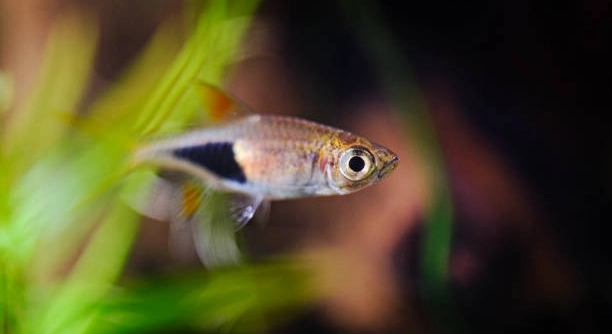
Rasboras are small, peaceful fish that often bring charm to home aquariums. They are active swimmers, yet sometimes they seem content to hover in one spot for extended periods, catching the eye of fishkeepers.
Rasboras drift in one spot primarily due to resting, conserving energy, or observing their surroundings. Environmental factors, water flow, and tank conditions influence this behavior, allowing the fish to maintain comfort and stability while reducing stress in their habitat.
Observing this gentle drifting can reveal more about your tank’s balance and the well-being of your fish, making it an interesting aspect to watch closely.
Understanding Rasboras’ Resting Behavior
Rasboras often pause in one spot to rest. Unlike larger fish that move constantly, these small fish need short breaks to conserve energy. During these moments, they may stay near plants, rocks, or tank corners. I’ve noticed my own rasboras often hover near mid-level plants, almost as if they are taking in their surroundings. This behavior is completely normal and is part of how they manage their activity. Resting also helps them digest food efficiently. When the tank has gentle water flow, they can float effortlessly without needing to swim constantly. Stress or sudden changes in the tank can make them pause more frequently, but calm and stable conditions usually reduce prolonged drifting. Watching them drift can become quite soothing, as it reflects their natural instincts and comfort levels within the aquarium.
This behavior is mainly linked to energy conservation, environmental observation, and adapting to gentle water currents.
Regularly monitoring where and how long rasboras hover in one spot provides insight into tank conditions. Noticing patterns in their drifting can help improve their habitat.
Tank Conditions Affecting Movement
Water flow and temperature can influence rasboras’ activity.
When the current is strong, rasboras may struggle to swim continuously and will drift more to balance themselves. I’ve found adjusting the filter slightly or adding decorations to block flow allows them to move naturally without fatigue. Temperature plays a role as well; if the water is cooler, their metabolism slows, and they tend to drift longer. Lighting also impacts their comfort—bright or harsh lights may encourage them to find shaded areas and pause more often. Maintaining stable pH and regular water changes reduces stress, which in turn lowers unnecessary hovering. Observation is key: if they hover too much in unusual spots or show signs of distress, checking water parameters and tank setup can prevent potential health issues. By understanding these conditions, you can create a balanced environment where rasboras remain active but comfortable.
Signs of Comfort or Stress
Rasboras hovering calmly near plants usually indicate comfort. Sudden, prolonged stillness in open areas can signal mild stress. Observing their behavior helps distinguish between relaxation and potential issues that may need attention in the tank.
Comfortable rasboras often hover quietly, slowly moving fins to maintain balance. They might explore nearby areas but return to favored spots regularly. Stress signs include rapid gill movement, clamped fins, or hiding excessively. I’ve noticed mine pause near shaded corners when the room is noisy or lighting changes abruptly. Proper hiding spaces, stable water conditions, and gentle currents reduce stress, allowing them to drift naturally without concern. Over time, these habits help maintain a healthy and peaceful tank environment.
Monitoring their daily patterns reveals subtle preferences and adjustments. Some rasboras choose mid-level plants, others stay near gentle currents. Recognizing these tendencies makes it easier to support their comfort, improving overall tank harmony and ensuring each fish thrives without unnecessary stress.
Feeding Habits and Their Effect
Rasboras often pause after eating to digest food properly, floating calmly before resuming active swimming.
After feeding, they may hover mid-water or near plants to process their meals. I’ve observed my rasboras linger longer after larger feedings, especially when the water temperature is slightly cooler. Drifting helps them conserve energy while digesting efficiently. Overfeeding can make them sluggish and hover excessively, so portion control is important. Small, frequent meals encourage natural activity and reduce long still periods. Their behavior after eating is also influenced by tank companions; if other fish are aggressive, rasboras may stay hidden, hovering quietly. By adjusting feeding routines and observing their responses, you can maintain both health and natural movement patterns.
Water Quality Considerations
Rasboras are sensitive to water conditions. Poor water quality can make them hover unusually long in one spot. Regular testing for ammonia, nitrites, and nitrates keeps them healthy and active.
Keeping water clean and stable reduces stress. I’ve noticed my rasboras drift less when I maintain consistent temperature and proper filtration.
Social Behavior and Group Dynamics
Rasboras are schooling fish, and their movement often reflects group behavior. When the group pauses, individuals follow suit. I’ve seen small groups hover together near plants or decorations, coordinating their movements naturally. Social cues influence their drifting, as they feel safer and more comfortable moving in sync with companions. This collective behavior reinforces bonding, reduces stress, and allows the fish to explore their surroundings confidently, while still taking moments to rest without isolation. Watching these patterns gives insight into their social structure and helps ensure the group remains balanced, active, and healthy.
Tank Decoration Impact
Rasboras often hover near plants, rocks, or other hiding spots, using them for comfort and navigation.
FAQ
Why do my rasboras stay in one spot for hours?
Rasboras often pause to rest, conserve energy, or observe their surroundings. I’ve noticed mine linger near plants or shaded corners after meals or during calmer parts of the day. Gentle water currents and stable tank conditions make it easier for them to hover without swimming constantly. Occasional long pauses are normal and not a sign of illness.
Is it normal for rasboras to drift near the surface?
Yes, floating near the surface can indicate comfort or mild feeding behavior. When I feed my rasboras, they sometimes stay mid-to-top water for several minutes while digesting. Make sure the water quality is good and temperature is stable, as stress or oxygen deficiency can also cause them to stay higher than usual.
Could water flow be affecting their movement?
Strong currents can make rasboras pause more often to maintain balance. I adjusted my tank’s filter slightly to create gentler flow, and they started moving more naturally. Placement of decorations can also break currents, giving them spots to hover without struggling.
Do tankmates influence their drifting?
Absolutely. Aggressive or overly active fish can cause rasboras to hide and stay still for safety. In my tank, when larger fish are more active, rasboras hover near plants or decorations until the area feels calm again. Keeping them with peaceful schooling fish encourages natural, relaxed movement.
Can overfeeding cause them to drift longer?
Yes, after large meals, rasboras often hover to digest food. I’ve noticed that smaller, frequent feedings keep them active while reducing prolonged stillness. Overfeeding may make them sluggish and increase drifting, so portion control is key.
Does tank temperature affect their behavior?
Temperature impacts metabolism. Cooler water slows movement, making rasboras hover longer. I maintain a consistent temperature around 24–26°C, and they remain active with normal hovering periods. Sudden temperature swings can stress them, increasing prolonged drifting.
Are there signs that their drifting indicates illness?
If hovering is combined with clamped fins, rapid gill movement, loss of appetite, or unusual spots, it may indicate health issues. I always check water parameters and observe behavior daily. Early detection prevents problems and keeps them comfortable.
How do decorations influence drifting?
Plants, rocks, and hiding spots give rasboras a sense of security. I noticed mine pause near tall plants or behind small caves. These areas help them feel safe while resting and provide natural breaks in swimming patterns. The right setup encourages normal hovering without stress.
Do rasboras ever rest mid-water without support?
Yes, healthy rasboras can hover mid-water by gently moving fins to maintain position. I often see mine pause mid-tank when water flow is gentle, using minimal effort to stay balanced. This is part of their natural energy-saving behavior.
Should I be concerned if only one fish hovers a lot?
Individual behavior can vary. Some rasboras are naturally calmer. I observe patterns across the group; if one fish shows unusual drifting with other stress signs, it’s worth checking water quality, diet, and possible illness. Individual differences are common, but unusual behavior deserves attention.
Can lighting affect how long they drift?
Bright or sudden lighting changes may encourage rasboras to seek shaded spots and hover longer. I use moderate, consistent lighting, and they move more freely. Gradual light transitions help reduce prolonged drifting and mimic natural day-night cycles.
How does tank size impact their movement?
Smaller tanks may restrict swimming, making rasboras hover more. In my experience, providing ample swimming space with plants and decorations allows natural drifting and movement patterns. Overcrowded tanks increase stress and prolong stationary periods.
Is it normal for rasboras to drift after rearranging the tank?
Yes, after rearranging decorations or adding plants, they often pause to assess the new environment. I’ve seen my fish hover near new objects for a few hours or days, gradually resuming normal swimming as they feel secure.
What can I do to encourage more active swimming?
Adjust water flow gently, maintain proper temperature, provide hiding spots, and feed appropriate portions. I noticed that consistent tank conditions and balanced schooling groups encourage rasboras to move naturally while still allowing normal hovering breaks.
How often should I monitor their hovering?
Daily observation helps identify changes in behavior or health. I check my tank at different times of the day, noting where and how long rasboras pause. Regular monitoring ensures early detection of stress or illness and maintains a healthy environment.
Can hovering be part of social bonding?
Yes, rasboras often hover together, showing synchronized resting. I’ve observed my group pause near each other, reinforcing security and group cohesion. This shared behavior strengthens their social structure and reduces stress, allowing them to explore confidently when they resume swimming.
Does diet influence how much they drift?
Balanced feeding keeps them active and reduces excessive drifting. I offer small, varied meals to maintain energy levels. Poor diet or irregular feeding can make them lethargic, increasing the time spent hovering in one spot. A consistent diet promotes natural activity.
Are there seasonal changes in their hovering patterns?
Subtle seasonal temperature or lighting changes can slightly alter activity. I notice minor differences in hovering patterns during cooler months, even with controlled tank conditions. They may rest a bit longer but remain healthy with consistent care.
Can water pH or hardness affect their movement?
Yes, imbalanced pH or hardness can stress rasboras, making them hover excessively. I test water regularly to ensure it’s within their preferred range. Stable conditions allow them to swim naturally and drift comfortably without signs of stress.
How long is too long for hovering?
Occasional long pauses are normal. However, if a fish remains stationary for most of the day, it may indicate stress, illness, or poor tank conditions. I track hovering duration and other behaviors to determine what is normal for my group, adjusting care as needed.
Rasboras are small, peaceful fish that bring a lot of life to a home aquarium. Watching them move, hover, and interact with their environment can be calming and interesting. It is normal for rasboras to pause and drift in one spot at times. This behavior often reflects resting, energy conservation, or simply observing their surroundings. Small pauses allow them to balance themselves in the water, digest food, and feel secure in their environment. Even though they are active swimmers, they need these breaks to stay healthy. Observing when and where they hover can give insight into their comfort level and overall well-being. Over time, noticing these patterns helps aquarium owners adjust tank conditions to support the fish’s natural behavior.
Water quality, temperature, and tank setup are key factors in why rasboras drift in one spot. Stable, clean water reduces stress and encourages natural movement, while poor conditions may cause longer hovering or unusual pauses. The arrangement of plants, rocks, and other decorations also affects their drifting. Providing shaded areas, hiding spots, and gentle currents allows them to hover comfortably without feeling vulnerable. Tankmates play a role too. Peaceful companions encourage natural schooling behavior, whereas aggressive or overly active fish may cause rasboras to stay still for safety. Feeding habits influence this behavior as well. After meals, it is normal for them to pause and digest. Smaller, frequent feedings keep energy levels steady and reduce prolonged hovering, while overfeeding can make them sluggish.
Understanding these factors makes it easier to care for rasboras and maintain a balanced tank environment. Hovering is usually a sign of comfort rather than concern, especially when accompanied by normal activity, healthy appetite, and calm swimming. By observing daily patterns, adjusting water flow, maintaining consistent temperature, and providing appropriate hiding spots, aquarium owners can support the natural behavior of rasboras. Noticing how they interact with tankmates, decorations, and water conditions helps ensure they remain active, healthy, and stress-free. These small fish have subtle behaviors that, when understood, make caring for them simpler and more rewarding. Watching them drift peacefully can become a quiet, enjoyable part of maintaining an aquarium while promoting their long-term well-being.

Hello,
If you enjoy the content that we create, please consider saying a "Thank You!" by leaving a tip.
Every little bit helps us continue crafting quality advice that supports the health, happiness, and well-being of pets around the world, for pets of all shapes, sizes, and species.
We really appreciate the kindness and support that you show us!