
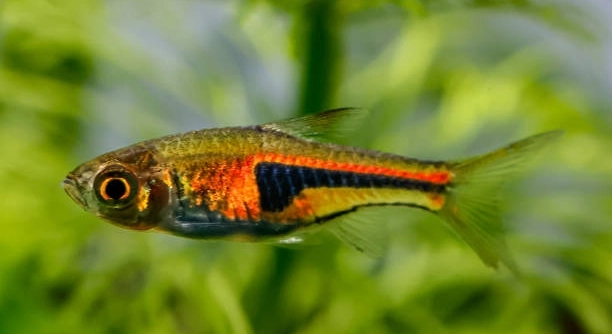
Rasboras are small, peaceful fish that brighten up any aquarium. Many beginners enjoy keeping them but often make mistakes without realizing the impact on their well-being. Understanding these errors early can help them thrive.
Common beginner mistakes that upset rasboras include overfeeding, poor water quality, sudden temperature changes, inappropriate tank mates, inadequate hiding spots, insufficient schooling companions, and neglecting routine maintenance. Each factor directly affects their stress levels and overall health.
Learning how to avoid these mistakes ensures your rasboras stay healthy and active. Awareness of their needs is essential for a calm, balanced aquarium environment.
Overfeeding Rasboras
Overfeeding is one of the most common mistakes beginners make. It is easy to get excited and offer too much food, thinking your rasboras will enjoy it. However, uneaten food quickly decays, polluting the water and increasing harmful toxins like ammonia. Rasboras are small fish and only require tiny amounts of food a couple of times a day. Observing them while they eat can help determine the right portion. Feeding once or twice daily is enough, and any leftover food should be removed promptly. Over time, feeding too much can cause obesity in rasboras and weaken their immune system. Keeping track of feeding amounts and maintaining consistency helps the fish stay healthy and reduces water maintenance. Using high-quality flake food or small pellets designed for rasboras ensures they get the nutrients they need without excess waste.
Consistent feeding in controlled portions keeps water clean and your rasboras active. Less food means less stress on their system.
Feeding rasboras the right amount improves their behavior and health. Overfed fish often become sluggish and lose interest in swimming or schooling. Smaller, consistent meals encourage natural activity and prevent digestive issues. Monitoring their eating habits also allows early detection of potential health problems. Adopting a careful feeding routine reduces the risk of water contamination and creates a stable environment. Simple adjustments, like using feeding tongs or measuring spoons, make it easy to control portions. The benefits extend beyond individual fish, improving the entire tank’s balance. Healthy feeding habits promote longer lifespans, vibrant colors, and overall happiness in your rasboras, while also making tank maintenance less stressful.
Poor Water Quality
Dirty or unbalanced water is stressful for rasboras. They need stable parameters, and sudden changes can harm them.
Maintaining water quality requires regular testing and timely water changes. Rasboras thrive in slightly acidic to neutral pH and soft to moderately hard water. High levels of ammonia, nitrites, or nitrates stress the fish and can lead to illness. Weekly water changes of 20-30 percent help maintain stability, and using a good filtration system supports clean water and oxygenation. Avoid overstocking the tank, as too many fish produce more waste than the ecosystem can handle. Checking temperature and keeping it stable is equally important. Using a water conditioner removes harmful chemicals from tap water, making it safe for sensitive rasboras. Regular cleaning of the substrate and decorations prevents debris buildup. Monitoring water clarity, odor, and chemical levels keeps the environment healthy. With consistent care, rasboras adapt well and display natural, lively behavior, making the aquarium both attractive and balanced.
Sudden Temperature Changes
Rasboras are sensitive to temperature swings. Sudden drops or rises can shock their system and cause stress or illness. Maintaining a stable temperature is essential.
Using a reliable heater and thermometer ensures consistent warmth. Rapid changes from cold water additions or room temperature fluctuations can weaken their immune system. Gradually adjusting temperature during water changes helps avoid stress. Avoid placing the tank near windows, heaters, or air conditioners, as drafts can create unstable conditions. Consistency in temperature keeps rasboras active, healthy, and less prone to disease, allowing them to display natural behaviors like schooling and exploring.
Monitoring the tank regularly prevents unnoticed fluctuations. Even small differences in temperature can affect feeding, swimming, and overall activity. Investing in a quality heater and thermometer simplifies management. For larger tanks, multiple thermometers in different locations ensure even heat distribution. Adjusting water slowly when topping off or changing water helps maintain stability. Stable temperature promotes better metabolism and reduces the chance of illness. Observing rasboras daily reveals if any are stressed due to temperature shifts, allowing prompt corrective measures.
Gradual acclimation during water changes protects rasboras from shock. Pre-warming new water and adding it slowly minimizes stress. This careful approach improves survival rates, reduces disease, and supports natural behaviors like schooling and interaction with other fish. Maintaining a constant, moderate temperature range keeps their activity steady and encourages healthy feeding patterns, contributing to their overall well-being. Consistent observation ensures problems are addressed before they escalate, helping rasboras thrive in a calm, balanced environment.
Inappropriate Tank Mates
Rasboras need peaceful companions. Aggressive or much larger fish can stress or injure them.
Keeping rasboras with calm, similarly sized species reduces conflict. Fast or territorial fish may chase or intimidate them, causing stress and hiding behavior. Proper selection ensures they swim freely and maintain normal activity levels. Community tanks should focus on harmony.
Before adding new fish, research compatibility and observe behaviors closely. Even compatible species can become aggressive under certain conditions. Providing sufficient space, hiding spots, and plants helps reduce tension. Avoid overcrowding, which increases competition for food and space. Rasboras thrive when they feel secure and unthreatened. Gradual introductions in a controlled manner reduce stress. Monitoring interactions after adding new tank mates ensures peace. A balanced community supports schooling, feeding, and natural behavior, allowing all fish to thrive without conflict.
Insufficient Hiding Spots
Rasboras feel unsafe without enough places to hide. Lack of cover increases stress and makes them shy or inactive.
Adding plants, rocks, or decorations provides shelter and reduces tension. Dense areas allow them to retreat when feeling threatened, helping maintain natural behavior and confidence in the tank.
Not Keeping a School
Rasboras are schooling fish and need companions. A lone rasbora becomes stressed, anxious, and less active. Keeping at least six together promotes natural swimming patterns and social interaction, reducing fear and supporting mental health in the aquarium.
Neglecting Routine Maintenance
Skipping regular tank cleaning can harm rasboras. Waste buildup leads to poor water quality, disease, and weakened immune systems. Consistent water changes, filter checks, and substrate cleaning are essential to keep their environment safe, healthy, and stress-free.
How often should I feed my rasboras?
Rasboras only need small amounts of food once or twice a day. Overfeeding can lead to poor water quality and stress. Observe how quickly they eat and remove any uneaten food. Using tiny flakes or pellets designed for small fish ensures they get the nutrients they need without excess waste.
Can rasboras live alone?
No, rasboras are schooling fish. Keeping them alone causes stress, anxiety, and decreased activity. A group of at least six helps them feel secure and allows natural behaviors like swimming together, exploring, and interacting with each other.
What water temperature is best for rasboras?
Rasboras thrive in stable temperatures between 72°F and 78°F (22°C–26°C). Sudden changes in temperature can shock them and weaken their immune system. A reliable heater and thermometer are essential to keep conditions consistent. Gradually adjusting water during changes avoids stress.
How do I choose tank mates for rasboras?
Pick peaceful, similarly sized fish that won’t chase or bully rasboras. Aggressive or large fish can stress them or cause injuries. Good companions include small tetras, guppies, and corydoras. Always monitor interactions when introducing new fish and provide hiding spots to reduce tension.
How often should I change the water?
Weekly water changes of 20–30 percent help maintain stable water quality. This removes waste, controls nitrate levels, and keeps the tank safe. Using a water conditioner ensures tap water is safe, and gradual water replacement prevents sudden stress from temperature or chemical shifts.
Why are my rasboras hiding constantly?
Hiding is often a sign of stress. Common reasons include poor water quality, sudden temperature changes, aggressive tank mates, or lack of cover. Adding plants, rocks, or decorations gives them safe areas. Check water parameters and ensure the tank is calm and stable.
What plants are best for rasboras?
Rasboras appreciate live plants like java fern, anubias, or floating plants. These provide hiding spots, reduce stress, and improve water quality by absorbing excess nutrients. Dense planting mimics their natural environment and encourages natural swimming patterns.
Can I keep rasboras in a small tank?
A tank under 10 gallons is too small for a healthy school of rasboras. They need space to swim freely, maintain social behavior, and avoid stress. A minimum 20-gallon tank is recommended for a group of six or more, with plants and hiding spots included.
What signs show my rasboras are stressed?
Signs include hiding, sluggish swimming, loss of color, refusal to eat, and clamped fins. Stress can lead to illness if not addressed. Check water quality, temperature, tank mates, and feeding routine. Providing a stable, well-planted environment helps them regain comfort and health.
Do rasboras need a filter?
Yes, a filter maintains clean water, provides oxygenation, and removes debris. Poor filtration leads to toxic buildup and stress. Choose a gentle filter to avoid strong currents that may overwhelm small fish. Regular filter cleaning keeps it efficient without disturbing the tank balance.
How many rasboras should be in a school?
A minimum of six is recommended to ensure social interaction and natural swimming behavior. Larger groups are even better for reducing stress and encouraging activity. Small numbers can lead to loneliness, aggression from other species, or lack of schooling behavior.
Can I use tap water for my rasboras?
Tap water is acceptable if treated with a water conditioner to remove chlorine, chloramines, and heavy metals. Untreated water can harm sensitive fish, weaken their immune system, and create long-term health issues. Regular testing ensures safe chemical levels.
How do I acclimate new rasboras?
Float the sealed bag in the tank for 15–20 minutes to equalize temperature. Slowly add small amounts of tank water to the bag over an hour before releasing the fish. Gradual acclimation reduces stress and prevents shock, helping them adapt smoothly.
Why do rasboras lose color?
Loss of color is often linked to stress, poor diet, or illness. Ensure stable water conditions, balanced nutrition, and compatible tank mates. Providing plants and hiding spots helps them feel secure, and a healthy environment promotes vibrant, natural coloring.
Can rasboras breed in a home aquarium?
Yes, but breeding requires optimal water conditions, proper diet, and a separate breeding tank with fine-leaved plants or spawning mops. Adults may eat eggs, so careful preparation is necessary. Consistent care and monitoring increase chances of successful hatching and survival of fry.
How do I prevent disease in rasboras?
Maintain clean water, avoid overfeeding, and quarantine new fish. Stable temperature and stress reduction through proper tank mates and hiding spots also help. Early detection and prompt action when symptoms appear reduce the risk of illness spreading to the entire tank.
Are rasboras sensitive to light?
Bright, constant light can stress them. A moderate, natural light cycle of 8–10 hours a day helps regulate behavior and reduces stress. Providing shaded areas with plants or decorations gives them relief and encourages natural activity patterns.
What should I do if my rasboras fight?
Check tank mates, overcrowding, and available hiding spots. Aggression usually comes from incompatible companions or insufficient space. Rearrange the tank, add plants, or remove aggressive fish. Maintaining a calm, balanced environment reduces tension and encourages peaceful interactions.
How long do rasboras live?
With proper care, rasboras live 3–5 years on average. Stable water conditions, balanced feeding, and a stress-free environment contribute to longevity. Monitoring their health regularly ensures they remain active and vibrant throughout their lifespan.
Can rasboras tolerate different water types?
Rasboras prefer soft to moderately hard water with slightly acidic to neutral pH. Extreme changes or inappropriate hardness can stress them. Testing water and maintaining consistent parameters helps them thrive while reducing the risk of illness or behavioral issues.
Is it okay to mix rasboras with tetras?
Yes, small peaceful tetras often coexist well with rasboras. Both species share similar size, temperament, and water preferences. Monitor for aggression and ensure enough swimming space. Adding plants and hiding spots helps reduce competition and supports natural behavior.
How do I know if my rasboras are healthy?
Healthy rasboras swim actively, school together, display vibrant colors, eat regularly, and have clear eyes and fins. Any deviation, like lethargy, clamped fins, or hiding, may indicate stress or illness. Regular observation ensures early detection and corrective action.
Can rasboras handle strong currents?
No, they prefer gentle water flow. Strong currents can exhaust them and increase stress, affecting feeding and schooling behavior. Using a sponge filter or adjusting the filter output provides calm water conditions suitable for their small size and natural swimming style.
How much space do rasboras need?
Each rasbora requires enough room to swim freely with companions. A 20-gallon tank is the minimum for a small school. Space reduces stress, prevents territorial conflicts, and supports natural behavior, ensuring they remain active and healthy.
What is the best diet for rasboras?
High-quality flake or micro-pellet food is ideal, supplemented occasionally with live or frozen foods like daphnia or brine shrimp. Balanced nutrition supports growth, vibrant colors, and overall health. Feeding small portions twice daily prevents overfeeding and water quality issues.
How do I handle a stressed rasbora?
Identify the stress cause: water quality, tank mates, or environment. Correct the issue promptly, provide hiding spots, maintain stable temperature, and ensure proper feeding. Observing changes in behavior helps track improvement. Stress management prevents illness and encourages natural, active behavior.
Can rasboras live with shrimp?
Yes, peaceful shrimp like cherry shrimp can coexist with rasboras. Provide plenty of hiding spaces for shrimp to reduce predation risk. Compatibility depends on species and tank setup. Observation is key to maintaining a safe, balanced community.
Are rasboras sensitive to pH changes?
Yes, sudden pH shifts can stress them and cause health problems. Maintain slightly acidic to neutral water and avoid drastic changes during water changes. Regular testing ensures stability, promoting a calm environment for schooling and feeding.
What is the best tank setup for rasboras?
A well-planted tank with open swimming areas, gentle water flow, hiding spots, and stable temperature creates an ideal habitat. Maintaining clean water, compatible tank mates, and proper lighting supports health, natural behavior, and vibrant coloration in rasboras.
How do I introduce new rasboras to an established tank?
Float the bag to equalize temperature, then gradually mix tank water over 30–60 minutes. This reduces shock and stress. Carefully monitor interactions after release, ensuring they integrate peacefully. Adding plants and decorations provides security during acclimation.
Can rasboras tolerate cooler water?
They prefer moderate, stable temperatures and may tolerate slight drops temporarily. Prolonged exposure to cold water slows metabolism, reduces activity, and increases vulnerability to disease. Maintaining proper warmth ensures health and active behavior.
What signs indicate a sick rasbora?
Symptoms include faded color, clamped fins, loss of appetite, erratic swimming, or hiding excessively. Early detection and treatment improve survival. Checking water quality, temperature, and tank mates helps identify underlying causes of illness.
How do I prevent algae in a rasbora tank?
Regular water changes, controlling lighting duration, avoiding overfeeding, and maintaining a clean tank prevent excessive algae growth. Plants compete with algae for nutrients, helping maintain a balanced, healthy aquarium environment.
Are rasboras easy to care for?
With proper feeding, stable water, and compatible tank mates, rasboras are relatively easy to care for. Observing behavior, maintaining water quality, and providing a safe environment ensure they remain active, healthy, and display vibrant colors consistently.
Can rasboras jump out of the tank?
Yes, they may jump when stressed or startled. A secure lid or cover prevents escape. Maintaining calm conditions and providing plants reduces stress-induced jumping.
Rasboras are small, delicate fish that bring life and movement to an aquarium. Their vibrant colors and peaceful nature make them popular for both beginners and experienced fish keepers. While they are generally hardy, they have specific needs that must be met to thrive. Stress, poor water quality, overfeeding, and incompatible tank mates can all have a negative impact on their health. By paying attention to their environment and daily care, you can create a stable and calm habitat where they feel secure and display natural behaviors. Watching a healthy school of rasboras swim together is a rewarding experience and shows that your careful attention is making a positive difference.
Maintaining proper tank conditions is essential for keeping rasboras healthy. Water temperature should be stable and within their preferred range, and regular testing of pH, ammonia, nitrites, and nitrates helps prevent unexpected problems. Filtration and regular water changes reduce waste and maintain clean, oxygenated water. A well-planted tank with plenty of hiding spots allows rasboras to feel safe and reduces stress. They are social creatures, so keeping them in groups of six or more ensures they can interact naturally and reduces anxiety. Proper feeding is also important; small, measured portions once or twice a day prevent overfeeding and water pollution. Attention to these details helps prevent many common beginner mistakes and ensures that your rasboras remain active, healthy, and vibrant.
Rasboras are rewarding to keep because they respond well to thoughtful care and a balanced environment. When their needs are met, they are lively, display strong colors, and enjoy swimming together in schools. Observing them provides both relaxation and satisfaction, as you can see how proper maintenance and attention directly affect their well-being. Even small adjustments, like adding plants, adjusting feeding routines, or stabilizing water temperature, can make a significant difference. Consistency and observation are key, as rasboras communicate stress and health issues through behavior and appearance. Taking the time to learn their needs and carefully maintaining their habitat ensures a long, healthy life for these beautiful fish. Their presence can transform a tank into a calming, lively space, highlighting the importance of careful and attentive care.

Hello,
If you enjoy the content that we create, please consider saying a "Thank You!" by leaving a tip.
Every little bit helps us continue crafting quality advice that supports the health, happiness, and well-being of pets around the world, for pets of all shapes, sizes, and species.
We really appreciate the kindness and support that you show us!