
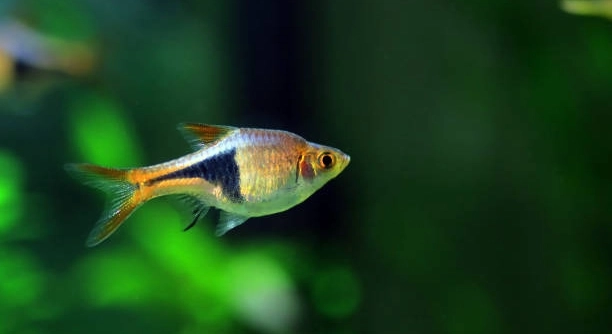
Have you ever welcomed new rasboras and hoped they settle calmly into your aquarium without trouble? Introducing fish can feel delicate, yet simple preparation and gentle steps help create a transition for newcomers and residents.
The most effective method for introducing rasboras without stress involves gradual acclimation, stable water parameters, and controlled lighting. These measures reduce shock, limit aggressive responses, and support schooling behavior, allowing fish to integrate smoothly while maintaining health, equilibrium, and survival.
Learning how timing, environment, and observation work together can greatly improve success and protect the calm balance of your aquarium.
Prepare the Aquarium Environment
Preparing the aquarium before adding rasboras sets a calm foundation for the entire process. I always start by checking water temperature, pH, and hardness, making sure they match the source tank closely. Stable parameters help prevent shock and reduce erratic behavior. Decorations should be arranged to create open swimming areas along with gentle hiding spots. Plants, whether live or artificial, soften the space and offer visual breaks. Filtration must be clean but not overly strong, as rasboras prefer steady, mild flow. Lighting should be dimmed several hours before introduction to reduce stimulation. Feeding existing fish lightly earlier in the day also helps limit territorial responses. When the tank feels quiet and balanced, new fish are more likely to settle without panic, allowing their natural schooling behavior to appear sooner and with less disruption overall for better long term comfort and improved confidence during the first critical hours inside the aquarium.
Preparing early also gives the aquarist time to observe existing fish behavior. I find this step important because it highlights signs of stress, aggression, or overcrowding. Small adjustments made beforehand often prevent larger issues once rasboras are finally introduced and support a smoother transition for all fish involved in tanks.
Rushing this stage often leads to unnecessary losses that could have been avoided. Taking time to prepare also builds confidence, especially for keepers still learning fish behavior. When conditions are steady, rasboras display brighter coloration and tighter schooling patterns. This response signals comfort and reduced stress. A prepared aquarium becomes a supportive space rather than a challenge. From my experience, patience at this step pays off quickly. The fish settle faster, feeding resumes sooner, and monitoring becomes easier during the first days. This groundwork supports every other introduction method that follows and reduces risk during early adjustment periods for success.
Use Gradual Acclimation Techniques
Gradual acclimation protects rasboras from sudden changes that strain their systems. I prefer slow water mixing over quick releases. This method allows fish to adjust calmly, reducing erratic movement and helping them remain grouped. Controlled pacing creates stability during the most sensitive phase and limits stress responses seen in environments.
Floating the transport bag helps equalize temperature, but it should not be the only step used. After temperatures match, small amounts of aquarium water should be added gradually to the bag at regular intervals. This slow blending allows rasboras to adjust to differences in chemistry without shock. I usually continue this process for at least thirty minutes while observing behavior. Calm swimming and steady breathing indicate readiness. Once acclimated, fish should be gently netted into the aquarium without adding bag water. This keeps waste and potential contaminants out of the tank. Lights should remain low for several hours after release. Feeding should be delayed until the next scheduled time to avoid overwhelming the fish. Gradual acclimation supports immune function and reduces losses during the first days. When done properly, rasboras begin schooling naturally and explore their surroundings with confidence. This careful approach strengthens long term stability within the aquarium. It also gives the aquarist time to monitor reactions, make adjustments, and remain present. This hands on method feels reassuring, limits mistakes, and supports healthier outcomes. Consistency, patience, and observation together create conditions where rasboras adapt smoothly and maintain balanced behavior in shared community tanks over extended periods of careful care.
Limit Stress During the First Hours
New rasboras are most sensitive during the first hours after release. I keep lights dim, avoid sudden movement, and resist adjusting décor. Quiet surroundings help them stay grouped. Minimal activity allows breathing to stabilize and prevents frantic swimming that increases exhaustion and early losses during this critical settling period overall.
I also avoid feeding immediately, even if the fish appear active. Digestion adds stress and uneaten food can affect water quality. Observation is more valuable during this stage. I watch for tight schooling, steady gill movement, and gentle exploration. If chasing occurs, I remain patient rather than intervene. Rasboras often calm once they understand the space. Curtains closed and room noise reduced help maintain calm. These small actions feel simple, yet they consistently reduce shock. Allowing time without interference supports natural adjustment and lowers the chance of delayed stress reactions later. This approach has worked well in my tanks consistently.
Monitoring continues over the next several days. I keep water changes small and avoid adding new fish during this period. Consistency matters more than perfection. Rasboras that eat normally, school loosely, and show clear coloration are adjusting well. Any signs of clamped fins or isolation signal a need to slow down. I prefer gentle corrections instead of quick fixes. Stable routines build trust and allow the group to settle naturally. This steady pace helps prevent setbacks that often appear after an otherwise calm introduction when patience is replaced by unnecessary changes too soon within shared community aquariums long term stability.
Manage Tank Mates Carefully
Existing fish behavior plays a large role in how rasboras settle. I observe interactions closely, especially from faster or territorial species. Rearranging decorations beforehand can reduce established boundaries. Introducing rasboras as a small group helps them feel secure. When pressure is low, schooling remains tight, and stress responses decrease. Careful planning here prevents ongoing tension. This step has saved me from repeated conflicts in mixed community tanks where balance matters most for long term harmony.
Compatibility should never be assumed. I avoid pairing rasboras with fin nippers or overly dominant fish. Even peaceful species can cause stress if space is limited. Providing visual breaks with plants reduces constant attention. Feeding spreads aggression when done evenly across the tank. I also ensure group sizes are appropriate, since small numbers increase anxiety. Watching interactions at different times of day reveals patterns that are easy to miss. Adjustments made early prevent chronic stress. When tank mates respect space, rasboras display natural movement and color. This balance keeps the aquarium stable and enjoyable to observe. Over time, this approach has helped me maintain calm behavior without constant intervention or rehoming fish unnecessarily while supporting healthy social structure across the entire tank long term stability.
Observe Before Intervening
Observation matters more than action during early days. I spend time watching behavior rather than adjusting equipment. Subtle signs like loose schooling and steady breathing show progress. Writing small notes helps track changes. This habit keeps responses calm, measured, and based on patterns instead of assumptions or impatience daily consistently.
Resisting the urge to intervene builds confidence for both fish and keeper. I remind myself that calm behavior develops slowly. Sudden changes often disrupt progress. Remaining consistent with lighting, feeding, and maintenance allows rasboras to adapt naturally without added pressure or confusion during this adjustment period within shared home aquariums.
Maintain Consistent Routines
Lighting and feeding routines influence stress levels more than expected. I keep lights on a steady schedule and avoid sudden brightness. Feeding occurs at the same times daily using small portions. Predictability creates security. Rasboras learn when to expect activity and rest. This rhythm reduces skittish behavior and surface darting. I also remove uneaten food promptly to protect water quality. Clean conditions support immune health during adjustment. When routines stay consistent, fish appear calmer, colors deepen, and schooling becomes smooth. These simple habits require little effort yet support long term stability in community aquariums over extended periods of daily care.
Consider Quarantine When Possible
Quarantine tanks offer added protection when introducing rasboras. I use them whenever possible to observe health and behavior. This step reduces risk to the main aquarium. Short isolation allows recovery from transport stress and helps ensure only stable fish join established groups after proper monitoring and careful timing practices consistently.
How long should rasboras be acclimated before release into the tank?
Acclimation should be slow and steady. I usually allow at least thirty minutes, sometimes longer if water parameters differ. Temperature matching comes first, followed by gradual water mixing. This process reduces shock and helps rasboras maintain steady breathing. Rushing this step often leads to erratic swimming and delayed stress responses. When fish enter calmly, they explore sooner and settle faster. I have noticed better survival rates when patience is practiced during acclimation. It also gives time to observe behavior before release. This quiet period supports smoother adjustment once they enter the aquarium.
Why do rasboras hide or stay still after being introduced?
Hiding or staying still is a normal response during the first hours. Rasboras are adjusting to new surroundings, light levels, and tank mates. I usually see this behavior lessen within a day. Dim lighting and limited movement nearby help them feel secure. Forcing interaction or rearranging décor during this time often increases stress. When left alone, rasboras regain confidence naturally. Their schooling behavior usually returns once they feel safe and understand the environment around them. This response is temporary and rarely signals a serious problem when other conditions are stable.
Should rasboras be added all at once or in stages?
Adding rasboras all at once is usually better. They rely on group presence for security, and small numbers increase anxiety. I always introduce them as a proper group rather than one or two at a time. This approach reduces isolation and supports natural schooling. Staged additions can reset stress repeatedly and disrupt balance. When introduced together, rasboras adapt faster and interact more calmly with tank mates. Group introduction also makes it easier to monitor behavior and detect issues early without confusion.
What water conditions help reduce stress during introduction?
Stable water conditions matter more than exact numbers. I focus on consistency rather than constant adjustment. Temperature, pH, and hardness should match the source as closely as possible. Sudden changes strain the fish and delay adjustment. Clean water with gentle filtration supports calm behavior. I avoid large water changes during the first week. Instead, I keep maintenance minimal. When conditions remain steady, rasboras display brighter color and smoother movement. Stability supports immune function and reduces delayed stress symptoms that appear days later.
Is it normal for rasboras to refuse food at first?
Yes, temporary loss of appetite is common. I usually wait until the next scheduled feeding rather than offering food immediately. Once rasboras feel secure, they begin eating normally. Offering small portions helps prevent waste and pressure. Watching feeding behavior gives insight into comfort levels. When they eat together and remain grouped, adjustment is progressing well. Appetite often returns within a day. Patience during this phase prevents water quality issues and supports a calmer transition.
How can stress be identified after the first few days?
Stress signs can appear gradually. I watch for clamped fins, fading color, or isolation from the group. Rapid breathing and hiding long term can also signal discomfort. These signs often point to instability rather than disease. I review recent changes instead of reacting quickly. Adjustments are made slowly. Often, restoring routine resolves issues. Observation over several days provides clearer insight than single moments. Calm evaluation helps avoid unnecessary interventions that increase stress further.
Does lighting affect rasboras during introduction?
Lighting plays a significant role. Bright lights increase stimulation and nervous movement. I dim lights before introduction and keep them low for several hours. Gradual brightness over the next day works best. Sudden changes often cause darting and surface movement. Consistent lighting schedules help rasboras learn daily patterns. Over time, they become less reactive. This simple adjustment has made introductions smoother in my experience. Light control supports calm behavior and encourages steady schooling patterns.
Introducing rasboras without stress comes down to patience, preparation, and restraint. Small choices made before and after introduction shape how fish respond in the long term. Stable water, dim lighting, and consistent routines create a sense of safety that rasboras rely on. These fish are sensitive to sudden change, yet they adapt well when given time. Observing behavior instead of reacting quickly allows problems to resolve naturally. Schooling, steady movement, and normal feeding patterns are signs that balance is forming. When these signals appear, it confirms that the environment supports their needs. A calm approach benefits not only the new fish but the entire aquarium system.
It is easy to feel the urge to adjust something when new fish enter a tank. In my experience, doing less often works better than doing more. Rasboras respond positively to predictability. When lighting schedules, feeding times, and maintenance remain steady, stress levels stay lower. Compatibility with tank mates also plays a major role. Even peaceful fish can create pressure if space or numbers are not appropriate. Taking time to plan stocking choices prevents ongoing tension. Quarantine, when possible, adds another layer of protection and observation. Each of these steps reduces risk and builds confidence for both the keeper and the fish. Over time, these habits become routine and require little effort.
Final success is measured not by how quickly rasboras are added, but by how calmly they settle. A smooth introduction leads to stronger coloration, tighter schooling, and consistent behavior. These outcomes reflect comfort and stability. Stress often shows up later when early steps are rushed or ignored. By focusing on gradual changes and careful observation, long term issues become less common. Every aquarium is different, yet the core principles remain the same. Stability supports health. Patience supports adjustment. Consistency supports trust. When these elements come together, rasboras integrate naturally and thrive in their environment. This steady method creates an aquarium that feels balanced and enjoyable to maintain, allowing both fish and keeper to settle into a reliable rhythm over time.

Hello,
If you enjoy the content that we create, please consider saying a "Thank You!" by leaving a tip.
Every little bit helps us continue crafting quality advice that supports the health, happiness, and well-being of pets around the world, for pets of all shapes, sizes, and species.
We really appreciate the kindness and support that you show us!