
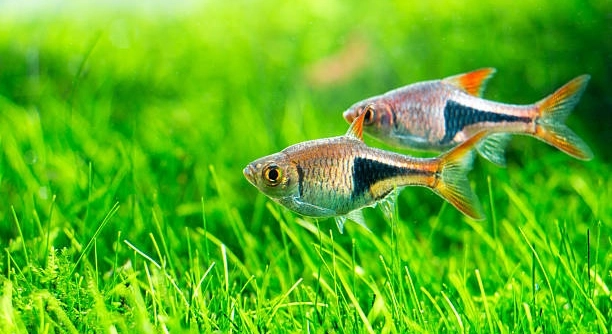
Many aquarists enjoy keeping small, colorful fish like rasboras, yet it can be alarming when these fish float head down. Observing unusual behavior in your tank often signals that something in their environment or health needs attention.
Rasboras floating head down usually indicate swim bladder disorder, which affects buoyancy control. This condition can result from overfeeding, constipation, bacterial infection, or poor water quality. Identifying the cause is essential to restore normal swimming behavior and maintain fish health.
Addressing swim bladder issues early can prevent further complications and improve your rasbora’s overall well-being in the aquarium. Small adjustments often make a significant difference in recovery and daily activity.
Common Causes of Head-Down Floating
Rasboras can float head down for several reasons, and understanding these can help you act quickly. Overfeeding is a frequent issue, as excess food can lead to constipation and put pressure on the swim bladder. Uneaten food that sinks and decays also affects water quality, which in turn stresses your fish. Poor water conditions, including incorrect temperature, pH levels, or high ammonia and nitrite, can weaken their immune system and contribute to buoyancy problems. Bacterial infections and parasites are another concern, often causing inflammation or internal blockages that interfere with normal swimming. Even minor injuries from rough handling or tank decorations can impact their balance temporarily. Observing your fish closely and keeping a clean, well-maintained tank will reduce these risks. Small changes in diet and environment often correct the problem without needing medication, but persistent issues may require targeted treatment to restore your rasbora’s health.
Monitoring water parameters and feeding habits is essential for preventing recurring buoyancy problems in rasboras.
Adjusting feeding schedules, such as offering smaller portions or soaking dry food, can reduce constipation. Using a water conditioner and regularly testing ammonia, nitrite, and nitrate levels helps maintain a stable, healthy environment. Observing behavior changes early allows prompt intervention.
Treatment and Care Tips
Immediate steps include isolating the affected fish in a quarantine tank to prevent stress and monitor recovery.
Treatment begins with fasting the fish for 24 to 48 hours to allow the digestive system to clear. Follow this with a small portion of cooked, peeled peas, which act as a natural laxative to relieve constipation. Adjust water temperature slightly higher, within safe limits, to improve metabolism and digestion. In cases of bacterial infection, appropriate antibiotics may be necessary, but always confirm the diagnosis first. Maintain excellent water quality through regular partial water changes, gentle filtration, and removal of uneaten food. Avoid overcrowding, as stress worsens buoyancy issues. Gradual observation of swimming patterns ensures the fish is recovering. With consistent care, most rasboras regain normal buoyancy and resume active swimming. Tracking feeding, tank conditions, and overall behavior helps prevent future occurrences. Regular monitoring is key to a stable, healthy aquarium environment.
Diet Adjustments for Rasboras
Overfeeding is a leading cause of buoyancy problems. Reducing portions and feeding smaller, more frequent meals can prevent constipation. Avoid high-fat foods and remove uneaten pellets promptly. Introducing fiber-rich options like peas helps digestion and can improve swim bladder function naturally.
A controlled diet is key for rasbora health. Dry flakes or pellets should be soaked before feeding to reduce swelling in the gut. Occasional live or frozen foods, such as daphnia or brine shrimp, provide variety and support digestion. Maintaining a balanced diet prevents internal blockages that can cause head-down floating. Observing how your fish reacts to each type of food allows for adjustments tailored to their needs. Avoid sudden changes in diet, as this can stress their digestive system and worsen buoyancy issues.
Consistency in feeding times and quantities helps rasboras maintain normal buoyancy. Using small, easily digestible portions encourages regular bowel movements. Tracking dietary changes alongside swimming behavior makes it easier to identify potential problems early. Over time, these adjustments reduce the likelihood of recurring swim bladder issues, promoting healthier and more active fish.
Water Quality Management
Maintaining clean water is crucial for rasbora health. Regular testing and partial water changes prevent ammonia and nitrite spikes, which stress fish and affect buoyancy.
Water parameters directly influence swim bladder function. Ideal temperature ranges, stable pH, and low levels of toxins help reduce stress. Uneaten food and decaying plants increase ammonia, creating an unhealthy environment. Gentle filtration prevents strong currents that can tire the fish. Regular partial water changes, typically 20-30% weekly, dilute toxins and maintain stable chemistry. Introducing live plants and aeration supports oxygen levels, further promoting healthy swimming patterns. Keeping a log of water tests and maintenance routines helps spot trends before problems escalate.
Staying vigilant about water quality ensures rasboras remain active and reduces the risk of head-down floating. Consistent filtration, appropriate stocking levels, and routine cleaning are essential. Observing fish daily allows immediate response if swimming issues arise. Simple steps like removing uneaten food, checking filter function, and monitoring temperature keep the environment safe. Using water conditioners and stabilizers can address minor fluctuations, preventing stress-related buoyancy problems. A well-maintained aquarium fosters resilience against infections and dietary challenges, supporting overall health. Tracking these practices builds a reliable care routine, giving your rasboras the best chance to thrive without recurring swim bladder issues.
Recognizing Swim Bladder Disorder
Swim bladder disorder causes rasboras to float head down or sideways. Symptoms include difficulty swimming, floating at the surface, or sinking repeatedly. Early detection is essential for effective treatment and preventing further health complications.
Observation is key. Look for bloating, lethargy, or uneven swimming. These signs indicate digestive issues or infections affecting the swim bladder. Acting quickly improves recovery chances and helps maintain a stable tank environment for all fish.
Quarantine and Isolation
Separating affected rasboras reduces stress and prevents potential disease spread. A small, clean tank with gentle filtration allows close monitoring of feeding and behavior, ensuring prompt treatment as needed.
Medications and Treatments
Antibiotics or anti-parasitic medications may be required if infection is confirmed. Always follow dosage instructions carefully and monitor fish daily. Combining treatment with improved diet and water quality increases recovery success and restores normal swimming behavior.
Stress Reduction
Minimizing sudden changes in the tank, avoiding overcrowding, and keeping consistent lighting helps rasboras feel secure. Reduced stress supports faster recovery from swim bladder issues and overall health maintenance.
FAQ
Why is my rasbora floating head down after eating?
This usually happens due to overfeeding or constipation. Uneaten food expands in the gut, putting pressure on the swim bladder. Reducing portion sizes, soaking dry food, and offering fiber-rich options like peas often relieve the issue and restore normal swimming.
Can water temperature affect my rasbora’s buoyancy?
Yes, low or fluctuating temperatures can slow digestion and metabolism, leading to swim bladder problems. Keeping water stable within the species’ ideal range helps maintain normal swimming patterns. Minor adjustments, combined with diet control, can improve buoyancy over several days.
How can I tell if it’s an infection?
Signs include bloating, lethargy, clamped fins, or red streaks on the body. Infections may also cause head-down floating. Observing behavior changes alongside physical symptoms helps determine if medication is necessary. Quarantining affected fish prevents the spread to others in the tank.
Is constipation the only reason for head-down floating?
No, other causes include bacterial or parasitic infections, poor water quality, and physical injury. Even stress from overcrowding or sudden changes in environment can trigger buoyancy issues. Careful observation and maintenance of tank conditions are essential to prevent recurrence.
How long does it take for a rasbora to recover?
Recovery depends on the underlying cause. Dietary adjustments often show improvement within a day or two. Bacterial infections or severe swim bladder disorders may require a week or longer with treatment and optimal water conditions. Patience and consistent care are crucial.
Can I treat swim bladder issues without medication?
Yes, many cases respond to fasting, dietary changes, and improved water quality. Offering cooked, peeled peas or daphnia can relieve constipation naturally. Regular monitoring ensures that these measures are effective, and medication is only needed if symptoms persist.
Should I change my tank setup if my rasbora floats head down?
Minor changes, like removing sharp decorations, adding gentle filtration, and ensuring adequate swimming space, can reduce stress and prevent injuries that worsen buoyancy problems. Avoid sudden rearrangements, as these may increase stress and prolong recovery.
How do I prevent swim bladder problems in the future?
Feed smaller, controlled portions, soak dry food, and maintain clean water with stable parameters. Observe fish regularly for early signs of distress. Balanced diets, proper tank maintenance, and avoiding overcrowding significantly reduce the risk of head-down floating.
Is it normal for rasboras to occasionally float head down?
Occasional minor floating can happen after feeding, but frequent or prolonged head-down swimming indicates an underlying issue. Consistent observation and addressing diet, water quality, and stress levels are necessary to keep your fish healthy.
Can stress alone cause head-down floating?
Yes, stress from sudden changes in lighting, temperature, or tank mates can impact buoyancy. Reducing stress by keeping a stable environment and avoiding overcrowding helps rasboras maintain normal swimming behavior and supports faster recovery from minor issues.
Are there long-term effects of swim bladder disorder?
If untreated, swim bladder problems can lead to chronic buoyancy issues, reduced feeding, and increased susceptibility to disease. Prompt care, including diet control, water maintenance, and appropriate treatment, helps prevent lasting health problems and ensures normal activity levels.
How often should I monitor my rasboras for signs of swim bladder problems?
Daily observation is ideal. Look for swimming patterns, bloating, fin clamping, or lethargy. Early detection allows quick intervention, whether adjusting diet, water quality, or administering treatment, increasing the chance of full recovery and long-term health.
Can multiple rasboras be affected at the same time?
Yes, poor water quality or contagious infections can affect several fish. Maintaining proper tank hygiene, regular water changes, and quarantining new or sick fish helps protect the entire group and prevents simultaneous swim bladder issues.
What role does tank size play in buoyancy problems?
Small or overcrowded tanks increase stress, reduce water quality, and limit swimming space, all of which can contribute to head-down floating. Providing ample space, stable conditions, and a proper population density supports normal swimming behavior and reduces stress-related disorders.
Is it necessary to consult a veterinarian for swim bladder issues?
For mild cases caused by diet or minor stress, home care is often enough. Persistent symptoms, severe infections, or repeated episodes may require professional advice to identify underlying conditions and prescribe proper treatment.
Rasboras floating head down can be worrying, but understanding the main causes makes it easier to respond. Most commonly, buoyancy problems stem from dietary issues like overfeeding or constipation. When a fish swallows too much food or the food swells inside its digestive system, pressure is placed on the swim bladder, making it difficult for the fish to maintain normal swimming. Adjusting portion sizes, offering fiber-rich foods like peas, and spacing out feedings are often enough to relieve this type of problem. Paying attention to how your fish reacts to each meal helps you fine-tune feeding habits and prevents future occurrences. A consistent, balanced diet plays a major role in keeping rasboras healthy and active.
Water quality is another crucial factor in preventing swim bladder disorders. High levels of ammonia, nitrites, or sudden changes in pH can stress fish and interfere with normal buoyancy. Maintaining stable water temperature, performing regular partial water changes, and using a gentle filtration system all contribute to a safe environment. Even small adjustments, like removing uneaten food promptly or adding live plants, make a noticeable difference in water quality. Stress from overcrowding, aggressive tank mates, or sudden changes in lighting can also trigger head-down floating. By keeping the tank environment predictable and comfortable, you reduce the likelihood of recurring buoyancy issues and help your rasboras stay active and healthy over the long term.
For cases that involve infections or parasites, treatment may be necessary, but most mild swim bladder issues can be managed at home through proper care. Observing your fish daily allows you to identify problems early and respond with diet adjustments, improved water quality, or isolation if needed. Quarantining a fish showing symptoms prevents stress and reduces the risk of spreading infections to other tank inhabitants. Over time, implementing these practices creates a routine that supports the health of all your rasboras. Understanding the signs of swim bladder disorder, maintaining clean water, and providing a proper diet ensures that your fish not only recover but thrive. With patience and attention, you can prevent most buoyancy problems and enjoy a lively, balanced aquarium where your rasboras swim normally and remain energetic.

Hello,
If you enjoy the content that we create, please consider saying a "Thank You!" by leaving a tip.
Every little bit helps us continue crafting quality advice that supports the health, happiness, and well-being of pets around the world, for pets of all shapes, sizes, and species.
We really appreciate the kindness and support that you show us!