
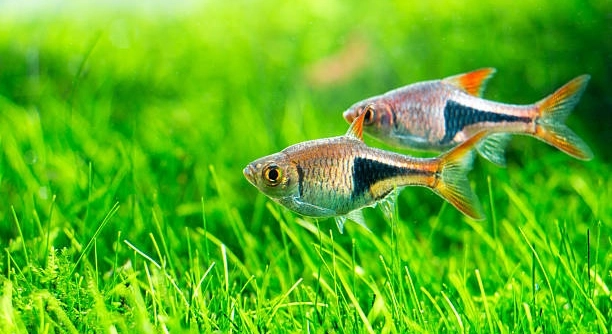
Rasboras are small, peaceful fish that often display shy behavior in their tanks. Many owners notice their hesitation when exploring new areas or interacting with other fish, which can make the aquarium feel less lively and dynamic.
Improving rasbora confidence involves adjusting tank conditions, providing appropriate companions, and offering hiding spaces. Gradual acclimation, consistent feeding schedules, and gentle observation reduce stress, while enrichment and proper lighting encourage natural behavior and social interaction within the aquarium.
These changes can quickly foster a more active and comfortable environment, helping rasboras feel secure and confident in their aquatic home.
Creating a Comfortable Tank Environment
A well-structured tank can make a significant difference in how confident your rasboras feel. Providing plenty of plants, both floating and rooted, creates natural hiding spots and reduces stress. Open swimming areas are equally important, allowing them to move freely without feeling trapped. Substrate choice matters too; soft gravel or sand can prevent injuries and promote natural foraging. Proper filtration and regular water changes maintain water quality, which directly impacts behavior. Lighting should mimic a natural day-night cycle, giving the fish time to rest and explore. Avoid sudden changes in temperature or decorations, as these can startle them. Observing their behavior after adjustments helps determine which areas need improvement. Even small additions like driftwood or rocks can enhance their confidence, giving them places to feel secure while interacting with tank mates. Consistency in these conditions builds a sense of safety over time, encouraging them to be more active.
Maintaining a stable environment reduces stress and supports natural behavior patterns for healthier, more confident rasboras.
Over time, rasboras will start exploring corners they previously avoided. They may swim in tighter schools at first, gradually spreading out as they gain confidence. Watching them adapt is satisfying, and it reflects the impact of small, thoughtful changes on their daily lives.
Gradual Introduction to Tank Mates
Introducing new tank mates requires careful planning to avoid aggression or intimidation. Start with fish that are peaceful and similar in size. Rasboras feel more confident when they are not threatened, so choose companions that share their temperament.
Introducing companions slowly allows rasboras to adjust without panic. Quarantining new fish and adding them during low-stress periods helps maintain harmony. Monitor interactions closely for the first few days, looking for chasing or hiding behaviors. Overcrowding can heighten anxiety, so maintain appropriate fish density. Providing visual barriers and additional hiding spots gives both old and new residents space to adapt. Feeding patterns should be synchronized to prevent competition and stress. Recognize that each fish has a unique personality; some may take longer to feel secure. Once they are comfortable, schooling behavior strengthens, and social interactions become more natural, enhancing overall confidence. Consistent observation ensures timely interventions if problems arise.
Patience during introductions allows rasboras to integrate smoothly, creating a balanced and harmonious tank environment.
Consistent Feeding Routine
Rasboras respond well to a predictable feeding schedule. Offering food at the same times each day reduces stress and builds trust. Small, frequent portions prevent overeating and keep the fish active. Avoid sudden changes in diet, as this can make them hesitant to eat.
Providing a balanced diet with high-quality flakes, micro-pellets, and occasional live or frozen foods ensures they receive essential nutrients. Variety encourages natural foraging behavior and keeps them engaged. Feeding at regular intervals allows rasboras to associate human presence with positive experiences, which gradually increases their confidence. Overfeeding can cloud water quality, so portion control is crucial. Observing how they approach food can indicate their comfort level and social behavior. This simple adjustment has a direct impact on their overall activity and willingness to explore the tank.
Over time, rasboras will become more proactive during feeding. Shy individuals start swimming closer to the surface when food is offered. The group as a whole may develop synchronized feeding behavior, reducing stress and reinforcing social bonds. Consistent routines help the fish anticipate care, creating a calmer, more secure environment.
Providing Hiding Spots
Hiding places are essential for rasboras to feel safe. Plants, caves, and decorations offer shelter and reduce stress. They need spots to retreat when startled or resting.
Using live plants, driftwood, and small rocks creates natural retreats that mimic their natural habitat. Dense areas allow timid fish to explore gradually while remaining protected. Floating plants can diffuse light, creating shaded zones where rasboras feel secure. Providing multiple hiding spots prevents competition and ensures all fish have access. Adjusting decorations periodically encourages exploration without forcing them into open areas. Observing which spots they prefer helps optimize tank layout and placement. Creating a variety of shelters enhances their confidence and encourages natural schooling behavior. Over time, the tank becomes a dynamic environment where fish feel safe to swim, rest, and interact, promoting both physical and mental well-being.
Gentle Observation
Watching rasboras without disturbing them helps build trust. Approach the tank slowly and avoid sudden movements. Over time, they become familiar with your presence and act more naturally.
Consistent, calm observation allows you to notice behavior changes early. Recognizing stress signs like hiding or erratic swimming helps you adjust tank conditions quickly.
Water Quality Maintenance
Maintaining clean, stable water is crucial for rasbora confidence. Regular water changes and proper filtration prevent harmful buildup of ammonia and nitrates. Testing water parameters weekly ensures ideal conditions. Sudden fluctuations can stress the fish, reducing activity and increasing hiding behavior. Consistent maintenance creates a reliable environment where rasboras feel secure. Temperature should remain stable within their preferred range. Avoid overcrowding, as excess waste can affect water quality. Aeration and gentle currents mimic natural habitats, promoting exploration and natural swimming patterns. Clean water also supports healthy schooling, encouraging social interactions. Monitoring and adjusting pH, hardness, and temperature ensures long-term stability and reduces stress-related behaviors.
Avoid Sudden Changes
Rasboras respond poorly to abrupt changes in tank setup, lighting, or companions. Gradual adjustments help them adapt without fear or stress.
FAQ
How can I tell if my rasboras are confident?
Confident rasboras swim openly in the tank, explore new areas, and interact comfortably with other fish. They show consistent schooling behavior and approach food without hesitation. Shy or stressed fish tend to hide frequently, cling to plants or decorations, and may avoid swimming near other fish.
What is the best number of rasboras to keep together?
Rasboras are schooling fish and feel safest in groups of at least six to eight. Smaller groups can make them more timid and stressed, reducing activity and confidence. Larger schools often display more natural behavior and create a lively tank environment.
Which tank plants are best for boosting confidence?
Dense plants like Java fern, Anubias, and moss create hiding spots while allowing swimming space. Floating plants such as duckweed or Amazon frogbit diffuse light, giving shaded areas for shy fish. A mix of rooted and floating plants provides both security and freedom to explore.
How often should I feed my rasboras?
Feeding small amounts twice a day works well. Overfeeding can reduce water quality and increase stress. A varied diet of flakes, micro-pellets, and occasional live or frozen food encourages natural foraging behavior, keeping them active and confident.
Can lighting affect rasbora confidence?
Yes, consistent lighting that mimics a day-night cycle is important. Sudden changes or overly bright lights can make them hide. Dimmed or diffused lighting encourages exploration and reduces stress, helping them feel secure.
How important is water temperature?
Stable temperature within 74–80°F (23–27°C) supports comfort and activity. Sudden changes can shock fish, making them retreat and become stressed. Gradual adjustments are key if heating or cooling is needed.
Should I rearrange the tank decorations?
Frequent, abrupt rearrangements can scare rasboras. Minimal changes over time allow them to adapt without stress. Adding new hiding spots gradually encourages exploration while maintaining a sense of security.
Are certain tank mates better for rasboras?
Peaceful, small-to-medium fish are ideal. Avoid aggressive or overly large fish that may intimidate them. Compatible tank mates reduce fear, support schooling, and encourage social interactions, which increases overall confidence.
How do I help shy rasboras become more active?
Start by providing ample hiding spaces and gentle observation. Gradually reduce barriers to open swimming and maintain consistent routines. Patience and consistent care allow timid fish to gain trust and explore more confidently.
Is water quality really that important?
Absolutely. Clean water with proper filtration, regular changes, and stable parameters prevents stress and illness. High ammonia, nitrite, or nitrate levels make fish hide and lose confidence. Regular monitoring keeps them healthy and active.
Can I use supplements to boost confidence?
Supplements are rarely necessary if the diet is balanced and water conditions are ideal. Occasional vitamins in frozen or live foods can support overall health, but the main factors remain environment, social grouping, and consistent care.
How long does it take to see changes in confidence?
It depends on the fish and tank setup. Some rasboras adjust within a few days to weeks when conditions are stable. Others may need longer, especially if previously stressed. Observing gradual improvements is more reliable than expecting immediate changes.
Are there signs of stress to watch for?
Hiding excessively, erratic swimming, loss of appetite, or faded coloration indicate stress. Identifying the source, whether water quality, companions, or tank setup, allows timely correction to restore confidence.
Do rasboras prefer certain water flow conditions?
Gentle currents are ideal. Strong flows can intimidate or tire them, reducing confidence. Mimicking slow-moving streams with mild circulation encourages exploration and natural swimming behavior.
Can temperature swings affect social behavior?
Yes, rapid temperature shifts can make rasboras cling to hiding spots or break schooling patterns. Stable temperature encourages consistent social interactions and strengthens group confidence.
Is it necessary to separate injured or sick rasboras?
Yes, removing them from the main tank prevents stress from tank mates and allows focused care. Recovery in a quiet, controlled environment helps restore confidence before returning to the group.
How do I gradually introduce new fish?
Quarantine new arrivals first, then add them slowly using visual separation or a divider. Monitor interactions, provide hiding spots, and maintain feeding routines to minimize stress. Gradual introductions help rasboras adjust without fear.
Can environmental enrichment boost confidence?
Yes, introducing plants, rocks, and varied textures encourages natural exploration. Rearranging these elements occasionally, without sudden changes, keeps the environment stimulating and supports confident behavior.
Is schooling behavior a reliable confidence indicator?
Strong schooling, synchronized swimming, and coordinated feeding are signs of confident rasboras. Timid fish often isolate or lag behind. Observing how the group interacts provides insight into their comfort and social confidence.
Should I change feeding locations or times?
Consistency is key. Sudden changes in feeding can create anxiety. Keeping a predictable schedule and location helps rasboras associate routine with safety, gradually increasing their comfort with the environment.
How do I know when my tank setup is ideal?
Confident rasboras swim openly, explore freely, interact socially, and feed without hesitation. Regular observation, stable water parameters, and adequate hiding spots indicate a balanced and secure environment for them.
Can stress from loud noises or vibrations affect confidence?
Yes, rasboras are sensitive to external disturbances. Minimizing vibrations, loud noises, or sudden movements around the tank reduces fear and supports more natural, confident behavior.
Are there seasonal changes to consider?
Temperature and light cycles should remain consistent year-round. Sudden shifts in seasonally related light or temperature can stress fish. Maintaining stability promotes ongoing confidence and activity.
What is the simplest way to improve confidence quickly?
Focus on stable water conditions, gentle observation, adequate hiding spots, and proper schooling groups. These adjustments have the most immediate and noticeable effect on rasbora behavior and confidence levels.
Final Thoughts
Rasboras are small, peaceful fish, but they can be sensitive to their environment and companions. Creating a calm and predictable tank is essential for their confidence. Stable water parameters, including temperature, pH, and hardness, provide a foundation for their well-being. Sudden changes in water quality or temperature can lead to stress, hiding behavior, and reduced activity. Observing the fish regularly allows you to notice subtle signs of discomfort or hesitation. Adjustments to the tank, such as adding more plants or rearranging decorations slowly, can help them feel secure. Over time, these changes allow rasboras to explore the tank more freely, swim with confidence, and interact comfortably with their companions. Even small improvements, like diffused lighting or gentle water flow, contribute to a sense of safety and help reduce fear-driven behavior. Consistency in care is as important as the setup itself, as rasboras thrive on predictable routines and environments that mirror their natural habitat.
Feeding routines play a significant role in boosting rasbora confidence. Offering food at regular times helps them associate human presence with safety and nourishment. A balanced diet of high-quality flakes, micro-pellets, and occasional live or frozen food encourages natural foraging behavior and supports healthy growth. Overfeeding should be avoided, as excess food can compromise water quality and create stress. Feeding small amounts multiple times a day works best, allowing all fish to access food without competition. Shy individuals gradually approach feeding areas when they feel safe, while more confident fish will explore openly. Observing how they respond during feeding can provide insights into their comfort levels and social behavior. A predictable feeding schedule also reinforces daily structure, which reduces stress and promotes calm, active schooling. In combination with adequate hiding spaces, enrichment, and gentle observation, consistent feeding helps rasboras feel secure and gradually encourages bolder behavior.
Social interactions are another key factor in building rasbora confidence. These fish are naturally schooling animals and feel safer in groups. Smaller groups or isolation can increase timidity, while larger, compatible groups encourage natural swimming patterns and cooperative behavior. Introducing new tank mates should be done gradually, with monitoring to prevent bullying or intimidation. Providing multiple hiding spots ensures that timid fish have options if they need to retreat. Over time, consistent care, stable water, and supportive social structures lead to increased activity and confident exploration. Gentle observation without startling them helps build trust, and subtle environmental enrichment stimulates natural curiosity. Confidence is not achieved overnight, but with patience, stability, and thoughtful care, rasboras will become more active, social, and comfortable in their environment, creating a lively, balanced tank that reflects their natural behavior.

Hello,
If you enjoy the content that we create, please consider saying a "Thank You!" by leaving a tip.
Every little bit helps us continue crafting quality advice that supports the health, happiness, and well-being of pets around the world, for pets of all shapes, sizes, and species.
We really appreciate the kindness and support that you show us!